I walked into my kitchen after making breakfast and nearly laughed at the mess—crumbs in the toaster, coffee splatters on the machine, and a blender that looked like it had survived a smoothie explosion. That’s when I asked myself: what should you do before cleaning electric kitchen equipment? It’s such an easy thing to overlook, but skipping the right steps can be risky.
I’ve learned the hard way after once trying to wipe down my mixer without unplugging it (spoiler: not fun). Taking a few precautions not only keeps us safe but also makes our gadgets last longer. Here’s how I usually tackle it so cleaning feels less like a chore and more like a quick reset for my kitchen.
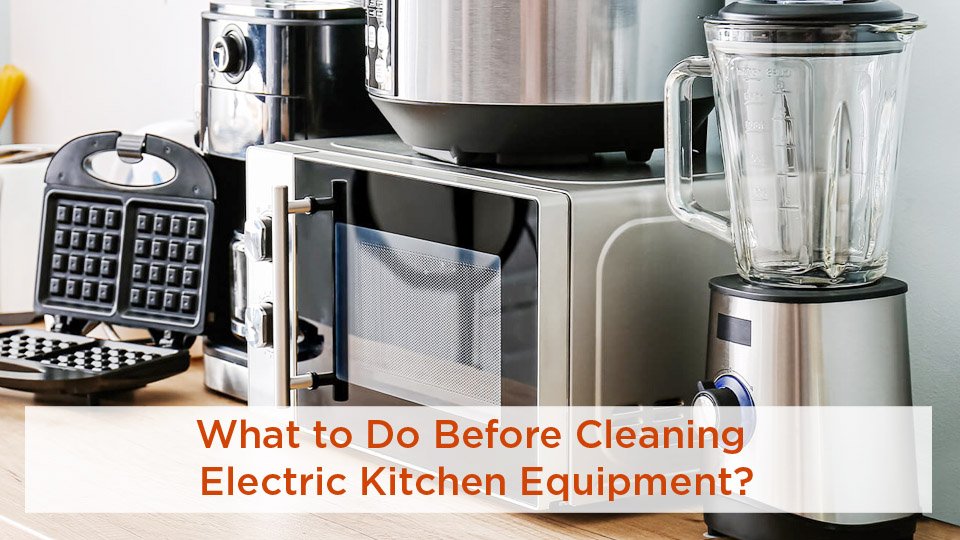
Image by service.works
Why Preparation Matters for Your Kitchen Appliances
Preparation before cleaning isn’t some extra chore—it’s the foundation. I’ve learned this the hard way after short-circuiting a coffee maker once because I rushed in. Electric kitchen equipment, from toasters to slow cookers, mixes electricity with food residue, creating risks if not handled properly.
Why bother? Safety tops the list: Water and electricity don’t mix, and improper cleaning can lead to fires or shocks. Then there’s hygiene—built-up grime breeds mold and germs, especially in humid spots like under a fridge coil.
You need this when your appliances look dingy, smell off, or aren’t performing well. For busy families juggling work and kids, or renters in apartments with shared spaces, prepping ensures quick, effective cleans without downtime. It also promotes cost savings; regular, safe maintenance prevents breakdowns that could cost hundreds in replacements.
From my experience, start by assessing the mess. Is it just surface dust or caked-on grease? That guides your approach. Common mistake: Diving in without unplugging—I’ve seen folks do this and get zapped mildly, which is scary enough. Avoid it by always powering down first. Pro tip: Set a timer for 10 minutes to let everything cool if it’s been used recently; hot surfaces can warp or cause burns.
Eco-friendly angle? Opt for natural prep methods, like using vinegar solutions instead of harsh chemicals, which I’ve switched to in my own home to cut down on fumes.
Essential Safety Precautions Before Touching Any Electric Device
Safety isn’t optional—it’s non-negotiable. What is it? These are the must-do actions to protect yourself, your family, and your home from accidents. In US households, where kitchens are hubs for everything from homework to holiday baking, overlooking this can turn a simple task into an ER visit.
Why and when? Always, but especially if you have kids or pets around. Post-cooking sessions, when appliances are warm, or during deep cleans every few months. It prevents electrical hazards and chemical exposures.
Step-by-step: First, unplug the device from the wall outlet—don’t just switch it off. Second, if it’s cordless, remove batteries. Third, wear rubber gloves for grip and protection. Fourth, ensure good ventilation by opening windows; I’ve cleaned in stuffy kitchens and ended up with headaches from vapors.
Common mistakes: Forgetting to check for hidden power sources, like backup batteries in smart appliances. Avoid by double-checking the manual. Another: Using wet cloths on live wires—dry wipe exteriors only until unplugged.
Pro tip from the job: Label cords if you have multiple appliances; it saves fumbling in tight spaces. For eco options, use reusable microfiber cloths instead of disposables—they grab dust without chemicals.
Gathering the Right Cleaning Supplies and Tools
Before you scrub, stock up. What are these supplies? Basics like soft cloths, brushes, mild detergents, and vinegar for natural cleaning. Tools might include toothbrushes for crevices or compressed air cans for dust.
Why needed? The right ones make cleaning efficient and safe, preventing scratches or residue buildup. Do this before every clean to avoid mid-task runs to the store—I’ve been caught without baking soda more times than I care to admit.
Step-by-step: List what you need based on the appliance. For example, gather dish soap, sponges, and a dry towel. Check for eco-friendly versions, like plant-based soaps. Organize them on a clean counter.
Mistakes to avoid: Using abrasive pads on non-stick surfaces—they ruin coatings. Opt for soft alternatives. Overloading on products leads to waste; stick to multi-purpose items.
Pro shortcuts: Mix your own cleaner with equal parts water and vinegar in a spray bottle—it’s cheap and effective for most electric gear. In my experience, this cuts grease without harsh smells, perfect for family kitchens.
Here’s a quick comparison table of common cleaning products:
| Product Type | Pros | Cons | Best For |
|---|---|---|---|
| Commercial Degreaser | Fast-acting on tough grime | Strong fumes, not eco-friendly | Heavy-duty jobs like oven hoods |
| Vinegar Solution (DIY) | Natural, inexpensive, antibacterial | Milder scent, slower on baked-on mess | Everyday prep on blenders or toasters |
| Baking Soda Paste | Gentle abrasive, odor-neutralizing | Requires rinsing, can be messy | Scrubbing mixers or coffee pots |
| Microfiber Cloths | Reusable, no streaks | Higher upfront cost | Wiping down all surfaces |
This table has saved me time choosing—tailor to your needs.
Reading the Manufacturer’s Manual: A Must-Do Step
Don’t skip the manual—it’s your roadmap. What is it? That booklet or online guide that came with your appliance, detailing safe cleaning methods.
Why? Each model varies; what works for one toaster might damage another. Needed before first cleans or when switching methods, especially for warranty-covered items.
Step-by-step: Locate the manual (I keep mine in a kitchen drawer). Read the cleaning section. Note any no-gos, like submerging parts. If lost, search the brand’s site using the model number—I’ve done this for countless clients.
Common pitfalls: Assuming all appliances clean the same—wrong! Avoid by cross-referencing. Ignoring water warnings leads to rust.
Pro tip: Snap photos of key pages on your phone for quick access. For US brands like KitchenAid or Cuisinart, they often include eco tips, like air-drying parts.
From hands-on work, I once ignored a manual for a food processor and stripped the gears with wrong lubricant. Lesson learned: Always read first.
Assessing and Disassembling the Equipment Safely
Assessment is key to targeted cleaning. What is it? Inspecting for damage, removable parts, and mess levels before starting.
Why? Prevents worsening issues, like cleaning over cracks that need repair. Do this seasonally or after heavy use, common in homes with big families.
Step-by-step: Unplug, then visually check cords, buttons, and interiors. Remove detachable parts like blender jars or toaster trays. Wipe loose crumbs first.
Mistakes: Forcing stuck parts—use gentle twists. Overlooking small crevices where food hides, breeding bacteria.
Shortcuts: Use a flashlight for dark spots; I’ve found hidden mold this way in microwaves. Eco alternative: Compost food scraps instead of trashing.
In a rental cleanout, assessing a slow cooker revealed a cracked liner—prepping saved the tenant from buying new.
Specific Preparations for Common Electric Kitchen Appliances
Now, let’s get appliance-specific. I’ve cleaned hundreds, so these are tried-and-true.
Before Cleaning Your Blender or Food Processor
Blenders get gunky fast from smoothies. What? Prep involves detaching blades and jars.
Why? Blades are sharp, and motors hate water. Needed after fruity blends to avoid odors.
Step-by-step: Unplug, twist off the base. Rinse removable parts under warm water initially. Check for seals that might need replacing.
Mistakes: Blending cleaners inside—can damage motors. Avoid by hand-washing.
Pro tip: Soak jars in soapy water during prep; loosens residue. DIY: Lemon juice cuts through sticky fruit.
Before Cleaning Your Toaster or Toaster Oven
Toasters collect crumbs like magnets. What? Shake out debris over a sink.
Why? Crumbs can smoke or catch fire. Weekly for heavy users.
Step-by-step: Unplug, invert and shake. Remove crumb tray if present.
Common error: Using metal tools inside—scratches heating elements. Use wooden ones.
Shortcut: Line trays with foil for easier future cleans, but remove before use.
Eco: Reuse shaken crumbs for bird feed if clean.
Before Cleaning Your Microwave
Microwaves splatter easily. What? Prep by steaming to loosen grime.
Why? Steam softens food without scrubbing hard. Monthly or after spills.
Step-by-step: Unplug if external clean; for interior, heat a bowl of water-vinegar mix first (unplugged not needed for this).
Mistakes: Using bleach—fumes are toxic in enclosed spaces. Stick to natural.
Tip: Add lemon slices to steam for fresh scent. Safety: Let cool before wiping.
Anecdote: Helped a busy mom whose microwave smelled like old pizza; pre-steaming made it sparkle in minutes.
Before Cleaning Your Coffee Maker or Espresso Machine
Coffee residue builds up oils. What? Descale prep with vinegar runs.
Why? Improves taste, prevents clogs. Every 1-3 months.
Step-by-step: Unplug, empty reservoir. Mix vinegar-water, but don’t run yet—let sit.
Error: Using undiluted acids—corrodes parts. Dilute always.
Pro: Use filtered water daily to reduce scaling needs.
Before Cleaning Your Stand Mixer or Hand Mixer
Mixers get dough in gears. What? Detach beaters and bowls.
Why? Protects motor from moisture. After baking sessions.
Step-by-step: Unplug, remove attachments. Wipe exteriors dry.
Mistakes: Submerging the whole unit—only parts are washable.
Shortcut: Dust with a soft brush first. Eco: Homemade paste for stubborn spots.
Handling Tough Spots: Grease, Stains, and Buildup Prep
Grease is a beast. What? Pre-treating with absorbers like baking soda.
Why? Makes removal easier, safer. For ovens or griddles post-cooking.
Step-by-step: Sprinkle soda, let sit 15 minutes. Then wipe.
Avoid: Scrubbing cold—warm slightly for better lift.
Tip: Gloves on; grease burns skin.
Child and Pet Safety During Prep
With little ones around, extra care. What? Secure areas and products.
Why? Prevents accidents like tipping appliances.
Step-by-step: Store unplugged items high. Lock cabinets with cleaners.
Mistakes: Leaving cords dangling—trip hazards.
Pro: Involve kids in safe tasks, like gathering towels, to teach habits.
Eco-Friendly and Budget-Saving Prep Alternatives
Going green? What? Use household items over store-bought.
Why? Reduces waste, saves cash—I’ve cut my supply costs in half.
Pros/cons table:
| Option | Pros | Cons | When to Use |
|---|---|---|---|
| Vinegar | Cheap, versatile | Acrid smell | Daily wipes |
| Baking Soda | Natural scrub | Powdery residue | Tough grime |
| Lemon | Freshens, cuts grease | Perishable | Quick freshens |
| Commercial Green Brands | Convenient | Pricier | Busy households |
Step-by-step: Mix as needed, test on small areas.
Maintenance Tips to Reduce Future Cleaning Needs
Preventive prep. What? Daily habits like wiping after use.
Why? Less deep cleans overall.
Step-by-step: Cover appliances when not in use. Schedule checks.
Tip: Use appliance covers—keeps dust off.
From experience, this has kept my own kitchen running smoothly for years.
Conclusion
What you do before cleaning electric kitchen equipment sets the stage for success. Unplug, gather supplies, read manuals, and assess— these steps keep you safe, your appliances lasting longer, and your kitchen hygienic. Now, you can tackle cleans faster, smarter, and without the stress of mishaps. Always air-dry parts thoroughly before reassembling; it prevents mold and ensures everything works like new.
FAQ
How often should I clean my electric kitchen appliances?
It depends on use, but aim for weekly wipes and monthly deep preps. For high-traffic items like microwaves in family homes, more frequent checks prevent buildup and keep things safe.
What if my appliance manual is missing?
No worries—most US brands have PDFs online. Search the model number on their site, or use general guidelines like unplugging first, but always prioritize safety.
Are there safe cleaners for sensitive skin?
Absolutely. Go for hypoallergenic or natural options like diluted vinegar. I’ve switched to these after developing irritations from harsher stuff on the job—wear gloves too.
Can I clean electric appliances while they’re plugged in?
Never! Always unplug to avoid shocks. It’s a basic rule I’ve hammered into every trainee—safety first saves lives and equipment.
What’s the best way to store cleaning supplies?
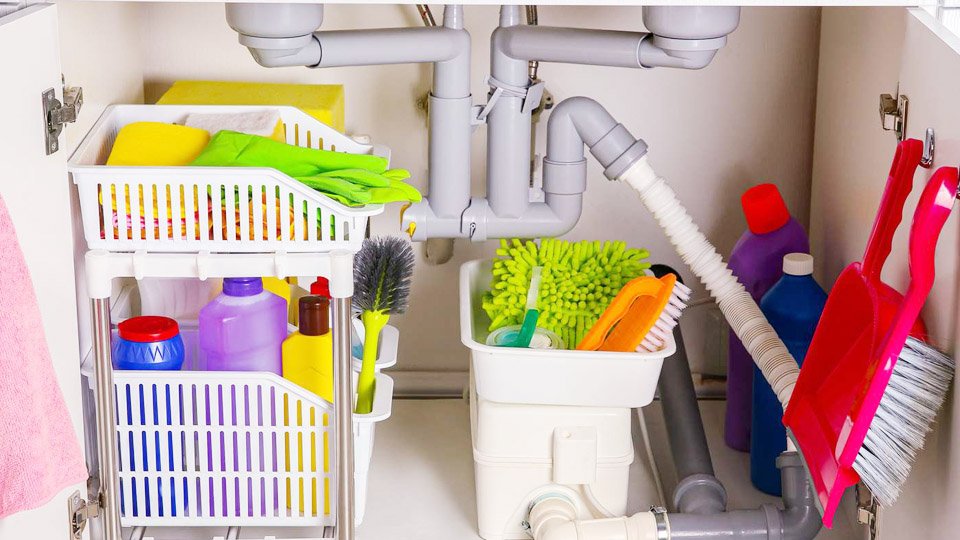
Keep them in a labeled bin under the sink, away from food. This organization hack has sped up my preps tremendously, especially in small apartments.