I walked into my kitchen and couldn’t help but notice those dull, gray lines between my tiles. No matter how clean the floor looked, the grout made the whole room feel grimy. If you’ve ever dealt with that, you know how frustrating it can be.
That’s when I started wondering: How to Clean Floor Tile Grout Without Scrubbing? Because honestly, who has the time—or the knees—for hours of scrubbing? I’ve been down that road before, and it’s exhausting. The good news is, there are easier ways to freshen up your grout, keep your floors looking bright, and save yourself a whole lot of effort.
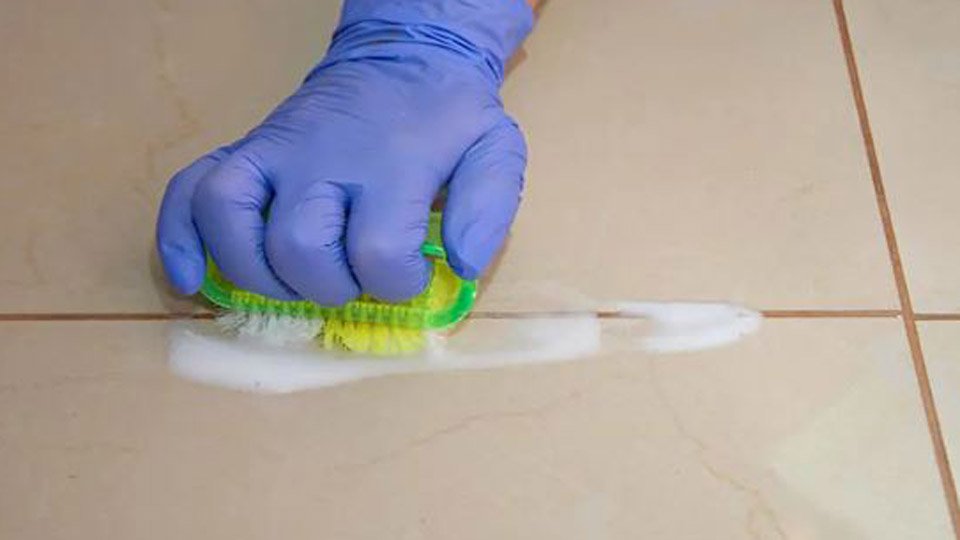
Image by checkatrade
Why Cleaning Grout Without Scrubbing Matters
Grout is a magnet for dirt because it’s porous and often sits lower than the tiles. In my early days as a cleaner, I’d spend hours on my knees scrubbing grout lines in clients’ bathrooms, only to realize there were smarter ways to get the same results.
Scrub-free methods are a game-changer for busy families, renters who want their deposit back, or pros like me who need to clean efficiently. These techniques save time, reduce physical strain, and often use gentler products that are safer for kids, pets, and the environment.
When You Need to Clean Grout
You’ll know it’s time to clean when grout turns dark, discolored, or spotty. Kitchens get greasy from cooking splatter, bathrooms battle soap scum and mildew, and entryways collect mud. I once cleaned a client’s kitchen grout that looked black from years of coffee spills and foot traffic—turns out, it was originally beige! Regular cleaning (every 3–6 months) prevents buildup and keeps your home hygienic.
Method 1: Baking Soda and Vinegar Solution
What It Is
This classic combo uses baking soda’s mild abrasiveness and vinegar’s acidity to break down grout grime without scrubbing. It’s cheap, eco-friendly, and likely already in your pantry.
Why It’s Needed
Baking soda and vinegar work together to loosen dirt and stains chemically. The fizzing reaction lifts grime, making it easy to wipe or rinse away. This method is ideal for light to moderate stains in kitchens or bathrooms.
Step-by-Step Cleaning Process
Mix the paste: In a small bowl, combine ½ cup baking soda with enough water to form a thick paste. I aim for a peanut butter-like consistency.
Apply to grout: Use a spoon or gloved finger to spread the paste along grout lines. Focus on small sections (about 2×2 feet) to keep it manageable.
Spray with vinegar: Fill a spray bottle with equal parts white vinegar and water. Lightly mist the paste-covered grout. You’ll see it fizz—that’s the magic happening.
Let it sit: Wait 5–10 minutes for the reaction to break down grime. I once left it for 15 minutes on stubborn kitchen grout, and it worked wonders.
Wipe clean: Use a damp microfiber cloth to wipe away the paste. No scrubbing needed—the grime lifts with minimal effort.
Rinse and dry: Mop or wipe the area with clean water, then dry with a towel to prevent water spots.
Common Mistakes to Avoid
Using too much vinegar: Too much liquid dilutes the paste and reduces its effectiveness. Stick to a light mist.
Skipping the rinse: Leftover baking soda can leave a chalky residue. Always rinse thoroughly.
Not testing first: Vinegar can damage natural stone tiles (like marble). Test on a small area if you’re unsure about your tile type.
Pro Tips and Shortcuts
Add dish soap: For greasy kitchen grout, mix a drop of Dawn dish soap into the paste for extra degreasing power.
Use an old toothbrush: Not for scrubbing—just to apply the paste precisely in tight spots.
Ventilation is key: Open a window or turn on a fan. Vinegar’s smell can be strong, especially in small bathrooms.
Method 2: Hydrogen Peroxide and Oxygen Bleach
What It Is
Hydrogen peroxide (3% solution) and oxygen bleach (like OxiClean) are powerful, non-toxic cleaners that brighten grout and kill mold without harsh fumes.
Why It’s Needed
These are my go-to for bathrooms where mildew and soap scum darken grout. Hydrogen peroxide disinfects, while oxygen bleach whitens and tackles tough stains. Both are safe for most sealed tiles and eco-conscious households.
Step-by-Step Cleaning Process
- Mix the solution: In a spray bottle, combine 1 cup hydrogen peroxide with 1 cup water. Alternatively, mix ¼ cup oxygen bleach powder with 1 cup warm water for a stronger solution.
- Apply to grout: Spray or pour the solution directly onto grout lines. I use a small paintbrush to spread it evenly in narrow areas.
- Let it dwell: Allow 10–15 minutes for the solution to penetrate. For stubborn stains, I’ve left it for 20 minutes with great results.
- Blot with a cloth: Use a damp microfiber cloth to blot (not scrub) the grout. The stains should lift easily.
- Rinse thoroughly: Wipe with clean water to remove residue, then dry with a towel.
- Repeat if needed: For very dark grout, a second application may be necessary.
Common Mistakes to Avoid
- Using too much oxygen bleach: Overuse can leave a powdery residue. Measure carefully.
- Mixing with other cleaners: Never combine hydrogen peroxide or oxygen bleach with ammonia or vinegar—it can create harmful gases.
- Skipping gloves: These solutions can irritate skin. Wear gloves to stay safe.
Pro Tips and Shortcuts
- Brighten with a bonus step: After cleaning, dab hydrogen peroxide on extra-dark spots with a cotton ball for a quick boost.
- Use a spray bottle: It’s easier to control application and avoid over-wetting tiles.
- Store safely: Keep hydrogen peroxide in a dark bottle to maintain its potency.
Method 3: Steam Cleaning
What It Is
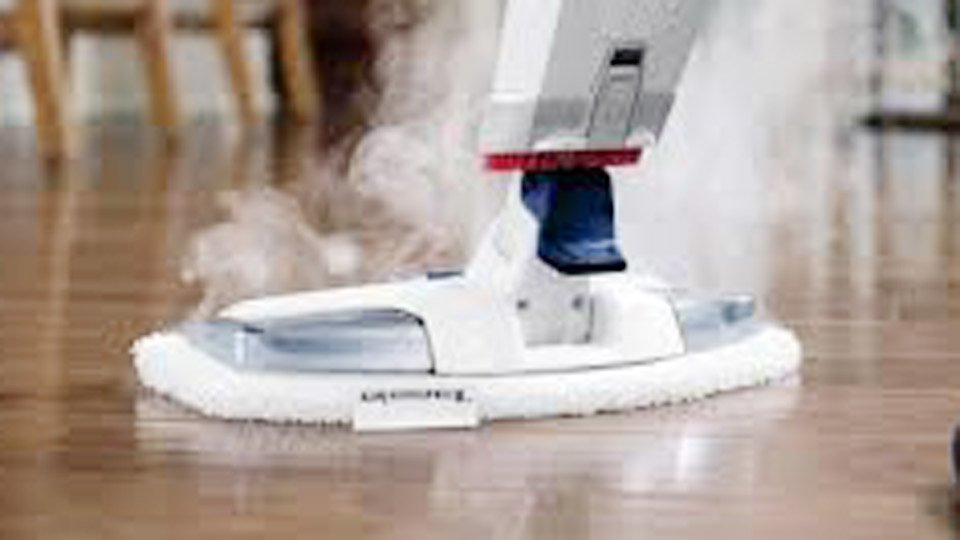
A handheld or floor steam cleaner uses hot vapor to loosen and dissolve grout dirt without chemicals. It’s a favorite for eco-conscious cleaners and large areas.
Why It’s Needed
Steam cleaning is perfect for heavy-duty jobs or chemical-sensitive homes. It kills bacteria and mold, making it ideal for bathrooms and kitchens. I’ve used steam to revive a client’s 10-year-old foyer grout in under an hour.
Step-by-Step Cleaning Process
- Choose your steamer: A handheld model (like the Bissell SteamShot) works for small areas; a floor steamer is better for large rooms.
- Prep the area: Sweep or vacuum to remove loose dirt. I once skipped this and ended up with muddy streaks—don’t make my mistake.
- Fill the steamer: Use distilled water to prevent mineral buildup in the machine.
- Steam the grout: Hold the steamer’s nozzle close to the grout lines, moving slowly along each line. The steam loosens grime instantly.
- Wipe away residue: Follow with a microfiber cloth to catch the loosened dirt.
- Dry the floor: Use a towel or let it air-dry with good ventilation to avoid mildew.
Common Mistakes to Avoid
- Over-wetting the floor: Too much steam can seep into unsealed grout, causing damage. Keep the steamer moving.
- Skipping the manual: Each steamer is different—read the instructions to avoid mishaps.
- Not sealing grout after: Steam cleans but doesn’t protect. Apply a grout sealer every 1–2 years to prevent future stains.
Pro Tips and Shortcuts
- Use a narrow nozzle: Most steamers come with attachments for precision cleaning.
- Work in sections: Divide large floors into manageable zones to stay organized.
- Combine with vinegar: For tough stains, pre-treat with a vinegar spray, then steam for deeper cleaning.
Comparison Table: Cleaning Methods for Grout
| Method | Best For | Pros | Cons | Cost |
|---|---|---|---|---|
| Baking Soda + Vinegar | Light to moderate stains | Cheap, eco-friendly, pantry staples | Slower for heavy stains, vinegar smell | $1–$5 |
| Hydrogen Peroxide + OxiClean | Mold, mildew, dark stains | Disinfects, whitens, safe for most tiles | Can irritate skin, residue if overused | $5–$10 |
| Steam Cleaning | Heavy stains, large areas | Chemical-free, kills bacteria | Equipment cost, learning curve | $50–$150 (steamer) |
DIY vs Store-Bought Cleaners: What’s Best?
DIY Cleaners
I love DIY solutions because they’re budget-friendly and customizable. Baking soda, vinegar, and hydrogen peroxide are staples in my cleaning kit. They’re safe for most homes, eco-friendly, and perfect for renters who want to avoid harsh chemicals. However, they may require more time or multiple applications for tough stains.
Store-Bought Cleaners
Products like Zep Grout Cleaner or Goo Gone Grout & Tile Cleaner are formulated for speed and tough stains. They’re great for busy families or professionals who need results fast. The downside? They can be pricey and may contain chemicals that require ventilation or gloves. Always check if they’re safe for your tile type.
My Recommendation
For most households, start with DIY methods to save money and stay green. If you’re dealing with stubborn stains or need a quick fix, a store-bought cleaner can be a lifesaver. I keep both in my arsenal, depending on the job.
Eco-Friendly and Safety Considerations
Cleaning grout shouldn’t harm your health or the planet. Here’s what I’ve learned from years of cleaning:
Ventilation: Always open windows or use a fan, especially with vinegar or store-bought cleaners.
Gloves: Protect your hands from irritation, especially with hydrogen peroxide or oxygen bleach.
Child and pet safety: Store cleaners out of reach and avoid letting kids or pets near wet floors.
Eco-friendly options: Stick to baking soda, vinegar, or hydrogen peroxide for green cleaning. If buying products, look for EPA Safer Choice labels.
Test first: Always test solutions on a small, hidden area to avoid damaging tiles or grout.
Maintenance Tips to Keep Grout Clean
Once your grout is clean, keep it that way with these habits:
- Sweep regularly: Dirt buildup is grout’s worst enemy. Sweep or vacuum weekly.
- Wipe spills immediately: Coffee, wine, or grease can stain grout fast. I once saved a client’s white grout by blotting a red wine spill within minutes.
- Seal grout: Apply a grout sealer every 1–2 years to repel stains. I use Aqua Mix Sealer’s Choice Gold for reliable protection.
- Use doormats: Place mats at entrances to trap dirt before it reaches your floors.
Anecdotes from the Field
I’ll never forget cleaning a client’s bathroom grout that was so moldy it looked like a science experiment. They were skeptical about my no-scrub hydrogen peroxide method, but after 15 minutes and a quick wipe, the grout was bright white again. They thought I was a magician!
Another time, I used a steamer on a kitchen floor where the grout was caked with years of grease. The client was amazed at how the steam melted it away without chemicals. These moments remind me why I love finding smarter ways to clean.
Conclusion
Cleaning floor tile grout without scrubbing is not only possible but also practical for busy households and professionals alike. By using baking soda and vinegar, hydrogen peroxide and oxygen bleach, or a steam cleaner, you can restore your grout’s sparkle without hours of elbow grease.
These methods are safe, effective, and adaptable to different stain levels and home setups. You’ll save time, protect your floors, and create a healthier home environment. Keep a spray bottle of diluted vinegar handy for quick touch-ups between deep cleans—it’s a game-changer for maintaining grout.
FAQ
How often should I clean my tile grout?
Clean grout every 3–6 months, depending on traffic. High-use areas like kitchens need more frequent attention to prevent buildup.
Can I use bleach to clean grout without scrubbing?
Diluted bleach can work, but it’s harsh and can weaken grout over time. I prefer hydrogen peroxide or oxygen bleach for safer, effective results.
What’s the fastest way to clean grout without scrubbing?
Steam cleaning is the fastest for large areas or tough stains. For smaller jobs, hydrogen peroxide with a quick wipe gets results in under 20 minutes.
Is vinegar safe for all grout types?
Vinegar is safe for sealed grout and ceramic tiles but can damage natural stone or unsealed grout. Test a small area first.
How do I prevent grout from getting dirty again?
Sweep regularly, wipe spills immediately, and apply a grout sealer every 1–2 years to repel dirt and stains.