The other day, I was wiping down my kitchen and noticed a sticky patch on the wooden trim near my oven. I reached for the oven cleaner out of habit, but then I froze—how long do you leave oven cleaner on wood without ruining the finish? That moment reminded me how easy it is to grab the wrong product in a hurry and end up making more work for ourselves.
I’ve definitely learned the hard way that wood needs a gentler touch, or you’ll be stuck with stains, discoloration, or even damage that’s expensive to fix. Let me share what’s worked for me, so you can avoid the same mistakes.
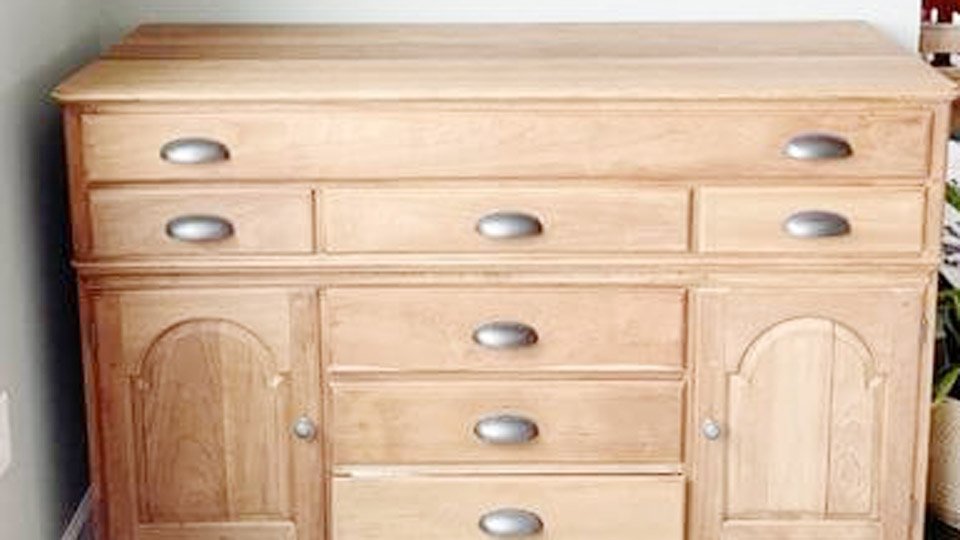
Image by dappledskiesanddiys
Why This Cleaning Topic Matters
Cleaning wood surfaces in your home isn’t just about aesthetics (though shiny cabinets do feel amazing). It’s about protecting your investment—wooden furniture, cabinets, or floors aren’t cheap.
Grease, grime, or food splatters can degrade wood, leading to costly repairs or replacements. Plus, keeping surfaces clean reduces allergens and bacteria, especially in kitchens where hygiene is non-negotiable.
Using oven cleaner on wood can save time and money if done right, but it’s a balancing act. You want to zap the grease without stripping the finish. Safety is huge too—oven cleaners are caustic, so you need to protect yourself, your family, and your pets.
Can You Use Oven Cleaner on Wood Surfaces?
What It Is
Oven cleaner is a powerful chemical spray or foam, typically containing sodium hydroxide (lye), designed to break down baked-on grease and carbon in ovens. Brands like Easy-Off or Great Value are common in US households. On wood, it’s not a go-to cleaner, but it can work for tough grease stains or sticky residues that regular cleaners can’t handle.
Why/When It’s Needed
You might turn to oven cleaner if you’ve got greasy splatters on wooden cabinets near your stove or sticky residue on a wooden table from years of spills. I once tackled a client’s kitchen where the cabinets were caked with grease from years of frying bacon—no regular cleaner could touch it. Oven cleaner was my last resort, and it worked like a charm when used carefully.
Step-by-Step Cleaning Process
Test First: Always do a spot test on a hidden area of the wood (like the inside of a cabinet door). Apply a tiny amount of oven cleaner, wait 30 seconds, and wipe it off. Check for discoloration or damage.
Ventilate the Area: Open windows and turn on a fan. Oven cleaner fumes are no joke—trust me, I learned this the hard way when I got dizzy mid-clean.
Protect Yourself: Wear rubber gloves, safety goggles, and a mask. I keep a pair of dishwashing gloves in my cleaning caddy for this exact reason.
Apply Sparingly: Spray or dab a small amount of oven cleaner onto a soft cloth or sponge—never directly onto the wood. Less is more here.
Wait Briefly: Let the cleaner sit for 15–30 seconds. This is critical—too long, and it can eat through the wood’s finish. I set a timer on my phone to avoid guessing.
Wipe Off Quickly: Use a damp microfiber cloth to wipe away the cleaner and grime. Follow up with a dry cloth to remove any residue.
Rinse and Neutralize: Wipe the area with a cloth soaked in a mix of water and a splash of white vinegar to neutralize the alkaline cleaner. Dry thoroughly.
Polish (Optional): If the wood looks dull, apply a wood-safe polish like Pledge to restore the shine. I’ve found this works wonders on oak cabinets.
Common Mistakes and How to Avoid Them
Leaving It On Too Long: I once left oven cleaner on a wooden shelf for a minute too long, and it stripped the varnish. Stick to 15–30 seconds, max.
Using Too Much: Overloading the wood with cleaner can seep into the grain and cause damage. Use a light touch.
Skipping the Spot Test: I’ve seen folks ruin antique furniture because they didn’t test first. Always check an inconspicuous spot.
Poor Ventilation: Fumes can make you lightheaded or irritate your lungs. Open those windows!
Pro Tips and Shortcuts
DIY Alternative: If you’re nervous about oven cleaner, mix baking soda and water into a paste. It’s gentler but still tackles grease. I used this on a client’s maple table, and it worked without risking the finish.
Microfiber Magic: Microfiber cloths grab grease better than cotton. I buy them in bulk at Costco for all my cleaning jobs.
Eco-Friendly Option: Look for “fume-free” oven cleaners like Easy-Off Fume Free. They’re less harsh but still effective.
How Long Should Oven Cleaner Sit on Wood?
What It Is
This is the million-dollar question: how long do you leave oven cleaner on wood without causing damage? The answer depends on the wood’s finish and the cleaner’s strength, but I’ve found a sweet spot through trial and error.
Why/When It’s Needed
Timing is everything. Too short, and the grease won’t budge; too long, and you’re looking at stripped varnish or discolored wood. I’ve cleaned greasy cabinets in rental apartments where tenants didn’t wipe down surfaces for years—30 seconds was enough to cut through the grime without harm.
Step-by-Step Process
Start with 15 Seconds: Apply the cleaner to a small area and wait 15 seconds. Check if the grease is loosening.
Extend if Needed: If the stain’s stubborn, try another 15 seconds, but don’t exceed 30 seconds total. I use my phone’s stopwatch to keep track.
Wipe and Check: Wipe off with a damp cloth and inspect. If the grease is still there, reapply for another 15 seconds.
Neutralize Immediately: Always follow with a vinegar-water rinse to stop the cleaner’s action. I keep a spray bottle of this mix handy.
Common Mistakes and How to Avoid Them
Guessing the Time: Don’t eyeball it. I’ve ruined a small patch of a client’s cabinet by leaving cleaner on for “just a bit longer.” Use a timer.
Ignoring the Finish: Sealed wood (like polyurethane-coated cabinets) can handle a bit more time than unfinished or waxed wood. Know your surface.
Not Rinsing: Leftover cleaner can keep working and damage the wood. Always neutralize with vinegar.
Pro Tips and Shortcuts
- Set a Timer: I use my phone’s timer app religiously for this. It’s a lifesaver.
- Use a Spray Bottle: For the vinegar rinse, a spray bottle makes it quick and even. I got mine at Dollar Tree for a buck.
- Eco-Friendly Hack: If you’re eco-conscious, try a plant-based degreaser like Method Heavy Duty Degreaser for lighter grease. It’s safer for wood and smells better.
Comparison of Cleaning Products for Wood Surfaces
| Product Type | Pros | Cons | Best For |
|---|---|---|---|
| Oven Cleaner (e.g., Easy-Off) | Cuts through heavy grease fast; widely available | Harsh chemicals; can damage wood if misused | Tough, greasy stains on sealed wood |
| Baking Soda Paste | Gentle, non-toxic; safe for most finishes | Slower; requires elbow grease | Light grease or eco-conscious cleaning |
| White Vinegar | Neutralizes oven cleaner; cheap and natural | Weak against heavy grease alone | Post-cleaning rinse or light stains |
| Commercial Degreaser (e.g., Method) | Eco-friendly; pleasant scent | Less effective on baked-on grease | Moderate grease on delicate wood |
Safety Precautions When Using Oven Cleaner on Wood
What It Is
Oven cleaner contains strong chemicals like sodium hydroxide, which can irritate skin, eyes, and lungs. Using it on wood requires extra care to protect yourself and your home.
Why/When It’s Needed
I’ve had moments where I skipped gloves and ended up with red, itchy hands—not fun. Safety is critical when you’re dealing with caustic cleaners, especially in homes with kids or pets who might touch surfaces or breathe fumes.
Step-by-Step Safety Process
Gear Up: Wear long sleeves, rubber gloves, goggles, and a mask. I keep a cheap pair of safety goggles from Home Depot in my kit.
Ventilate: Open all windows and use a fan to circulate air. I once cleaned a client’s oven in a stuffy kitchen and felt woozy—never again.
Keep Kids and Pets Away: Set up a barrier or clean when they’re not around. My dog once sniffed a cleaned surface and sneezed for an hour.
Store Safely: Keep oven cleaner out of reach in a locked cabinet. I label mine clearly to avoid mix-ups.
Dispose Properly: Rinse cloths and sponges thoroughly, and check local guidelines for disposing of chemical-soaked materials.
Common Mistakes and How to Avoid Them
- Skipping Gloves: I’ve burned my skin by thinking, “It’s just a quick wipe.” Always wear gloves.
- Poor Ventilation: Fumes can linger and cause headaches. Open windows before you start.
- Leaving Cleaner Out: I once left a can on the counter, and a client’s toddler almost grabbed it. Store it immediately.
Pro Tips and Shortcuts
- Use a Fan: A small desk fan can keep fumes at bay. I carry a portable one for tight spaces.
- DIY Mask Hack: If you don’t have a mask, a damp bandana over your nose and mouth works in a pinch.
- Child-Safe Storage: I use a toolbox with a lock for all my cleaning chemicals—keeps curious hands out.
Quick Fixes for Common Wood Cleaning Messes
What It Is
Wood surfaces in US homes—think kitchen cabinets, dining tables, or hardwood floors—get hit with all kinds of messes: grease splatters, sticky syrup, or mystery stains. Oven cleaner can help, but there are other tricks I’ve learned on the job.
Why/When It’s Needed
Life happens. I’ve cleaned rentals where tenants left cabinets coated in grease or tables sticky from spilled soda. Quick fixes save time and keep your wood looking good without a full deep-clean.
Step-by-Step Quick Fixes
Grease Splatters: Dab oven cleaner for 15 seconds, wipe, and rinse with vinegar-water. For lighter grease, I rub a mix of dish soap and warm water with a microfiber cloth.
Sticky Residue: Apply a baking soda paste, let it sit for 5 minutes, then scrub gently with a sponge. I used this on a client’s table covered in dried juice.
Water Rings: Buff with a dry microfiber cloth and a dab of olive oil. It’s saved many a coffee table in my career.
Scratches: Rub a walnut (yes, the nut!) over light scratches to hide them. I was skeptical too, but it works on oak.
Common Mistakes and How to Avoid Them
- Over-Scrubbing: I’ve scratched wood by using too much force with a sponge. Go gentle, especially on soft woods like pine.
- Using Harsh Tools: Steel wool is a no-go—it’ll ruin the finish. Stick to microfiber or soft sponges.
- Ignoring Stains: Small stains can set if left too long. I always tackle spills the same day.
Pro Tips and Shortcuts
Keep a Cleaning Caddy: I stock mine with microfiber cloths, vinegar, baking soda, and gloves for quick fixes.
Prevent Grease Buildup: Wipe cabinets weekly with a damp cloth to avoid needing heavy cleaners later.
Eco-Friendly Option: Seventh Generation dish soap is my go-to for light grease—it’s gentle and green.
Maintaining Wood Surfaces After Cleaning
What It Is
Once you’ve cleaned your wood with oven cleaner or another method, maintenance keeps it looking great and prevents future grime buildup.
Why/When It’s Needed
Wood is an investment, whether it’s your grandma’s oak table or new kitchen cabinets. Regular care extends its life and saves you from intense cleaning sessions. I learned this after neglecting my own dining table for months—don’t make my mistake.
Step-by-Step Maintenance
Dust Weekly: Use a dry microfiber cloth to remove dust, which can trap grease over time.
Wipe Monthly: Clean with a damp cloth and a mild cleaner like Murphy’s Oil Soap. I do this for my cherry cabinets.
Polish Sparingly: Apply a wood polish like Pledge every 2–3 months to restore shine. Too much polish can attract dust.
Check for Damage: Look for scratches or dull spots. I caught a small scratch on a client’s floor early and fixed it with a walnut.
Protect Surfaces: Use coasters, placemats, or trivets to prevent stains. I wish I’d done this before my table got water rings.
Common Mistakes and How to Avoid Them
- Over-Polishing: I once overdid it with polish, and my table got sticky. Use it sparingly.
- Using Wet Cloths: Too much water can warp wood. Wring out cloths well—I learned this after a warped cabinet door.
- Ignoring Spills: Clean spills immediately to avoid stains. I keep a cloth in my kitchen for this.
Pro Tips and Shortcuts
- DIY Polish: Mix olive oil and vinegar (1:1) for a natural shine. I use this on my budget clients’ furniture.
- Microfiber Mitts: I wear microfiber cleaning mitts for quick dusting—they’re faster than cloths.
- Preventative Mats: Place a mat under your stove to catch grease splatters. It’s saved my clients’ floors.
Conclusion
Using oven cleaner on wood can be a game-changer for tackling tough grease, but it’s not a one-size-fits-all solution. By sticking to 15–30 seconds of application, testing first, and neutralizing with vinegar, you can clean safely and effectively.
My years of cleaning homes have taught me that preparation and care are everything—whether it’s protecting your skin, ventilating the room, or knowing your wood’s finish. With these steps, you’ll clean faster, smarter, and safer, keeping your wooden surfaces pristine without risking damage.
FAQ
Can oven cleaner damage wood surfaces?
Yes, if left on too long or used incorrectly, oven cleaner can strip varnish or discolor wood. Test a small area first and don’t exceed 30 seconds.
What’s a safer alternative to oven cleaner for wood?
A baking soda and water paste is gentle and effective for light grease. I’ve used it on delicate tables with great results.
How do I remove grease from kitchen cabinets without chemicals?
Mix dish soap with warm water and scrub with a microfiber cloth. It’s my go-to for weekly cabinet cleanups.
Can I use oven cleaner on unfinished wood?
Avoid it—unfinished wood is too porous and can absorb the cleaner, causing damage. Stick to mild soap and water.
How often should I clean my wooden cabinets?
Wipe them weekly with a damp cloth to prevent grease buildup. Deep clean every 1–2 months with a mild cleaner.