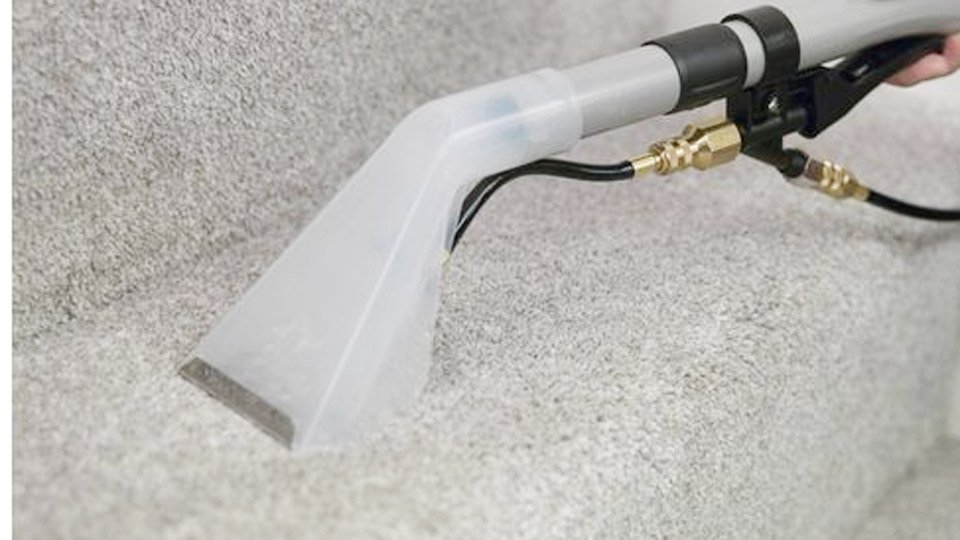
I spilled a cup of coffee on my living room rug, and instead of grabbing a towel right away, I told myself, “I’ll deal with it later.” Big mistake—by the next morning, it looked like the stain had set up permanent residence. If you’ve ever faced something similar, you know how frustrating old carpet stains can be. That’s why learning how to get old stains out of carpet using home remedies is such a game-changer.
Not only does it save you from expensive professional cleanings, but it also keeps your home looking fresh and feeling cozy. I’ve tried (and failed) with quick fixes before, but over time I’ve found a few reliable tricks that actually work—and I can’t wait to share them with you.
Image by certifiedcleancare
Why Old Carpet Stains Are a Problem
What Are Old Carpet Stains?
Old stains are spills or messes that have settled into your carpet fibers over time. Unlike fresh spills, these stains have had time to bond with the carpet, making them tougher to remove. Common culprits include food, drinks, pet accidents, grease, ink, or even tracked-in mud. The longer a stain sits, the more it embeds itself, often changing the carpet’s color or texture.
Why It Matters
Old stains can do more than ruin your carpet’s look. They can attract dust and allergens, creating an unhealthy environment, especially for kids or pets who play on the floor. Stains can also weaken carpet fibers, leading to costly replacements. For renters, neglecting stains might mean losing part of your security deposit. Plus, a clean carpet just feels better—it boosts your mood and makes your home feel fresh.
When You Need to Act
Tackle old stains as soon as you notice them, especially if you’re prepping for guests, moving out, or trying to maintain a healthy home. Acting quickly prevents further damage and saves you from pricier solutions like professional cleaning or carpet replacement.
Home Remedies for Common Carpet Stains
I’ve tested countless DIY solutions on carpets—both in my own home and for clients. Below, I’ll cover the most effective home remedies for common stain types, with detailed steps and tips to avoid mistakes. These methods use everyday items like vinegar, baking soda, and dish soap, which are safe, affordable, and eco-friendly.
Removing Red Wine Stains
What It Is
Red wine stains are notorious for their deep, dark pigment that clings to carpet fibers. Left untreated, they can turn into permanent eyesores.
Why/When It’s Needed
Red wine stains often happen during gatherings, and if they’re not caught immediately, they set in fast. You’ll want to tackle these to keep your carpet vibrant and avoid costly professional treatments.
Step-by-Step Process
- Blot the Area: If the stain is still slightly fresh, blot (don’t rub!) with a clean cloth to absorb as much wine as possible.
- Make a Solution: Mix 1 tablespoon of dish soap, 1 tablespoon of white vinegar, and 2 cups of warm water.
- Apply the Solution: Dip a clean sponge or cloth into the mixture and gently dab the stain, working from the outside in to avoid spreading it.
- Let It Sit: Allow the solution to sit for 5–10 minutes to break down the wine’s pigments.
- Blot Again: Use a dry cloth to absorb the solution and loosened stain. Repeat if needed.
- Rinse: Dab with cold water to remove any soap residue, then blot dry.
- Dry Thoroughly: Place a fan nearby or open windows to ensure the carpet dries completely to prevent mold.
Common Mistakes
- Rubbing Instead of Blotting: Rubbing pushes the stain deeper into the fibers.
- Using Hot Water: Heat can set the stain, making it harder to remove.
- Skipping the Rinse: Soap residue can attract dirt, creating a new problem.
Pro Tips
- Sprinkle a little salt on a fresh wine spill before applying the solution—it absorbs liquid and makes cleanup easier.
- For stubborn stains, try a paste of baking soda and water after the vinegar solution. Let it sit for 15 minutes, then vacuum.
Tackling Pet Stains and Odors
What It Is
Pet stains—urine, vomit, or feces—are organic messes that can leave lingering odors and discoloration if not handled properly.
Why/When It’s Needed
Pet stains are a health hazard, as they can harbor bacteria and allergens. They’re also a common issue for pet owners, especially in homes with puppies or senior pets. Removing them promptly keeps your home sanitary and odor-free.
Step-by-Step Process
- Blot Excess: Use paper towels to soak up as much of the mess as possible.
- Create a Solution: Mix 1 cup of white vinegar, 1 cup of water, and 2 tablespoons of baking soda.
- Apply to Stain: Pour or spray the solution onto the stain, ensuring it penetrates deep into the carpet.
- Let It Sit: Allow the mixture to fizz and work for 10–15 minutes.
- Blot and Rinse: Blot with a clean cloth, then dab with cold water to rinse.
- Deodorize: Sprinkle baking soda over the area, let it sit overnight, and vacuum the next day.
- Dry Thoroughly: Use a fan or open windows to prevent moisture buildup.
Common Mistakes
- Using Ammonia-Based Cleaners: Ammonia smells like urine to pets, encouraging them to remark the spot.
- Not Addressing Odors: Lingering smells can attract pets back to the same area.
- Overwetting the Carpet: Too much liquid can damage the carpet backing or lead to mold.
Pro Tips
- For old, set-in pet stains, use a blacklight to find hidden spots—urine glows under UV light.
- After cleaning, apply a pet-safe enzymatic cleaner (available at most stores) to break down any remaining organic material.
Getting Rid of Grease and Oil Stains
What It Is
Grease and oil stains come from food spills, cosmetics, or tracked-in grime. They’re tricky because they repel water, making them resistant to standard cleaning methods.
Why/When It’s Needed
Grease stains attract dirt, creating dark, sticky patches that worsen over time. They’re common in kitchens or high-traffic areas and need special attention to prevent permanent damage.
Step-by-Step Process
- Blot Excess Grease: Use a paper towel to absorb as much grease as possible.
- Apply Dry Absorbent: Sprinkle cornstarch or baking soda over the stain to draw out oil. Let it sit for 15–30 minutes.
- Vacuum: Remove the powder with a vacuum cleaner.
- Make a Solution: Mix 1 teaspoon of dish soap (preferably grease-cutting, like Dawn) with 1 cup of warm water.
- Dab the Stain: Use a cloth to apply the solution, working gently to lift the grease.
- Rinse and Blot: Dab with cold water, then blot dry with a clean towel.
- Dry Completely: Ensure proper ventilation to avoid mildew.
Common Mistakes
- Using Too Much Water: Grease repels water, so over-wetting dilutes your cleaning solution’s effectiveness.
- Skipping the Absorbent: Powders like cornstarch are key to pulling oil out of fibers.
- Ignoring Small Stains: Grease spreads easily, so tackle even tiny spots immediately.
Pro Tips
- For extra-stubborn grease, try rubbing alcohol on a cloth after the dish soap step. Test in a hidden area first to ensure it won’t damage your carpet.
- Keep a small container of cornstarch handy for quick grease spills—it’s a lifesaver.
Comparison Table: Home Remedies vs. Store-Bought Cleaners
| Method | Pros | Cons | Best For |
|---|---|---|---|
| Vinegar + Dish Soap | Cheap, eco-friendly, safe for most carpets, effective on many stains | May require multiple applications for tough stains | Red wine, pet stains, food spills |
| Baking Soda | Absorbs odors, lifts grease, non-toxic | Can leave residue if not vacuumed thoroughly | Odors, grease, light stains |
| Cornstarch | Excellent for grease and oil, inexpensive | Less effective on non-greasy stains | Grease, oil stains |
| Store-Bought Cleaner | Fast-acting, designed for specific stains, often enzyme-based for pets | Expensive, may contain harsh chemicals, not always eco-friendly | Tough, set-in stains, pet odors |
Eco-Friendly and Safety Considerations
Why Go Eco-Friendly?
As someone who’s cleaned homes with kids and pets, I prioritize solutions that are safe for everyone. White vinegar, baking soda, and dish soap are non-toxic and biodegradable, making them ideal for eco-conscious households. They’re also budget-friendly, costing pennies compared to store-bought cleaners.
Safety Precautions
Ventilation: Always open windows when cleaning to avoid inhaling fumes, even from natural solutions.
Gloves: Wear rubber gloves to protect your skin, especially if you have sensitive hands.
Child and Pet Safety: Keep kids and pets away from the area until the carpet is dry to prevent slips or ingestion of cleaning solutions.
Test First: Always test a solution on a small, hidden area of the carpet to check for colorfastness.
Anecdote
I once had a client with a toddler who spilled grape juice on a white carpet. Panicked, they called me in. Using just vinegar and dish soap, I got the stain out in 20 minutes, and the mom was thrilled to avoid harsh chemicals around her kid. It’s moments like these that make DIY cleaning so rewarding.
Tools and Maintenance Tips
Essential Tools
- Clean Cloths or Sponges: Microfiber works best for blotting and absorbing.
- Spray Bottle: For even application of cleaning solutions.
- Vacuum Cleaner: To remove dry powders and refresh carpets.
- Fan: Speeds up drying to prevent mold.
- Soft-Bristle Brush: For gently working solutions into fibers (use sparingly to avoid fraying).
Maintenance Tips
- Vacuum Weekly: Regular vacuuming prevents dirt from settling into stains.
- Act Fast on Spills: The sooner you treat a stain, the easier it is to remove.
- Rotate Rugs: If you have area rugs, rotate them every few months to distribute wear and tear.
- Use Doormats: Place mats at entrances to reduce tracked-in dirt and oils.
Quick Fix for Mystery Stains
For those “what even is this?” stains, try this all-purpose solution:
- Mix 1 part vinegar, 1 part water, and a drop of dish soap.
- Dab gently, let sit for 10 minutes, then blot dry.
- It’s saved me countless times when I didn’t know what I was dealing with!
Conclusion
Getting old stains out of your carpet doesn’t have to be a nightmare. With simple home remedies like vinegar, baking soda, and dish soap, you can tackle red wine, pet messes, grease, and more without spending a fortune. These methods are safe, eco-friendly, and effective, saving you time and money while keeping your home healthy and inviting.
From my years of scrubbing carpets—both at home and for clients—I’ve learned that patience, the right technique, and a little know-how go a long way.
Keep a “stain emergency kit” with a spray bottle of vinegar solution, baking soda, and clean cloths in your cleaning closet. It’s a game-changer for quick cleanups!
FAQ Section
How Do You Remove Old Coffee Stains from Carpet?
Mix 1 tablespoon of dish soap, 1 tablespoon of vinegar, and 2 cups of warm water. Dab the stain, let it sit for 10 minutes, then blot with cold water. Repeat if needed, and dry thoroughly.
Can Baking Soda Damage My Carpet?
Baking soda is safe for most carpets but can leave a residue if not vacuumed completely. Always test in a hidden area and ensure you vacuum thoroughly after use.
How Do I Get Rid of Carpet Stains Without a Machine?
Use a spray bottle to apply a vinegar and dish soap solution, dab with a clean cloth, and blot dry. For tough stains, use a soft-bristle brush gently, then rinse and dry.
Are Home Remedies Safe for All Carpet Types?
Most home remedies are safe, but delicate carpets (like wool or silk) may require gentler solutions. Always test on a small area first and avoid over-wetting.
How Can I Prevent Stains from Setting in the Future?
Blot spills immediately, use doormats to reduce dirt, and vacuum regularly. For high-traffic areas, consider applying a carpet protector spray after cleaning.