I spilled a glass of soda on my living room carpet—it wasn’t just a splash; it was a full-on flood. At first, I thought, “No big deal, I’ll blot it up,” but the next day that sticky, dark stain was staring back at me like a permanent reminder of my clumsiness. If you’ve ever wondered How to Get Old Soda Stains Out of Carpet, you know it’s not just about appearances.
Left untreated, soda can attract dirt, cause unpleasant odors, and even damage carpet fibers over time. I’ve been there, and after plenty of trial and error, I finally found some tricks that really work—so let me share them with you.
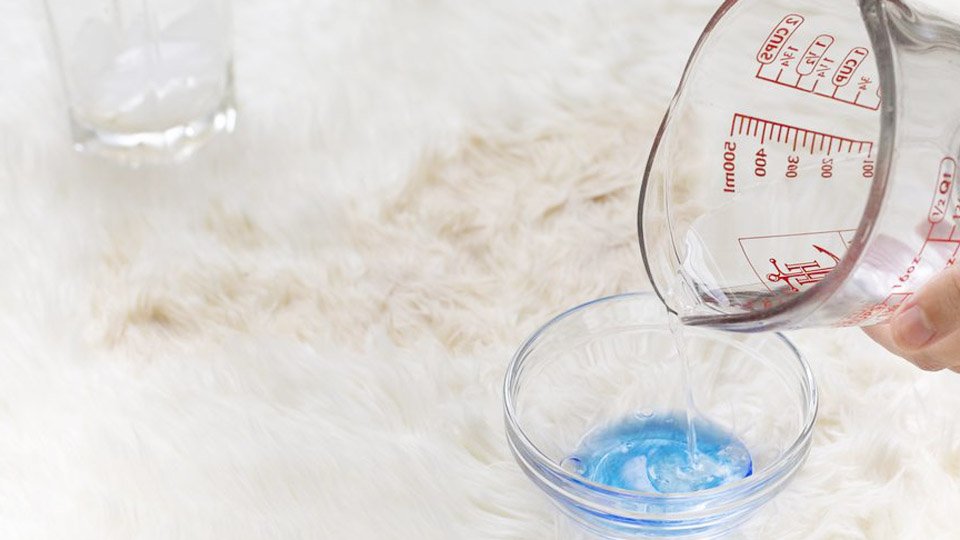
Image by thespruce
Old Soda Stains on Carpet
Old soda stains aren’t just any spill—they’re sneaky because of the sugar and coloring agents in most sodas. Think about that cola or fruit punch; the liquid soaks in fast, but as it dries, the sugars crystallize and bond with the carpet fibers. Over time, this creates a stiff, discolored patch that’s tough to budge.
I’ve encountered these in all sorts of homes, from cozy apartments in Chicago to spacious suburbs in Texas. In my experience, darker sodas like root beer leave deeper hues, while clear ones like lemon-lime might seem invisible at first but attract grime like a magnet.
Why do they set in so stubbornly? It’s the combination of acidity and stickiness. The pH in soda can etch into synthetic fibers common in American carpets, like nylon or polyester, making removal trickier if left untreated.
Why Remove Old Soda Stains Promptly
Letting an old soda stain linger isn’t just lazy—it’s risky. From a health standpoint, that sugary residue becomes a breeding ground for bacteria and allergens, especially in humid areas like Florida homes. I’ve cleaned carpets where ignored spills led to musty odors that affected air quality, making it harder for folks with allergies to breathe easy.
Safety-wise, sticky spots can become slip hazards, particularly for toddlers or elderly family members shuffling around in socks. And let’s talk cost: A small stain ignored can spread, requiring steam cleaning services that run $100–$300 in most US cities. By acting fast, you’re preserving your carpet’s lifespan and avoiding those bills.
In my pro days, I’d always tell clients: Treat it like a fresh wound—clean it quick to prevent scarring. It’s efficient too; early intervention means less elbow grease later.
Materials and Tools You’ll Need
Before diving in, gather your arsenal. You don’t need fancy gadgets; everyday items work wonders.
For basics: White vinegar, dish soap, baking soda, and club soda—these are my go-tos for DIY magic. Grab clean white cloths or paper towels to avoid color transfer, a soft-bristle brush for gentle scrubbing, and a spray bottle for mixing solutions.
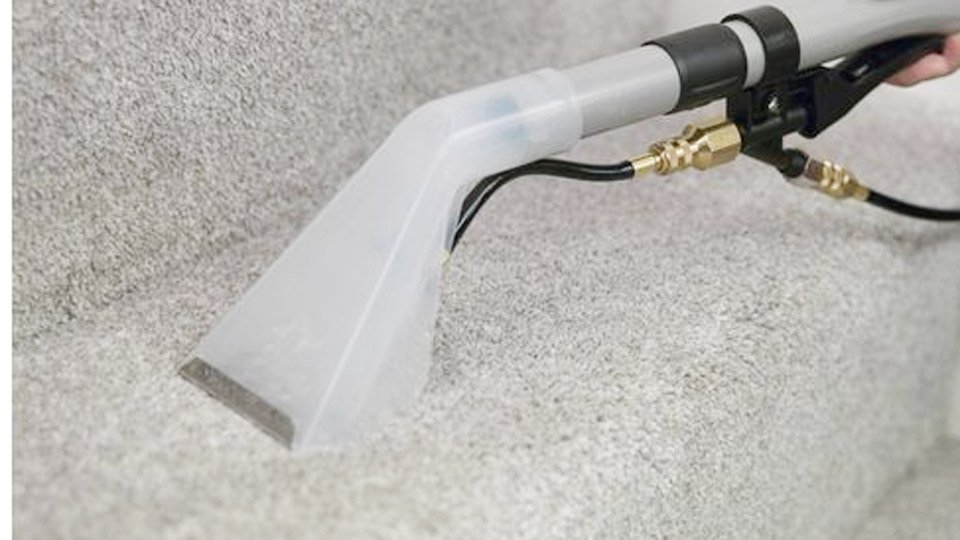
Tools-wise, a vacuum with an upholstery attachment is essential for pre- and post-cleaning. If it’s a tough stain, a carpet steamer rental from Home Depot (around $30/day) can be a game-changer, but start simple.
Safety first: Gloves to protect your hands from chemicals, and ensure good ventilation—open windows to avoid inhaling fumes, especially if kids or pets are around.
I’ve learned the hard way: Using colored towels once bled dye into a client’s beige carpet, turning a soda stain into a rainbow mess. Stick to white!
Step-by-Step Guide to Removing Old Soda Stains
Alright, let’s get hands-on. I’ll walk you through this like we’re side by side in your living room.
First, vacuum the area thoroughly to remove loose dirt and debris. This prevents grinding particles deeper into the fibers. I always do a double pass—once dry, then with the brush attachment to lift any crusted sugar.
Next, blot up any remaining residue. If the stain’s dry, dampen it slightly with warm water using a cloth. Press down firmly but don’t rub; that spreads the mess. I’ve seen folks scrub wildly and end up with a bigger stain—patience is key here.
Now, mix your solution: One part white vinegar to two parts water, with a drop of mild dish soap. Spray it on the stain and let it sit for 5–10 minutes. The vinegar breaks down the acids, while soap lifts the stickiness.
Blot again with a clean cloth, working from the outside in to contain the stain. Repeat if needed, but don’t oversaturate—wet carpet invites mold.
For stubborn spots, sprinkle baking soda over the damp area, let it fizz and absorb for 15 minutes, then vacuum. This neutralizes odors too.
If it’s really set in, try club soda poured directly on, then blot. The carbonation bubbles up the grime naturally.
Finish by rinsing with plain water via spray and blot, then air dry with a fan. I’ve tackled a week-old cola spill on my own rug this way, and it vanished without a trace.
Common Mistakes When Cleaning Soda Stains and How to Avoid Them
One big blunder? Rubbing instead of blotting. It pushes the stain deeper, fraying fibers. Always blot—lift, don’t spread.
Another: Using hot water right away. Heat can set the stain permanently, especially on wool blends. Stick to lukewarm.
Overusing cleaners is common too; too much soap leaves residue that attracts more dirt. I’ve cleaned carpets that felt tacky post-DIY because of this—rinse thoroughly.
Skipping the test patch: Always try your solution on a hidden spot first. Once, a client used bleach on a colored carpet, and poof—faded disaster.
Avoid walking on wet areas; it re-soils instantly. Place a towel or fan to speed drying.
From experience, rushing the process leads to half-results. Take your time for a pro finish.
Pro Tips and Shortcuts from My Cleaning Experience
Here’s where my years on the job shine. For quick fixes, if you’re in a pinch, grab a can of club soda from the fridge—it’s a natural lifter for fresh-ish stains.
Pro tip: Add a few drops of essential oil like lavender to your vinegar mix for a fresh scent without chemicals.
For large stains, section it off with tape to tackle one part at a time—keeps you organized.
I’ve shortcut tough jobs by using a butter knife to gently scrape crusted sugar before vacuuming. Gentle is key; don’t damage fibers.
If you’re a busy parent, do this in stages: Blot at night, treat in the morning. Fits around life.
And always, elevate the carpet edge with books if possible for better airflow during drying—prevents mildew in basements.
DIY Cleaning Solutions for Old Soda Stains
Love DIY? Me too—it’s budget-friendly and often safer.
White vinegar mix: As mentioned, it’s acidic enough to cut through sugar without harshness. Mix 1 cup vinegar, 2 cups water, teaspoon dish soap.
Baking soda paste: For thick residues, mix with water to form a paste, apply, wait 30 minutes, scrub lightly.
Hydrogen peroxide for light carpets: Dilute 3% solution 1:1 with water, but test first—it can bleach dark fibers.
Club soda alone: Pour, blot—simple for on-the-go.
These beat store-bought for eco-friendliness; no plastics or mystery ingredients.
I’ve used the vinegar hack on a rental carpet before moving out—saved my deposit every time.
Commercial Cleaners: What Works Best
Sometimes DIY isn’t enough; enter commercial options.
Enzyme-based cleaners like Nature’s Miracle break down organic matter in sodas effectively. Spray, wait, blot.
Carpet-specific foams like Resolve: Foam it on, agitate with a brush, vacuum dry.
For pros, I swear by Folex—non-toxic, works on old stains without rinsing.
Compare in a table:
| Product Type | Pros | Cons | Best For |
|---|---|---|---|
| Enzyme Cleaners | Breaks down sugars naturally, odor-eliminating | Slower acting, pricier | Pet-friendly homes |
| Foam Sprays | Quick application, no water needed | Can leave residue if not vacuumed well | Busy families |
| Spot Removers | Targeted, fast results | May contain chemicals, test for colorfastness | Rental properties |
Pick based on your carpet type—always read labels.
In my toolkit, Folex has saved countless jobs; it’s gentle yet powerful.
Eco-Friendly Options for Stain Removal
Going green? Absolutely doable and effective.
Opt for plant-based soaps like Seventh Generation dish liquid in your mixes—biodegradable and safe.
Baking soda and vinegar are inherently eco; no waste.
Cornstarch alternative: Sprinkle to absorb, then vacuum—natural and cheap.
Essential oils for scent, but dilute properly.
I’ve switched clients to these in eco-conscious California homes; results match chemicals without the guilt.
Safety: These are kid-safe, but still ventilate and glove up.
Safety Precautions During Cleaning
Can’t stress this enough: Safety first.
Wear gloves to avoid skin irritation from acids or soaps.
Ventilate—open windows, use fans to disperse vapors, especially in small apartments.
Keep kids and pets away; set up barriers. Once, my dog licked a treated spot—harmless vinegar, but better safe.
If using peroxide, protect eyes and don’t mix with other chemicals.
For asthmatics, stick to low-odor options.
In humid US regions like the Southeast, dry completely to avoid mold—use dehumidifiers if needed.
From experience: A quick safety check prevents bigger issues.
Dealing with Different Carpet Types
Not all carpets are equal.
For nylon (common in US homes): Vinegar works great, but avoid abrasives.
Wool: Gentler—club soda or mild soap; no vinegar, as it can damage natural fibers.
Berber or loop styles: Be extra careful blotting; pulling can unravel loops.
Shag: Vacuum first, then treat sections to avoid matting.
I’ve cleaned antique wool rugs in older East Coast homes—patience and mild methods preserve them.
Test always; what works on one might ruin another.
Quick Fixes for Related Spills
Soda’s not alone; similar for juice or wine.
For fresh spills: Blot immediately with paper towels.
Sticky candy messes: Freeze with ice, then scrape.
Coffee: Similar vinegar mix, but add salt for absorption.
These quickies have bailed me out during parties—act fast!
Prevention Tips to Avoid Future Stains
Best cure? Prevention.
Use coasters or no-drink zones in carpeted areas—family rule in my house.
Spill-proof cups for kids; saved my sanity.
Regular vacuuming twice weekly keeps fibers resilient.
Apply Scotchgard or similar protectant annually—repels liquids.
In rainy Pacific Northwest homes, I’ve advised door mats to track less in.
Simple habits mean fewer cleanups.
Maintenance After Stain Removal
Post-clean, maintain for longevity.
Vacuum weekly, deep clean quarterly with a steamer.
Spot check monthly; early catches prevent old stains.
Rotate furniture to even wear.
In sunny Southwest homes, UV protectants prevent fading around cleaned spots.
Keeps your carpet looking new longer.
When to Call a Professional
DIY fails? Time for pros.
If stain persists after two tries, or carpet smells moldy.
Large areas or valuable antiques—don’t risk it.
In the US, services like Stanley Steemer offer guarantees.
I’ve referred clients when my methods hit limits; pros have industrial tools.
Costs $0.25–$0.50 per sq ft—worth it for peace.
Conclusion
Whew, we’ve covered a lot, but now you’re armed to tackle those old soda stains like a pro. From understanding the sticky science to step-by-step blotting and eco options, the key is acting thoughtfully with the right tools.
You’ll clean faster by prepping materials ahead, smarter with DIY mixes that save cash, and safer by ventilating and testing patches. Keep a “stain kit” in your closet—vinegar, cloths, baking soda ready to go—for instant response next time. Your carpet (and sanity) will thank you.
FAQ
What if the soda stain has an odor?
Odors often linger from bacteria in the sugar. After stain removal, sprinkle baking soda liberally, let sit overnight, then vacuum. For tougher smells, a vinegar spray neutralizes without masking. I’ve used this on pet-accident overlaps with soda spills—works every time.
Can I use bleach on soda stains?
Avoid bleach unless your carpet is white and synthetic— it can discolor or damage fibers. Opt for peroxide on light carpets, diluted. Test in a corner first. In my experience, bleach has ruined more carpets than it saved.
How long does it take for the carpet to dry after cleaning?
Typically 4–6 hours with good airflow, but up to 24 in humid spots. Use fans or open windows to speed it up. Walking on damp carpet re-dirties it, so patience pays off.
Are there pet-safe ways to remove soda stains?
Yes, stick to vinegar, baking soda, or enzyme cleaners labeled pet-friendly. Avoid ammonia-based products. I’ve cleaned around curious cats— these options keep everyone safe.
What if the stain is on a rental carpet?
Document before and after with photos for your records. Use gentle methods to avoid damage fees. If it’s old when you move in, note it on the lease. Quick DIY often suffices without landlord hassle.