You know that moment when you’ve just finished cooking a big family dinner, the food was amazing, but then you glance over at your electric stovetop—and it looks like a battlefield? Spills, grease spots, and little burnt-on bits that seem determined to stay forever. I’ve been there more times than I can count, and trust me, leaving it “for later” only makes the mess harder to deal with.
That’s exactly why learning How to Properly Clean an Electric Stovetop? is so important—it’s not just about keeping your kitchen looking nice, but also about preventing buildup, saving time, and making cooking feel a whole lot less stressful. Over the years, I’ve picked up a few tricks that make this chore much easier, and I’m excited to share them with you.
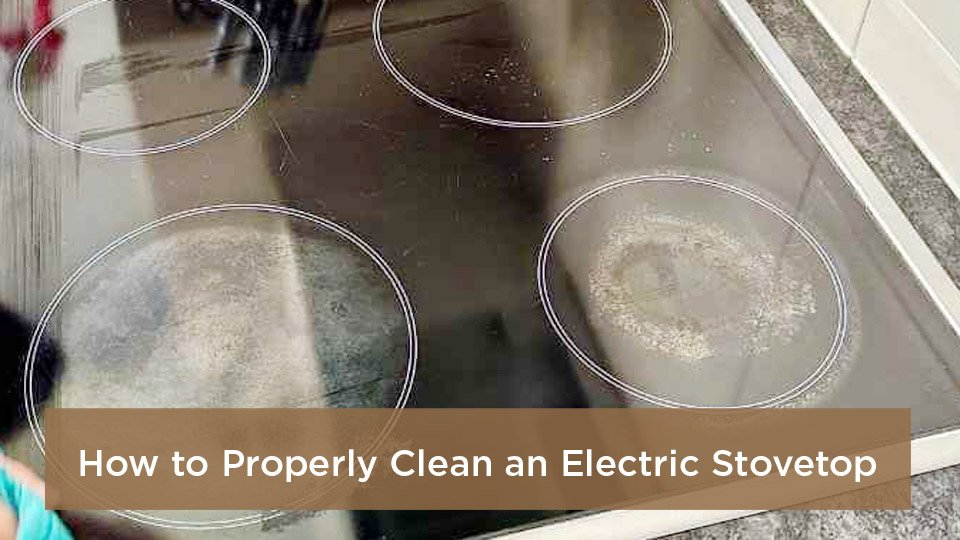
Image by maid2match
Why Cleaning Your Electric Stovetop Matters
What It Is
An electric stovetop, whether it’s a classic coil burner or a sleek glass-ceramic surface, is the heart of most American kitchens. It’s where you whip up family dinners, simmer soups, or fry up weekend breakfasts. But it’s also a magnet for spills, grease, and burnt-on food that can build up fast if not cleaned properly.
Why It’s Needed
A dirty stovetop isn’t just an eyesore. Grease and food residue can create fire risks, especially with electric coils that heat up quickly. Built-up grime can also affect cooking performance, making burners less efficient.
From a hygiene standpoint, leftover food particles can harbor bacteria or attract pests. Regular cleaning extends the life of your appliance, saves you money, and keeps your kitchen a healthy space for your family.
When to Clean
Clean your stovetop after every major cooking session to prevent buildup. For deep cleaning, aim for once a week if you cook daily, or biweekly for lighter use. Spills like sugary syrups or starchy pasta water need immediate attention to avoid hardening into stubborn stains.
Electric Stovetop Type
What It Is
Electric stovetops come in two main types: coil burners and smooth glass-ceramic surfaces. Coil burners have exposed metal heating elements, while glass-top stoves have a flat, glossy surface that hides the elements underneath. Each requires slightly different cleaning approaches due to their design.
Why It Matters
Coil stovetops are prone to grease collecting in drip pans, while glass-ceramic tops are more susceptible to scratches and burnt-on stains. Knowing your stovetop type ensures you use the right tools and methods to avoid damage.
Common Mistakes to Avoid
Using abrasive scrubbers on glass tops can cause scratches, while neglecting drip pans on coil stoves leads to rust and odors. Never use harsh chemicals like bleach, which can damage surfaces or leave toxic residues.
Pro Tip
Check your stovetop’s manual (or look up the model online) for manufacturer-specific cleaning recommendations. Some brands, like GE or Frigidaire, suggest particular products for their glass-top models.
Step-by-Step Guide to Cleaning a Coil Electric Stovetop
What It Is
Coil stovetops feature removable metal heating elements and drip pans that catch spills. They’re common in older homes or apartments and require a bit more elbow grease to clean than glass tops.
Why It’s Needed
Drip pans and coils collect grease, food splatter, and crumbs, which can smoke or burn during cooking. Cleaning them regularly prevents odors, improves heating efficiency, and keeps your kitchen looking sharp.
Step-by-Step Cleaning Process
Turn Off and Cool Down: Always ensure the stovetop is off and completely cool to avoid burns or electric shock. I once made the mistake of cleaning a warm coil—let’s just say the sizzle wasn’t worth it.
Remove Coils and Drip Pans: Gently pull the coils out of their sockets (they usually pop out with a tug). Lift out the drip pans underneath. If they’re stuck, wiggle gently to avoid bending them.
Soak Drip Pans: Fill your sink with hot, soapy water (dish soap works great). Submerge the drip pans for 15–20 minutes to loosen grease. For stubborn stains, add a splash of white vinegar to the soak.
Clean the Coils: Wipe coils with a damp cloth or sponge dipped in soapy water. Avoid submerging them, as water can damage the electrical components. For burnt-on spots, use a soft brush or a damp microfiber cloth with a sprinkle of baking soda.
Scrub Drip Pans: Use a non-abrasive sponge to scrub the drip pans. For tough stains, make a paste with baking soda and water, apply it, and let it sit for 10 minutes before scrubbing.
Clean the Stovetop Surface: Wipe down the stovetop base with a soapy sponge, focusing on areas around the burners. A toothbrush is great for getting into crevices.
Rinse and Dry: Rinse drip pans thoroughly and dry them with a microfiber cloth to prevent rust. Dry the coils and stovetop surface completely.
Reassemble: Place the drip pans back, then reinsert the coils, ensuring they’re securely connected.
Common Mistakes to Avoid
- Don’t use steel wool or abrasive pads, as they can scratch drip pans or damage coils.
- Avoid soaking coils in water—it can ruin them. I learned this the hard way when a coil sparked after a too-enthusiastic cleaning.
- Don’t skip drying the drip pans; moisture leads to rust, which is a pain to clean later.
Pro Tips and Shortcuts
- Line Drip Pans with Foil: For easy maintenance, line clean drip pans with aluminum foil. Replace the foil weekly to cut down on scrubbing.
- Quick Fix for Grease: Sprinkle baking soda on fresh grease spills while the pan is still warm (but not hot), then wipe with a damp cloth for a quick clean.
- Eco-Friendly Option: Swap chemical cleaners for a vinegar and baking soda combo—it’s safe, effective, and cheap.
Step-by-Step Guide to Cleaning a Glass-Ceramic Electric Stovetop
What It Is
Glass-ceramic stovetops (like those from brands such as Whirlpool or Samsung) have a smooth, flat surface that looks sleek but shows every smudge and burn mark.
Why It’s Needed
Burnt-on food, grease, and streaks can make a glass stovetop look dingy and affect its performance. Proper cleaning prevents scratches and keeps the surface shiny, which is especially important for renters who want to maintain their deposit.
Step-by-Step Cleaning Process
Ensure It’s Cool: Wait until the stovetop is completely cool. Glass tops retain heat longer than coils, so double-check to avoid burns.
Wipe Off Loose Debris: Use a dry microfiber cloth to remove crumbs or loose food particles. This prevents scratching during deeper cleaning.
Apply a Cleaner: Use a glass stovetop cleaner (like CeramaBryte or Weiman) or a DIY solution of equal parts white vinegar and water. Spray or pour a small amount onto the surface.
Tackle Burnt-On Stains: For stubborn spots, sprinkle baking soda over the stain, then lay a warm, damp cloth over it for 10–15 minutes. This softens the gunk. Gently scrub with a non-abrasive pad (like a Scotch-Brite blue pad).
Wipe Clean: Use a damp microfiber cloth to wipe away the cleaner and residue. Rinse the cloth frequently to avoid spreading grime.
Polish for Shine: Dry the surface with a clean microfiber cloth. For extra sparkle, buff with a small amount of white vinegar on a dry cloth.
Check for Streaks: If streaks remain, repeat the vinegar wipe-down or use a dedicated glass stovetop polish.
Common Mistakes to Avoid
- Never use abrasive scrubbers like steel wool or green scrub pads—they’ll scratch the glass.
- Don’t use generic household cleaners (like Windex); they can leave residue or damage the surface.
- Avoid letting sugary spills sit—they harden into a glue-like mess that’s tough to remove.
Pro Tips and Shortcuts
- Razor Blade Trick: For caked-on stains, use a razor blade at a 45-degree angle (carefully!) to scrape them off. I’ve saved many a glass top this way, but test in a small area first.
- Eco-Friendly Hack: Mix vinegar and water in a spray bottle for a budget-friendly, non-toxic cleaner.
- Prevent Streaks: Always use microfiber cloths for drying—they’re lint-free and reduce smudges.
Cleaning Products for Electric Stovetops
| Product Type | Best For | Pros | Cons | Eco-Friendly? |
|---|---|---|---|---|
| Commercial Glass Stovetop Cleaner (e.g., CeramaBryte) | Glass-ceramic stovetops | Fast-acting, removes tough stains, leaves a polished finish | Can be pricey, may contain chemicals | No |
| White Vinegar | Both coil and glass stovetops | Cheap, non-toxic, effective on grease and stains | Slower for burnt-on stains, slight odor | Yes |
| Baking Soda | Both types, especially for stubborn stains | Non-abrasive, affordable, eco-friendly | Requires more scrubbing, can leave residue if not rinsed well | Yes |
| Dish Soap | Coil stovetops, drip pans | Cuts grease, widely available, safe | Less effective on burnt-on stains | Varies (look for eco-friendly brands) |
| Microfiber Cloths | Both types, for wiping and polishing | Lint-free, reusable, prevents scratches | Needs frequent washing | Yes |
Safety Precautions for Cleaning Electric Stovetops
What It Is
Cleaning a stovetop involves heat, electricity, and potentially harsh cleaners, so safety is key to avoid injury or damage.
Why It’s Needed
Electric stovetops can pose risks like burns, electric shock, or chemical irritation if not handled properly. Safety measures protect you, your family, and your appliance.
Safety Tips
Unplug or Turn Off: For coil stovetops, unplug the appliance if possible. For glass tops, ensure the power is off at the control panel.
Ventilation: Open a window or turn on the kitchen fan when using vinegar or commercial cleaners to avoid inhaling fumes.
Gloves: Wear rubber gloves to protect your hands from hot surfaces or cleaners, especially if you have sensitive skin.
Child Safety: Keep kids and pets away while cleaning, especially if using a razor blade or strong chemicals.
Dry Thoroughly: Ensure all parts are dry before reassembling to prevent electrical issues or rust.
Common Mistake to Avoid
Don’t clean while the stovetop is hot or plugged in—I’ve seen a client try this, and it led to a scary spark. Always prioritize safety over speed.
Maintenance Tips to Keep Your Stovetop Clean Longer
What It Is
Maintenance involves small, regular actions to prevent major cleaning sessions and keep your stovetop in top shape.
Why It’s Needed
Preventive care saves time, reduces deep-cleaning frequency, and extends your stovetop’s lifespan. It’s especially crucial for renters who want to avoid move-out deductions.
Maintenance Tips
Wipe After Every Use: A quick wipe with a damp cloth after cooking prevents grease buildup.
Use Drip Pan Liners: For coil stovetops, foil liners or reusable silicone liners make cleanup easier.
Avoid Sugary Spills: Clean up sugary or starchy spills immediately to prevent them from hardening.
Check Coils Regularly: Inspect coils for damage or wear and replace them if they’re bent or not heating evenly.
Polish Glass Tops Weekly: A quick vinegar buff keeps glass stovetops shiny and prevents streak buildup.
Pro Tip
Set a weekly reminder on your phone for a 5-minute stovetop check. It’s a game-changer for keeping messes under control.
Anecdotes from the Cleaning Trenches
I’ll never forget the time I helped a client clean a glass stovetop that looked like it had survived a marinara sauce explosion. The burnt-on red stains were intimidating, but a baking soda paste and a little patience worked wonders.
I tackled a coil stovetop in an apartment where the drip pans hadn’t been cleaned in years—rusty and caked with grease. Soaking them in vinegar and hot water saved the day, and the tenant was thrilled to avoid a landlord fee. These experiences taught me that no mess is too big with the right approach.
Conclusion: Clean Smarter, Not Harder
Cleaning an electric stovetop doesn’t have to be a chore. Whether you’re dealing with a coil burner or a glass-ceramic surface, the steps I’ve shared—wiping down after use, using safe cleaners like vinegar or baking soda, and tackling stains with patience—will keep your kitchen sparkling.
You’ll save time, avoid costly repairs, and create a safer cooking environment. Keep a spray bottle of vinegar and water under your sink for quick cleanups—it’s a lifesaver for busy days.
FAQ
How do you remove burnt-on food from a glass stovetop?
Sprinkle baking soda over the stain, cover with a warm, damp cloth for 15 minutes, then gently scrub with a non-abrasive pad. For tough spots, carefully use a razor blade at an angle.
Can I use vinegar to clean my electric stovetop?
Yes, vinegar is safe and effective for both coil and glass stovetops. Mix it with water for general cleaning or use it straight for tough grease stains.
How often should I clean my electric stovetop?
Wipe it down after every use to prevent buildup. Deep clean weekly for heavy use or biweekly for lighter cooking.
What’s the best cleaner for a glass stovetop?
Dedicated cleaners like CeramaBryte work well, but a DIY mix of vinegar and baking soda is just as effective and eco-friendly.
How do I prevent scratches on my glass stovetop?
Use microfiber cloths or non-abrasive pads, avoid steel wool, and clean up abrasive crumbs before scrubbing.