I walked barefoot across my living room and instantly regretted it — that gritty feeling under my feet reminded me I’d been putting off mopping for far too long. It’s funny how we notice dusty floors only when we feel them! That moment got me thinking about why floor cleaning is important — not just for looks, but for our health and comfort too.
Clean floors mean fewer allergens floating around, fewer germs hitching a ride, and a home that feels truly fresh. I’ve learned the hard way that a few minutes spent cleaning now saves hours of scrubbing (and sneezing) later.
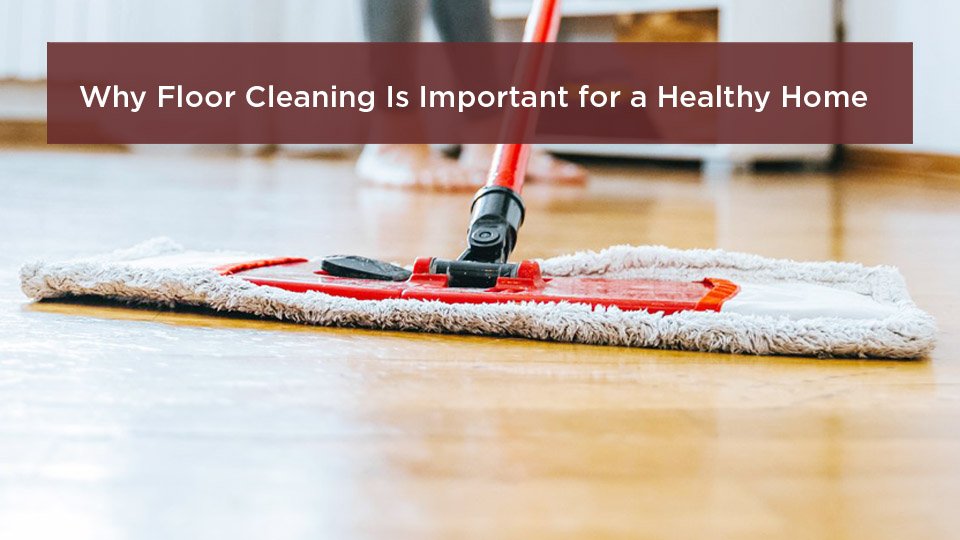
Photo by goodhousekeeping
Why Clean Floors Matter in Everyday Life
Floors are the foundation of your home—literally. They’re where kids play, pets nap, and you walk barefoot after a long day. But they’re also a magnet for dirt, bacteria, and allergens. I once cleaned a client’s kitchen floor that looked “fine” but was hiding a layer of grease and crumbs that attracted ants overnight.
Regular floor cleaning prevents health risks like mold or dust mites, keeps your home safe from slippery spots, and extends the life of your flooring. Plus, it saves time and money by avoiding costly repairs or replacements. A clean floor just feels good—it’s like giving your home a fresh start.
The Health and Hygiene Connection
What It Is
Floors collect everything: dust, pet dander, spilled food, tracked-in dirt. These can become breeding grounds for bacteria, allergens, and even pests if left unchecked. In homes with kids or pets, this is a bigger deal than you might think.
Why It’s Needed
Dirty floors can trigger allergies, asthma, or skin irritations. I’ve seen families struggle with sneezing fits because dust bunnies were piling up under furniture. Germs like E. coli or salmonella can linger on kitchen floors after raw meat spills. Clean floors reduce these risks and make your home a healthier place to live.
Step-by-Step Cleaning Process
Clear the Area: Move small furniture, toys, or rugs. I once tripped over a kid’s toy truck mid-sweep—lesson learned.
Dry Clean First: Sweep or vacuum to remove loose dirt. Use a microfiber dust mop for hardwoods or a vacuum with a hard-floor setting for tiles.
Spot Clean Stains: Dab sticky spots with a damp cloth and mild cleaner (like dish soap and water). Avoid soaking the floor.
Wet Mop: Use a damp (not dripping) mop with a cleaner suited for your floor type. For example, vinegar works on tile but can dull hardwood.
Dry Thoroughly: Wipe down with a dry cloth or let air dry to prevent water damage or slips.
Common Mistakes to Avoid
Overwetting: Too much water can warp wood or seep into tile grout. I ruined a cheap mop once by soaking it—now I wring it out tight.
Wrong Cleaner: Harsh chemicals can strip finishes. Always check your floor’s care instructions.
Skipping Sweeping: Mopping over grit scratches surfaces. I learned this the hard way on a client’s glossy laminate.
Pro Tips and Shortcuts
Quick Fix: Keep a spray bottle with a 1:1 vinegar-water mix for spot cleaning tile or linoleum.
Eco-Friendly Option: Baking soda paste works wonders on scuffs. Rub gently with a cloth, then wipe clean.
Safety Reminder: Ventilate when using strong cleaners, and keep kids/pets away until the floor dries.
Safety: Preventing Slips and Falls
What It Is
Slippery floors from spills, grease, or over-polished surfaces can cause accidents. I once skidded across a freshly waxed floor in a client’s home—thankfully, I caught myself!
Why It’s Needed
Falls are a leading cause of household injuries, especially for kids or elderly family members. Clean, dry floors with proper traction reduce this risk.
Step-by-Step Cleaning Process
Identify Hazards: Check for oily spots (kitchens) or wet patches (bathrooms). I always scan for spills before starting.
Clean Spills Immediately: Use a cloth with warm, soapy water to remove grease or sticky residue.
Use Non-Slip Cleaners: Avoid waxy polishes on high-traffic areas. I like Bona for wood floors—it cleans without leaving a slick film.
Add Traction: Place non-slip mats in entryways or near sinks. I recommend washable cotton ones for easy upkeep.
Dry Completely: Use a fan or open windows to speed drying.
Common Mistakes to Avoid
- Ignoring Spills: A small juice spill can turn into a sticky hazard. Clean it up right away.
- Over-Polishing: Too much wax makes floors dangerously slick. Use polish sparingly, maybe once a year.
- Cluttered Floors: Toys or cords increase tripping risks. Keep pathways clear.
Pro Tips and Shortcuts
DIY Traction: Sprinkle a little cornstarch on greasy spots before wiping—it absorbs oil fast.
Eco-Friendly Option: Use a microfiber mop with just water for daily touch-ups; it grabs dirt without chemicals.
Safety Reminder: Wear gloves when handling cleaners to avoid skin irritation, especially with bleach-based products.
Extending the Life of Your Floors
What It Is
Different floors—hardwood, tile, vinyl, carpet—require specific care to avoid wear and tear. I’ve seen beautiful oak floors scratched to death from improper cleaning.
Why It’s Needed
Neglected floors can crack, fade, or stain, leading to expensive repairs. Regular cleaning preserves their look and saves you from replacement costs.
Step-by-Step Cleaning Process
Know Your Floor Type: Check if it’s sealed hardwood, porcelain tile, or loop-pile carpet. Each needs different care.
Vacuum Weekly: Use a vacuum with adjustable settings to avoid scratching hard surfaces or pulling carpet fibers.
Spot Treat Stains: For carpets, blot (don’t rub) with a mix of water and mild detergent. For hardwood, use a manufacturer-approved cleaner.
Deep Clean Seasonally: Steam clean carpets or polish hardwoods every 3–6 months, depending on traffic.
Protect Surfaces: Use felt pads under furniture legs and rugs in high-traffic areas.
Common Mistakes to Avoid
Using Steam on Hardwood: Steam can ruin wood’s finish. I learned this after a client’s floor buckled.
Harsh Scrubbing: Abrasive pads can scratch delicate surfaces like vinyl. Use soft cloths instead.
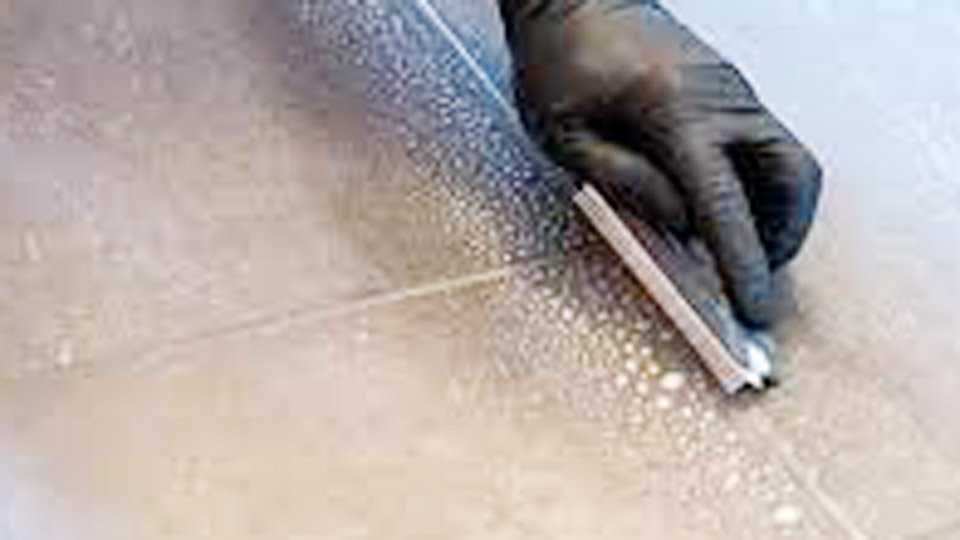
Neglecting Grout: Dirty grout makes tile floors look dingy. Clean it with a baking soda paste and a toothbrush.
Pro Tips and Shortcuts
Quick Fix: For scuffed hardwood, rub a walnut (yes, the nut!) over the mark—it hides scratches like magic.
Eco-Friendly Option: Use castile soap for vinyl floors; it’s gentle and biodegradable.
Safety Reminder: Store cleaning tools upright to avoid falling handles, especially if kids are around.
Comparison of Floor Cleaning Products
| Product Type | Best For | Pros | Cons | Eco-Friendly Alternative |
|---|---|---|---|---|
| All-Purpose Cleaner | Tile, Vinyl | Versatile, affordable | May leave residue | Vinegar + water mix |
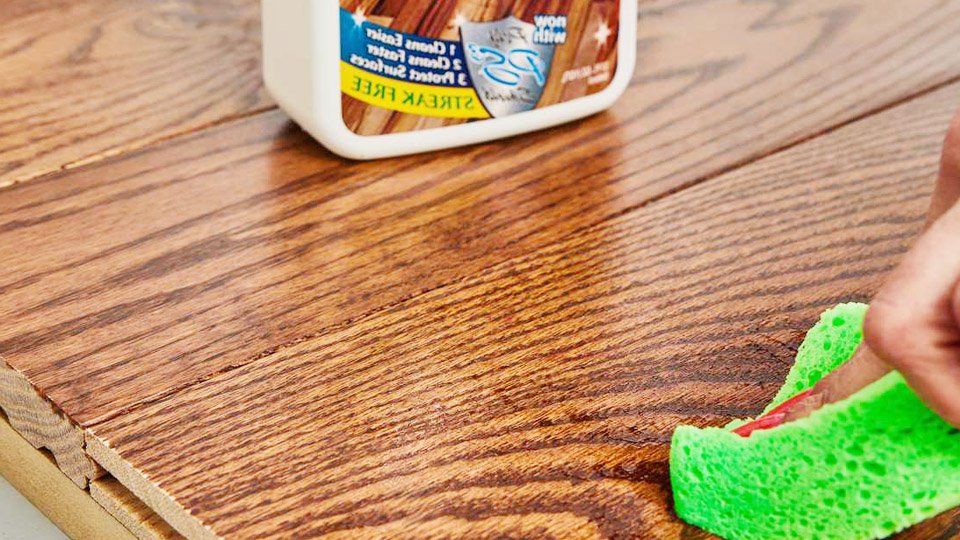
| Wood Floor Cleaner | Hardwood, Laminate | Protects finish | Can be pricey | Diluted castile soap |
| Carpet Shampoo | Carpets, Rugs | Deep cleans | Long drying time | Baking soda + vacuum |
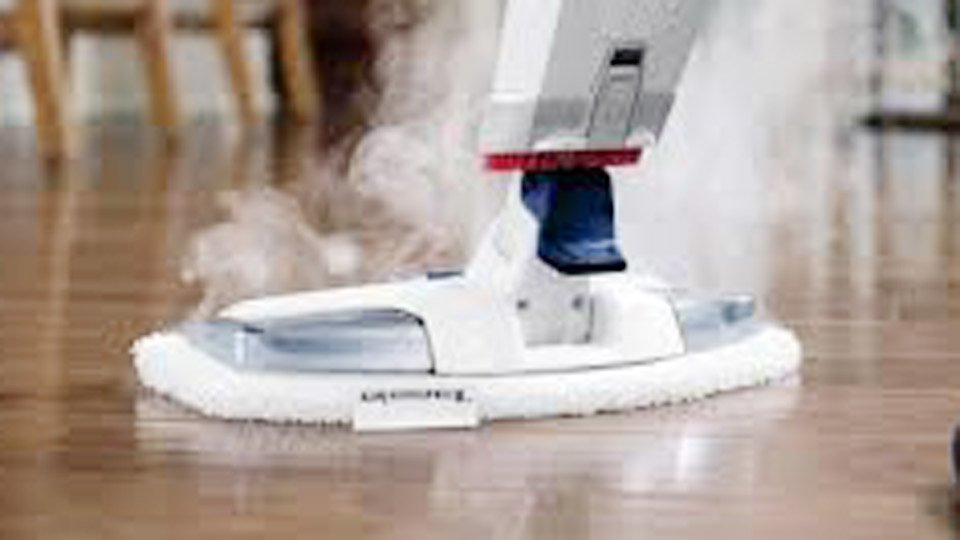
| Steam Mop | Tile, Sealed Floors | Chemical-free | Not for wood | Microfiber mop + water |
| Disinfectant | Bathrooms, Kitchens | Kills germs | Harsh chemicals | Hydrogen peroxide |
Time and Cost Savings Through Regular Cleaning
What It Is
Regular floor cleaning prevents big messes that take hours to fix or require professional help. I once spent an entire afternoon scrubbing a client’s neglected tile grout because they skipped routine cleaning.
Why It’s Needed
Small, consistent efforts save time compared to tackling caked-on dirt. Plus, clean floors last longer, reducing repair or replacement costs.
Step-by-Step Cleaning Process
- Daily Maintenance: Sweep or vacuum high-traffic areas like entryways or kitchens.
- Weekly Mopping: Use a damp mop with a mild cleaner for hard floors or spot-clean carpets.
- Monthly Deep Clean: Focus on corners, baseboards, and under furniture.
- Seasonal Overhaul: Rent a carpet cleaner or polish hard floors for a like-new look.
Common Mistakes to Avoid
- Procrastinating: Waiting too long makes messes harder to clean. A quick sweep daily beats a marathon session.
- Cheap Tools: Flimsy mops break fast. Invest in a sturdy microfiber mop—it’s worth it.
- Overusing Cleaner: Too much product leaves sticky residue, attracting more dirt.
Pro Tips and Shortcuts
- Quick Fix: Keep a handheld vacuum by the door for quick dirt pickups.
- Eco-Friendly Option: Reuse old towels for mopping instead of buying disposable pads.
- Safety Reminder: Store cleaners out of kids’ reach, preferably in a locked cabinet.
Cleaning Different Floor Types: A Practical Guide
What It Is
Each floor type—hardwood, tile, carpet, vinyl—has unique cleaning needs. I’ve cleaned everything from shag carpets to sleek porcelain, and trust me, one-size-fits-all doesn’t work.
Why It’s Needed
Using the wrong method can damage floors or waste time. Knowing your floor type ensures you clean effectively without causing harm.
Step-by-Step Cleaning Process
- Hardwood: Sweep daily, mop weekly with a wood-safe cleaner. Avoid water pooling.
- Tile: Sweep, then mop with a vinegar-water mix. Scrub grout with a toothbrush monthly.
- Carpet: Vacuum weekly, spot-clean spills immediately, and steam clean every 6 months.
- Vinyl: Sweep or vacuum, then mop with a mild soap solution. Avoid abrasive scrubbers.
Common Mistakes to Avoid
- Mixing Methods: Don’t use carpet cleaner on hardwood—it’ll strip the finish.
- Skipping Rugs: Area rugs trap dirt. Vacuum under them, not just around.
- Ignoring Manufacturer Guides: Some floors need specific products. Check labels.
Pro Tips and Shortcuts
- Quick Fix: For pet hair on carpets, use a rubber squeegee—it pulls hair up fast.
- Eco-Friendly Option: Use a reusable microfiber cloth for all floor types; it’s versatile and sustainable.
- Safety Reminder: Test new cleaners on a small, hidden spot first to avoid discoloration.
Anecdotes from the Field
I’ll never forget the time I cleaned a rental apartment where the tenant hadn’t mopped the kitchen floor in months. The linoleum was sticky, and I found a dried-up spaghetti noodle glued to the corner.
It took elbow grease, a vinegar-soaked cloth, and a lot of patience to restore it. That experience taught me the value of quick daily cleanups to avoid monster messes.
Another time, a client’s dog tracked mud across a white carpet right before a house party. A quick sprinkle of baking soda and some frantic blotting saved the day. These moments remind me: cleaning isn’t glamorous, but it’s rewarding when you see the results.
Conclusion: Cleaner Floors, Smarter Living
Floor cleaning isn’t just a chore—it’s a game-changer for your home’s health, safety, and longevity. By tackling dirt, spills, and grime regularly, you’ll breathe easier, avoid accidents, and save money on repairs.
Whether you’re scrubbing hardwood with a microfiber mop or spot-cleaning carpet with a DIY solution, the steps I’ve shared come from years of getting my hands dirty.
You can clean faster by keeping tools handy, smarter by choosing the right products, and safer by prioritizing ventilation and non-slip surfaces. Set a 10-minute timer daily for a quick sweep or mop—it’s amazing how much you can get done, and your floors will thank you.
FAQ: Common Floor Cleaning Questions
Why does my floor still look dirty after mopping?
You might be skipping the sweeping step or using too much cleaner, leaving residue. Always sweep first, and use a damp (not soaked) mop with a small amount of cleaner. Rinse your mop often to avoid spreading dirt.
How often should I clean my floors?
Daily sweeping or vacuuming in high-traffic areas is ideal. Mop hard floors weekly and deep-clean carpets every 6 months. Adjust based on pets, kids, or spills.
Can I use vinegar on all floors?
Vinegar is great for tile and vinyl but can dull hardwood or laminate finishes. Check your floor’s care guide, and dilute vinegar with water for safe use.
What’s the best eco-friendly floor cleaner?
A mix of water, vinegar, and a drop of dish soap works for most hard floors. For carpets, sprinkle baking soda, let it sit, then vacuum. Always test first!
How do I clean grout without harsh chemicals?
Mix baking soda and water into a paste, apply to grout, and scrub with a toothbrush. Rinse with a damp cloth. It’s effective and safe for households with kids or pets.