You know that moment when you sit down on your favorite couch and suddenly notice the dull spots, a few mysterious stains, and maybe even a musty smell? No matter how tidy the rest of your home is, dirty furniture can make the whole space feel less fresh. That’s when I learned the magic of steam cleaning! If you’ve ever wondered how to use a steam cleaner on furniture, you’re not alone — I had no clue where to start at first.
But once I figured it out, it completely changed my cleaning routine. It’s not just about appearances either — steam cleaning helps remove allergens, bacteria, and odors, keeping your home healthier and your furniture feeling like new.
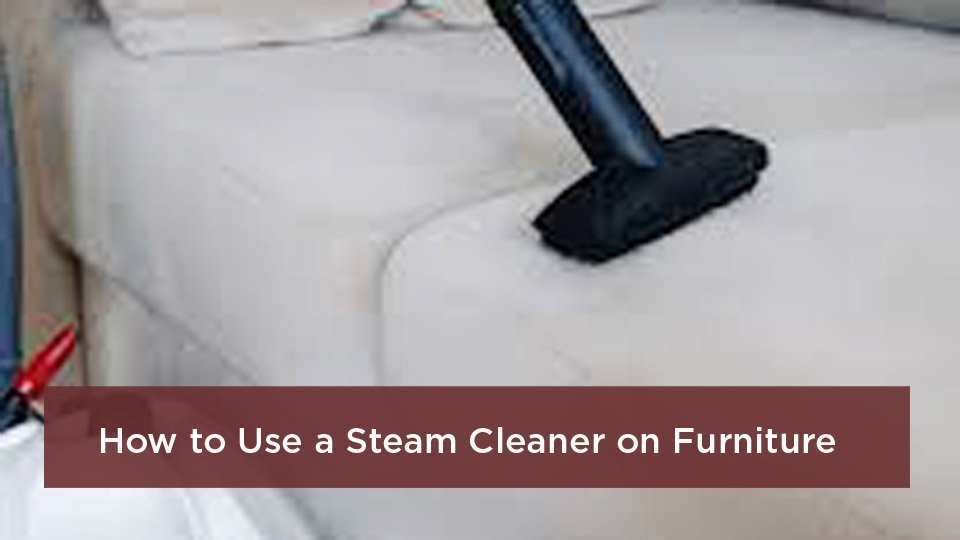
Photo by thea2zfurniture
Why Steam Cleaning Furniture Matters
Steam cleaning isn’t just about making your furniture look good—it’s about creating a healthier home. Dust mites, pet dander, and allergens love to hide in upholstery, triggering allergies or asthma. As someone who’s vacuumed countless couches only to see pet hair and crumbs resurface, I can vouch that steam cleaning digs deeper. It sanitizes, kills bacteria, and removes odors without leaving chemical residues that could harm kids or pets.
It’s also a cost-saver. Professional cleaning services can cost $100–$300 per piece of furniture, but a decent steam cleaner (under $200) pays for itself after a few uses. Plus, it’s eco-friendly—no need for store-bought sprays that harm the planet. For busy families or renters, it’s a time-efficient way to refresh furniture between deep cleans, keeping your space guest-ready.
What Is a Steam Cleaner and How Does It Work on Furniture?
What It Is
A steam cleaner is a device that heats water to a high temperature, creating hot vapor (steam) that’s released through a nozzle or attachment. For furniture, you typically use a handheld steam cleaner or an upholstery attachment on a larger machine. The steam penetrates fabric, loosening dirt, stains, and allergens, which you then wipe away or vacuum up.
Why It’s Needed
Furniture takes a beating—spills, pet hair, sweat, and dust all build up over time. Regular vacuuming helps, but it doesn’t sanitize or tackle deep stains. Steam cleaning uses heat (often 200°F or higher) to kill germs, mold, and dust mites while lifting grime. It’s perfect for reviving old furniture or maintaining new pieces.
Step-by-Step Process
Check the Fabric Tag: Look for cleaning codes (W, S, WS, or X). “W” or “WS” means water-based cleaning (steam) is safe. “S” or “X” means no water—skip steam cleaning to avoid damage.
Vacuum Thoroughly: Use a brush attachment to remove loose dirt, hair, and debris. I once skipped this step and ended up with muddy streaks—lesson learned!
Pre-Treat Stains: Dab (don’t rub!) stains with a mild dish soap solution (1 tsp soap to 1 cup water). Let it sit for 5 minutes.
Fill the Steam Cleaner: Use distilled water to avoid mineral buildup. Follow your machine’s instructions—mine holds about 12 ounces for 20 minutes of cleaning.
Test a Small Area: Steam a hidden spot (like under a cushion) to ensure no color fading or fabric damage.
Steam in Sections: Work in small, overlapping patches (about 12×12 inches). Hold the steamer 1–2 inches above the fabric and move slowly. Use the upholstery attachment for even steam flow.
Wipe or Vacuum Excess Moisture: Use a clean microfiber cloth to blot wet areas or a wet/dry vac for faster drying.
Dry Completely: Open windows or use a fan to speed drying (4–8 hours). Avoid sitting on damp furniture to prevent mold.
Common Mistakes to Avoid
- Over-Wetting: Too much steam can soak the fabric, leading to mold or mildew. Use short bursts and blot excess moisture.
- Skipping the Test Patch: I once faded a client’s velvet chair because I didn’t test first. Always check for colorfastness.
- Using Tap Water: Minerals in tap water can clog your machine. Distilled water is a must.
- Rushing the Process: Steam cleaning takes time. Rushing leaves wet spots or uneven cleaning.
Pro Tips
- Work in a well-ventilated area to avoid inhaling steam or mold spores.
- For pet odors, add a drop of white vinegar to the water tank (check your manual first).
- Clean your steamer’s tank after each use to prevent buildup.
Choosing the Right Steam Cleaner for Furniture
What It Is
Steam cleaners for furniture come in two main types: handheld (compact, budget-friendly) and canister (larger, more powerful). Handheld models are great for small jobs, while canister models handle bigger pieces or multiple rooms.
Why It’s Needed
The right machine makes all the difference. A weak steamer won’t tackle tough stains, while an overly powerful one might damage delicate fabrics. I’ve used both types on the job, and each has its place.
Comparison Table: Handheld vs. Canister Steam Cleaners
| Feature | Handheld Steam Cleaner | Canister Steam Cleaner |
|---|---|---|
| Price | $30–$100 | $100–$300 |
| Weight | 3–6 lbs | 10–20 lbs |
| Water Tank Size | 6–12 oz | 20–48 oz |
| Best For | Small furniture, spot cleaning | Large furniture, whole rooms |
| Ease of Use | Easy to maneuver | Bulkier, more attachments |
| Run Time | 10–20 min | 30–60 min |
Pros and Cons
- Handheld: Affordable, portable, but limited water capacity and steam pressure. Great for renters or small apartments.
- Canister: Powerful, versatile, but heavier and pricier. Ideal for professionals or large homes.
Pro Tips
- Look for models with upholstery attachments (narrow nozzles or brushes).
- Check for adjustable steam settings to handle different fabrics.
- My go-to? A mid-range canister model with a 30-minute run time—perfect for a full living room.
Best Fabrics for Steam Cleaning (and Ones to Avoid)
What It Is
Not all furniture fabrics are steam-cleaner-friendly. Common materials in US homes include polyester, cotton, microfiber, leather, and velvet. Each reacts differently to steam.
Why It’s Needed
Using steam on the wrong fabric can ruin your furniture. I learned this the hard way when I steamed a client’s “S” coded silk couch—yikes, the shrinkage!
Fabric Guide
- Safe for Steam: Polyester, cotton, microfiber, linen (check tags for “W” or “WS”).
- Avoid Steam: Silk, rayon, leather, suede, or “S”/“X” coded fabrics. Use dry cleaning instead.
Step-by-Step Process
- Read the Tag: Confirm the fabric type and cleaning code.
- Test Delicate Fabrics: Even “W” fabrics like velvet can be tricky—test a small area first.
- Adjust Steam Settings: Use low steam for delicate fabrics like cotton blends; high steam for durable microfiber.
- Spot Clean Non-Steam Fabrics: For leather or suede, use a damp cloth with a leather cleaner instead.
Common Mistakes to Avoid
- Ignoring Tags: Always check the cleaning code. No tag? Call the manufacturer or test a hidden spot.
- High Steam on Delicates: Low steam prevents damage to fabrics like linen.
- Not Drying Properly: Damp fabrics can breed mold, especially in humid climates.
Pro Tips
- For microfiber, use a soft brush attachment to fluff the fabric post-steaming.
- If you’re unsure about a fabric, consult a professional cleaner to avoid costly damage.
Tackling Common Furniture Stains with a Steam Cleaner
What It Is
Furniture stains—wine, coffee, pet messes, or mystery kid spills—are a fact of life. Steam cleaning can lift most stains when done correctly.
Why It’s Needed
Stains don’t just look bad; they can harbor bacteria or odors. As a cleaner, I’ve tackled everything from red wine on a white sofa to muddy paw prints on an ottoman. Steam makes it manageable.
Step-by-Step Process
- Blot the Stain: Use a clean cloth to absorb as much liquid as possible. Don’t rub—it spreads the stain.
- Pre-Treat: Apply a DIY solution (1 tbsp dish soap, 1 tbsp white vinegar, 2 cups warm water) to the stain. Let it sit for 5–10 minutes.
- Steam the Area: Use short bursts of steam, working from the outside in to avoid spreading.
- Blot Again: Wipe with a microfiber cloth to lift loosened grime.
- Repeat if Needed: Stubborn stains may need 2–3 passes.
- Dry Thoroughly: Use a fan or open windows to speed drying.
Common Mistakes to Avoid
- Using Too Much Solution: Over-wetting can seep into padding, causing mold.
- Steaming Fresh Spills Without Blotting: Always blot first to reduce spreading.
- Skipping Ventilation: Steam releases odors and moisture—open a window!
Pro Tips
- For grease stains, sprinkle baking soda before steaming to absorb oil.
- Keep a spray bottle of the DIY solution handy for quick pre-treatments.
- For pet urine, steam lightly and follow with an enzyme cleaner to kill odors.
Eco-Friendly and DIY Steam Cleaning Solutions
What It Is
You don’t need harsh chemicals to steam clean. DIY solutions and eco-friendly practices work just as well and are safer for your family and the planet.
Why It’s Needed
Many store-bought cleaners contain VOCs (volatile organic compounds) that can irritate lungs or harm pets. As someone who’s cleaned for clients with allergies, I lean on natural solutions whenever possible.
Step-by-Step Process
- DIY Cleaning Solution: Mix 1 tbsp dish soap, 1 tbsp white vinegar, and 2 cups distilled water in a spray bottle.
- Pre-Treat Stains: Lightly mist stains with the solution before steaming.
- Steam as Usual: Follow the standard steam cleaning steps.
- Add Essential Oils (Optional): For a fresh scent, add 1–2 drops of lavender or tea tree oil to the steamer’s water tank (check manual).
- Clean the Machine: Rinse the tank with distilled water to prevent residue buildup.
Common Mistakes to Avoid
- Overusing Vinegar: Too much can leave a smell or damage delicate fabrics.
- Mixing Solutions in the Tank: Only use distilled water in the steamer to avoid clogs.
- Skipping Gloves: Wear gloves to protect your hands from hot steam.
Pro Tips
- Use a reusable microfiber cloth instead of paper towels to reduce waste.
- For tough odors, sprinkle baking soda on furniture before steaming, then vacuum it up.
- Store your DIY solution in a cool, dark place—it lasts about a month.
Safety Precautions for Steam Cleaning Furniture
What It Is
Steam cleaning involves high heat and moisture, so safety is key to protect yourself, your furniture, and your home.
Why It’s Needed
I once burned my hand on a steam burst because I wasn’t paying attention. Plus, improper use can damage furniture or create mold risks. Safety first!
Step-by-Step Safety Guide
- Wear Protective Gear: Use heat-resistant gloves and safety glasses to shield from steam.
- Ventilate the Room: Open windows or use a fan to disperse steam and prevent mold.
- Keep Kids and Pets Away: Steamers get hot—store them out of reach when not in use.
- Unplug When Refilling: Always unplug the machine before adding water to avoid shocks.
- Check for Damage: Inspect cords and attachments for wear before starting.
Common Mistakes to Avoid
- Touching the Nozzle: It’s scalding hot—use the handle only.
- Steaming Electrical Components: Avoid areas near outlets or wired furniture (like recliners).
- Leaving Furniture Damp: Always ensure it’s fully dry to prevent mold.
Pro Tips
- Keep a first-aid kit nearby for minor burns or accidents.
- Use a timer to remind yourself to take breaks—steam cleaning can be intense!
- Store your steamer in a dry, cool place to prolong its life.
Maintaining Your Steam Cleaner for Long-Term Use
What It Is
A steam cleaner is an investment, and proper maintenance keeps it working like new. I’ve seen machines die early from neglect, and it’s such a waste.
Why It’s Needed
Clogs, mineral buildup, or mold in the tank can ruin your steamer or reduce its effectiveness. Regular care saves money and ensures great results.
Step-by-Step Maintenance
- Empty the Tank: After each use, pour out leftover water to prevent mold.
- Rinse with Distilled Water: Run a cycle with distilled water to flush out residue.
- Clean Attachments: Wipe nozzles and brushes with a damp cloth to remove grime.
- Descale Monthly: Fill the tank with a 1:1 mix of white vinegar and distilled water, let it sit for 30 minutes, then rinse thoroughly.
- Store Properly: Keep the steamer in a dry, cool place with cords loosely coiled.
Common Mistakes to Avoid
- Leaving Water in the Tank: It can grow mold or bacteria.
- Using Harsh Cleaners: Stick to vinegar or mild soap for descaling.
- Ignoring the Manual: Every machine is different—read the instructions!
Pro Tips
- Descale every 2–3 uses if you live in a hard-water area.
- Keep a small brush handy to clean tight spots on attachments.
- Check for wear on hoses or seals every few months.
Conclusion: Clean Smarter, Not Harder
Using a steam cleaner on furniture is a total game-changer for keeping your home fresh, healthy, and inviting. From tackling stubborn stains to banishing pet odors, this method saves time, money, and effort while being kind to the planet.
By following the steps I’ve shared—checking fabric tags, pre-treating stains, steaming in small sections, and drying thoroughly—you’ll get professional-level results without the hefty price tag. Always keep a microfiber cloth handy for quick blotting—it’s a lifesaver for keeping furniture pristine.
Whether you’re a busy parent, a renter refreshing a space, or a pro cleaner like me, steam cleaning empowers you to take control of your furniture’s cleanliness. So grab your steamer, open a window, and get ready to fall in love with your furniture all over again.
FAQ: Common Questions About Steam Cleaning Furniture
Can you steam clean all types of furniture?
Not all furniture is steam-cleaner-safe. Check the cleaning code on the tag: “W” or “WS” fabrics (like polyester or cotton) are fine, but “S” or “X” fabrics (like silk or leather) should be dry-cleaned. Always test a small area first.
How long does it take for furniture to dry after steam cleaning?
Drying takes 4–8 hours, depending on the fabric and room conditions. Speed it up with fans, open windows, or a dehumidifier. Avoid sitting on damp furniture to prevent mold.
Is steam cleaning furniture safe for pets and kids?
Yes, it’s one of the safest methods since it uses no harsh chemicals. Just ensure proper ventilation, keep pets and kids away during cleaning, and let furniture dry completely before use.
How often should I steam clean my furniture?
For high-traffic furniture (like living room sofas), steam clean every 6–12 months. For less-used pieces, once a year is enough. Spot clean as needed for spills or stains.
Can I use tap water in my steam cleaner?
Avoid tap water—it can cause mineral buildup and clog your machine. Use distilled water for best results and to extend your steamer’s life.