You know that moment when you walk into your bathroom or kitchen, glance down, and suddenly realize those once-white tiles now look… kind of gray? Yeah, been there. I remember thinking my floors were “just old” until I discovered what a game-changer a proper deep clean can be. If you’ve ever wondered how to use heavy duty tile and grout cleaner without making a huge mess or spending your entire weekend scrubbing, you’re not alone.
Grout tends to trap dirt, grease, and even bacteria over time — and a regular mop just won’t cut it. That’s why learning the right way to tackle it not only keeps your home looking fresh but also helps maintain a healthier space. Let me walk you through what’s actually worked for me (after a few trial-and-error sessions, of course!).
Photo by Cleaning Tips, Tricks & Hacks
What Is Heavy Duty Tile and Grout Cleaner and How Does It Work?
Heavy duty tile and grout cleaners are concentrated formulas designed to cut through stubborn buildup that everyday cleaners can’t touch. They’re typically alkaline-based, meaning they have a high pH to break down grease, soap scum, oils, and organic stains without the harsh acids that might damage certain surfaces.
From my experience, these cleaners work by penetrating the porous grout and lifting dirt from the tile’s surface. The active ingredients, like surfactants and degreasers, emulsify the grime, making it easier to scrub away. I’ve used them on everything from ceramic kitchen floors to porcelain bathroom tiles, and they always deliver when the mess is heavy.
But not all are created equal – some are eco-friendly with plant-based ingredients, while others pack a stronger chemical punch for commercial-level jobs. Always check the label for compatibility with your tile type to avoid surprises.
When (and When Not) to Use Heavy Duty Tile and Grout Cleaner
You pull out the heavy artillery when regular mopping isn’t cutting it anymore. Think high-traffic areas like kitchens or bathrooms where grease, food spills, or soap residue have accumulated over time. I’ve found it’s perfect for seasonal deep cleans or after a big event that leaves your floors battered.
On the flip side, skip it for routine weekly cleanings – it’s overkill and could wear down sealants if overused. Don’t use it on natural stone like marble or limestone unless specified, as the alkalinity might etch the surface. And if your grout is freshly installed or colored, test in a small spot first; I’ve seen it affect stained grout joints unexpectedly.
Pro tip: If you’re dealing with mold or mildew, pair it with a disinfectant, but ventilate the room well – those fumes can be strong.
Step-by-Step Guide: How I Clean My Tiles and Grout with Heavy Duty Cleaner
Alright, let’s get hands-on. I’ve refined this process over years of trial and error, and it’s straightforward enough to do while listening to a podcast. Start by gathering your supplies: the cleaner, a stiff-bristle brush, gloves, a bucket, and a mop or sponge.
First, clear the area. Sweep or vacuum to remove loose dirt – you don’t want to grind debris into the grout while scrubbing. I once skipped this and ended up with scratches on my tiles; lesson learned.
Next, dilute the cleaner according to the label. For light soil, I mix one part cleaner to five parts water. For heavy buildup, go stronger – maybe one to two. Apply it generously with a spray bottle or mop, focusing on grout lines. Let it dwell for 3-5 minutes to break down the grime, but don’t let it dry.
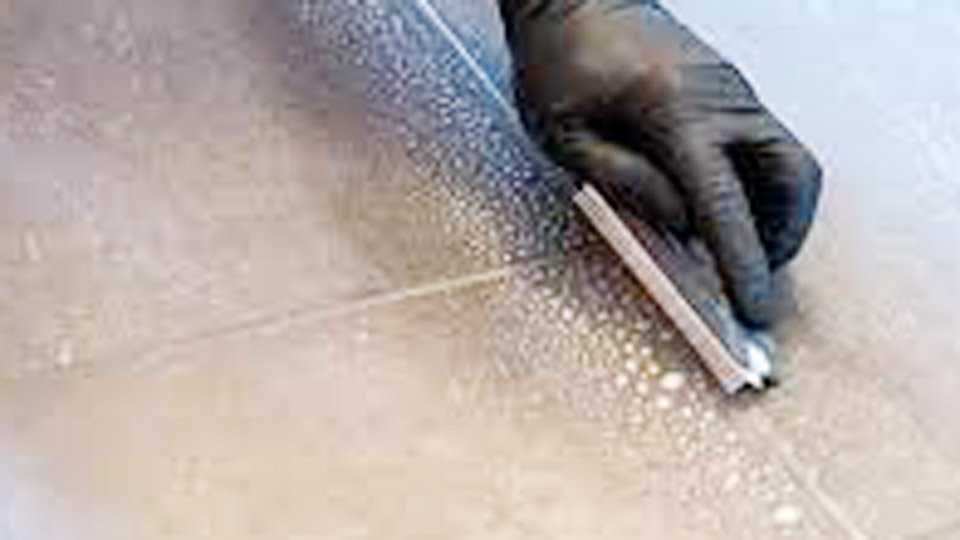
Now, scrub. Use a nylon brush for grout – circular motions work best. For larger areas, a scrubber attachment on a drill saves your back. I’ve tackled entire bathrooms this way without breaking a sweat.
Rinse thoroughly with clean water. I use a wet mop or sponge, changing the water often to avoid redepositing dirt. Dry with a towel or let air dry; fans speed this up.
Finally, if your grout isn’t sealed, apply a sealer now for protection. I’ve seen unsealed grout absorb stains right back in days later.
This method usually takes me an hour for a standard kitchen, but the results? Like new floors without the renovation hassle.
Tools and Tips for Effective Scrubbing
Don’t underestimate the right tools. A good grout brush with angled bristles gets into those crevices. For eco options, I sometimes follow up with a microfiber cloth – it picks up residue without chemicals.
If you’re dealing with stubborn stains, agitate the solution with a sponge during the dwell time. And always work in sections to keep things manageable.
Common Mistakes to Avoid When Using Heavy Duty Tile and Grout Cleaner
One big no-no is using too much water. Grout is porous, and oversaturating can weaken it over time, leading to cracks. I learned this the hard way when my bathroom grout started crumbling after repeated soaks.
Another mistake: Skipping protective gear. These cleaners are potent – wear gloves and eye protection to avoid skin irritation. Ventilate the space too; I’ve had headaches from poor airflow.
Don’t use abrasive tools like wire brushes; they scratch tiles. Stick to nylon or soft bristles. And avoid mixing with other cleaners, like bleach, unless directed – it can create toxic fumes.
Finally, rushing the rinse. Leftover residue attracts more dirt, undoing your work. Take your time here for lasting results.
Choosing the Right Heavy Duty Tile and Grout Cleaner for Your Home
With so many options, picking one can feel overwhelming. I look for concentrated formulas that dilute well, saving money long-term. Eco-friendly picks like Better Life Tub and Tile Cleaner are great for households with kids or pets – they’re non-toxic but still effective on stains.
For tougher jobs, something like Black Diamond Ultimate Grout Cleaner shines on white grout, lifting deep discoloration. Or try Aqua Mix Heavy Duty – it’s a staple in my kit for its degreasing power.
Consider your tile type: Alkaline cleaners for ceramic or porcelain, but milder for natural stone. Read reviews – in 2025, products like Skylarlife Mold & Mildew Stain Remover get high marks for heavy-duty tasks.
Here’s a quick comparison table to help:
| Cleaner | Best For | Eco-Friendly? | Price Range | User Rating (2025) |
|---|---|---|---|---|
| Better Life Tub & Tile | General stains, non-toxic | Yes | $10-15 | 4.8/5 |
| Black Diamond Ultimate | White grout, deep clean | No | $15-20 | 4.7/5 |
| Aqua Mix Heavy Duty | Grease & oils | Partial | $20-25 | 4.6/5 |
| Mrs. Meyer’s Clean Day | Everyday heavy use | Yes | $8-12 | 4.5/5 |
| Skylarlife Mold Remover | Mildew & mold | No | $12-18 | 4.9/5 |
Choose based on your needs – I rotate between a couple for variety.
DIY vs. Commercial Cleaning Solutions for Tiles and Grout
I’ve tried both worlds. DIY mixes, like baking soda and vinegar paste, are cheap and handy for light jobs. Mix equal parts, apply to grout, scrub after 10 minutes – it’s satisfying and uses pantry staples.
But for heavy duty, commercial cleaners win. They penetrate deeper and save time; DIY often requires multiple applications. Pros of DIY: Eco-friendly, no harsh chemicals. Cons: Less effective on grease, can damage grout if acidic (vinegar eats away at it).
Commercial options like those I mentioned are formulated for safety and efficiency, but they cost more and might have stronger scents. I use DIY for maintenance and switch to commercial quarterly.
If the grime is extreme, pros have tools like high-pressure steamers that DIY can’t match. But for most homes, a good commercial cleaner in your hands does the trick.
How to Maintain Your Tiles and Grout After Cleaning
Post-clean, seal your grout. I apply a penetrating sealer every 6-12 months – it repels water and stains, making future cleans easier. Use a brush for even coverage and let dry fully.
Daily habits matter: Wipe spills immediately, use doormats to trap dirt, and mop weekly with a mild cleaner. Microfiber mops are my go-to – they grab dust without scratching.
For eco touches, mix water with a dash of vinegar for tiles (not grout). And ventilate bathrooms to prevent moisture buildup. These steps keep your floors looking fresh longer.
In humid areas, a dehumidifier helps too. Trust me, consistent maintenance beats marathon cleaning sessions.
Wrapping It Up: Clean Smarter, Not Harder
There you have it – from understanding what heavy duty tile and grout cleaner does to avoiding pitfalls and maintaining your results. You’ll now tackle those floors with confidence, knowing you’re protecting your home’s hygiene and value. Remember, it’s about consistent care, not perfection.
One last tip from my years in the trenches: Always test a small area first, especially with new cleaners. It saved me from a grout disaster once. Now go reclaim those sparkling tiles – you’ve got this!
FAQ
Can I use heavy duty tile and grout cleaner on colored grout?
Yes, but test in an inconspicuous spot first. Some cleaners can fade colors if too strong; dilute more for safety.
Does heavy duty cleaner remove mold from grout?
It helps lift surface mold, but for deep issues, follow with a mold-specific treatment. Scrub well and seal afterward to prevent return.
How often should I deep clean with heavy duty tile and grout cleaner?
Every 3-6 months for high-traffic areas. Adjust based on your home – kitchens need it more than hallways.
Is it safe for pets and kids?
Most are, once rinsed and dried. Opt for non-toxic brands and keep areas off-limits during cleaning.
How long does it take for floors to dry after using the cleaner?
Usually 1-2 hours, depending on ventilation. Use fans to speed it up; avoid walking on wet grout to prevent slipping.