I walked into my bathroom and immediately noticed those annoying water stains on the faucet and that dull film creeping back onto the tiles — you know the one! No matter how often I scrub, it always feels like the bathroom never stays fresh for long. That’s when I started wondering, What Is the Best Homemade Bathroom Cleaning Solution? I’ve tried dozens of store cleaners, but most are either too harsh or leave that overpowering chemical scent that lingers for hours.
So, I decided to take the DIY route — mixing up natural, budget-friendly solutions that actually make cleaning easier (and even a little satisfying!). Here’s what I’ve learned along the way.

Image by cubbyathome
Why Go Homemade for Bathroom Cleaning?
Bathrooms are breeding grounds for bacteria, mold, and hard water stains. Commercial cleaners promise miracles, but they often come loaded with chemicals that can irritate skin or lungs. I’ve seen clients with allergies who switched to homemade options and noticed immediate improvements in their home’s air quality.
Homemade cleaners empower you to control what goes into them. You avoid mystery ingredients and tailor the solution to your specific needs, like adding more vinegar for tough limescale in hard-water areas. From my years on the job, I’ve found that natural ingredients break down grime without damaging surfaces, making them ideal for busy American households where time and safety are key.
Key Ingredients for the Best Homemade Bathroom Cleaner
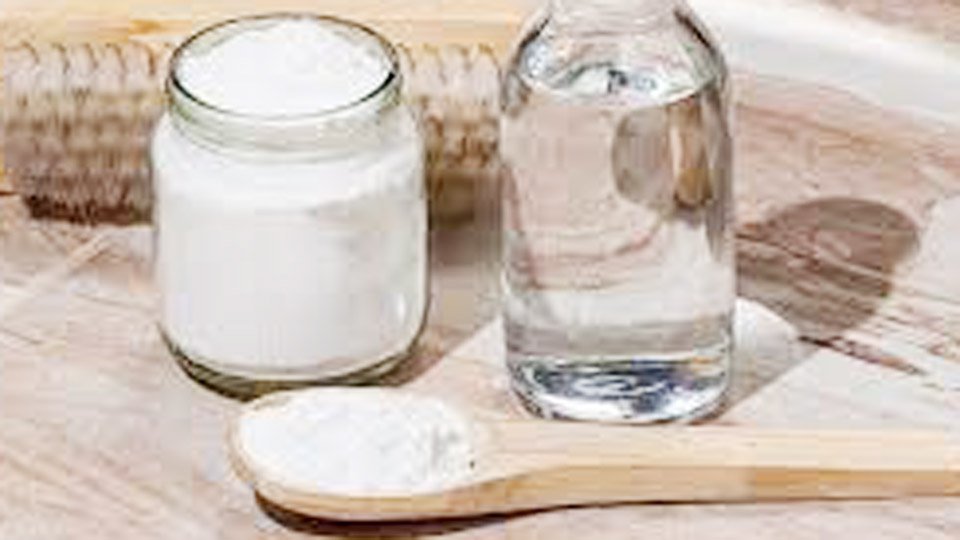
The magic lies in everyday items that pack a punch. Vinegar, with its acetic acid, cuts through soap scum and mineral deposits like nobody’s business. I’ve used it on everything from foggy mirrors to rusty faucets, and it never disappoints.
Baking soda adds gentle abrasion for scrubbing without scratching. It’s my secret weapon for grout lines that look like they’ve seen better days. Then there’s dish soap or castile soap for that sudsy action, and essential oils like tea tree or lemon for natural antibacterial properties and a pleasant scent.
Don’t forget water as the base—it dilutes everything to make it safe and spreadable. In my toolkit, these basics form the core of what I consider the best homemade bathroom cleaning solution.
My Tried-and-True Recipe: The Ultimate Homemade Bathroom Cleaner
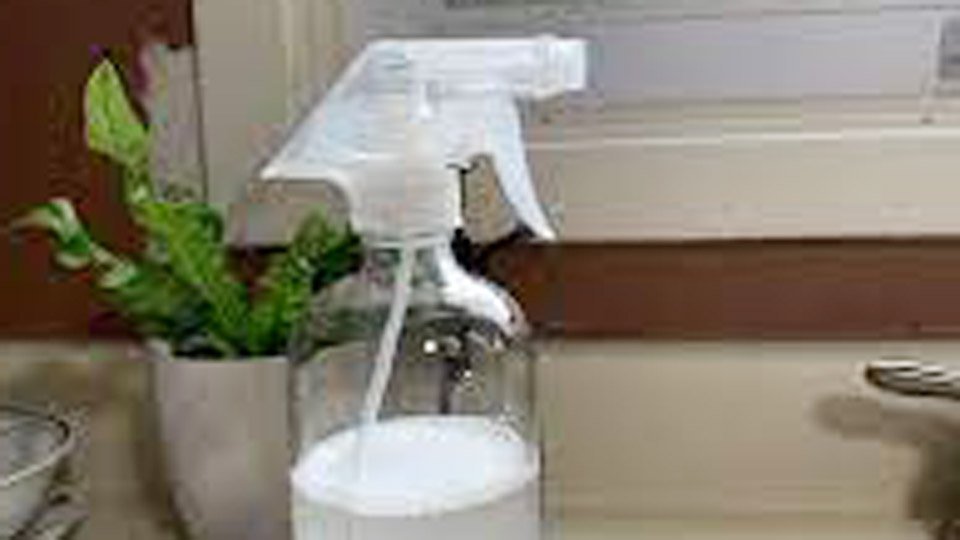
Here’s the recipe I’ve refined over countless cleanings. Mix 1 cup white vinegar, 1 cup water, 1/4 cup baking soda, a squirt of dish soap, and 10-15 drops of essential oil in a spray bottle. Shake well before each use, as the baking soda can settle.
Why this combo? The vinegar dissolves minerals, baking soda scrubs, soap lifts grease, and oils fight germs. I’ve used it in humid climates like Florida, where mold grows overnight, and it keeps things under control without much elbow grease.
For a paste version for tougher spots, skip the water and mix baking soda with vinegar until it’s thick. Apply it directly to stains, let it fizz for 10 minutes, then scrub. This has saved many a bathtub ring in my experience.
Step-by-Step Guide: How to Clean Your Bathroom with This Solution
Start by gathering your tools: a spray bottle, scrub brush, microfiber cloths, and rubber gloves. I always wear gloves to protect my hands from the vinegar’s acidity, especially after a long day of cleaning.
Spray the solution generously on surfaces like the sink, countertop, and faucet. Let it sit for 5-10 minutes to break down grime. Then, wipe with a damp cloth— you’ll see the dirt lift right off. For mirrors, spray lightly and buff with a dry microfiber for streak-free shine.
Move to the shower or tub: Apply the solution, focusing on tile and grout. Use a brush for agitation, then rinse thoroughly. In my routine, I do this weekly to prevent buildup. Finally, tackle the toilet by sprinkling baking soda inside, spraying vinegar over it, and scrubbing after it fizzes.
Tackling Specific Bathroom Challenges with Homemade Solutions
Soap scum on glass doors? My solution shines here— the vinegar eats through it without harsh scraping. I’ve helped families in California with hard water issues, and this mix reduces spots better than many pricey alternatives.
For mold and mildew, add more tea tree oil; its antifungal properties are a game-changer. I once dealt with a neglected rental bathroom where black spots covered the caulk— after two applications, it was like new. Just ensure good ventilation to avoid inhaling fumes.
Pet owners, listen up: This cleaner neutralizes urine smells on floors. Spray, let sit, and mop. From experience with dog-friendly homes, it beats enzyme cleaners for mild odors without the cost.
Common Mistakes When Making or Using Homemade Cleaners
One big error is using too much baking soda, which can leave a residue if not rinsed well. I’ve done this early on and ended up with gritty surfaces— now I always follow with a water wipe-down.
Another pitfall: Mixing with bleach or other chemicals. Stick to natural ingredients to avoid toxic reactions. I learned this the hard way when experimenting in my own home.
Don’t store the solution too long; the fizzing action fades after a week. Make fresh batches for best results, as I do for my professional gigs.
Variations on the Best Homemade Bathroom Cleaning Solution
If vinegar’s smell bothers you, try citric acid from lemons— it’s milder but still effective against limescale. I’ve used it in sensitive households where strong odors trigger headaches.
For an all-purpose boost, add hydrogen peroxide for extra disinfection. This variation is great for flu season; I’ve recommended it to parents in the Midwest during winter colds.
Eco-conscious? Use distilled water to prevent mineral buildup in the spray. And for scents, rotate between lavender for calm or eucalyptus for invigoration— personal favorites from my cleaning arsenal.
| Ingredient | Purpose | Alternative | Why I Recommend It |
|---|---|---|---|
| White Vinegar | Dissolves minerals and scum | Apple Cider Vinegar | Less pungent, but still acidic—great for milder jobs |
| Baking Soda | Abrasive scrubbing | Borax | Stronger for heavy grime, but use sparingly on porous surfaces |
| Dish Soap | Lifts grease | Castile Soap | Plant-based and gentler on skin; my go-to for eco homes |
| Essential Oils | Antibacterial and scent | Lemon Juice | Natural freshener without added cost |
This table sums up swaps I’ve tested— pick based on what you have.
Homemade vs. Store-Bought: Which Wins for Bathrooms?
Store-bought cleaners are convenient, but they often contain phosphates that harm waterways. In my view, homemade wins for sustainability and customization. I’ve switched clients over and seen their cleaning bills drop by 50%.
That said, for severe issues like deep mold, a commercial product might be needed initially. But for maintenance, my homemade solution holds its own— it’s gentler on wallets and the planet.
Cost-wise, a batch costs pennies versus $5-10 per bottle. Over a year, that’s real savings for USA families facing rising prices.
Safety Tips and Eco-Friendly Practices
Always test on a small area first; some surfaces like natural stone can etch from acid. I’ve avoided disasters this way in high-end homes.
Ventilate the room— open windows or use a fan. And label your bottles clearly to prevent mix-ups, especially with kids around.
For eco-friendliness, reuse spray bottles and buy ingredients in bulk. This reduces waste, aligning with my philosophy of clean homes and a clean environment.
How to Maintain Your Bathroom Between Deep Cleans
Daily habits make a difference. Wipe down after showers to prevent scum— I keep a squeegee handy.
Weekly sprays with my solution keep things fresh. And for floors, a quick mop with diluted mix prevents slipperiness.
In humid areas like the South, dehumidifiers help, but this cleaner tackles moisture-related issues head-on.
Pro Tips from Years of Cleaning Bathrooms
Dilute more for delicate fixtures; full strength for tough spots. And always scrub in circles to avoid streaks.
Pair with a steam mop for floors— the heat enhances the solution’s power. I’ve combined them for sparkling results in commercial jobs.
Finally, involve the family; teach kids simple wipes to share the load. It builds habits and keeps your bathroom cleaner longer.
Conclusion
The best homemade bathroom cleaning solution that’s simple, effective, and born from real-world trial and error. By mixing vinegar, baking soda, and a few extras, you’ll tackle grime with confidence, saving money and avoiding chemicals. From my experience, this approach not only cleans but also brings a sense of accomplishment to your routine.
Experiment a bit to find your perfect scent blend—it turns cleaning from a chore into something almost enjoyable. Now go give your bathroom that fresh start; you’ll thank yourself later.
FAQ
What is the best homemade bathroom cleaning solution for hard water stains?
My vinegar-based mix excels here— the acid breaks down minerals effortlessly. Spray on faucets or showerheads, let sit 15 minutes, then scrub and rinse. For stubborn spots, wrap in a vinegar-soaked cloth overnight.
Can I use this homemade cleaner on granite or marble counters?
Skip the vinegar on natural stone; it can etch the surface. Opt for a mild soap and water mix instead. I’ve learned to check material types first to avoid costly repairs.
How often should I use a homemade bathroom cleaning solution?
Aim for weekly deep cleans and daily touch-ups. In high-traffic homes, this prevents buildup. From my jobs, consistency is key to keeping things hygienic without overworking.
Is this solution safe for septic systems?
Absolutely— natural ingredients like vinegar and baking soda won’t harm bacteria in septic tanks. I’ve used it in rural USA homes with no issues. Just avoid overuse to maintain balance.
Does the homemade cleaner kill germs effectively?
Yes, vinegar and tea tree oil have antibacterial properties that handle common bathroom bacteria. For heavy disinfection, add hydrogen peroxide. In my experience, it’s sufficient for household use but not a hospital-grade substitute.