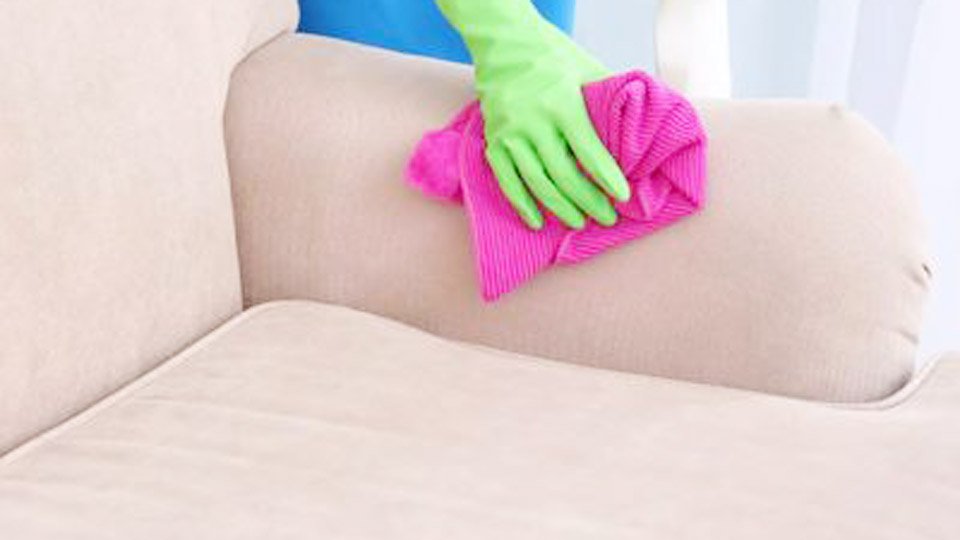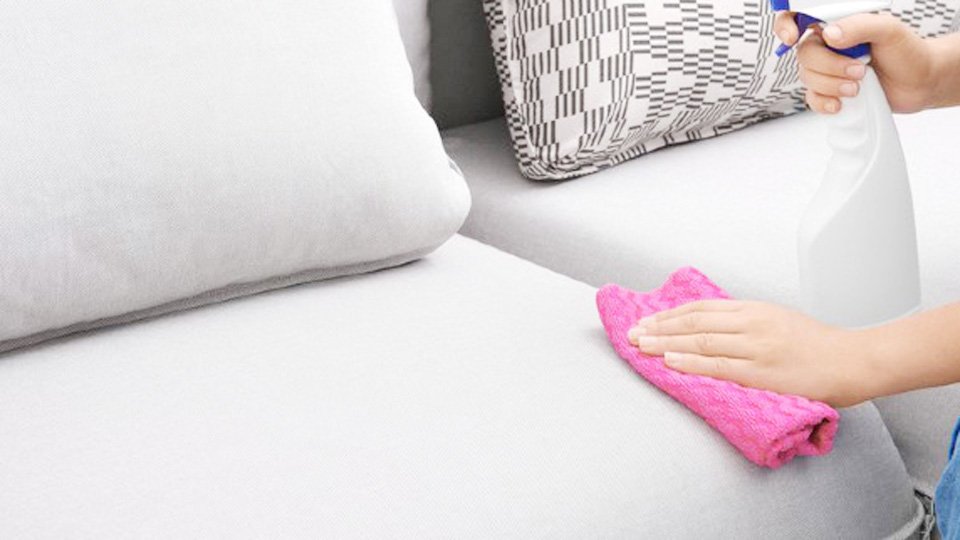
I was sipping my coffee and staring at my couch — you know, that cozy spot that somehow attracts every crumb, pet hair, and mystery stain in the house. I’d already tried vacuuming and spot-cleaning, but nothing seemed to make it really fresh again. That’s when I started wondering, “Can you use a steam cleaner on furniture?” It felt like the perfect shortcut — deep cleaning without the chemicals or endless scrubbing.
If you’ve ever wanted your sofa to look (and smell) brand new again without spending hours on it, you’re in the right place. Let’s talk about what actually works — and what doesn’t — when it comes to steam cleaning your furniture.
Image by servicetasker
What Is a Steam Cleaner and How Does It Work on Furniture?
A steam cleaner is basically a device that heats water to high temperatures, turning it into vapor that blasts away dirt and sanitizes surfaces. Unlike mops or sprays, it uses no chemicals—just hot steam under pressure. For furniture, it works by loosening grime, stains, and bacteria embedded in the upholstery fibers.
I’ve tested everything from basic handheld models to heavy-duty upright ones in homes across the US. The steam penetrates the fabric, killing up to 99% of germs without leaving residue. Think of it like a deep clean sauna for your couch—it lifts dirt so you can wipe or vacuum it away. But it’s not magic; you need the right attachments, like upholstery nozzles, to direct the steam evenly.
One key thing: Steam cleaners come in different types. Handhelds are great for spot-cleaning chairs, while canister models with long hoses handle bigger pieces like sectionals. In my experience, the heat (around 200-250°F) is what makes it effective, but always check your furniture’s care label first.
When (and When Not) to Use a Steam Cleaner on Furniture
Steam cleaning shines on sturdy, water-resistant fabrics like cotton, polyester blends, or microfiber. These materials handle the moisture and heat without shrinking or fading. I’ve used it successfully on my own living room set, which is a durable polyester, to banish coffee stains and pet dander.
But hold off on delicate stuff. Leather? Absolutely not—the steam can crack or discolor it. Silk, velvet, or antique fabrics are also no-gos; they might warp or lose their sheen. I once helped a friend with a silk-upholstered ottoman, and we skipped the steam altogether, opting for dry brushing instead.
Consider the furniture’s condition too. If it’s old with loose seams or water damage history, steam could worsen things. For everyday use, it’s ideal for high-traffic items like sofas in pet homes or kid zones. Just test a small, hidden spot first—that’s saved me from disasters more than once.
Safe Fabrics for Steam Cleaning
From my trials, here’s what works best:
- Microfiber: Dries quickly and steam lifts oils easily.
- Cotton blends: Absorbs steam well for deep cleaning.
- Synthetic leathers (like vinyl): Okay in moderation, but avoid real leather.
If you’re unsure, grab the manufacturer’s tag—codes like “W” mean water-based cleaning is fine, while “S” means solvent-only.
Step-by-Step Guide: How I Clean My Sofa with a Steam Cleaner
First things first: Prep your space. Move the sofa away from walls, vacuum thoroughly to remove loose dirt, and protect floors with old towels. I always do this in a well-ventilated room—steam can make things humid fast.
Next, fill your steam cleaner with distilled water to avoid mineral buildup. Plug it in, let it heat up (usually 5-10 minutes), and attach the upholstery tool. Test on an inconspicuous area: Steam for 10 seconds, blot with a white cloth, and check for color bleed.
Now, the fun part—start steaming. Work in small sections, holding the nozzle 2-3 inches away and moving slowly in straight lines. For stains, hover longer to let the heat break them down. I like to follow up with a microfiber cloth to wipe away loosened grime.
If your model has extraction, use it to suck up excess moisture. Otherwise, blot gently. Let the sofa air dry completely—fans help speed this up. In my house, it takes 4-6 hours, but thicker fabrics might need overnight.
Pro tip: For extra power on odors, add a drop of essential oil like lavender to the water tank. I’ve done this for pet smells, and it leaves everything fresh without chemicals.
Handling Tough Stains
Wine or ink? Pre-treat with a baking soda paste—mix it with water, apply, let sit 15 minutes, then steam over it. I’ve rescued a white armchair from a red wine spill this way. Just don’t scrub hard; let the steam do the work.
Common Mistakes to Avoid When Steam Cleaning Furniture
One big error I see is over-saturating the fabric. Too much steam leads to mold if it doesn’t dry properly. I learned this the hard way on a client’s plush couch—it smelled musty for days because I rushed the job.
Skipping the spot test is another no-no. Colors can run, especially on dyed fabrics. Always wait 24 hours after testing to be sure.
Using tap water instead of distilled clogs the machine with minerals over time. I’ve had to descale mine twice because of that oversight. And don’t forget safety—wear gloves to avoid burns, and keep kids and pets away.
Finally, rushing the drying process. Don’t sit on damp furniture; it invites more dirt. Open windows or use a dehumidifier for faster results.
Choosing the Right Steam Cleaner for Your Home
With so many options, picking one can feel overwhelming. I’ve owned a few over the years, from budget handhelds to pro-grade canisters. Handhelds are portable and affordable, perfect for quick jobs on armchairs.
Upright models resemble vacuums and cover large areas fast, ideal for sectionals. Canisters offer versatility with extensions for hard-to-reach spots.
Here’s a quick comparison based on what I’ve used:
| Type | Pros | Cons | Best For | Price Range |
|---|---|---|---|---|
| Handheld | Lightweight, easy storage, quick heat-up | Small tank, limited power for big jobs | Spot cleaning chairs or cushions | $30-80 |
| Upright | Powerful suction, covers wide areas | Bulkier, harder to maneuver | Full sofas or rugs | $100-250 |
| Canister | Long hose, multiple attachments | Heavier base to drag around | Detailed work on various furniture | $150-400 |
I recommend starting with a mid-range canister if you clean often—brands like Dupray or McCulloch hold up well. Look for variable steam settings to adjust for different fabrics.
DIY Cleaning Solutions to Use with Your Steam Cleaner
You don’t always need fancy store-bought cleaners. I’ve mixed up effective DIY solutions that pair perfectly with steam. White vinegar diluted 1:1 with water cuts through grease and neutralizes odors—great for kitchen chairs.
Baking soda sprinkled on stains, then steamed, acts as a natural abrasive. It’s eco-friendly and cheap. For tougher grime, add a bit of dish soap to the mix, but rinse well to avoid residue.
Compared to commercial products, DIY is gentler on fabrics and your wallet. Store-bought ones like upholstery shampoos foam up for deeper cleans but can leave scents that linger. I switch between them depending on the job—DIY for routine freshening, commercial for heavy soiling.
One hack: Steam with a vinegar solution, then sprinkle baking soda and vacuum after drying. It’s transformed my pet-hair-covered ottoman without any harsh smells.
How to Maintain and Store Your Steam Cleaner
After each use, empty the tank and rinse it to prevent buildup. I wipe down the nozzles with a vinegar-soaked cloth—keeps them clog-free.
Descale every few months: Run a vinegar-water mix through the machine, let it sit, then flush with plain water. I’ve extended my cleaner’s life this way.
For storage, keep it in a cool, dry spot upright to avoid leaks. Coil hoses loosely. If you live in a humid area like the Southeast, add silica packs to the storage bag.
Regular maintenance means fewer repairs—trust me, I’ve fixed a leaky one because I slacked off.
Wrapping Up: Steam Clean Smarter, Not Harder
From understanding if you can use a steam cleaner on furniture to avoiding common slip-ups, you’re now equipped to tackle your upholstery like a pro. The key is preparation, the right tools, and patience during drying. You’ll save time, money, and keep your home healthier.
Always combine steam with regular vacuuming for the best results—it’s the duo that keeps my furniture looking fresh year-round. Give it a try, and you’ll wonder why you waited so long.
FAQ
Can I use a steam cleaner on a microfiber couch?
Yes, microfiber handles steam well since it’s synthetic and quick-drying. Just use low pressure and test a spot first to avoid water spots. I’ve cleaned mine monthly this way, and it stays vibrant.
Does steam cleaning remove pet odors from furniture?
Absolutely—it penetrates fibers to kill odor-causing bacteria. Pair it with a vinegar solution for extra punch. In my experience, it eliminates even stubborn cat urine smells after one or two passes.
How long does it take furniture to dry after steam cleaning?
Typically 4-8 hours, depending on fabric thickness and humidity. Use fans to speed it up. I’ve found thinner materials like polyester dry faster than plush ones—plan ahead so no one sits on it wet.
Is steam cleaning safe for wooden furniture frames?
Steam the upholstery, but avoid direct contact with wood to prevent warping. Wipe any overspray immediately. I’ve steamed around wood accents on chairs without issues by being careful.
Can steam cleaners kill dust mites in furniture?
Yes, the high heat zaps dust mites and allergens effectively. Steam for at least 30 seconds per section. It’s helped my allergy-prone family a ton—better than just vacuuming alone.