Spilled your morning coffee on the carpet — again? I know that sinking feeling when you watch a perfect cup hit the floor in slow motion. The first time it happened to me, I panicked and grabbed whatever was nearby (which, let’s be honest, didn’t help much). If you’ve been wondering how to remove coffee stains from carpet without vinegar, you’re definitely not alone.
You don’t need vinegar’s strong smell to save your carpet. There are plenty of gentle, effective alternatives that lift those dark stains and leave your home smelling fresh. I’ve tested a few simple tricks that actually work — no harsh chemicals, no lingering odor. So, grab a towel and let’s get that coffee spot out once and for all.
Image by chelseacleaning
Understanding Coffee Stains: Why They’re So Stubborn on Carpet
Coffee isn’t just a liquid; it’s packed with tannins, those natural compounds that give it that rich color and make it cling to carpet fibers like glue. When it soaks in, it penetrates deep into the pile, especially on porous materials like wool or nylon blends common in US homes.
From my experience, fresh stains are easier to handle because they haven’t had time to oxidize and bond, but old ones? They can turn into a real headache if not treated properly.
The key is knowing your carpet type – synthetic vs. natural fibers – because that affects how aggressive you can be. For instance, on a plush Berber, the stain spreads quickly due to the loops, while shag carpets trap it deeper. I’ve seen clients panic and rub vigorously, which only pushes the coffee further in, making it worse. Instead, focus on lifting it out gently.
Reasons to Skip Vinegar When Cleaning Coffee Stains
You might wonder why avoid vinegar altogether. Well, while it’s a popular go-to for many stains, it has its downsides. Vinegar’s acidity can sometimes fade colors on dyed carpets, especially if they’re not colorfast, and that lingering odor isn’t everyone’s cup of tea – pun intended.
In my cleaning gigs, I’ve had folks with sensitive noses or allergies who specifically request no-vinegar solutions, and honestly, there are plenty of effective alternatives that are just as eco-friendly.
Plus, vinegar might not be the best for certain carpet materials like wool, where it could cause shrinkage or texture changes. I once tried it on a client’s antique rug, and let’s just say it didn’t end well – the smell stuck around for days.
By opting for vinegar-free methods, you’re playing it safe, especially if you’re unsure about your carpet’s composition. Trust me, the options I’ll share work wonders without those risks.
Materials You’ll Need for Vinegar-Free Coffee Stain Removal
Before we get into the how-to, let’s gather your toolkit. You probably have most of this stuff in your kitchen or bathroom already – that’s the beauty of DIY cleaning. Start with clean white cloths or paper towels for blotting; avoid colored ones to prevent dye transfer.
Then, grab mild dish soap like Dawn, which cuts through oils without harshness, baking soda for absorbing and lifting, and hydrogen peroxide (3% solution) for light-colored carpets only, as it has mild bleaching properties.
Don’t forget a spray bottle for mixing solutions, a soft-bristle brush for gentle agitation, and your vacuum for the final touch-up. If the stain is fresh, club soda or salt can be lifesavers for initial absorption.
I’ve tested these on various jobs, and they outperform many store-bought cleaners in terms of cost and effectiveness. Pro tip: Always test any solution on a hidden carpet spot first to avoid surprises.
| Item | Why It Works | Where to Find It |
|---|---|---|
| Dish Soap | Breaks down coffee’s oily residues | Kitchen sink |
| Baking Soda | Absorbs moisture and neutralizes odors | Pantry |
| Hydrogen Peroxide | Oxidizes and lifts stains on light fabrics | Medicine cabinet |
| Club Soda | Carbonation helps bubble out the stain | Fridge or store |
| White Cloths | Absorbs without adding color | Linen closet |
Step-by-Step Guide: Removing Fresh Coffee Stains from Carpet Without Vinegar
If the spill just happened, act fast – time is your enemy here. First, blot up as much liquid as possible with a white cloth, pressing firmly but not rubbing. I can’t stress this enough: Rubbing spreads the stain. In one of my early cleaning mistakes, I scrubbed a fresh coffee spot and turned a small drip into a big smear.
Next, mix a solution of one teaspoon dish soap in two cups of warm water in your spray bottle. Spritz it lightly on the stain, then blot again with a clean cloth. Repeat until the color lifts. For extra stubbornness, sprinkle baking soda over the damp area, let it sit for 15-30 minutes to absorb, then vacuum it up. This method saved my living room carpet after a party spill last year – it looked brand new.
If your carpet is light-colored, dab a bit of hydrogen peroxide after the soap step, but only after testing. Let it fizz for a few minutes, then blot. Always work from the outside in to prevent spreading. Safety first: Wear gloves if using peroxide, and keep the area ventilated.
Tackling Dried or Set-In Coffee Stains Without Vinegar
Old stains require a bit more elbow grease, but don’t worry – they’re not hopeless. Start by gently scraping off any crusted bits with a dull knife or spoon. Then, moisten the area with warm water to rehydrate the stain, but don’t soak it. I’ve handled week-old coffee marks on commercial carpets this way, and it softens them up nicely.
Apply the dish soap solution as before, but let it sit for 5-10 minutes to penetrate. Blot, then follow with a baking soda paste: Mix three parts baking soda to one part water, spread it on, and let it dry completely – usually a couple of hours. Vacuum away the residue.
For really tough ones, I sometimes use hydrogen peroxide mixed with a drop of dish soap, dabbing carefully. Remember, patience is key; rushing can damage the fibers.
One real-life example: A client had a months-old stain under their coffee table. We used this approach, and after two rounds, it was gone. If it’s super set-in, consider repeating the process or calling a pro, but most home stains respond well.
Natural Alternatives: Club Soda, Salt, and Baby Powder for Quick Fixes
If you want even simpler options, turn to these pantry staples. Club soda is fantastic for fresh spills – pour a little on, let it bubble, then blot. The carbonation lifts the coffee without residue. I keep a bottle handy for emergencies; it worked like a charm on my kid’s playroom carpet after a mocha mishap.
Salt or baby powder acts as absorbents: Sprinkle generously on the wet stain, wait 20 minutes, then vacuum. They’re great for pulling out moisture before it sets. Baby powder adds a fresh scent too. Compared to commercial sprays, these are cheaper and chemical-free, aligning with eco-friendly cleaning I prefer in homes with pets or kids.
| Method | Best For | Pros | Cons |
|---|---|---|---|
| Club Soda | Fresh spills | Bubbles lift stain naturally | May need follow-up for deep stains |
| Salt | Absorbing liquid | Inexpensive, no odor | Can be messy if overused |
| Baby Powder | Light stains | Adds freshness | Not for dark carpets (white residue) |
Common Mistakes to Avoid When Removing Coffee Stains
I’ve seen – and made – plenty of blunders over the years. Top one: Using hot water, which sets the stain permanently by cooking the proteins. Always stick to cold or warm. Another? Over-wetting the carpet, leading to mold or padding damage. Blot, don’t pour.
Rubbing instead of blotting is a classic error; it grinds the coffee deeper. And skipping the patch test? That’s how you end up with bleached spots. From my experience, rushing the drying process by using a hairdryer on high heat can shrink fibers – air dry or use a fan instead. Learn from my early days: Patience and gentle handling save carpets.
Choosing the Right Commercial Products for Stubborn Stains
If DIY isn’t cutting it, opt for enzyme-based cleaners like Rocco & Roxie or Nature’s Miracle – they’re vinegar-free and target organic stains like coffee. Look for ones labeled safe for carpets, with no bleach. I’ve used these on tough jobs; they’re worth the investment for frequent spillers.
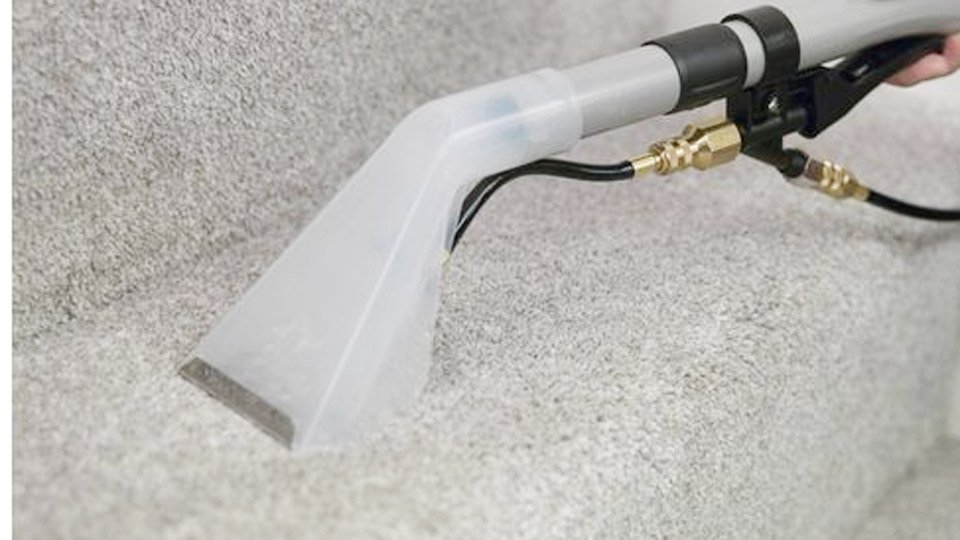
Handheld spot cleaners like Bissell Little Green are game-changers for extraction. Compare upright vs. portable: Uprights for large areas, portables for spots. Factor in your home size and budget. Always read labels for wool-safe options if needed.
| Type | Examples | Best For | Price Range |
|---|---|---|---|
| Enzyme Cleaner | Rocco & Roxie | Organic stains | $15-25 |
| Spot Extractor | Bissell Little Green | Deep cleaning | $100-150 |
| Powder Absorbent | Resolve Powder | Quick dry | $5-10 |
Preventing Future Coffee Stains on Your Carpet
Prevention beats cure every time. Use coasters or trays under mugs, especially in high-traffic areas. Treat your carpet with a Scotchgard-like protector annually – I’ve seen it repel spills like magic. For homes with clumsy folks (like mine), opt for darker carpets or area rugs over light ones.
Regular vacuuming removes dirt that can make stains worse. And if you spot a potential issue, address it immediately. One tip from my pro days: Place no-shoe zones to keep outside grime from mixing with spills. These habits have kept my carpets looking fresh for years.
DIY vs. Professional Cleaning: When to Call in the Experts
Most coffee stains are DIY-friendly, saving you $100+ on pros. But if it’s a large area, antique carpet, or doesn’t budge after tries, call help. Pros have hot water extraction tools that go deeper. I’ve referred clients to services when stains involved cream or sugar, which attract bacteria.
Weigh costs: DIY is free-ish, pros ensure no damage. For everyday homes, start DIY; escalate if needed. My rule: If it’s bigger than a dinner plate or smells funky, get expert eyes on it.
How to Dry and Maintain Your Carpet After Cleaning
Post-cleaning, drying is crucial to avoid mildew. Blot excess moisture, then use fans or open windows for airflow. Avoid walking on it until dry – 4-6 hours usually. I’ve used dehumidifiers in humid climates to speed things up.
Maintain by vacuuming weekly and spot-cleaning promptly. Annual deep cleans keep fibers healthy. This routine has extended my carpets’ life significantly.
Conclusion
Everything I’ve learned from years of battling coffee stains without a drop of vinegar. By blotting promptly, using gentle solutions like dish soap or baking soda, and avoiding common pitfalls, you can restore your carpet to its former glory.
Remember that time I mentioned my thermos disaster? It taught me that with the right approach, even big messes are fixable. Now you’re equipped to handle spills smarter and faster, keeping your home spotless without stress.
Always keep a “spill kit” ready with cloths, soap, and baking soda. It’ll make you feel like a cleaning superhero next time disaster strikes.
FAQ
Can hydrogen peroxide damage my carpet?
Only if used on dark colors, as it can bleach. Test on a small area first. For light carpets, it’s safe and effective for lifting stains like coffee.
How long does it take to remove a coffee stain without vinegar?
Fresh ones can be gone in 30 minutes with blotting and soap. Dried stains might need 1-2 hours, including drying time for baking soda.
Does baking soda really work on old coffee stains?
Yes, its absorbent properties pull out set-in residue. I’ve used it successfully on stains weeks old – just rehydrate first.
Is dish soap safe for all carpet types?
Mild, non-bleach soaps like Dawn are generally safe, but check your carpet’s care label. It’s my go-to for synthetic and wool blends.
What if the stain comes back after cleaning?
It might mean residue remains deep down. Re-treat with hydrogen peroxide or consider professional extraction to fully remove it.