I walked into my living room and spotted a dried, mystery-looking spill right in the middle of the carpet — the kind that makes you sigh, grab a towel, and wonder why you ever thought light-colored flooring was a good idea. Moments like these are exactly why I learned how to use a Bissell PowerSteamer carpet cleaner? Because when stains linger, they don’t just look bad — they trap odors, trigger allergies, and make your whole space feel less fresh than it should.
I’ve wrestled with stubborn carpet messes more times than I’d like to admit, but over the years I’ve figured out a simple, reliable way to get my floors looking (and smelling) like new again. Here’s how I usually tackle it — and how you can, too.
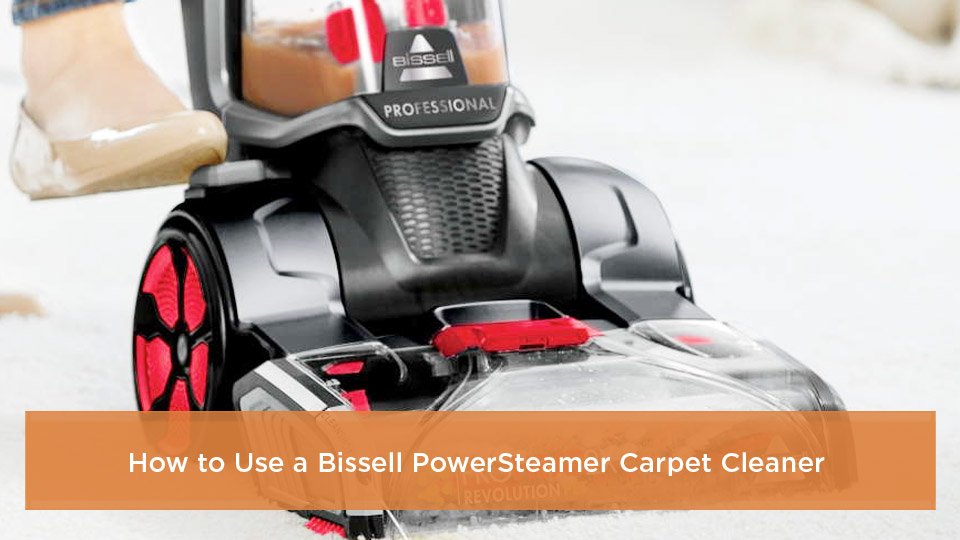
Image by kenforeanalytics
What Is a Bissell PowerSteamer Carpet Cleaner and How Does It Work?
A Bissell PowerSteamer is an upright carpet cleaner that uses hot water, cleaning formula, and powerful suction to deep clean carpets and rugs. It’s not a true “steam” cleaner in the sense of superheated vapor – instead, it sprays a mix of hot tap water and detergent, scrubs with rotating brushes, and vacuums up the dirty water. Models like the PowerSteamer PowerBrush have DirtLifter PowerBrushes that dig into fibers to lift embedded dirt, while the Tank-in-Tank system keeps clean and dirty water separate.
I’ve tested several over the years, and the magic happens in the extraction process. The machine heats your tap water (you add it hot), mixes it with formula, and sprays it under pressure. Brushes agitate the carpet, loosening soil, then strong suction pulls everything into the recovery tank.
It’s effective on high-traffic areas and stains because it penetrates deeper than surface cleaning. Safety-wise, always use it on level surfaces and unplug before filling tanks – I once forgot and got a mild shock from a wet plug.
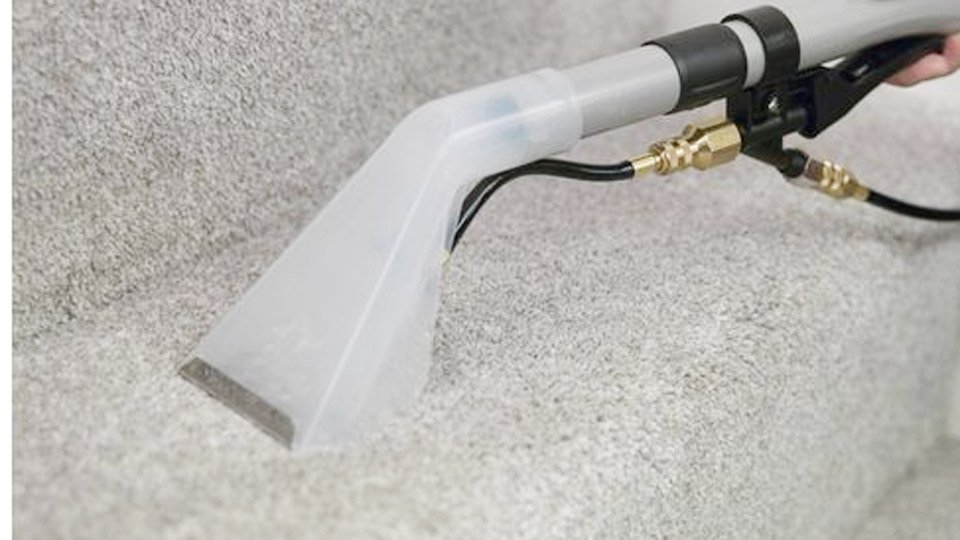
For upholstery, many models include a flex hose and tools like a tough stain brush. It works similarly but with gentler pressure to avoid soaking fabrics. If your PowerSteamer has a ReadyTools dial, switch it to “Tools” for these jobs.
When (and When Not) to Use Your Bissell PowerSteamer
Timing is everything in cleaning. Pull out your PowerSteamer for routine deep cleans every 3-6 months in busy homes, or sooner for pet owners like me – my dog’s muddy paws demand it quarterly. It’s perfect for tackling stains from food, drinks, or tracked-in dirt. I use mine after holidays when the carpet sees extra foot traffic, and it always revives the fibers.
But hold off if your carpet is delicate, like wool or antique rugs – the heat and agitation could damage them. Check labels: Avoid anything marked “dry clean only.” Don’t use it on hardwood or unsealed floors without the bare floor attachment, as water can warp wood. If the area is super wet from a flood, dry it first to prevent mold. And never on velvet or silk upholstery. I learned this the hard way with a vintage chair – the fabric pilled up badly.
Pro tip: Test a hidden spot first. Spray a small area, wait 24 hours, and check for color fading. It’s saved me from disasters more than once.
Step-by-Step Guide: How I Clean My Carpets with a Bissell PowerSteamer
Alright, let’s get hands-on. I’ve refined this process through trial and error, so follow along – it’s straightforward once you know the ropes. I’ll break it down into prep, cleaning, and wrap-up.
Preparing Your Space and Machine
First, clear the room. Move furniture out or to the edges – I use felt pads under legs to avoid scratches. Vacuum thoroughly to remove loose dirt; otherwise, it turns to mud during cleaning. Plan your path: Start in the farthest corner and work toward the door so you don’t trap yourself.
Now, assemble if needed – most PowerSteamers snap together with a screwdriver. Fill the clean water tank: Lay the machine back, remove the tank, unlatch the lid, and pour in hot tap water (not boiling) up to the fill line. Add Bissell formula using the measuring cup – I go for the pet odor one since we have animals. For models with SmartMix, like the 8806 series, set the dial to “Normal” for everyday jobs or “High Traffic” for tough spots. Reinstall the tank securely.
Plug in, but don’t turn on yet. If pretreating stains, spray Bissell Tough Stain PreCleaner, let it sit 3-5 minutes, then blot gently. I always do this for wine or coffee – it makes extraction easier.
The Cleaning Process
Turn the power on and set the ReadyTools dial to “Floor Cleaning.” Depress the handle release pedal to recline the machine. For the first pass, hold the spray trigger while moving slowly forward and back – this applies the solution. Release the trigger for the next pass to suction only. I do two wet passes, then two dry ones until no more water comes up.
Work in 3-4 foot sections to avoid overwetting. If your model has a flow indicator, watch it spin to ensure spray. For edges, tilt slightly to reach baseboards. On stairs, use the hose and upholstery tool – attach it, set dial to “Tools,” spray, and suction in upward strokes.
Personal hack: For pet stains, I add a dash of baking soda before vacuuming – it helps neutralize odors during extraction.
Post-Cleaning and Drying
When the dirty tank fills (a float valve stops suction), empty it: Remove, pour out over a sink, rinse the lint screen under water. Refill the clean tank as needed. After finishing, make a final dry pass over the whole area.
Let the carpet air dry – open windows or use fans. It takes 30-60 minutes in warm weather, longer in humidity. Walk on it sock-footed if you must, but avoid shoes. I prop furniture legs on foil or blocks to prevent rust marks while drying.
Cleaning Upholstery and Furniture with Your PowerSteamer
Many PowerSteamer models shine on sofas and chairs too. Check fabric codes: “W” or “WS” means water-safe. Vacuum first with the crevice tool.
Attach the flex hose and tough stain tool. Set ReadyTools to “Tools/Pretreat.” Fill tanks as before. Spray in short bursts, then suction immediately – don’t saturate. Work top to bottom on cushions. For microfiber, use gentle strokes to avoid water spots.
I once revived a stained couch from a kid’s juice spill this way. Let fabrics dry fully, fluffing pillows occasionally. If odors linger, sprinkle baking soda post-clean and vacuum later.
Common Mistakes to Avoid When Using Your PowerSteamer
Even pros slip up. Don’t overfill tanks – it causes leaks and poor suction. I did this once, flooding my hallway. Always empty the dirty tank promptly to avoid overflow.
Skipping the vacuum step turns dirt into sludge. Using non-Bissell formulas can clog pumps and void warranties – stick to approved ones. Don’t clean without testing for colorfastness; I faded a rug edge that way.
Rushing drying leads to mildew – give it time. And never store with water in tanks; it breeds bacteria. Unplug before troubleshooting belts or brushes to stay safe.
Choosing the Right Bissell PowerSteamer Model for Your Home
With various models, pick based on needs. Here’s a quick comparison:
| Model | Key Features | Best For | Price Range (Approx.) |
|---|---|---|---|
| PowerSteamer PowerBrush Select 1623 | DirtLifter brushes, 2-in-1 tank, flex hose | Small homes, basic carpet cleaning | $100-150 |
| PowerSteamer Pro 16977 | SmartMix auto-mixing, TurboBrush tool, larger tank | Families with pets, heavy stains | $150-200 |
| PowerSteamer PowerBrush 1370 | Floating suspension for uneven carpets, ready tools dial | Apartments, mixed flooring | $120-170 |
| PowerSteamer 8806 Series | SmartMix with rinse option, multiple attachments | Large areas, upholstery too | $130-180 |
I started with the 1623 for its simplicity, but upgraded to the Pro for the auto-mix feature – saves guessing on formula ratios. Consider tank size for big rooms; smaller ones need frequent refills.
DIY vs. Commercial Cleaning Solutions for Your PowerSteamer
Bissell formulas work great, but for eco-friendly options, I experiment carefully. Commercial ones like Fiber Cleansing with Scotchgard protect against restaining and are optimized for the machine – they foam less, reducing residue.
For DIY, mix white vinegar (1 part) with hot water (4 parts) for light cleaning – it’s natural and deodorizes. Add baking soda for odors: Sprinkle, let sit, vacuum, then clean. But test first; vinegar can dull some carpets. Avoid dish soap – it leaves sticky buildup.
I use DIY on low-traffic areas to save money, but switch to commercial for tough jobs. Pro: DIY is cheap and green. Con: May not deep clean as well, risking warranty issues if overused.
How to Maintain and Store Your Bissell PowerSteamer
Maintenance keeps it running smoothly. After each use, rinse tanks and lint screen – I do it in the bathtub. Wipe the exterior and check brushes for hair; remove with scissors.
Every few months, inspect belts: Unplug, open the access door with a screwdriver, check for wear. Replace if stretched – it’s easy, like looping a rubber band. Clean the flow indicator by unscrewing and rinsing.
Store upright in a dry closet, cord wrapped. Empty all water to prevent mold. I hang tools on hooks nearby. With care, mine’s lasted years without issues.
Wrapping It Up: Clean Carpets, Happy Home
From setup to storage, using your Bissell PowerSteamer carpet cleaner is a game-changer for fresh floors. You’ll save time, money, and breathe easier knowing allergens are gone. Prep well, don’t overwet, and maintain regularly. My final tip? Clean in sections on a sunny day for faster drying – it’s made all the difference in my routine.
FAQ
Can I use a Bissell PowerSteamer on area rugs?
Yes, as long as they’re colorfast and not delicate. Secure edges with tape to prevent slipping, and use on a hard surface underneath to catch moisture. I do my throw rugs this way annually.
Does using a PowerSteamer remove pet odors from carpets?
Absolutely – the hot water extraction pulls out deep-set smells. Use a pet-specific formula for best results; I’ve eliminated cat urine scents completely with multiple passes.
How long does it take for carpets to dry after using a PowerSteamer?
Typically 30-60 minutes, depending on humidity and airflow. Fans speed it up; in winter, it might take 2 hours. Avoid traffic until dry to prevent re-soiling.
Is it safe to use on Berber carpets?
With caution – test a spot first, as loops can snag. Use gentle pressure and the rinse setting to avoid fuzzing. I’ve cleaned mine successfully by going slow.
What if my PowerSteamer isn’t spraying?
Check tank levels and seating first. Clean the lint screen and prime the pump by turning off for a minute, then triggering. If belts are worn, replace them – it’s a quick fix I’ve done myself.