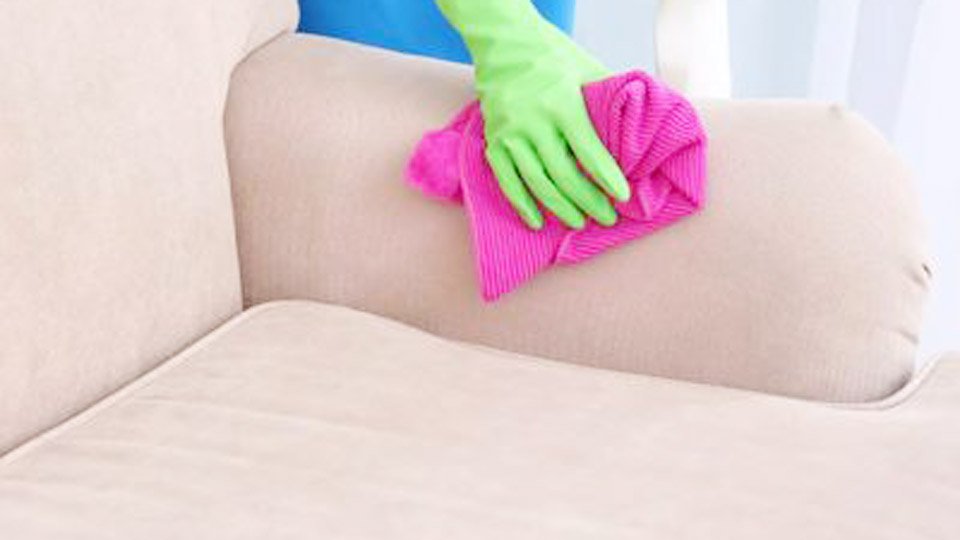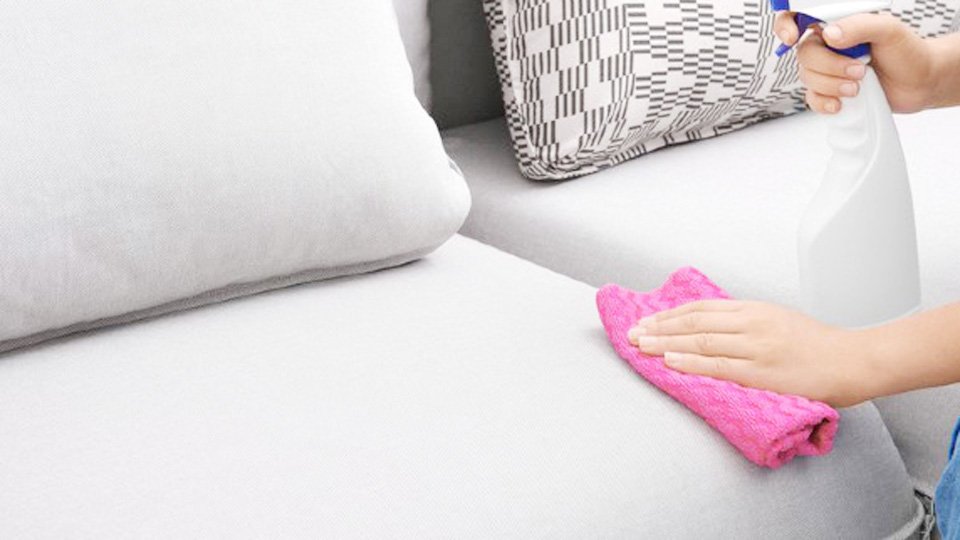
I was staring at a mysterious stain on my couch—no clue where it came from, but it definitely wasn’t going away with a quick wipe. That’s when I found myself wondering How Much Does It Cost to Get Furniture Cleaned? If you’ve ever dealt with sticky armrests, a smelly loveseat, or a sofa that’s seen one too many coffee spills, you know how fast these little messes turn into big headaches.
Clean furniture isn’t just about looks; it’s about keeping your home fresh, healthy, and actually enjoyable to relax in. I’ve been in this exact spot more times than I’d like to admit, and trust me—knowing your options (and the cost!) makes the whole process way less stressful.

Image by nextdaycleaning
Factors That Influence Furniture Cleaning Costs
When you’re figuring out how much it’ll cost to get your furniture cleaned, several things come into play. I’ve seen prices swing wildly depending on the job, and understanding these factors can help you budget smarter.
First off, the type of furniture matters a lot. A simple dining chair might run you less than a massive sectional sofa. From my jobs, smaller items like ottomans or accent chairs often cost around $50-100 to clean professionally, while larger pieces like loveseats or recliners push into $100-200 territory. The material plays a big role too—delicate fabrics like silk or velvet require gentler methods, which can bump up the price compared to sturdy cotton or polyester.
The level of dirt and stains is another key driver. Light soiling from everyday use? That’s cheaper to handle. But if you’ve got pet hair embedded deep or tough stains from red wine, expect to pay more for extra treatments.
In my experience, heavily soiled items can add 20-50% to the bill because they need pre-treatments or multiple passes. Location counts as well—urban areas like New York or LA tend to have higher rates due to demand and living costs, while rural spots might be more affordable.
Don’t forget the cleaning method. Steam cleaning, which I often recommend for deep sanitizing, might cost more than dry cleaning but delivers better results for most households. Additional services like scotchguarding or odor removal can tack on $20-50 per piece. And if you’re bundling multiple items, many pros offer discounts, which I’ve used to save clients money on whole-room jobs.
Here’s a quick table to compare:
| Factor | Low Impact (Lower Cost) | High Impact (Higher Cost) |
|---|---|---|
| Furniture Type | Small chair | Large sectional |
| Material | Synthetic | Leather or silk |
| Soiling Level | Light dust | Heavy stains/pets |
| Location | Rural USA | Major city |
| Method | Basic vacuum | Steam + treatments |
Knowing these helps you get accurate quotes and avoid surprises.
Average Costs for Common Furniture Items
Based on what I’ve seen in 2025 across the USA, professional furniture cleaning averages around $174 per item, with ranges from $75 to $350. But let’s break it down by type, because not all furniture is created equal.
For sofas, which are the most common, expect $100-300. A standard three-seater might hit $150-200, but sectionals can climb to $250-400 due to size. I’ve cleaned plenty of these, and the price often reflects how many cushions and crevices there are to tackle.
Chairs and recliners are more budget-friendly, usually $50-150. Dining chairs might be as low as $40 each if done in bulk, while a plush recliner with leather could push $100-150. Ottomans or footstools? Often $30-80, depending on fabric.
For specialty items like mattresses or antique pieces, costs start at $100 and go up. Mattresses need deep extraction for allergens, averaging $150-250. Antiques require careful handling, so add 20-30% for expertise.
If you’re in a high-cost area, tack on 10-20%. But shop around—I’ve found deals by comparing local services. Always ask for a free estimate; it’s saved me and my clients headaches.
To give you a visual of what professional cleaning can achieve:
And another example:
These results make the investment worthwhile for many.
When to Choose DIY Furniture Cleaning
Sometimes, you don’t need to call in the pros. I’ve handled plenty of jobs myself at home, and DIY can be a great way to save money if the mess isn’t too bad. But know when it’s right—or you’ll end up paying more to fix mistakes.
Go DIY for light maintenance, like freshening up after a spill or regular vacuuming. It’s perfect if your furniture is synthetic and not heavily stained. Pros: It’s cheap, you control the process, and you can do it on your schedule. Cons: It might not get deep dirt, and wrong methods can damage fabrics.
Professional is best for deep cleans, allergies, or valuable pieces. They have industrial tools that DIY can’t match, like hot water extraction. Sure, it costs more upfront, but it extends furniture life and avoids DIY disasters.
In my book, if it’s been over a year since the last clean or you’ve got pets/kids, pros are worth it. Otherwise, DIY keeps things tidy between visits.
Step-by-Step Guide: How I Clean Furniture DIY with a Steam Cleaner
One of my go-to DIY methods is using a steam cleaner—it’s effective, eco-friendly, and I’ve tested it on everything from microfiber to leather. Knowing how to use a steam cleaner on furniture matters because it kills germs without harsh chemicals, saving you money on pros while keeping things hygienic.
First, check your furniture’s care tag. Codes like “W” mean water-based is okay; “S” is solvent-only, so skip steam. I once ignored this on a solvent fabric and ended up with water spots—lesson learned.
Vacuum thoroughly to remove loose dirt. Use a brush attachment for crevices. This prevents pushing grime deeper.
Mix a mild solution if needed—1/4 cup vinegar, 3/4 cup warm water, and a dash of dish soap in a spray bottle. Spot-test on a hidden area.
Heat up your steam cleaner. I prefer handheld models for furniture— they’re maneuverable and cost $30-100 to buy or rent.
Steam in sections, holding the wand 2-3 inches away, moving slowly. For stains, pre-treat with the solution and let sit 5 minutes.
Wipe with a microfiber cloth as you go to absorb moisture. Fans help dry faster—aim for 4-6 hours.
Pro tip: Add baking soda for odors—sprinkle, let sit, then vacuum. It’s natural and effective.
This method has saved me hundreds over the years, but for tough jobs, call pros.
Visualize your DIY setup:
And the tools you’ll need:
Common Mistakes to Avoid When Cleaning Furniture
I’ve seen folks make errors that turn a simple clean into a nightmare. Avoid these to keep costs down and furniture intact.
Over-wetting is huge—too much moisture leads to mold. Always blot, don’t soak, and ensure good ventilation.
Using the wrong cleaner on fabrics. Harsh chemicals can fade colors or shrink materials. Stick to pH-neutral options.
Skipping the test patch. I always test—saved a client’s silk chair once.
Rushing drying. Wet furniture invites bacteria; use dehumidifiers if humid.
Ignoring pet hair or allergens. Vacuum first, or you’ll just spread it.
By dodging these, you’ll clean smarter and cheaper.
Choosing the Right Steam Cleaner for Your Home
If DIY is your path, picking a steam cleaner is key. I’ve tested dozens, and here’s what works.
Handheld vs. upright: Handhelds ($40-80) are great for furniture—light and precise. Uprights ($100-200) suit floors but can adapt.
Look for adjustable steam levels for different fabrics. Attachments like brushes are must-haves.
Eco options: Models using just water are best—no chemicals needed.
Compare:
| Type | Price Range | Best For | Pros | Cons |
|---|---|---|---|---|
| Handheld | $40-80 | Sofas, chairs | Portable, affordable | Smaller tank |
| Upright | $100-200 | Multi-use | Larger capacity | Bulkier |
Choose based on your needs—I swear by handhelds for quick jobs.
DIY vs. Professional Cleaning Solutions: Costs and Effectiveness
DIY costs are low: Solutions like vinegar mixes run $5-10, steam rental $30/day. Effective for maintenance, but pros use commercial-grade stuff for deeper results.
Pros cost $150-300 but eliminate odors and allergens better. DIY is eco-friendly with baking soda/vinegar, while pros might use green certs.
Blend them: DIY monthly, pros yearly. Saves money, keeps clean.
How to Maintain Furniture After Cleaning
Post-clean, vacuum weekly. Use covers for high-traffic areas.
Spot-clean spills immediately with microfiber.
Rotate cushions to even wear.
This maintenance cuts future cleaning costs—I do it at home, and my sofa looks new after years.
Conclusion
How much it costs to get furniture cleaned boils down to your choices: DIY for under $50 or pros for $100-300 per piece. With the insights here, you can tackle it confidently, whether steaming yourself or hiring help. Remember, regular care prevents big bills later. Always prioritize safety—ventilate when using cleaners, and if in doubt, test small. Clean smart, and your home will thank you.
FAQ
How much does it cost to clean a sofa professionally?
On average, $100-300, depending on size and condition. For a standard couch, aim for $150-200; sectionals higher. Get quotes for accuracy.
Can I use a steam cleaner on leather furniture?
Yes, but cautiously—use low heat and condition after. I’ve done it successfully, but test first to avoid cracking.
Does professional cleaning remove pet odors?
Absolutely, especially with deodorizers. It gets deeper than DIY, zapping smells at the source.
How long does furniture take to dry after cleaning?
4-8 hours for steam; less for dry methods. Fans speed it up—I’ve had sofas ready in 2 hours on dry days.
Is DIY cheaper long-term than professional?
Yes for light use, but pros prevent damage, potentially saving more. Balance both for best results.