You ever finish washing a pile of dishes, look down, and suddenly notice those annoying water spots and mystery stains clinging to your stainless steel sink? I swear, every time it happens, I catch myself wondering How to Clean Stainless Steel Sink Stains? before they turn the whole area dull and lifeless.
I’ve battled these stubborn marks more times than I can count, and each time I’m reminded that a little attention now saves a whole lot of scrubbing later. If you’ve been in the same spot, don’t worry — I’ve got some tried-and-true tips to help bring that shine back. Let’s dive in.
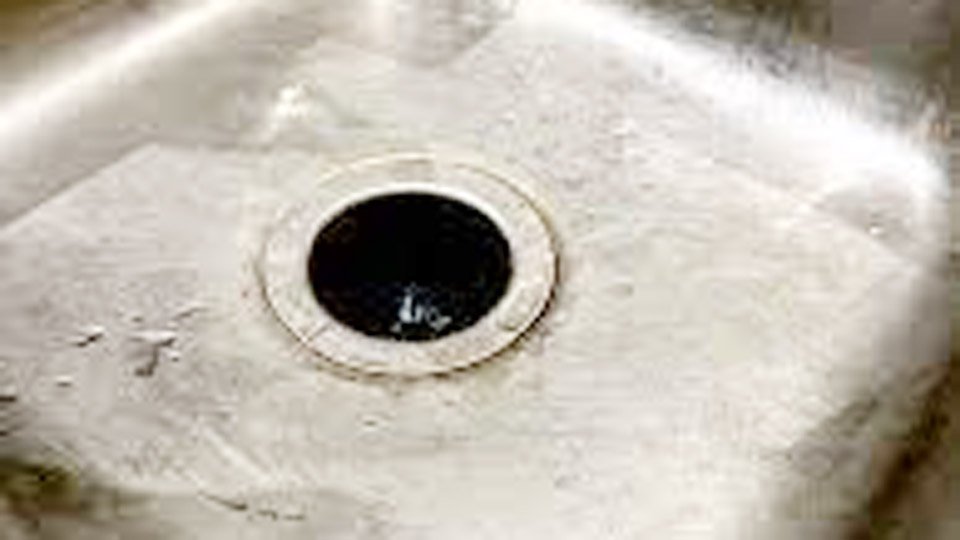
Image by reddit
Why Stainless Steel Sinks Stain So Easily (And Why It’s Not Your Fault)
Stainless steel isn’t actually “stain-less” – it’s “stain-resistant.” The chromium in the alloy forms a passive layer that protects it, but that layer gets broken every single day by hard water minerals, chlorine, food acids, metal utensils, cast-iron pans, and even the canned dog food spoon you absentmindedly leave in there overnight.
The most common culprits I see in American homes:
- Hard water (calcium + magnesium = white chalky film)
- Iron in well water or old pipes (orange-brown rust spots)
- Coffee, tea, red wine, tomato sauce (tannins and acids)
- Metal marks from pots, silverware, or that one time your kid dropped the pizza cutter
- Chlorine from tap water or bleach cleaners (pitting and dulling)
Once you know what you’re looking at, the fix becomes obvious.
Daily Maintenance – The 30-Second Habit That Prevents 90% of Problems
If you do nothing else, do this every single night:
- Rinse the sink thoroughly after the last dish.
- Squirt a drop of Dawn (or whatever dish soap you use) on a soft sponge.
- Wipe the entire sink, always following the grain (you’ll see faint lines – that’s the direction).
- Rinse again.
- Dry completely with a microfiber cloth or clean dish towel.
That drying step is non-negotiable. Water sitting on stainless steel = water spots by morning.
I started doing this religiously after my husband kept complaining about “the ugly sink,” and within two weeks it looked brand new again and has stayed that way for years.
Light Stains & Water Spots – The Gentle First Attack (Natural Method)
These are the white cloudy spots or rainbow film you see most often.
What works better than anything I’ve ever tried:
White vinegar (undiluted, cheap distilled kind)
- Spray or pour vinegar all over the sink until it’s dripping.
- Let it sit 5–15 minutes (the longer the better for stubborn film.
- Wipe with a soft sponge following the grain.
- Rinse thoroughly.
- Dry with microfiber.
For extra credit, warm the vinegar in the microwave first – it works twice as fast.
I keep a $0.89 spray bottle of vinegar under every sink in my house. It’s also safe for septic systems and doesn’t make your kitchen smell like chemicals.
Alternative that smells amazing: Cut a lemon in half, dip it in baking soda, and scrub gently. The citric acid dissolves minerals and the baking soda gives just enough abrasion without scratching.
Medium Stains & Mineral Buildup – When Vinegar Isn’t Enough
This is where most people give up and buy harsh cleaners. Don’t.
My ride-or-die product for the last 15 years: Bar Keepers Friend (powder or soft liquid)
Here’s exactly how I use it:
- Wet the sink.
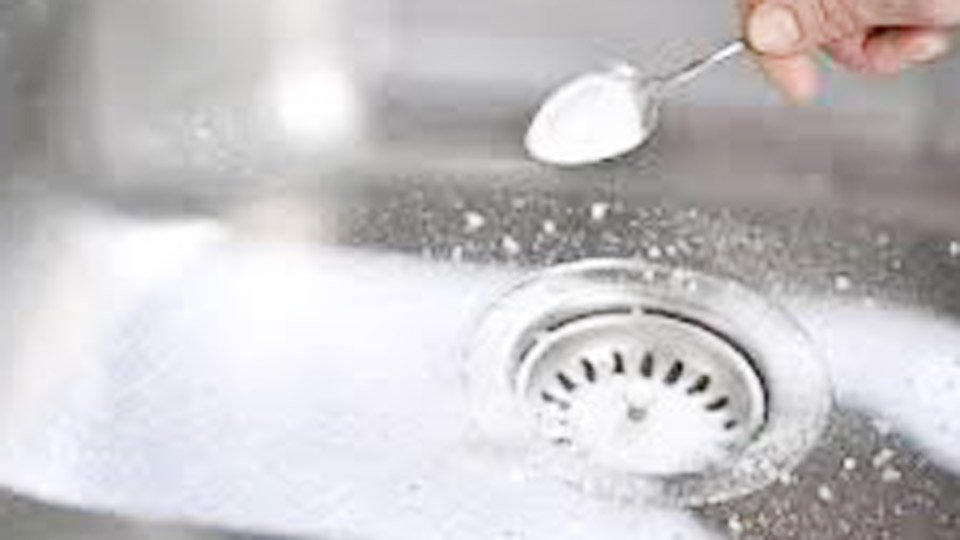
- Sprinkle BKF powder lightly (a little goes a long way.
- Let it sit 1–5 minutes (you’ll see it start fizzing – that’s good).
- Use a soft sponge or blue non-scratch Scotch-Brite pad and scrub with the grain.
- Rinse very thoroughly (this is important – residue makes new spots).
- Dry completely.
Bar Keepers Friend contains oxalic acid, which is magic on mineral deposits and rust but gentle enough that I use it on my $2,000 sink without worry.
Bon Ami powder is another excellent gentler alternative (it’s been around since 1886 for a reason).
Rust Stains – The Scary Brown Spots That Make You Think Your Sink Is Ruined
These almost always come from iron in the water or from leaving a cast-iron pan or steel-can in the wet sink.
Method that has never failed me:
Bar Keepers Friend + plastic wrap trick
- Make a thick paste with BKF powder and just enough water.
- Spread it generously over the rust spots.
- Cover with plastic wrap to keep it wet (this is the secret).
- Leave it for 1–4 hours (overnight if the spots are bad).
- Remove plastic, scrub lightly with the grain.
- Rinse and rinse, rinse, rinse.
I once had a rental property where the tenant left a cast-iron Dutch oven in the sink for a week. The rust stain looked permanent. This method removed it completely in one go.
For natural-only people: Make a paste of baking soda + lemon juice, apply the same way, but leave it overnight. It works about 80% as well as BKF.
Scratch Removal & Metal Marks
Those gray “scratches” are usually not scratches at all – they’re metal transfer from pots and silverware.
Quick fix: Bar Keepers Friend again (seeing a pattern?). The soft liquid version works especially well – just rub with the grain using a sponge until the marks disappear.
For actual light surface scratches: I use Cameo Stainless Steel Cleaner or 3M stainless steel polishing pads (the green ones). Always go with the grain, never in circles.
Deep gouges? Unfortunately, those are permanent, but you can make them much less visible with polishing (more on that below).
The Magic Flour Polish – How to Make Your Sink Literally Shine Like a Mirror
This is the step that makes people think I have a brand-new sink every time they come over.
After the sink is perfectly clean and dry:
- Sprinkle regular all-purpose flour liberally all over the sink (yes, flour – trust me).
- Use a dry microfiber cloth and buff in circular motions, then switch to with the grain.
- Keep buffing until the flour is gone and the sink looks wet even though it’s dry.
- Stand back and admire your reflection.
The flour particles are the perfect micro-abrasive to remove microscopic residue and bring out the shine. I learned this trick from an old restaurant chef 20 years ago and it still blows my mind every time.
Alternative: A tiny drop of baby oil or olive oil on a microfiber cloth for the final buff. Just the tiniest amount – you don’t want it greasy.
My Favorite Stainless Steel Cleaning Methods
| Method | Best For | Time Needed | Cost | Scratch Risk | My Success Rate |
|---|---|---|---|---|---|
| Daily soap + dry | Prevention | 30 seconds | Almost free | None | 100% |
| Vinegar spray | Water spots, light film | 5–15 min | ~$1 | None | 95% |
| Baking soda + lemon | Light-medium stains | 10–20 min | ~$2 | Very low | 90% |
| Bar Keepers Friend | Everything stubborn | 5–60 min | $3–6 | Low (if used correctly) | 99% |
| Flour polish | Final shine | 5–10 min | Pennies | None | 100% |
Prevention Habits That Actually Work (Because Cleaning Is Easier Than Constant Cleaning)
- Install a water softener or at least a Culligan/GE under-sink filter if you have hard water – best money I ever spent.
- Never leave metal cans, cast iron, or wet steel wool in the sink.
- Use a sink grid or mat (I love the OXO silicone ones – they protect from both stains and scratches).
- Wipe up coffee, wine, or tomato sauce immediately.
- Monthly maintenance: Do the full BKF treatment even if it looks clean – it prevents buildup.
The Biggest Mistakes I See (And Have Personally Made)
- Using bleach – it causes pitting over time
- Using steel wool or abrasive pads against the grain – creates permanent scratches
- Using CLR or Lime-A-Way regularly – way too harsh for stainless
- Circular scrubbing motions – makes scratches visible from every angle
- Not rinsing thoroughly – leaves residue that attracts new stains
- Never drying the sink – guarantees water spots every morning
Tools I Actually Use and Recommend
Must-haves in my cleaning caddy:
- Bar Keepers Friend powder and soft cleanser
- White vinegar in spray bottle
- Blue Scotch-Brite non-scratch pads
- Multiple microfiber cloths (labeled “sink only”)
- Sink grid (OXO or Kraus brand)
- Flour in a shaker bottle (yes, really)
Final Thoughts – Your Sink Transformation Checklist
□ Empty and rinse sink
□ Daily wipe or vinegar spray for light stains
□ Bar Keepers Friend treatment for stubborn spots
□ Rinse like your life depends on it
□ Dry completely with microfiber
□ Optional flour or oil polish for show-stopping shine
Do this once a week (or when it starts looking dull) and your stainless steel sink will look better after five years than it did on day one. Mine certainly does. That sink isn’t ruined – it’s just waiting for someone who knows what they’re doing. And now that’s you.
FAQ – Real Questions I Get All the Time
Can I use magic eraser on stainless steel?
Only the plain white ones, and very gently with the grain. They’re mildly abrasive and can dull the finish if you scrub hard. I prefer them only for tiny stubborn spots after BKF has done most of the work.
How do I remove scratches from stainless steel sink?
Light scratches and metal marks: Bar Keepers Friend or Cameo. Deeper scratches: unfortunately permanent, but you can minimize appearance with the flour polish method above. Always rub with the grain.
Is it safe to use bleach in stainless steel sink?
Occasionally for disinfecting, heavily diluted, and rinsed immediately – yes. Regularly or undiluted – absolutely not. It causes pitting and rust over time.
Will baking soda scratch my sink?
Not if you use it as a paste with water or lemon and a soft sponge. It’s softer than stainless steel. Avoid the dry powder with aggressive scrubbing.
How often should I deep clean my stainless steel sink?
Weekly if you have hard water, every 2–3 weeks if your water is soft. Daily maintenance makes deep cleans take 5 minutes instead of 45.