I’m standing in a client’s kitchen last week, staring at a stainless sink that honestly looked like it had been through a war. Hard-water spots like constellations, mystery rust freckles along the drain, tiny scratches catching every bit of light, and a general dull haze that made the whole kitchen feel tired. The homeowner was embarrassed. “I clean it every day,” she said. I believed her—she just didn’t know the right way yet.
That’s the thing with stainless steel sinks. They’re marketed as “indestructible” and “low-maintenance,” but treat them wrong and they turn into the ugliest thing in your otherwise beautiful kitchen. Treat them right, though, and they look better after ten years than the day they were installed. I’ve been cleaning houses professionally for seventeen years, and I promise you: a gleaming stainless sink is the single fastest way to make your whole kitchen feel expensive.
So let’s fix yours. No fluff, no fake “life hacks” that leave swirl marks. Just the exact methods I use on my own sink at home and on every client sink that comes my way.
Image by fahrenuk
First, Understand Your Enemy: Why Stainless Sinks Look Terrible So Fast
Stainless steel isn’t stain-less. It’s stain-resistant. Big difference.
The finish you love is actually a super-thin layer of chromium oxide that forms naturally on the surface. When that layer gets compromised—by harsh cleaners, steel wool, bleach, or even just mineral-heavy water—it dulls, pits, and starts collecting grime in the microscopic valleys.
Add in daily abuse (cast-iron pans, lemon wedges left overnight, kids using it as an art station) and you’ve got the perfect recipe for that sad, cloudy sink we all know too well.
The good news? Once you know how the metal actually behaves, keeping it perfect becomes stupidly easy.
The Tools I Actually Use (Nothing Fancy, Nothing Expensive)
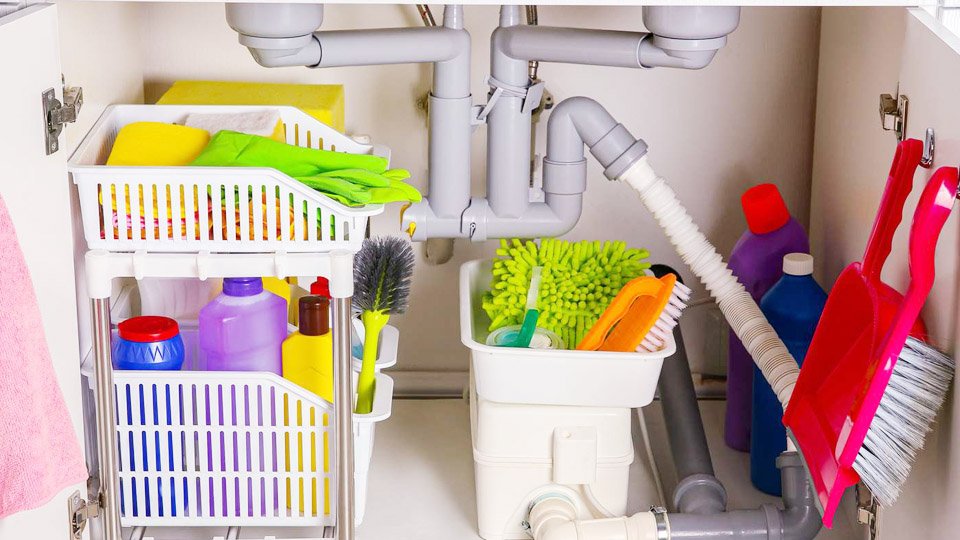
Here’s what lives under my sink right now:
- Soft microfiber cloths (the thick, waffle-weave kind—cost about $12 for 12 on Amazon)
- Non-scratch scrub sponges (Scotch-Brite blue ones, not the green)
- Dish soap (Dawn original, always)
- Baking soda (the big cheap bag)
- White vinegar (gallon jug from Costco)
- Bar Keepers Friend powdered cleanser (the powder, not the liquid—trust me)
- Club soda (yes, really)
- Flour (all-purpose, for polishing)
- Olive oil or mineral oil (tiny bottle lasts forever)
- An old soft toothbrush
- Rubber gloves if your hands are sensitive
That’s literally it. I’ve tried every “miracle” stainless cleaner” on the market. Most are overpriced dish soap with fragrance. These basics work better.
Daily Habit That Prevents 90% of Problems (Takes 45 Seconds)
Every single night after I load the dishwasher, I do this:
- Rinse the sink thoroughly with hot water.
- Squirt a drop of Dawn on a damp microfiber.
- Wipe the entire sink, including the rim, faucet neck, and drain lip (the parts everyone forgets).
- Rinse.
- Dry completely with a clean microfiber.
That’s it.
Drying is the secret nobody does. Water sitting on stainless = water spots by morning. Forty-five seconds of drying saves you an hour of deep cleaning later. I’ve had clients swear their sink “just stains itself” until I made them start drying it. Problem solved in a week.
Weekly Deep Clean: My Saturday Morning 10-Minute Routine
Once a week (or every other week if you’re lazy like me), do the full treatment.
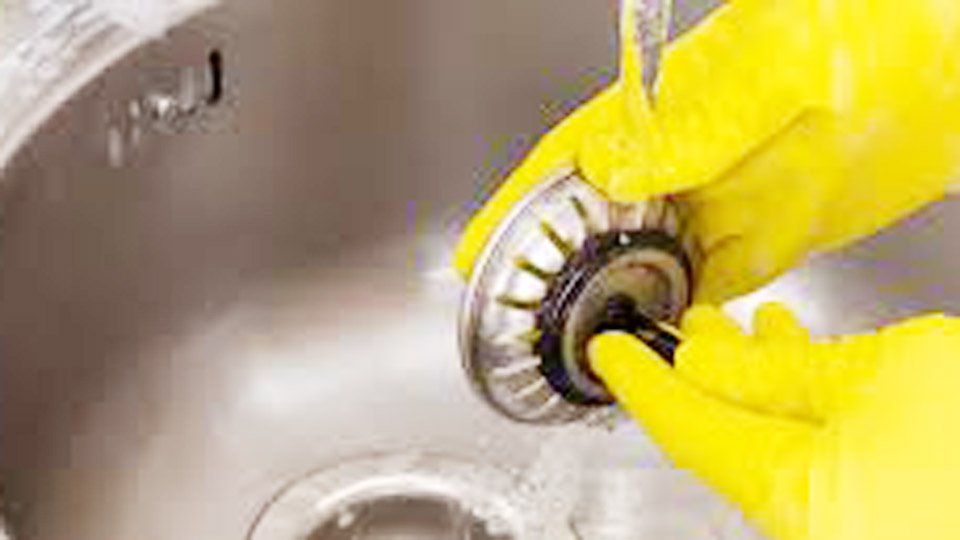
Step 1: Clear everything out. Remove the drain strainer, sponge holder, whatever lives in there.
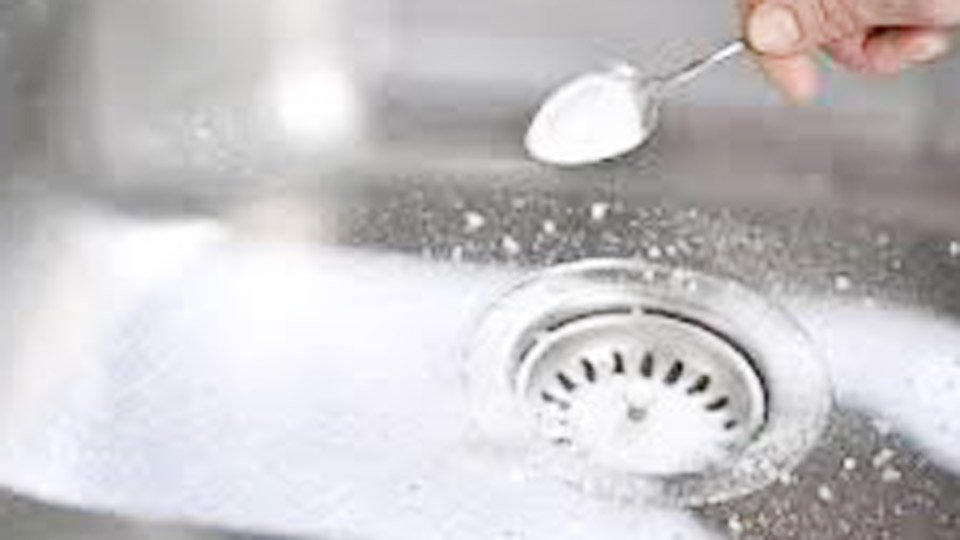
Step 2: Sprinkle Bar Keepers Friend generously all over the wet sink. It should look like you spilled cocaine in your kitchen (don’t worry, it rinses clean).
Step 3: Let it sit 3–5 minutes. This is when I start the coffee maker. The oxalic acid is doing the heavy lifting on mineral deposits and light rust.
Step 4: Scrub with the grain using the soft side of the sponge. Stainless steel has a very faint grain—look closely under light and you’ll see it runs either horizontally or vertically. Always scrub with the grain or you’ll create tiny scratches that catch dirt forever.
Step 5: Pay special attention to:
- The crease where the sink meets the countertop (gunk central)
- Around the drain (use the toothbrush)
- The underside of the faucet lip
- The garbage disposal lip if you have one
Step 6: Rinse thoroughly with hot water.
Step 7: Spray the entire sink with undiluted white vinegar. Let it sit 30 seconds (it’ll fizz on any remaining BKF).
Step 8: Rinse again.
Step 9: Dry completely with a fresh microfiber.
Your sink should now look significantly better, but we’re not done.
The Magic Polish Step Everyone Skips (This Is What Makes It Look Brand New)
Here are three polishing methods I use, ranked from “good” to “holy-cow-that’s-beautiful.”
Method 1 – Club Soda (Quick daily shine)
Pour club soda in the dry sink, buff with microfiber. Takes 60 seconds, leaves a surprising streak-free shine. Great for in-between deep cleans.
Method 2 – Olive Oil (My personal favorite for showroom finish)
After the sink is perfectly clean and dry:
- Put 4–5 drops of olive oil on a dry microfiber.
- Buff in circular motions until the sink looks foggy.
- Switch to a clean microfiber and keep buffing until the fog disappears and you’re left with mirror finish.
This repels water and fingerprints for days. I do this once a month on my own sink and people literally stop and stare at it.
Method 3 – The Flour Polish (For when you want to impress your mother-in-law)
This is the nuclear option. Only do this when the sink is spotless and completely dry.
- Sprinkle a handful of regular flour all over the sink.
- Use a dry microfiber to buff aggressively in circles.
- Keep going until every bit of flour is gone and the sink looks like liquid metal.
- Stand back and feel smug.
I did this before listing my last house. The real estate photographer actually took close-up photos of my sink for the listing. True story.
How to Remove Specific Nightmares
Hard Water Spots That Won’t Budge
Make a paste of baking soda + a few drops of water. Apply thickly to spots, cover with vinegar-soaked paper towels, let sit 30 minutes to overnight. Scrub gently, repeat if needed. Works 100% of the time.
Mystery Rust Spots (usually from cast iron pans or metal cans left wet)
Bar Keepers Friend is king here. For stubborn ones, make a paste with BKF and leave it overnight under plastic wrap. Gone by morning.
Light Scratches
Very fine 0000 steel wool with BKF, rubbed with the grain, can minimize them. Deeper scratches? Live with them or replace the sink. (Pro tip: most “scratches” are actually metal transfer from pots—BKF removes 80% of those.)
Coffee/Tea Stains Along the Bottom
Baking soda + vinegar volcano treatment. Let it fizz for 10 minutes, scrub, rinse. Repeat if your teenagers are like mine and use the sink as a coffee mug graveyard.
The “Never Ever Do This” List (I Learned These the Hard Way)
- Never use bleach. Ever. It pits stainless steel.
- Never use steel wool coarser than 0000.
- Never use oven cleaner (yes, people do this).
- Never let acidic foods (tomato sauce, lemon, vinegar) sit overnight.
- Never use abrasive powders like Comet on a regular basis.
- Never drain boiling pasta water and immediately follow with cold water (thermal shock can warp the sink).
Natural-Only Version (For the Crunchy Moms)
If you refuse chemicals (I get it, I have kids too), here’s the routine that still works amazingly:
Daily: Dish soap + hot water + dry with towel.
Weekly:
- Baking soda scrub
- White vinegar spray
- Rinse and dry
- Polish with a drop of coconut oil on microfiber
It takes longer and doesn’t handle heavy mineral buildup as well, but it works great for moderate use. I used only this method for two years when my youngest had eczema and everything had to be “non-toxic.”
My Favorite Methods Side-by-Side
| Method | Time Required | Cost per Use | Shine Level | Best For | My Rating |
|---|---|---|---|---|---|
| Bar Keepers Friend + Oil | 15 minutes | ~$0.30 | 10/10 | Heavy buildup, best results | 5 stars |
| Baking Soda + Vinegar | 20-30 minutes | ~$0.05 | 7/10 | Natural-only homes | 4 stars |
| Dish Soap Daily + Dry | 45 seconds | ~$0.01 | 8/10 | Maintenance | Essential |
| Flour Polish | 10 minutes | ~$0.02 | 11/10 | Showing off | Special occasions |
Final Thoughts: Your Sink Can Stay Beautiful Forever
Here’s the truth I wish someone had told me when I bought my first house: a stainless steel sink that looks terrible isn’t old. It’s abused. Treat it gently, clean it properly, and polish it occasionally, and it will literally look better in year ten than year one (because the protective chromium oxide layer thickens with proper care).
My own kitchen sink is twelve years old. People assume it’s new construction. Last month a contractor friend offered to replace it “because it must be original to this old house.” I just looked at him and laughed.
Start tonight with the 45-second dry method. Do the full BKF treatment this weekend. Try the olive oil polish when you’re feeling fancy. You’ll walk into your kitchen tomorrow and actually smile at your sink. And that, my friend, is a very specific kind of adult joy.
FAQ – Real Questions I Get All the Time
How often should I polish my stainless steel sink?
Deep clean weekly, polish with oil or flour monthly (or whenever it starts looking dull). Daily drying is non-negotiable.
Can I use Windex or glass cleaner on stainless?
Please don’t. It leaves streaks and the ammonia can damage the finish over time. Dish soap or dedicated stainless cleaner only.
Will Bar Keepers Friend scratch my sink?
No, when used with a non-scratch sponge and with the grain. I’ve used it for 15+ years on hundreds of sinks—no scratches ever.
My sink has deep scratches—can they be fixed?
Light ones yes, deep ones no. But most “deep scratches” are actually scorched-on food or metal transfer and come out with BKF.
Is it safe to pour boiling water down a stainless sink?
Yes, stainless handles temperature changes better than anything else. Just don’t go from boiling pasta water straight to ice water—slow temperature changes are fine.