I’ll never forget the day I moved into my first house with a brand-new stainless steel sink. I stood there admiring how sleek and shiny it looked—like something out of a magazine. Two weeks later it looked like a dalmatian. Spots everywhere. Hard water spots, soap scum rings, weird rainbow streaks… I was furious. I thought stainless steel was supposed to be low-maintenance. Turns out it is—if you know the tricks.
After 18 years cleaning houses professionally (and keeping my own home spotless), I can tell you this: preventing water stains on stainless steel sinks is 90% habit and 10% product. Once you build the habits, you barely need the products. And your sink will stay looking brand new for decades. I promise. Let me show you exactly how I do it—both for my clients and in my own kitchen.
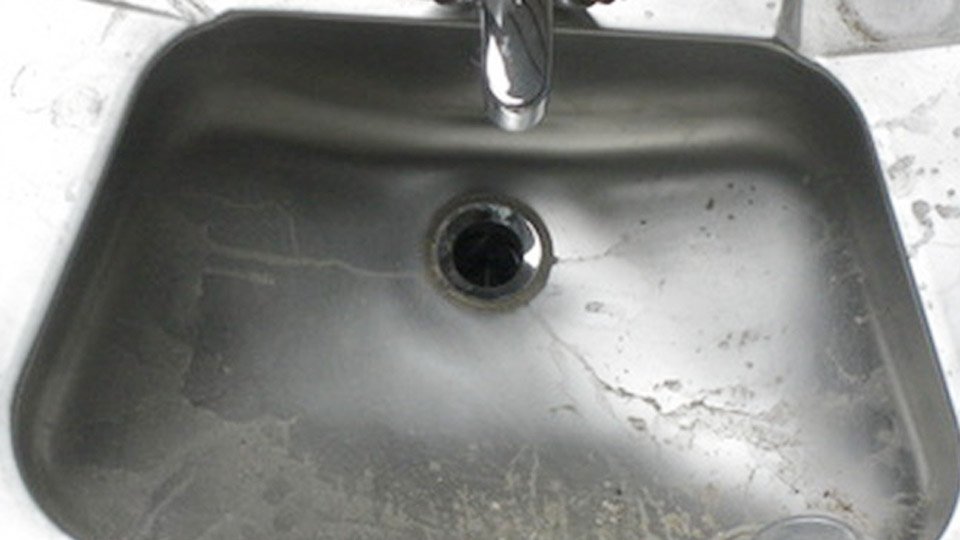
Image by hunker
Why Stainless Steel Shows Every Single Water Drop
Stainless steel isn’t actually “stained” by water itself. The spots you see are mineral deposits—mostly calcium carbonate and magnesium—that get left behind when water evaporates. The smoother and shinier the surface, the more obvious those spots become. It’s like fingerprints on a mirror.
Hard water makes it ten times worse. If you live in an area with hard water (most of the Midwest, Southwest, Texas, Florida, etc.), you know who you are), those minerals are basically baking onto your sink every single time you run the faucet.
I had one client in Scottsdale whose water was so hard that her sink looked foggy after just one day. We fixed it permanently with a simple routine change and one cheap product. More on that later.
The Single Best Habit That Changed Everything for Me
Dry the sink after every use.
Yes, seriously. That’s it.
I started doing this religiously about ten years ago and my sink has looked brand new ever since. Keep a dedicated microfiber cloth hanging right next to the faucet (I use the Kirkland ones from Costco—they’re thick and absorbent). After you finish the dishes, give the sink a quick 20-second wipe-down. Bottom, sides, faucet, drain—everything.
It sounds obsessive, but once it becomes muscle memory it takes longer to think about it than to do it. My husband mocked me for six months and then quietly started doing it himself because he got tired of looking at spots.
Pro tip: Get two cloths and rotate them. Throw one in the laundry when it gets gross. I keep mine in a little basket under the sink.
The “Squeegee Method” That Saves Even More Time
If wiping feels like too much work, keep a small squeegee by the sink (the $8 OXO one is perfect). After rinsing dishes, squeegee the entire sink in ten seconds flat, then hit it with the microfiber for the last few drops.
I started recommending this to busy moms and people with chronic illness/pain, and they all say it’s life-changing. No bending, no scrubbing, no wrist strain—just swipe and done.
How to Rinse Properly So Minerals Never Get the Chance to Dry
Most people rinse wrong.
You finish the dishes, give everything a quick splash, and walk away. That’s how you get spots.
Instead:
- Rinse dishes thoroughly (no soap residue left).
- Do a final full-sink rinse with hot water.
- Focus the sprayer on the faucet neck, handles, and the rim where the countertop meets the sink—those spots love to hide there.
- Shake off excess water or give one quick squeegee/wipe.
The hotter the final rinse, the faster leftover water evaporates without leaving minerals behind. Science!
The Magic of Bar Keepers Friend (and When to Use It)
Bar Keepers Friend (the powder version, not the spray) is my desert-island cleaning product. It’s mild oxalic acid gently dissolves mineral deposits without scratching stainless steel.
Here’s my exact routine:
- Wet the sink
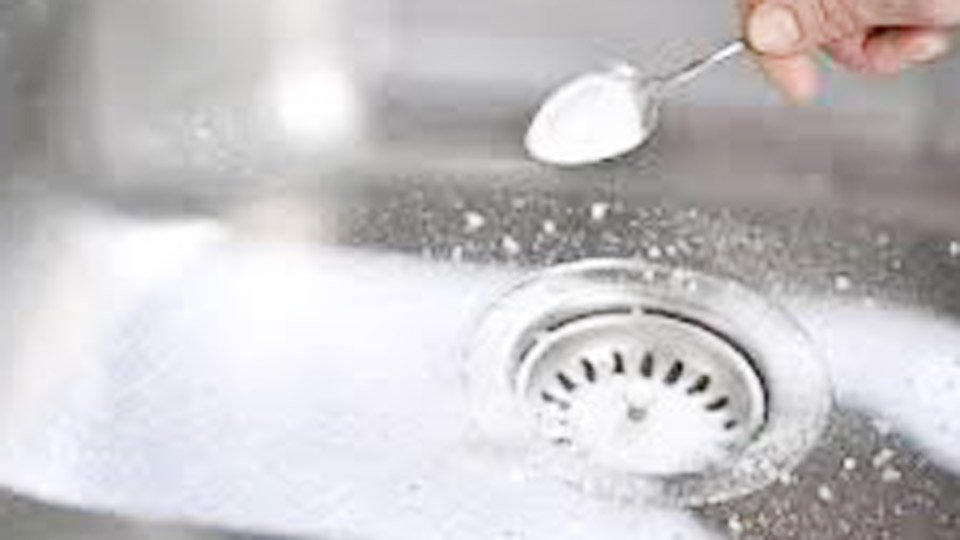
- Sprinkle BKF like you’re salting pasta water
- Let it sit 60 seconds (longer if it’s bad)
- Scrub gently with a non-scratch Scotch-Brite sponge (the blue one)
- Rinse thoroughly
- Dry completely
I do this deep clean once a week on Sunday nights while listening to a podcast. Takes five minutes.
For daily maintenance, I use BKF Soft Cleanser (the liquid version) after dinner. It has a built-in protectant that makes water bead up and roll off for days.
The Mineral Oil Trick That Makes Your Sink Look Wet Even When It’s Dry
This is the secret restaurant kitchens use.
Once a month (or after a deep clean with BKF), put three drops of food-grade mineral oil on a paper towel and buff it into the dry sink. It creates an invisible barrier that makes water bead up like a freshly waxed car.
I buy the thirteen-ounce bottle from Amazon for $8 and it lasts forever. One client swore I had installed a new sink after I did this—she literally cried.
Warning: Use mineral oil, not olive oil or vegetable oil. Those go rancid and smell terrible.
Vinegar: Yes, No, and When
White vinegar works great for removing existing stains, but it doesn’t prevent them long-term.
My vinegar routine for tough spots:
- Fill a spray bottle with undiluted white vinegar
- Spray liberally
- Let sit 10–15 minutes
- Scrub with soft sponge
- Rinse and dry
But vinegar can etch stainless if left too long, so don’t walk away for hours.
I only use vinegar when BKF isn’t enough (rare), or for clients who want completely natural options.
The Products I Actually Use and Recommend (2025 Edition)
Here’s my current sink arsenal:
Daily:
- Kirkland microfiber cloths
- OXO Good Grips squeegee
- Bar Keepers Friend Soft Cleanser
Weekly deep clean:
- Bar Keepers Friend powder
- Non-scratch blue Scotch-Brite sponge
Monthly protection:
- Food-grade mineral oil (Thirteen Chefs brand)
Hard water areas only:
- CLR Brilliant Bath (for faucet aerators—those get clogged fast)
- Apex whole-house water filter (changed my life—worth every penny if you own your home)
Comparison table of my favorite cleaners:
| Product | Best For | Scratch Risk | Scent | Price Point | How Often I Use It |
|---|---|---|---|---|---|
| Bar Keepers Friend Powder | Heavy mineral buildup | Very Low | Mild | $$ | Weekly |
| BKF Soft Cleanser | Daily maintenance | None | Lemon | $$ Daily | |
| White Vinegar | Budget/natural option | Low | Strong | $ As needed | |
| Method Stainless Cleaner | Quick shine, no drying | None | Pleasant | $$$ Occasionally | |
| Weiman Stainless Polish | When I want mirror shine | None | Light | $$$ Special occasions |
How to Clean the Faucet (Because Everyone Forgets This Part)
Water stains on the faucet itself drive me crazier than the sink bowl.
My method:
- Soak a paper towel in vinegar
- Wrap it around the faucet neck and handles
- Wait ten minutes
- Scrub with soft toothbrush
- Polish with microfiber
- Apply tiny drop of mineral oil to keep fingerprints away
Do this once a month and your faucet will look like the day it was installed.
The Hard Water Solution That Costs $30 and Lasts Forever
If you have seriously hard water, get a Culligan or Brita faucet filter. Yes, the kind meant for drinking water.
I installed a $30 Pur faucet filter ten years ago and it’s still going strong. It removes enough minerals that I barely get spots anymore, even when I forget to dry the sink (which still happens when the kids are screaming).
Worth. Every. Penny.
Common Mistakes That Make Everything Worse
- Using bleach (pits the steel)
- Using abrasive cleaners like Comet (leaves micro-scratches that trap more minerals)
- Using steel wool or scratch pads (obvious, but people still do it)
- Leaving wet sponges or dish cloths sitting in the sink
- Letting dishes air-dry in the sink instead of on a rack
- Forgetting to clean under the sink rim (that ledge collects water like crazy)
How Often Should You Really Be Doing All This?
My actual schedule:
Daily: Quick dry with microfiber after dishes (30 seconds)
3x per week: Quick wipe with BKF Soft Cleanser after dinner
Sunday night: Full BKF powder treatment while meal-prepping
First Sunday of the month: Mineral oil treatment
Every 3 months: Deep faucet clean + replace faucet filter cartridge
Adjust based on your water hardness and how much you cook. If you barely use your kitchen, you can stretch everything longer.
The Bottom Line
Preventing water stains on stainless steel sinks isn’t about buying expensive products or spending hours scrubbing. It’s about building two simple habits:
- Don’t let water sit and dry.
- Give it a quick dry every single time.
Everything else (BKF, mineral oil, filters) just makes those habits even more effective.
I’ve had the same stainless steel sink for 18 years. People still think it’s new. The secret isn’t some magic potion—it’s consistency and knowing the right tricks.
FAQ
Q: Can I use olive oil instead of mineral oil?
A: No! Olive oil goes rancid and smells terrible after a few weeks. Only use food-grade mineral oil.
Q: Will this work on brushed stainless steel too?
A: Yes, but always buff with the grain. Brushed stainless hides spots better anyway—you’re lucky!
Q: My sink has scratches—can I still make it look good?
A: Absolutely. Bar Keepers Friend will lighten many scratches, and mineral oil hides the rest visually. Deep scratches may need professional buffing, but most look way better after treatment.
Q: Is it safe to use Bar Keepers Friend every day?
A: I use the Soft Cleanser version daily with zero issues. The powder version I limit to weekly because it’s more abrasive (though still very gentle).
Q: What if I rent and can’t install a water filter?
A: The drying habit + BKF Soft Cleanser will still get you 90% of the way there. I lived in apartments for years and kept my sinks perfect with just those two things.
Now go dry that sink. Your future self is already thanking you.