While I was rushing to get dinner on the table, I accidentally splashed a bit of greasy sauce onto my laminate floor — and of course, it dried before I noticed. Moments like these always remind me why it’s so important to know what not to use to clean laminate floors. Using the wrong product doesn’t just leave streaks; it can actually damage the finish and create bigger headaches down the road.
I’ve learned that the hard way. So today, I’m sharing what I’ve figured out through trial, error, and a few mini cleaning disasters — in hopes it saves you time, stress, and a whole lot of scrubbing.
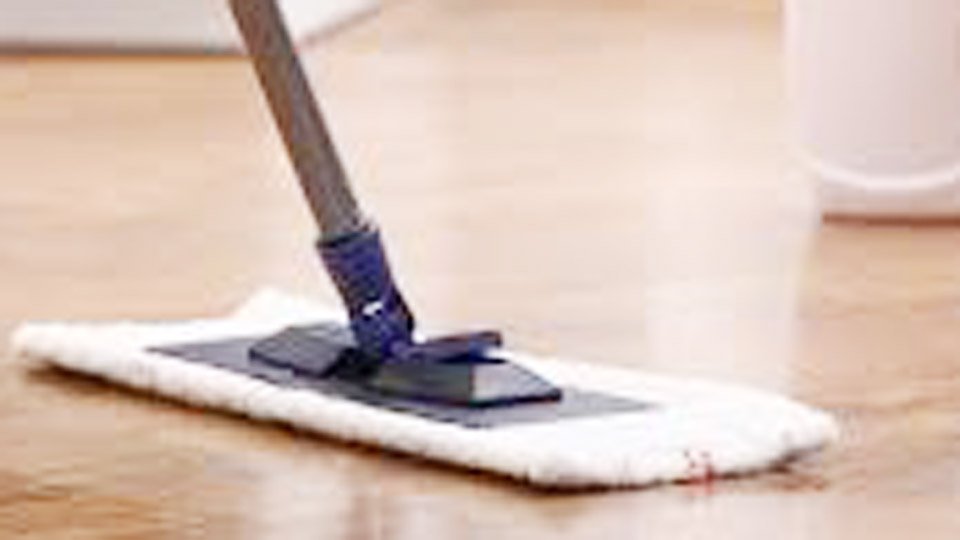
Image by hunker
Why Laminate Is So Picky (And Why It Matters More Than You Think)
Laminate isn’t wood and it isn’t tile—it’s a high-resolution photograph of wood sealed onto a fiberboard core with a tough wear layer on top. That wear layer is your best friend until you damage it, then it’s game over. Water sneaks under it, swells the core, and suddenly you’ve got peaks, gaps, or that awful “bubbled” look nobody can fix without replacing planks. I learned the hard way that treating laminate like hardwood or vinyl is the fastest way to turn a $2,000 floor into a $10,000 regret.
Never, Ever Use These 8 Things on Laminate Floors
1. Steam Mops or Any Steam Cleaner
I see the ads too—“kills 99.9% of germs with just water!”—but steam is liquid death for laminate. The moment that hot vapor hits the seams, it finds every microscopic gap and forces its way in. I steamed a client’s entryway once early in my career (before I knew better) and two days later the planks looked like a topographical map. If you love your steam mop, save it for sealed tile only.
2. Regular Soap, Dish Soap, or “Mop & Shine” Products
Dish soap leaves a film. So do most floor cleaners that promise “shine.” That residue attracts dirt like crazy, and within a week your floor looks dirtier than before you cleaned. I once used Dawn on a rental’s laminate because it was all the tenant left me—three rinses later it was still tacky and streaked.
3. Vinegar (Yes, Even the “Cleaning Vinegar” People Swear By)
I’m the first one to grab vinegar for literally everything else, but straight vinegar or heavy vinegar solutions can dull the finish over time and etch the wear layer. I’ve seen floors go from glossy to hazy in under a year when the homeowner cleaned weekly with a 1:1 vinegar-water mix. A tiny splash in a gallon of water is sometimes okay, but honestly? Skip it entirely.
4. Ammonia or Ammonia-Based Glass Cleaners
Windex, store-brand glass cleaner, anything with ammonia—don’t do it. Ammonia breaks down the protective layer and leaves permanent clouding. A customer once sprayed Windex directly on pet spots because “it works on windows.” The streaks never came out.
5. Bleach or Harsh Disinfectants
Bleach will discolor or whiten laminate instantly. I watched a panicked mom pour straight bleach on a red-wine spill. The wine came out; so did the walnut color in a perfect ghost-white circle. Some disinfectants are safe if heavily diluted and labeled for laminate, but when in doubt, leave it out.
6. Wax, Polish, or Oil-Based Products
Laminate already has a factory finish. Adding wax or “restorative” oils just builds up gunk you can’t remove without stripping the floor completely. I still get calls from people who used Pledge or Orange Glo years ago and now have black footprints that won’t budge.
7. Abrasive Pads, Magic Erasers, or Steel Wool
One scratch through the wear layer and that spot will look dull forever. Magic Erasers are basically ultra-fine sandpaper—great on walls, terrible on laminate. I keep seeing TikToks where people scrub marker off laminate with them and I die a little inside every time.
8. Too Much Water (Even Plain Water)
Excess water is the number-one killer. Wet mops, soaking cloths, leaving puddles—any standing liquid that sits longer than a minute or two starts seeping. I always tell people: if your cleaning method leaves the floor wet enough to feel with your hand, you’re doing it wrong.
What Actually Works: My Go-To Safe Cleaning Routine
After years of trial and expensive error, here’s exactly what I do in my own house and every client home with laminate.
I fill a spray bottle with 1 cup warm water, 1 cup isopropyl alcohol (70%), and 3–4 drops of dish soap that’s labeled “no residue” (I like the clear unscented kind). Lightly mist a 4×4-foot section—never the whole floor at once—then wipe with a barely damp microfiber mop. The alcohol flashes off fast so there’s zero standing water, and the tiny bit of soap lifts dirt without film. For stuck-on gunk, I put a drop of the mix directly on the spot, let it sit 30 seconds, then wipe with a soft cloth.
How to Get Specific Stains Out Without Ruining Everything
Pet accidents → Blot fresh, then use an enzyme cleaner labeled safe for laminate (Nature’s Miracle makes one). Never soak.
Crayon or marker → A dab of rubbing alcohol on a cloth, light circular motions.
Heel marks → Dry magic eraser (yes, dry only) or the eraser end of a pencil.
Nail polish → Non-acetone remover on a cotton round, immediate wipe with damp cloth.
Blood → Cold water and a drop of hydrogen peroxide, blot don’t rub.
The One Tool I Swear By (And the Ones I Avoid)
Give me a quality microfiber flat mop with washable pads and I’m happy. I own the Bona system and a cheap Amazon knock-off that works just as well. What I avoid: Swiffer WetJet (leaves residue), spin mops (too wet), and anything with a tank that sprays a continuous stream.
How Often Should You Really Clean Laminate?
Daily: Dry dust-mop or vacuum with the hard-floor setting (no beater bar!).
Weekly: My spray method above.
Deep clean: Only when something major happens—otherwise you’re over-cleaning and risking damage.
The Floor I Still Feel Guilty About (And What I Learned)
Three years ago I cleaned a retired couple’s entire house while they were on vacation. Their daughter had left me a note: “Just use whatever, the floors are tough.” I used my usual safe mix on most rooms, but ran out of alcohol and “borrowed” their Murphy Oil Soap for the kitchen.
Six months later the daughter called crying—the floor had swollen edges everywhere. I paid to replace three rooms out of pocket. Lesson burned into my brain: never, ever assume. When in doubt, use less, not more.
Your Laminate Will Thank You
Treat your laminate gently and it stays gorgeous for 20+ years. Abuse it with the wrong products and you’re looking at replacement way sooner than you planned. You now know exactly what not to use to clean laminate floors—and more importantly, you’ve got simple, proven methods that actually work.
When you’re tired and just want to “get it done,” that’s when mistakes happen. Take the extra two minutes to grab the right spray bottle. Your floors (and your wallet) will thank you.
Your floors don’t have to be perfect, but they deserve to be treated right. Skip the steam, skip the soap, skip the vinegar—and watch how long that beautiful laminate stays looking brand new.
FAQ
Can you use Bona on laminate floors?
Yes! Bona’s laminate cleaner is one of the few store-bought products specifically formulated to be safe. I still prefer my homemade spray, but Bona is my go-to when I run out.
Is it safe to use a little vinegar sometimes?
A very weak solution (1 tablespoon per gallon) once in a blue moon probably won’t destroy your floor, but why risk it when alcohol works better and faster?
How can I make laminate shine again if it looks dull?
Most “dull” laminate is actually covered in film from wrong cleaners. Do two passes with my alcohol mix, then finish with plain warm water. 9 times out of 10 the shine comes right back.
Will a robot vacuum hurt laminate?
Not if you use one designed for hard floors with the beater bar off. I run my Roomba daily on the laminate setting and it’s been perfect for four years.
What if my laminate is already damaged from water?
If the planks are peaking or swollen, unfortunately replacement is usually the only fix. You can sometimes salvage minor cupping by controlling humidity (40–50%) and waiting months, but don’t get your hopes up.