If you’ve ever walked into your living room and caught that unmistakable smell of cat urine, you know it can stop you in your tracks. I’ve dealt with it more times than I care to admit — sometimes from a new kitten still learning the ropes, and other times from an older cat having an accident. The challenge is that cat urine doesn’t just sit on the surface; it seeps deep into carpet fibers and padding, making it one of the toughest stains and odors to remove.
Choosing the best cleaner for cat urine in carpet isn’t just about stain removal — it’s about deep cleaning to protect your home’s hygiene, prevent lingering smells, and keep your space fresh and inviting. In this guide, I’ll share the eco-friendly solutions, enzyme-based products, and tried-and-true techniques I’ve personally used to completely banish both the stain and the odor, so your carpet looks and smells like nothing ever happened.
Photo by micronsteel
Why Cat Urine in Carpet Is a Big Deal
Cat urine isn’t just an odor problem—it’s a health and home maintenance issue. The ammonia-like smell can linger, making your space feel unclean and unwelcoming. For parents, renters, or anyone with allergies, this can be especially concerning. Left untreated, the urine can seep into carpet padding, creating a breeding ground for bacteria or mold.
Plus, if you’re renting, lingering odors could jeopardize your security deposit. I learned this the hard way when Luna’s accident left a stubborn stain that took weeks to fully eliminate. Addressing it quickly with the right cleaner saves time, money, and stress.
Understanding Cat Urine and Why It’s Tough to Clean
Cat urine is tricky because it’s made up of uric acid, urea, and other compounds that crystallize as they dry. These crystals cling to carpet fibers and padding, making the odor tough to remove with standard cleaners. Over time, humidity can reactivate the crystals, bringing the smell back.
I once tried scrubbing with dish soap and water, only to find the smell returned days later. The key is using cleaners designed to break down uric acid, not just mask the odor.
How Cat Urine Affects Your Carpet
- Staining: The urea in cat urine can leave yellowish marks.
- Odor: Uric acid crystals create a persistent ammonia smell.
- Bacteria Growth: Moist urine in padding can foster harmful bacteria.
- Carpet Damage: Prolonged exposure can weaken fibers or ruin padding.
Choosing the Best Cleaner for Cat Urine in Carpet
After testing various products and methods, I’ve narrowed down what works best. The ideal cleaner should neutralize uric acid, eliminate odors, and be safe for your home and pets. Here are my top picks, tailored for American households, based on effectiveness, affordability, and ease of use.
Enzymatic Cleaners: The Gold Standard
Enzymatic cleaners are my go-to because they use natural enzymes to break down uric acid and eliminate odors at the source. They’re safe for most carpets and pet-friendly when used as directed.
- How They Work: Enzymes digest the organic compounds in urine, neutralizing odor and preventing re-marking.
Top Pick: Nature’s Miracle Cat Urine Destroyer. It’s widely available at stores like PetSmart or Amazon, affordable (around $10-$15 for a 32 oz bottle), and works on fresh and set-in stains. I used it on Luna’s accident, and the smell was gone in 24 hours.
How to Use:
- Blot up as much urine as possible with paper towels.
- Saturate the area with the cleaner, ensuring it reaches the padding.
- Let it sit for 10-15 minutes (or longer for old stains).
- Blot dry and let air dry. Avoid vacuuming until fully dry.
Safety Tip: Always test a small, hidden carpet area first to ensure no discoloration.
DIY Solutions for Budget-Conscious Cleaners
If you’re on a tight budget or prefer natural methods, you can make an effective cleaner at home. I’ve used this when I ran out of store-bought products, and it worked surprisingly well for fresh stains.
- Homemade Recipe:
- 1 cup white vinegar
- 1 cup warm water
- 1/2 tsp dish soap (non-bleach)
- Optional: 1 tsp baking soda for extra odor control
- Steps:
- Blot the urine thoroughly.
- Mix the solution and pour it into a spray bottle.
- Spray generously, let sit for 5-10 minutes, then blot.
- For lingering odors, sprinkle baking soda, let sit for an hour, then vacuum.
Warning: Don’t use vinegar on wool or delicate carpets, as it can damage fibers.
Commercial Non-Enzymatic Cleaners
Some non-enzymatic cleaners, like Resolve Pet Stain & Odor Remover, are effective for surface stains and mild odors. They’re cheaper (around $7-$10) but less effective for deep-set urine. I used Resolve when Luna had a small accident, and it worked for the surface but didn’t fully eliminate the padding odor.
- Best Use Case: Fresh, shallow stains on synthetic carpets.
- How to Use: Follow the bottle instructions, usually spraying and blotting.
Step-by-Step Guide to Cleaning Cat Urine from Carpet
Here’s my tried-and-true process for tackling cat urine, whether it’s fresh or old. This method saved my living room carpet and can work for you too.
Step 1: Act Fast
The sooner you address the urine, the better. Fresh urine is easier to remove before it crystallizes. When I caught Luna’s accident early, I blotted up the mess with paper towels, pressing firmly to soak up as much liquid as possible.
Step 2: Choose Your Cleaner
Pick an enzymatic cleaner like Nature’s Miracle for best results. If you’re using a DIY solution, ensure you have enough to saturate the area. I keep a bottle of enzymatic cleaner in my cleaning closet for emergencies.
Step 3: Apply the Cleaner
- For Enzymatic Cleaners: Pour or spray enough to soak through to the padding. I learned to be generous here—skimping won’t reach deep stains.
- For DIY Solutions: Spray the vinegar mix, let it sit, and blot. Follow with baking soda if needed.
Step 4: Let It Sit
Patience is key. Enzymatic cleaners need 10-15 minutes (or up to an hour for old stains) to break down uric acid. I usually set a timer and keep pets and kids away during this time.
Step 5: Blot and Dry
Use clean towels to blot excess cleaner. Let the area air dry completely, which can take 24-48 hours. I place a fan nearby to speed things up. Avoid walking on the area or vacuuming until dry to prevent spreading residue.
Step 6: Check for Odor
After drying, sniff the area closely. If the smell lingers, repeat the process. For Luna’s stubborn stain, I had to apply Nature’s Miracle twice, but it worked.
Tools to Make Cleaning Easier
Having the right tools makes a big difference. Here’s what I keep on hand:
- Paper Towels or Rags: For blotting up fresh urine.
- Spray Bottle: For applying DIY solutions evenly.
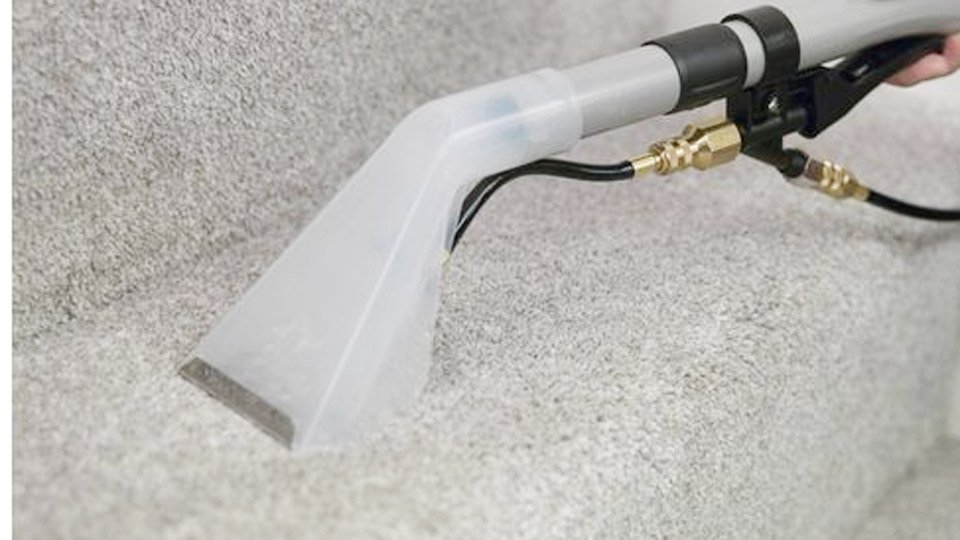
- Carpet Cleaner Machine: A small machine like the Bissell Pet Stain Eraser (around $100) is great for deep cleaning.
- UV Blacklight: Helps find old, hidden stains (available for $10-$20 online).
- Fan: Speeds up drying to prevent mold.
Preventing Future Accidents
Cleaning is only half the battle—stopping your cat from re-marking is just as important. Cats often return to the same spot if the odor isn’t fully gone. Here’s how I keep Luna from repeat offenses:
- Litter Box Maintenance: Ensure it’s clean and in a quiet, accessible spot.
- Stress Reduction: Cats may urinate due to stress. I added a cozy cat bed and playtime to keep Luna calm.
- Odor Neutralization: Enzymatic cleaners prevent re-marking by eliminating scent triggers.
- Veterinary Check: Sudden accidents can signal health issues. I took Luna to the vet to rule out urinary problems.
Real-World Scenarios: Cleaning Cat Urine in Different Situations
Every home is different, so here are tips for common scenarios American pet owners face.
Scenario 1: Renter with a Tight Budget
If you’re renting and worried about your deposit, stick to affordable enzymatic cleaners like Angry Orange Pet Odor Eliminator (around $20 for a concentrate). Use the DIY vinegar solution for minor accidents. Always test cleaners to avoid carpet damage, as landlords can be picky.
Scenario 2: Parent with Kids and Pets
For busy parents, safety is key. Choose pet- and kid-safe enzymatic cleaners. Keep kids away during cleaning to avoid contact with wet cleaners. I use a baby gate to block off the area while it dries.
Scenario 3: Homeowner with High-Traffic Carpets
If your carpets see heavy use, invest in a carpet cleaner machine. I used a Bissell machine for Luna’s repeat accidents in our family room, and it saved the carpet. Regular vacuuming and spot cleaning also help maintain high-traffic areas.
Dos and Don’ts of Cleaning Cat Urine
Here’s a quick checklist to keep you on track:
| Do | Don’t |
|---|---|
| Act quickly to blot up urine | Use ammonia-based cleaners (they mimic urine smell) |
| Use enzymatic cleaners for deep stains | Scrub hard—it pushes urine deeper |
| Test cleaners on a hidden area | Steam clean before neutralizing odor (it sets the smell) |
| Let the area air dry fully | Ignore the padding—it harbors odor |
Safety Warnings for Cleaning Cat Urine
- Avoid Toxic Mixes: Never mix bleach with ammonia-based cleaners or vinegar—it can create harmful gases.
- Ventilation: Open windows when using strong cleaners to avoid inhaling fumes.
- Pet Safety: Keep cats away from treated areas until dry to prevent ingestion.
- Allergy Concerns: Wear gloves if you have sensitive skin or allergies.
When to Call a Professional
If the stain or odor persists after multiple attempts, or if the urine has soaked through to the subfloor, it might be time for a pro. Professional carpet cleaners use industrial enzymatic solutions and equipment to tackle deep-set stains. I called one when Luna’s accidents spread to a large area, and it cost about $150 but saved my carpet.
Reclaim Your Fresh, Clean Home
Dealing with cat urine in your carpet can feel overwhelming, but with the right cleaner and approach, you can restore your home’s freshness and keep it a safe, welcoming space. Whether you choose an enzymatic cleaner like Nature’s Miracle, a budget-friendly DIY solution, or a professional service, acting fast and thoroughly is the key to success.
I’ve been there, scrubbing and stressing over Luna’s accidents, but each time, I learned what works and gained confidence in keeping my home clean. You’ve got this—your carpet can be odor-free, your pets can stay happy, and your home can feel like yours again. Start with a good cleaner, follow these steps, and enjoy a fresher, healthier living space.
FAQ
What is the best enzymatic cleaner for cat urine in carpet?
Nature’s Miracle Cat Urine Destroyer is highly effective, affordable, and widely available. It breaks down uric acid to eliminate odors and is safe for most carpets when used as directed.
Can I use vinegar to clean cat urine from carpet?
Yes, a mix of white vinegar, water, and dish soap works well for fresh stains. Spray generously, let sit for 5-10 minutes, and blot dry. Avoid using vinegar on wool carpets.
Why does the cat urine smell come back after cleaning?
The smell returns if the cleaner doesn’t reach the carpet padding where uric acid crystals linger. Use an enzymatic cleaner and saturate the area to fully neutralize the odor.
Is it safe to use enzymatic cleaners around pets and kids?
Most enzymatic cleaners are pet- and kid-safe once dry, but keep them away during application and drying. Always check the product label for specific safety instructions.
How can I prevent my cat from urinating on the carpet again?
Clean thoroughly with an enzymatic cleaner to remove odor triggers, maintain a clean litter box, reduce stress with play or cozy spaces, and consult a vet to rule out health issues.