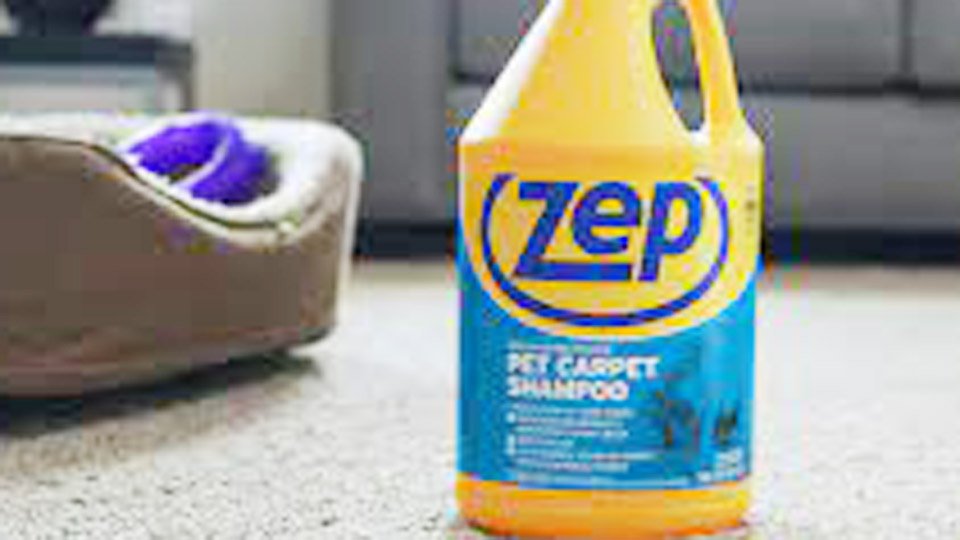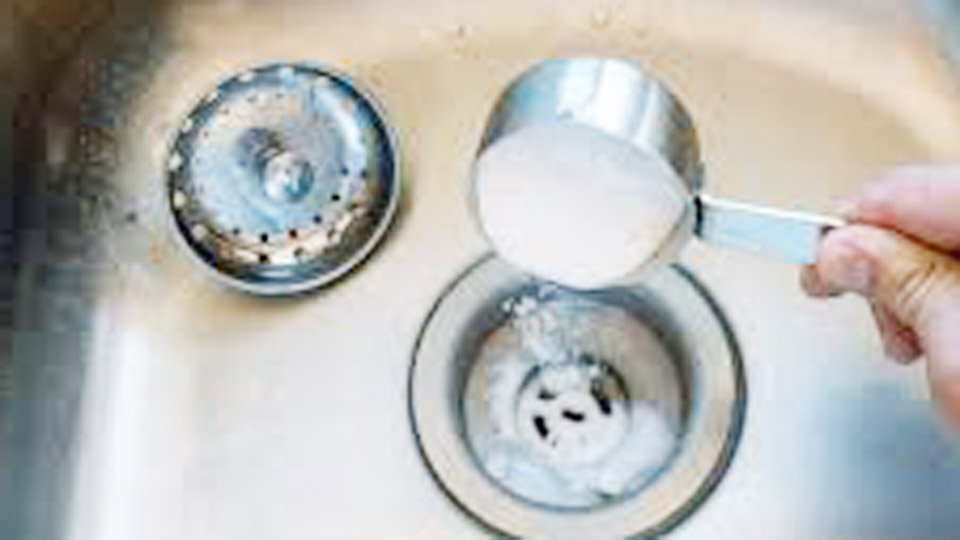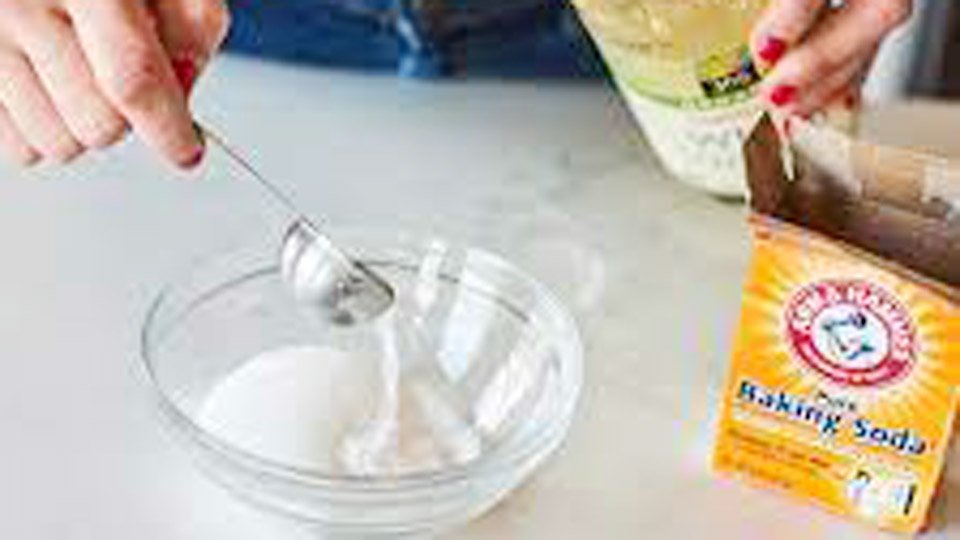
As a pet owner, I know the joy of coming home to a wagging tail or a purring cat, but I also know the frustration of finding a fresh pet urine stain on my tile floor. It’s disheartening when your clean, shiny tiles are marred by odors or discoloration, especially when you’re searching for the best tile cleaner for pet urine that’s safe, effective, and won’t break the bank.
Whether you’re a homeowner, renter, parent, or cleaning enthusiast, pet accidents are a reality we all face. Keeping your home clean, hygienic, and odor-free matters—not just for aesthetics but for your family’s health and your pet’s well-being. Let’s dive into practical, real-world solutions to tackle pet urine on tile floors, based on my own experiences and insights into what works.
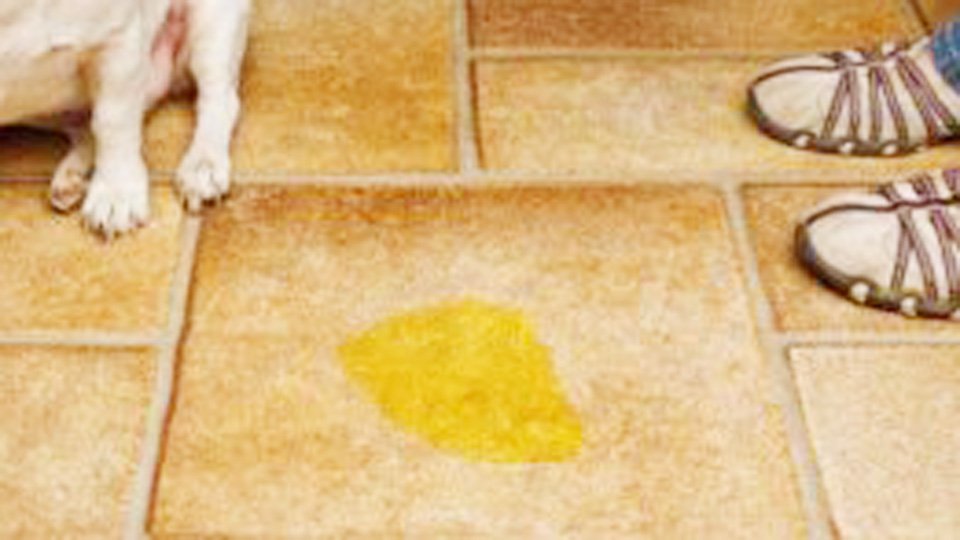
Image by villatulumba
Why Pet Urine on Tile Floors Is a Big Deal
Pet urine isn’t just a cosmetic issue; it can affect your home’s hygiene and even your pet’s behavior. The ammonia in urine can linger, attracting your pet to mark the same spot again. For families with kids or pets crawling on the floor, a clean surface is critical to avoid bacteria or allergens.
Plus, nobody wants their home to smell like a kennel. I’ve been there—mopping up a mess only to realize the odor persists, making me wonder if I’m using the right cleaner. The good news? With the right approach, you can eliminate stains, odors, and keep your tiles sparkling.
Understanding Pet Urine and Tile Floors
Tile floors are durable and easy to clean, which is why so many pet owners choose them. But grout, being porous, can absorb urine, leading to stubborn stains and odors. The key is using a cleaner that breaks down the uric acid and proteins in pet urine, not just masks the smell.
Enzymatic cleaners are especially effective because they digest these organic compounds, preventing your pet from remarking the spot. I learned this the hard way after using a generic cleaner that left my kitchen tiles smelling faintly of cat pee for weeks.
How to Spot a Pet Urine Stain
Fresh urine is easier to clean, but older stains can be trickier. Look for:
- Yellowish or brownish discoloration on grout or tile edges.
- A lingering ammonia-like smell, especially in warm or humid conditions.
- Your pet sniffing or circling a specific area repeatedly.
If you catch the accident early, you’re in luck. If not, don’t worry—there are solutions for set-in stains too.
Choosing the Best Tile Cleaner for Pet Urine
Finding the best tile cleaner for pet urine means balancing effectiveness, safety, and affordability. After countless spills from my rescue dog, I’ve tested various cleaners and methods. Here’s what to look for:
- Enzymatic Formula: Breaks down urine at a molecular level.
- Pet-Safe Ingredients: Non-toxic for homes with kids and pets.
- Tile-Safe: Won’t damage grout or tile finishes.
- Ease of Use: Spray bottles or concentrates that work with mops.
- Affordability: Budget-friendly for frequent use.
My Go-To Cleaning Method for Fresh Pet Urine
When my dog has an accident, I act fast to prevent the urine from seeping into the grout. Here’s my step-by-step process:
- Blot the Mess: Use paper towels to soak up as much urine as possible. Avoid rubbing, as it pushes the liquid deeper into grout.
- Apply an Enzymatic Cleaner: I spray a pet-safe enzymatic cleaner, like one with bio-enzymes, directly on the spot. Let it sit for 5–10 minutes to break down the urine.
- Scrub Gently: Use a soft-bristle brush to work the cleaner into the grout.
- Wipe and Rinse: Mop with warm water to remove residue. Dry with a clean cloth to prevent water spots.
- Check for Odor: Sniff the area after it dries. If the smell lingers, repeat the process.
This method has saved my kitchen tiles countless times, especially during puppy training.
Dealing with Set-In Pet Urine Stains
Older stains require extra effort, as the urine may have penetrated the grout. Here’s how I tackle them:
- Create a Paste: Mix baking soda with a small amount of water to form a paste. Apply it to the stained grout.
- Add Hydrogen Peroxide: Pour a small amount of 3% hydrogen peroxide over the paste. Let it fizz and sit for 10 minutes.
- Scrub Thoroughly: Use a grout brush to scrub the area. The combination breaks down uric acid crystals.
- Apply Enzymatic Cleaner: Spray an enzymatic cleaner and let it sit for 15 minutes to neutralize odors.
- Rinse and Dry: Mop with water and dry with a microfiber cloth.
This method worked wonders when I discovered an old stain under a rug in my living room.
Top Store-Bought Cleaners for Pet Urine on Tile
After trying dozens of products, I’ve narrowed down a few favorites that consistently deliver results. These are safe, effective, and widely available in the USA:
| Cleaner | Key Features | Best For | Price Range |
|---|---|---|---|
| Nature’s Miracle Stain & Odor Remover | Enzymatic, pet-safe, fresh scent | Fresh and set-in stains | $10–$15 |
| Simple Solution Pet Urine Destroyer | Bio-enzymatic, three-in-one nozzle | Multi-pet homes | $8–$12 |
| Rocco & Roxie Stain & Odor Eliminator | Enzyme-activated, chlorine-free | Tough, old stains | $15–$20 |
| Angry Orange Pet Stain Remover | Citrus-based, non-toxic | Odor elimination | $12–$18 |
| Urine Off Dog & Puppy Formula | Bio-enzymatic, eco-friendly | Grout and tile | $10–$15 |
Why I Love These Cleaners
Nature’s Miracle: Its large 128-ounce bottle is perfect for frequent accidents, and it cuts through dried urine like a charm.
Simple Solution: The adjustable nozzle makes it easy to target small or large areas, and it’s great for both dog and cat urine.
Rocco & Roxie: This cleaner tackles deep-set stains, leaving a pleasant scent. It’s a bit pricier but worth it for stubborn messes.
Angry Orange: The citrus scent is refreshing, and it’s derived from natural orange peels, making it a green choice.
Urine Off: It’s eco-friendly and earned the Carpet and Rug Institute’s Seal of Approval, so I trust it on my tiles.
Safety Warning: Always test cleaners on a small, hidden area of your tile to ensure they don’t damage the finish or grout. Keep pets and kids away while the cleaner works, and ensure good ventilation.
DIY Solutions for Budget-Conscious Cleaners
If you’re like me, you sometimes prefer a homemade solution, especially when budgets are tight. Here are two DIY recipes that have worked for me:
Vinegar and Baking Soda Solution
- Ingredients: 1 cup white vinegar, 1/2 cup baking soda, 2 cups warm water.
- Steps:
- Mix vinegar and water in a spray bottle.
- Sprinkle baking soda on the stain.
- Spray the vinegar solution over the baking soda. Let it fizz for 5 minutes.
- Scrub with a soft brush, then mop with clean water.
- Best For: Fresh stains and mild odors.
Hydrogen Peroxide and Dish Soap Mix
- Ingredients: 1/4 cup 3% hydrogen peroxide, 1 tsp dish soap, 1 cup water.
- Steps:
- Combine ingredients in a spray bottle.
- Spray the stained area and let it sit for 10 minutes.
- Scrub gently, then rinse and dry.
- Best For: Stubborn stains on grout.
Safety Warning: Never mix vinegar with bleach or ammonia-based cleaners, as this can produce toxic fumes. Always store DIY solutions in labeled containers away from kids and pets.
Tools to Make Cleaning Easier
The right tools can make all the difference. Here’s what I keep in my cleaning arsenal:
- Microfiber Mop: Highly absorbent and gentle on tiles. I love mops with spray bottle attachments for easy application.
- Grout Brush: A small, stiff-bristled brush is perfect for scrubbing grout lines.
- Spray Bottle: Ideal for applying DIY or store-bought cleaners evenly.
- Rubbermaid Cordless Power Scrubber: Great for tough stains, as it scrubs faster than manual methods.
Real-World Scenario: Puppy Training Woes
When I adopted my puppy, Max, accidents were a daily occurrence. One morning, I found a puddle on my bathroom tiles. I grabbed my microfiber mop, sprayed Nature’s Miracle, and let it sit while I made coffee.
After a quick scrub and rinse, the tiles were spotless, and Max didn’t return to the spot. Having the right cleaner and tools made the process stress-free, even during those chaotic puppy months.
Preventing Future Pet Accidents
Cleaning is only half the battle—preventing accidents is key. Here’s what’s worked for me:
- Regular Potty Breaks: Take your pet outside frequently, especially during training.
- Positive Reinforcement: Reward your pet for going outside with treats or praise.
- Pee Pads or Indoor Grass Patches: Useful for puppies or senior dogs with bladder issues.
- Seal Your Grout: Apply a grout sealer every 1–2 years to prevent urine penetration.
Do’s and Don’ts for Pet Urine Cleanup
Do:
- Act quickly to blot up fresh urine.
- Use pet-safe, enzymatic cleaners.
- Ventilate the area while cleaning.
- Rinse thoroughly to avoid residue.
Don’t:
- Use bleach on grout, as it can discolor or weaken it.
- Rub stains, as this spreads the urine.
- Ignore odors, as they can attract your pet back to the spot.
When to Call a Professional
Sometimes, deep-set stains or persistent odors require expert help. If you’ve tried multiple cleaners and the smell lingers, consider a professional cleaning service. They use high-heat steam cleaning (up to 310°F) to blast away stains and odors from grout. This is especially helpful for renters who want to ensure their deposit isn’t at risk due to pet damage.
My Experience with Professional Cleaning
When I moved into a new apartment, I noticed a faint urine smell in the hallway tiles, likely from the previous tenant’s pet. After failing to eliminate it with DIY methods, I hired a professional service. They steam-cleaned the tiles and sealed the grout, leaving the floor odor-free and shiny. It was a game-changer for my peace of mind.
Keeping Your Home Safe and Hygienic
Pet urine can harbor bacteria, which is a concern for households with kids or immunocompromised individuals. Using enzymatic cleaners or disinfectants ensures your floors are sanitary. I also mop my tiles weekly with a pet-safe floor cleaner to maintain a healthy environment. This routine keeps my home welcoming for guests and safe for my family.
Motivational Conclusion
Dealing with pet urine on tile floors can feel overwhelming, but with the right cleaner and approach, you can keep your home clean, fresh, and inviting. Whether you choose a store-bought enzymatic cleaner like Nature’s Miracle or a DIY vinegar solution, the key is acting quickly and using products that break down urine effectively. These methods are affordable, safe for your pets and family, and easy to incorporate into your busy life.
FAQ
What is the best tile cleaner for pet urine?
Enzymatic cleaners like Nature’s Miracle, Simple Solution, or Rocco & Roxie are top choices because they break down uric acid and eliminate odors. They’re safe for tiles and grout, making them ideal for pet owners.
Is it safe to use bleach on tile floors for pet urine?
Avoid bleach, as it can discolor grout and may not fully eliminate urine odors. It can also produce harmful fumes if mixed with ammonia in urine. Stick to enzymatic or natural cleaners.
Can I use vinegar to clean pet urine from tiles?
Yes, vinegar mixed with water is effective for fresh stains and mild odors. Combine it with baking soda for extra power, but avoid mixing with bleach or ammonia-based cleaners.
How do I prevent my pet from urinating on the same spot?
Use an enzymatic cleaner to fully remove the odor, as lingering smells attract pets to remark. Regular potty breaks, training, and positive reinforcement also help prevent accidents.
Are professional cleaning services worth it for pet urine stains?
For deep-set stains or persistent odors, professional steam cleaning and grout sealing can be highly effective, especially for renters or homeowners dealing with old messes.