When I spotted fuzzy green patches on the wooden baseboards in my basement, my heart sank. As a homeowner and parent, I worried about mold’s impact on my family’s health and our home’s condition. I immediately wondered, Can I leave vinegar on mold overnight on wood? It’s a question many USA-based homeowners, renters, parents, and cleaning enthusiasts ask when facing mold on wooden surfaces.
Mold isn’t just unsightly—it can affect air quality and damage wood. This guide shares my practical, safe, and affordable methods to tackle mold on wood, addressing whether vinegar is effective and how to clean without harming your home or family.
Mold thrives in damp areas, and wooden surfaces like floors, furniture, or baseboards are prime targets. For families, mold can trigger allergies or respiratory issues. Renters risk deposit losses from damage, and homeowners want to protect their property.
I’ll walk you through why vinegar may not be the best choice for wood, alternative methods, and tips to keep your home mold-free, all tailored for busy American households.
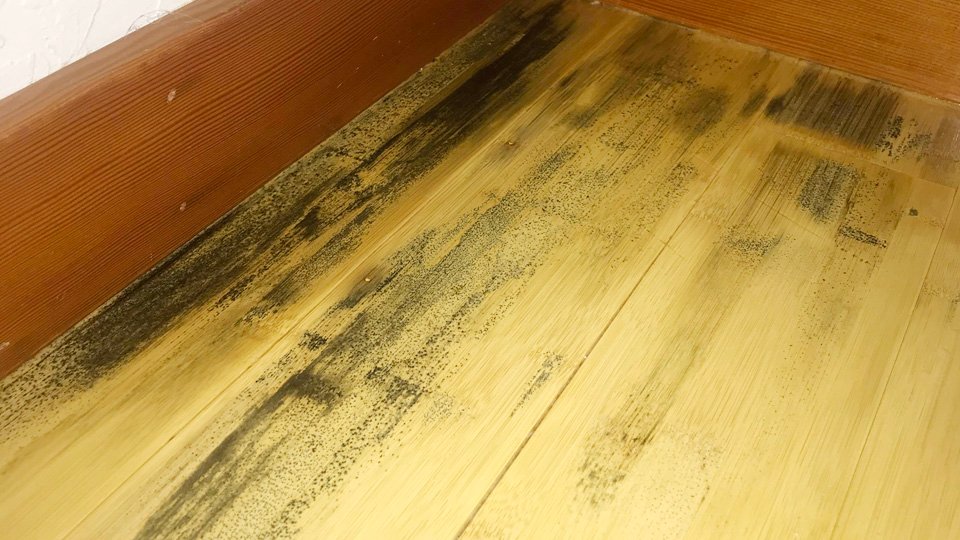
Photo by reddit
Why Mold on Wood Is a Problem
Mold on wood isn’t just a cosmetic issue—it’s a health and structural concern. I learned this when damp weather turned my basement into a mold hotspot. Here’s why it matters.
Health Risks for Your Family
Mold releases spores that can cause allergies, asthma flare-ups, or respiratory issues, especially for kids or those with sensitivities. My son’s sneezing worsened until I tackled the mold in our basement. A clean, mold-free home is crucial for a healthy living space.
Damage to Wooden Surfaces
Wood is porous, allowing mold to penetrate deeply, especially on unfinished or unsealed surfaces. Left untreated, it can weaken wood, cause warping, or ruin finishes. For renters, this could mean repair costs. Homeowners face potential refinishing or replacement expenses.
Preventing Mold Spread
Mold spreads quickly via spores, especially in damp areas. I noticed mold spreading from one baseboard to nearby furniture until I acted fast. Proper cleaning stops mold from taking over other areas of your home.
Can Vinegar Be Used on Moldy Wood?
Vinegar is a popular natural cleaner, but is it safe and effective for mold on wood? I’ve experimented with it, and here’s what I found.
Vinegar’s Limitations on Wood
Vinegar’s acetic acid can kill surface mold, but it struggles to penetrate deeply into wood’s porous structure. I tried vinegar on a moldy wooden shelf, and while it reduced the surface fuzz, the odor returned days later. Experts suggest vinegar only kills about 80% of mold species and may not reach deep roots.
Risks of Leaving Vinegar on Wood Overnight
Leaving vinegar on wood overnight can damage finishes or cause warping due to its acidity. I once left a vinegar-soaked cloth on a wooden table too long, and it dulled the varnish. For sealed or polished wood, prolonged exposure is risky, and even on unfinished wood, it may not fully eliminate mold.
When Vinegar Might Work
For small, surface-level mold patches on unfinished wood, vinegar can be a quick fix if used carefully. However, for deeper infestations or finished wood, safer alternatives exist. I’ve shifted to other methods for my home to avoid potential damage.
Safety Warning: Never use vinegar on waxed, varnished, or polished wood, as it can strip finishes. Test in a hidden area first.
Safe Methods to Remove Mold from Wood
Since vinegar isn’t ideal for wood, here are my go-to methods for safely removing mold, keeping your wood intact and your home healthy.
Cleaning Small Mold Patches with Dish Soap
For minor mold on sealed or painted wood, a mild soap solution works well.
- Step 1: Mix a few drops of pH-neutral dish soap (like Dawn, about $3 at Walmart) with warm water in a spray bottle.
- Step 2: Spray the moldy area lightly and let it sit for 1–2 minutes.
- Step 3: Scrub gently with a soft-bristled brush to avoid scratching the wood.
- Step 4: Wipe with a clean, damp cloth, then dry thoroughly with a microfiber cloth.
Tip: I used this method on my painted baseboards, and it removed surface mold without harming the finish.
Safety Warning: Avoid soaking the wood, as excess moisture can worsen mold growth. Dry completely to prevent warping.
Using Hydrogen Peroxide for Deeper Mold
Hydrogen peroxide is my favorite for penetrating mold on unfinished wood.
- Step 1: Use 3% hydrogen peroxide (about $2 at Target) in a spray bottle.
- Step 2: Spray the moldy area, ensuring full coverage, and let it sit for 10 minutes.
- Step 3: Scrub with a soft brush, then wipe with a damp cloth.
- Step 4: Dry thoroughly with a microfiber cloth or fan.
Tip: I used hydrogen peroxide on an old wooden chair in my garage, and it eliminated both mold and odor.
Safety Warning: Test on a hidden area, as hydrogen peroxide can lighten some wood finishes. Wear gloves to avoid skin irritation.
Baking Soda Paste for Stubborn Spots
For small, stubborn mold stains, a baking soda paste is effective and safe.
- Step 1: Mix 1 tablespoon of baking soda with water to form a thick paste.
- Step 2: Apply the paste to the mold with a cloth or spatula.
- Step 3: Let it sit for 10–15 minutes, then scrub with a soft brush.
- Step 4: Rinse with a damp cloth and dry completely.
Tip: I used this on a moldy wooden shelf, and it lifted stains without damaging the wood.
Safety Warning: Avoid abrasive scrubbing, as it can scratch wood surfaces.
Deep Cleaning Moldy Wood Surfaces
For larger or recurring mold issues, deep cleaning is essential. Here’s how I tackle mold on wood furniture, floors, or baseboards.
Sanding for Severe Mold
If mold has penetrated deeply into unfinished wood, sanding is effective but requires care.
- Step 1: Wear a mask and gloves to avoid inhaling spores.
- Step 2: Use fine-grit sandpaper (120–150 grit) to lightly sand the moldy area.
- Step 3: Vacuum the dust with a HEPA-filter vacuum (like a Shop-Vac, about $80 at Home Depot).
- Step 4: Wipe with a damp cloth and hydrogen peroxide, then dry thoroughly.
Tip: I sanded a moldy wooden beam in my basement, and it restored the surface beautifully.
Safety Warning: Sand outdoors if possible to avoid spreading spores. Dispose of dust in a sealed bag.
Sealing Wood After Cleaning
Sealing prevents future mold growth by reducing wood’s porosity.
- Step 1: Clean and dry the wood completely.
- Step 2: Apply a mold-resistant sealant (like Kilz Mold & Mildew Primer, about $20 at Lowe’s) with a brush or roller.
- Step 3: Let it dry for 24 hours before using the area.
Tip: I sealed my basement baseboards after cleaning, and it’s kept mold at bay.
Using a Dehumidifier
Mold loves moisture, so controlling humidity is key. I run a dehumidifier (like a Frigidaire, about $200 at Amazon) in my basement to keep humidity below 50%.
Tip: Empty the dehumidifier’s tank regularly to maintain effectiveness.
Tools and Products for Mold Removal on Wood
Here’s a list of affordable supplies I use, available at stores like Walmart or Home Depot.
| Tool/Product | Use | Where to Find |
|---|---|---|
| Microfiber Cloths | Wiping and drying | Costco, Target |
| pH-Neutral Dish Soap | Surface cleaning | Walmart, Grocery stores |
| 3% Hydrogen Peroxide | Killing deep mold | Target, Pharmacies |
| Baking Soda | Stain and odor removal | Grocery stores |
| Fine-Grit Sandpaper | Removing deep mold | Home Depot, Lowe’s |
| HEPA Vacuum | Removing mold spores | Home Depot, Amazon |
| Mold-Resistant Sealant | Preventing mold | Lowe’s, Home Depot |
Safety Note: Always check product labels to ensure they’re safe for wood and follow instructions.
Preventing Mold on Wooden Surfaces
Cleaning mold is only half the battle—prevention is key. Here’s how I keep my home mold-free.
Control Moisture
- Run a dehumidifier in damp areas like basements or bathrooms.
- Fix leaks in pipes, roofs, or windows immediately.
- Use exhaust fans in bathrooms and kitchens to reduce humidity.
Tip: I check my basement for leaks after heavy rain to catch issues early.
Improve Airflow
- Open windows or use fans to circulate air.
- Keep furniture slightly away from walls to allow air movement.
Tip: I rearranged my basement furniture to improve airflow, and it’s reduced mold significantly.
Regular Cleaning
- Dust wooden surfaces weekly with a damp cloth to prevent spore buildup.
- Inspect hidden areas like under furniture or behind baseboards monthly.
Apply Protective Finishes
Use mold-resistant paints or sealants on wooden surfaces in high-moisture areas. I painted my basement walls with mold-resistant paint, and it’s made a big difference.
Real-Life Cleaning Scenarios
Every home is different. Here’s how to apply these methods in common situations:
Busy Family Home: With kids playing on floors, use dish soap for quick cleanups and a dehumidifier to prevent mold. Check baseboards regularly.
Rental Apartment: Stick to gentle cleaners like soap to avoid damaging leased wood. Sealant may require landlord approval.
Pet Owners: Pets can track moisture indoors, so dry floors immediately and use hydrogen peroxide for mold from spills or accidents.
Cleaning Enthusiast: Experiment with baking soda paste for stains and invest in a HEPA vacuum for thorough spore removal.
Dos and Don’ts for Cleaning Mold on Wood
| Do | Don’t |
|---|---|
| Use pH-neutral cleaners on finished wood | Leave vinegar on wood overnight |
| Test cleaners on a hidden area | Use bleach, as it can damage wood |
| Dry wood thoroughly after cleaning | Soak wood with excess liquid |
| Wear protective gear to avoid spores | Scrub aggressively, risking scratches |
When to Call a Professional
If mold covers more than 10 square feet or persists after cleaning, call a professional. They can:
- Use commercial-grade cleaners like hydrogen peroxide-based solutions.
- Remove and replace heavily moldy wood.
- Test air quality to ensure mold is gone.
I hired a pro when mold spread across a basement wall, and they resolved it for about $500.
Tip: Look for certified mold remediation services like Servpro or local specialists.
Motivational Conclusion
Tackling mold on wood can feel overwhelming, but with the right approach, you can keep your home safe and beautiful. While leaving vinegar on mold overnight on wood isn’t recommended due to potential damage, alternatives like hydrogen peroxide, dish soap, or sanding are effective and safe.
I’ve transformed my moldy basement into a clean, healthy space for my family, and you can too. Start with quick cleaning, control moisture, and seal wood for lasting protection. Your home will be a safe haven for your loved ones, and you’ll feel confident handling mold like a pro!
Frequently Asked Questions
Can I Leave Vinegar on Mold Overnight on Wood?
No, vinegar’s acidity can damage wood finishes or cause warping if left overnight. Use it briefly (10–15 minutes) on unfinished wood, then rinse and dry, or opt for hydrogen peroxide.
Is Hydrogen Peroxide Safe for Wood?
Yes, 3% hydrogen peroxide is safe for most wood if tested first. Apply, let sit for 10 minutes, scrub, and dry thoroughly to avoid moisture damage.
How Do I Know If Mold Has Penetrated Deep into Wood?
If mold returns after surface cleaning or you see discoloration beneath the surface, it’s likely deep-rooted. Sanding or professional removal may be needed.
Can I Use Bleach to Remove Mold from Wood?
Avoid bleach, as it only kills surface mold and can damage wood finishes or encourage deeper mold growth due to its water content.
How Often Should I Check Wood for Mold?
Inspect wooden surfaces monthly, especially in damp areas like basements or bathrooms. Regular cleaning and moisture control prevent mold buildup.