We’ve all been spilling something sticky on the kitchen floor or noticing grime building up in high-traffic areas, wondering, “Can I mop my floors with bleach to get them sparkling clean?” I’ve asked myself that question plenty of times while scrubbing my own hardwood and tile floors. Bleach is a powerful disinfectant, and I’ve used it to tackle everything from pet messes to mystery stains.
But it’s not a one-size-fits-all solution. Using bleach the wrong way can damage your floors or leave you coughing from fumes. Let me share my experience-based approach to mopping floors with bleach safely and effectively, so you can keep your home fresh without any mishaps.
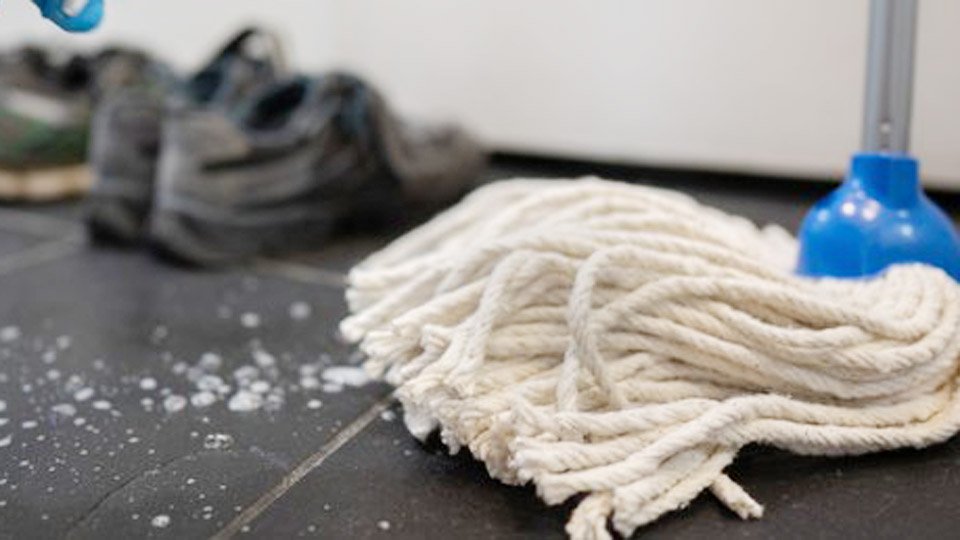
Image by ehow
Why Bleach Is a Go-To for Floor Cleaning
Bleach is a cleaning superhero for good reason. It kills bacteria, viruses, and mold, making it ideal for disinfecting floors where kids or pets play. I’ve relied on it to zap germs in my bathroom and kitchen, especially after hosting friends or dealing with a sick household.
But bleach is strong, and not every floor type loves it. Knowing which floors can handle it and how to use it properly is key to avoiding damage while getting that deep-clean feel.
What Is Bleach, Anyway?
Bleach, typically sodium hypochlorite, is a chemical disinfectant that breaks down organic material like dirt, grease, and germs. You’ll find it in most grocery stores as liquid bleach, often labeled for household use.
I stick to regular, unscented bleach for floor cleaning—scented or concentrated versions can leave residue or be too harsh. Always check the label to ensure it’s safe for your flooring type.
Safety Precautions Before You Start
I learned the hard way that bleach needs respect. Once, I mopped without gloves and ended up with dry, irritated hands. Now, I always wear rubber gloves and keep windows open for ventilation.
Never mix bleach with ammonia or vinegar—it can create toxic fumes. I also keep a spray bottle of plain water handy for quick skin or surface rinses. If you’ve got kids or pets, make sure they’re out of the room while you’re cleaning.
Which Floors Can You Mop with Bleach?
Not all floors are bleach-friendly. Here’s a quick guide based on my experience cleaning various surfaces in my home and friends’ houses.
| Floor Type | Bleach-Safe? | Notes |
|---|---|---|
| Ceramic/Porcelain Tile | Yes | Dilute well; rinse thoroughly to avoid residue. |
| Vinyl/Linoleum | Yes | Use a weak solution to prevent discoloration. |
| Sealed Hardwood | Sometimes | Very diluted solution; test first to avoid stripping finish. |
| Laminate | Rarely | Avoid if possible; can cause warping or fading. |
| Unsealed Wood | No | Bleach can damage the wood or cause discoloration. |
| Natural Stone (Marble, Granite) | No | Bleach can etch or dull the surface. |
Testing Your Floors First
Before mopping with bleach, test it on a hidden spot, like under furniture or in a corner. I once skipped this step on a friend’s laminate floor and noticed a slight fade—yikes! Apply a small amount of diluted bleach, wait 5 minutes, and check for damage or color change. If it’s fine, you’re good to go.
Step-by-Step Guide to Mopping Floors with Bleach
Here’s how I mop my floors with bleach to get them clean and germ-free. This method works for tile, vinyl, and some sealed hardwood floors. It’s simple but requires care to avoid mistakes.
Gather Your Supplies
Having the right tools makes mopping easier and more effective. Here’s what I use:
| Supply | Purpose | Alternative |
|---|---|---|
| Liquid bleach | Disinfects and cleans | Hydrogen peroxide (gentler, less effective) |
| Bucket | Mixes bleach solution | Large bowl or container |
| Mop | Applies solution evenly | Clean cloth for small areas |
| Measuring cup | Ensures correct dilution | Tablespoon for small batches |
| Warm water | Enhances bleach effectiveness | Cold water (less effective) |
| Rubber gloves | Protects hands | Dishwashing gloves |
| Microfiber cloth | Dries and polishes | Old cotton towel |
I use a basic bleach brand like Clorox Regular Bleach, found at any grocery store. For eco-conscious folks, hydrogen peroxide is a milder alternative, though it’s not as strong for disinfecting.
Mix the Bleach Solution
The right dilution is critical. For most floors, I mix ¼ cup of bleach with 1 gallon of warm water. For tougher stains, I might use ½ cup, but never more. Stir well to ensure the bleach is fully dissolved.
I once used too much bleach on vinyl flooring and ended up with a sticky residue that took extra rinsing to remove. If you’re cleaning a small area, mix 1 tablespoon of bleach with 2 cups of water in a spray bottle.
Prep the Floor
Sweep or vacuum first to remove dust and debris. I learned this after mopping over pet hair and ending up with a clumpy mess. A clean floor ensures the bleach solution works directly on stains and germs, not loose dirt.
Apply the Solution
Dip your mop into the bleach solution, wring it out well, and mop in small sections. I start at the far corner of the room and work toward the door to avoid stepping on wet floors. For stubborn stains, like coffee spills, I let the solution sit for 5–10 minutes before scrubbing with a soft brush. Be gentle—over-scrubbing can damage delicate surfaces like sealed hardwood.
Rinse Thoroughly
Rinse the floor with clean water using a fresh mop or cloth. I usually go over the floor twice to ensure no bleach residue remains, which can dull surfaces or feel sticky. For tile floors, I’ve found that a quick rinse with a damp mop does the trick.
Dry the Floor
Use a microfiber cloth or let the floor air-dry. I prefer drying by hand to prevent water spots, especially on tile. It also gives me a chance to admire the shine! If you’re in a rush, open windows or use a fan to speed up drying.
Time Estimate
Mopping an average-sized kitchen or bathroom takes about 20–30 minutes, including prep and drying. Smaller areas, like a hallway, might take 10–15 minutes. I usually do this on a weekend morning when I can open windows and let the room air out.
Dos and Don’ts
Do:
- Dilute bleach properly to avoid damage.
- Ventilate the room to prevent fume buildup.
- Test on a small area first.
- Rinse thoroughly to remove residue.
Don’t:
- Use bleach on unsealed wood or natural stone.
- Mix bleach with other cleaners, especially ammonia or vinegar.
- Overuse bleach—it can strip finishes or discolor floors.
- Mop without sweeping first; debris can scratch surfaces.
Cleaning Specific Floor Types
Each floor type needs a slightly different approach. Here’s how I handle the most common ones.
Ceramic or Porcelain Tile
Tile is my favorite to clean with bleach because it’s durable. I use the standard ¼ cup bleach per gallon of water, mop evenly, and let it sit for 5 minutes on tough stains. A quick scrub with a soft brush tackles grout grime. Rinse well and dry with a microfiber cloth for a sparkling finish.
Vinyl or Linoleum
Vinyl and linoleum are bleach-safe but sensitive to overuse. I stick to a weak solution (1 tablespoon per gallon) to avoid fading. Mop lightly, rinse thoroughly, and dry immediately to prevent water seeping into seams. I once used too strong a mix on linoleum and noticed a slight yellowing—lesson learned.
Sealed Hardwood
Sealed hardwood is trickier. I use a very diluted solution (1 tablespoon per gallon) and mop lightly, ensuring the mop is barely damp. Test first, as bleach can strip the finish if overused. Rinse and dry quickly to avoid water damage. I avoid bleach on unsealed wood—it’s a recipe for disaster.
Laminate Floors
Laminate is rarely bleach-friendly. If I must use bleach, I dilute it heavily (1 teaspoon per gallon) and test in a hidden spot. Mop sparingly and dry immediately to prevent warping. Honestly, I prefer vinegar for laminate—it’s safer and just as effective for light cleaning.
Natural Alternatives to Bleach
If bleach feels too harsh, I’ve had great results with natural options. White vinegar is my go-to for light stains and general cleaning. Mix ½ cup vinegar with a gallon of water, mop, and rinse. It’s great for tile and vinyl but avoid it on hardwood—it can dull the finish.
Hydrogen peroxide (3% solution) works for disinfecting; mix ¼ cup with a gallon of water. It’s gentler than bleach but needs more scrubbing for tough stains. Baking soda paste (baking soda and water) is perfect for spot-cleaning tile grout.
| Cleaner | Best For | Pros | Cons |
|---|---|---|---|
| Bleach | Disinfecting, tough stains | Powerful, fast | Harsh, requires ventilation |
| White Vinegar | Light stains, tile/vinyl | Cheap, eco-friendly | Strong smell, not for hardwood |
| Hydrogen Peroxide | Disinfecting, light stains | Gentle, safe | Slower, less effective on heavy stains |
| Baking Soda | Grout, spot cleaning | Natural, abrasive | Requires scrubbing |
Pro Tips from My Cleaning Routine
- Spot Clean Weekly: I mop high-traffic areas like the kitchen with a diluted bleach solution weekly to prevent grime buildup.
- Use a Clean Mop: A dirty mop spreads germs. I wash mine in hot water after each use.
- Check Your Water Type: Hard water can leave residue, so rinse extra thoroughly.
- Ventilation Is Key: Open windows or use a fan to avoid inhaling fumes.
- Store Bleach Safely: Keep it in a cool, dry place away from kids and pets.
Common Mistakes to Avoid
I’ve made my share of cleaning blunders, so here’s what to watch out for:
- Using Too Much Bleach: It can damage floors or leave a sticky residue.
- Skipping the Rinse: Residue dulls floors and attracts dirt.
- Mopping Without Testing: Always test on a hidden spot to avoid surprises.
- Poor Ventilation: Fumes can make you dizzy or worse—always air out the room.
Keeping Your Floors Clean Long-Term
To maintain that fresh-cleaned look, I sweep daily and spot-clean spills immediately. For tile, I apply a grout sealer every year to prevent stains. Vinyl and hardwood benefit from a weekly vinegar mop for light maintenance. Keeping doormats at entrances cuts down on dirt, and I ask guests to remove shoes to keep floors pristine.
Shine On with Confidence
Mopping your floors with bleach can be a game-changer for a clean, germ-free home, but it’s all about doing it right. I love the peace of mind that comes with knowing my floors are spotless and safe for my family. Start with a small area, like your bathroom tiles, and see how easy it is to get results.
With the right dilution, a bit of care, and proper ventilation, you’ll have floors that sparkle without the stress. Grab your mop, open a window, and give it a try—you’ve got this!
FAQ
Is it safe to mop my floors with bleach?
Mopping with bleach is safe for many floors, like ceramic tile and vinyl, if you dilute it properly—about ¼ cup per gallon of water. I always test on a hidden spot first, especially on hardwood or laminate, to avoid damage. Wear gloves, ventilate the room, and rinse thoroughly to remove residue. Never use bleach on natural stone or unsealed wood—it can ruin the surface.
How do I clean tile floors with bleach?
For tile floors, I mix ¼ cup of bleach with a gallon of warm water, sweep the floor first, then mop evenly. Let it sit for 5 minutes on tough stains, scrub grout with a soft brush, and rinse well with clean water. Dry with a microfiber cloth for a streak-free shine. It’s quick and leaves tiles sparkling clean.
Can I use bleach on hardwood floors?
Sealed hardwood can handle a very diluted bleach solution—1 tablespoon per gallon of water—but test it first. I mop lightly with a barely damp mop, rinse immediately, and dry quickly to avoid water damage. Unsealed hardwood is a no-go; bleach can discolor or warp it. For safer options, I use vinegar or a wood-specific cleaner.
What’s a natural alternative to mopping with bleach?
White vinegar is my favorite natural alternative for tile and vinyl floors. Mix ½ cup with a gallon of water, mop, and rinse. It’s great for light stains and eco-friendly. Hydrogen peroxide (¼ cup per gallon) works for disinfecting but takes more effort for tough stains. Avoid vinegar on hardwood—it can dull the finish.
How often should I mop my floors with bleach?
I mop with bleach about once a month for a deep clean, especially in high-traffic areas like the kitchen. For regular maintenance, I use a vinegar solution weekly to keep things fresh without overusing bleach. Always ventilate well and rinse thoroughly to keep your floors in top shape.