Can I use a steam cleaner on laminate floors? It’s a question I’ve asked myself after seeing those tempting steam mop ads promising effortless cleaning. As someone who’s cleaned countless homes, including my own with laminate flooring, I’ve learned the hard way that steam cleaning laminate can be risky. Let me share my experience, practical tips, and safe cleaning methods to keep your laminate floors looking pristine without damage.
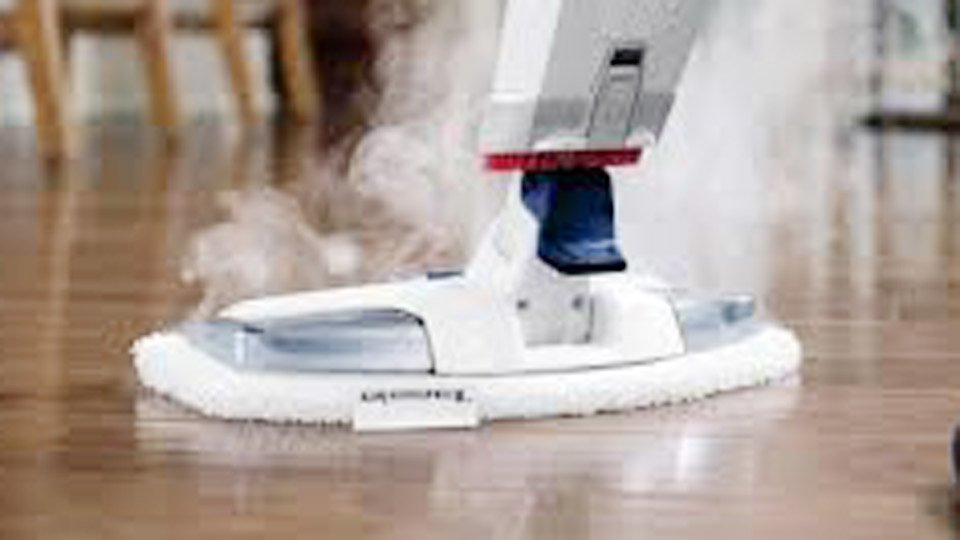
Image by pinterest
Understanding Laminate Flooring
Laminate floors are a favorite for homeowners and renters because they’re affordable, durable, and mimic the look of hardwood or stone. But they’re not as tough as they seem. The top layer is a wear-resistant coating, but the core is made of high-density fiberboard, which hates moisture.
I once over-mopped my kitchen laminate and noticed the edges starting to swell—lesson learned! Knowing how laminate is made helps you understand why steam cleaning needs caution.
Why Steam Cleaning Can Be Tricky
Steam cleaners use heat and moisture to clean, which sounds great for tile but can spell trouble for laminate. The steam’s heat and water can seep into seams or cracks, causing warping, bubbling, or peeling.
I’ve seen friends ruin their laminate floors with steam mops, thinking they were safe because the manual said so. Most laminate isn’t perfectly sealed, especially in high-traffic areas where scratches or wear let moisture sneak in.
When Steam Cleaning Might Be Okay
Some modern laminates are marketed as water-resistant, and certain steam mops claim to be safe for sealed laminate with low steam settings. I’ve tested this on my own floors in a small, hidden spot, and it worked okay—but only with extreme care.
If your flooring manufacturer explicitly says steam is safe, you might be able to use it sparingly. Always check your warranty, as steam cleaning could void it.
Safe Alternatives to Steam Cleaning Laminate Floors
After nearly damaging my own laminate floors, I’ve found safer ways to keep them clean. These methods use minimal water and gentle cleaners, perfect for homeowners, renters, or cleaning enthusiasts who want spotless floors without the risk.
Damp Mopping with a Laminate-Safe Cleaner
This is my go-to method for routine cleaning. It’s simple, effective, and keeps my laminate floors shiny without excess moisture.
Supplies Needed
| Supply | Purpose | Alternative |
|---|---|---|
| Microfiber mop | Picks up dirt, low water use | Flat-head mop |
| Laminate cleaner | Cleans without residue | Mild dish soap (diluted) |
| Bucket | Holds cleaning solution | Spray bottle |
| Microfiber cloth | Dries excess moisture | Soft cotton cloth |
| Vacuum or broom | Removes debris | Dust mop |
I use Bona Hard-Surface Floor Cleaner—it’s gentle and leaves no film. A small amount of Dawn dish soap diluted in water works too.
How to Do It
- Vacuum or sweep the floor to remove dust and debris.
- Mix laminate cleaner with water in a bucket per the product’s instructions (usually 1:10 ratio).
- Dip a microfiber mop into the solution and wring it out until barely damp.
- Mop in the direction of the laminate planks to avoid streaks.
- Dry the floor with a microfiber cloth to remove any residual moisture.
- Buff with a dry microfiber cloth for extra shine.
Time Estimate
This takes about 20–30 minutes for a standard room. Larger areas may take longer.
Pro Tip
Use a spray bottle to mist the cleaner directly onto the mop head instead of dipping it. This controls water use and prevents over-wetting. I do this in my dining room to keep things quick and safe.
Spray Mopping with Vinegar Solution
For a natural, budget-friendly option, I use a vinegar-based solution. It’s great for light stains and safe for laminate if used sparingly.
Supplies Needed
| Supply | Purpose | Alternative |
|---|---|---|
| White vinegar | Cuts grease, removes stains | Lemon juice (milder) |
| Warm water | Dilutes vinegar | Distilled water |
| Spray bottle | Applies solution evenly | Small bucket |
| Microfiber mop | Cleans without scratching | Flat-head mop |
| Microfiber cloth | Dries floor | Soft cotton cloth |
I use store-brand white vinegar—it’s cheap and effective.
How to Do It
- Vacuum or sweep to remove loose dirt.
- Mix 1/4 cup white vinegar with 1 gallon of warm water in a spray bottle.
- Lightly mist the solution onto a small section of the floor or directly onto the mop head.
- Mop gently in the direction of the planks.
- Dry the area immediately with a microfiber cloth.
- Repeat for the entire floor, working in small sections.
Time Estimate
This takes about 25–35 minutes for a medium-sized room. Work in small areas to avoid water sitting too long.
Pro Tip
Test the vinegar solution in a hidden corner first. I tried it under my couch to ensure it didn’t dull the finish. Use distilled water if your tap water is hard to avoid mineral spots.
Dry Dusting for Maintenance
For daily or weekly upkeep, I rely on dry dusting to keep dirt from building up. It’s quick and prevents scratches that wet cleaning can’t address.
Supplies Needed
| Supply | Purpose | Alternative |
|---|---|---|
| Microfiber dust mop | Traps dust and hair | Electrostatic dust cloth |
| Vacuum with soft brush | Removes debris | Broom with soft bristles |
| Microfiber cloth | Polishes surface | Soft cotton cloth |
I use a Swiffer Dry Mop for convenience, but any microfiber dust mop works.
How to Do It
- Run a microfiber dust mop over the floor in the direction of the planks.
- Use a vacuum with a soft brush attachment for corners and edges.
- Wipe high-traffic areas with a dry microfiber cloth to restore shine.
- Empty the vacuum or shake out the dust mop outside.
Time Estimate
This takes 10–15 minutes for a standard room. It’s perfect for quick touch-ups.
Pro Tip
Use a microfiber cloth sprayed with a tiny bit of water for stubborn smudges. I do this in my entryway where muddy shoes leave marks.
Dos and Don’ts
Do:
- Vacuum or sweep before wet cleaning to avoid scratching.
- Use minimal water to protect the laminate core.
- Dry the floor immediately after mopping.
- Check your flooring manufacturer’s guidelines for approved cleaners.
Don’t:
- Use steam cleaners unless explicitly approved by the manufacturer.
- Let water sit on the floor—it can seep into seams.
- Use abrasive scrubbers or steel wool; they scratch the surface.
- Apply wax or oil-based cleaners; they leave residue.
Testing If Steam Cleaning Is Safe
If you’re tempted to try a steam cleaner, proceed with caution. I’ve done this in a small area of my guest room to see if my laminate could handle it. Here’s how to test safely.
Supplies Needed
| Supply | Purpose | Alternative |
|---|---|---|
| Steam mop | Tests steam cleaning | N/A |
| Microfiber cloth | Dries excess moisture | Soft cotton cloth |
| Vacuum | Removes debris | Broom |
I used a Bissell PowerFresh Slim Steam Mop on its lowest setting for testing.
How to Do It
- Check your laminate manufacturer’s guidelines for steam cleaning approval.
- Vacuum or sweep a small, hidden area (under furniture works well).
- Set the steam mop to its lowest steam setting.
- Pass the mop over the test area once, moving quickly to avoid lingering.
- Immediately dry the area with a microfiber cloth.
- Check for warping, bubbling, or dulling after 24 hours.
- If no damage appears, you may cautiously use the steam mop sparingly.
Time Estimate
This takes about 5 minutes, plus 24 hours to monitor for damage.
Pro Tip
Choose a low-traffic area for testing, like under a bed. I tested under my dresser and waited a full day to ensure no swelling occurred.
Safety Precautions
- Always use the lowest steam setting to minimize moisture.
- Ventilate the room to avoid inhaling steam or fumes.
- Keep kids and pets away from the hot steam mop.
- Dry the floor immediately to prevent water seepage.
Deep Cleaning Stubborn Stains on Laminate
For tough stains like grease or crayon, I’ve had success with targeted cleaning. My kids once left marker stains on our laminate, and this method saved the day.
Supplies Needed
| Supply | Purpose | Alternative |
|---|---|---|
| Isopropyl alcohol | Removes tough stains | White vinegar |
| Microfiber cloth | Applies cleaner, dries floor | Soft cotton cloth |
| Warm water | Dilutes cleaner | Distilled water |
| Spray bottle | Applies solution | Small bowl |
I use 70% isopropyl alcohol for stubborn marks.
How to Do It
- Vacuum or sweep the stained area.
- Mix 1 part isopropyl alcohol with 2 parts warm water in a spray bottle.
- Lightly mist the stain or apply the solution to a microfiber cloth.
- Gently rub the stain until it lifts.
- Wipe the area with a damp microfiber cloth to remove residue.
- Dry thoroughly with a dry microfiber cloth.
Time Estimate
This takes 5–10 minutes per stain. Larger areas may take longer.
Pro Tip
For crayon or ink, dab—don’t scrub—to avoid spreading the stain. I learned this after smearing marker across my floor!
Preventing Damage to Laminate Floors
Prevention is key to keeping laminate floors looking great. I’ve built these habits into my routine to avoid issues:
- Place doormats at entrances to trap dirt.
- Use felt pads under furniture to prevent scratches.
- Clean spills immediately to avoid seepage.
- Vacuum or sweep weekly to remove abrasive debris.
- Avoid shoes indoors to reduce wear.
Why I Avoid Steam Cleaners on Laminate
After researching and testing, I steer clear of steam cleaners on my laminate floors. The risk of moisture seeping into the core isn’t worth it, especially when damp mopping or dry dusting works just as well.
I’ve seen steam cleaning dull the finish or cause edges to lift, even on “water-resistant” laminate. Stick to safer methods unless your manufacturer gives the green light.
Natural Alternatives to Chemical Cleaners
I prefer natural cleaners to avoid residue and keep my home eco-friendly. Vinegar is my favorite for light cleaning, but isopropyl alcohol works for tough stains. For a fresh scent, I add a drop of lavender essential oil to my vinegar mix—just enough to smell nice without leaving a film.
| Cleaner | Best For | Pros | Cons |
|---|---|---|---|
| Vinegar + Water | Light stains, daily cleaning | Cheap, natural | Can dull finish if overused |
| Isopropyl Alcohol + Water | Tough stains, grease | Fast-acting | Strong smell, use sparingly |
| Bona Cleaner | Routine cleaning | Laminate-safe, no residue | More expensive |
| Essential Oils | Scent, light cleaning | Pleasant smell | Not a standalone cleaner |
Common Mistakes to Avoid
I’ve made these errors, so you don’t have to:
- Using Too Much Water: It seeps into seams, causing swelling. I learned this after over-mopping my hallway.
- Skipping the Vacuum: Dirt can scratch laminate during wet cleaning.
- Using Harsh Cleaners: Bleach or ammonia can strip the finish. I stick to gentle options.
- Ignoring the Warranty: Steam cleaning can void it—check first.
When to Call a Professional
If your laminate floors show signs of warping, bubbling, or deep scratches, it’s time to call a pro. I had a friend whose steam cleaner caused major damage, and a flooring expert had to replace planks. For deep cleaning or restoration, companies like Stanley Steemer offer laminate-safe services. Look for professionals who use low-moisture methods.
Pro Tips from My Cleaning Routine
- Use a Doormat: It traps dirt before it reaches your floors. I have one at every entrance.
- Rotate Rugs: This prevents uneven wear in high-traffic areas.
- Buff Weekly: A dry microfiber cloth restores shine. I do this in my living room.
- Check for Seals: Test your floor’s sealing by dripping water in a hidden spot. If it beads, it’s sealed; if it soaks, avoid steam.
- Store Mops Upright: This prevents water from pooling in the mop head.
Keep Your Laminate Floors Shining Safely
Cleaning laminate floors doesn’t have to be a gamble. Can you use a steam cleaner on laminate floors? Only if your manufacturer approves, and even then, test carefully. I’ve found damp mopping with a laminate-safe cleaner or vinegar solution works wonders without risking damage.
With these methods, my floors stay spotless and shiny, and yours can too. Grab your microfiber mop, sweep away the dirt, and give these safe techniques a try—your laminate floors will thank you!
FAQ
Is it safe to use a steam mop on laminate flooring?
Using a steam mop on laminate flooring can be risky. I tried it once in a corner of my guest room, and even on the lowest setting, it left the area slightly dull. The heat and moisture can seep into seams, causing warping or bubbling. Check your flooring manufacturer’s guidelines first. If they approve, test in a hidden spot and use minimal steam. Otherwise, stick to damp mopping with a microfiber mop and a gentle cleaner to keep your floors safe and shiny.
What’s the best way to clean laminate floors without a steam cleaner?
The best way to clean laminate floors is damp mopping with a laminate-safe cleaner. I use Bona cleaner diluted in water with a microfiber mop. Vacuum or sweep first to remove dirt, then mop with a barely damp mop in the direction of the planks.
Dry immediately with a microfiber cloth to prevent water damage. For natural options, a 1:4 vinegar-to-water mix works well for light stains. This method keeps my floors spotless without risking the laminate core.
Can I use vinegar to clean my laminate floors?
Yes, vinegar is safe for laminate floors if used correctly. I mix 1/4 cup of white vinegar with a gallon of warm water in a spray bottle. After vacuuming, I mist the solution onto a microfiber mop and clean small sections, drying each area right away. Test it in a hidden spot first—I did this under my couch to ensure it didn’t dull the finish. Avoid overusing vinegar, as it can dull the surface over time.
How often should I clean my laminate floors?
I clean my laminate floors weekly to keep them looking great. For daily maintenance, I sweep or use a dry microfiber dust mop to catch dirt and hair. Once a week, I damp mop with a laminate-safe cleaner or vinegar solution, working in small sections and drying immediately. In high-traffic areas like my kitchen, I spot-clean spills as they happen. This routine prevents scratches and keeps my floors shiny without excess moisture.
What should I do if my laminate floor is damaged by water?
If your laminate floor is damaged by water, act fast to limit harm. I had a spill once that caused slight swelling near a seam. Blot up standing water with a microfiber cloth. Use a fan or dehumidifier to dry the area thoroughly. For minor swelling, a professional might sand and reseal the spot. If warping or bubbling is severe, call a flooring expert to replace planks. Avoid steam cleaning in the future to prevent further damage.