I remember one hectic evening when I reached for my Lysol bathroom cleaner, wondering, “Can Lysol bathroom cleaner be used in the kitchen?” As someone who’s spent years cleaning my home and helping friends tackle their messes, I’ve learned the ins and outs of using cleaning products safely and effectively.
This guide dives into whether Lysol bathroom cleaner is safe for kitchen surfaces, offers alternative cleaning methods, and shares practical tips to keep your kitchen sparkling. Let’s chat like we’re sitting at your kitchen table and figure out how to keep your space clean without worry.
Understanding Lysol Bathroom Cleaner
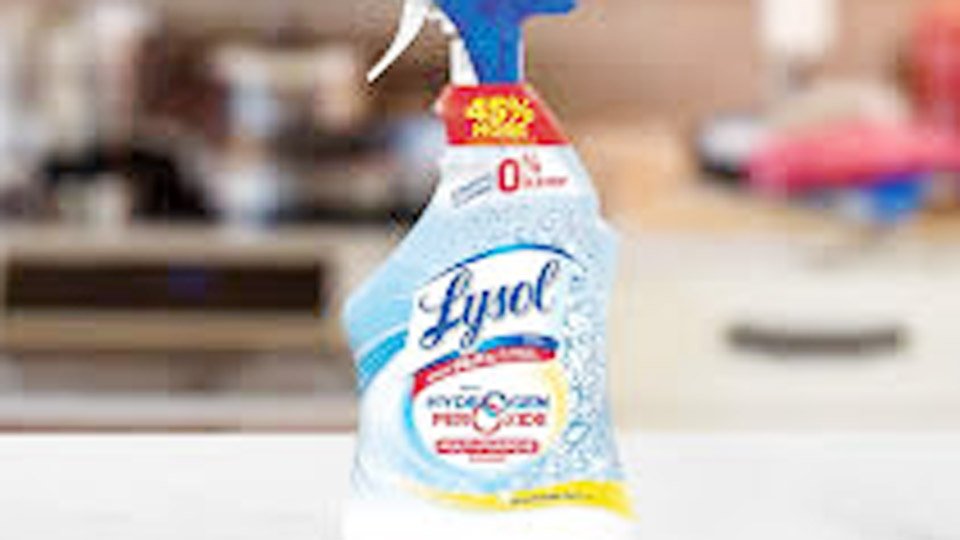
Lysol bathroom cleaner is designed to tackle tough bathroom messes like soap scum, mold, and hard water stains. It’s a powerful disinfectant, often containing chemicals like alkyl dimethyl benzyl ammonium chloride, which kills 99.9% of germs when used as directed. I’ve used it to make my shower tiles gleam and my toilet bowl spotless.
However, kitchens have different needs—grease, food splatter, and surfaces that touch food require careful consideration. Using a bathroom-specific cleaner in the kitchen can raise concerns about safety and residue, especially on food prep areas. Let’s explore when and how it might be used, and when to opt for alternatives.
Supplies You’ll Need
Here’s what I keep handy for kitchen cleaning, whether using Lysol or a homemade alternative:
| Item | Purpose |
|---|---|
| Lysol bathroom cleaner | Disinfects and cleans hard surfaces |
| White distilled vinegar | Cuts grease and disinfects naturally |
| Baking soda | Scrubs and deodorizes |
| Mild dish soap | Removes grease and is food-safe |
| Spray bottle | Applies liquid cleaners evenly |
| Microfiber cloths | Wipes surfaces without streaks |
| Non-abrasive sponge | Scrubs without scratching |
| Rubber gloves | Protects skin from chemicals |
| Paper towels | Absorbs spills and wipes surfaces |
| Warm water | Dilutes cleaners and rinses |
Safety Note: Wear gloves when using Lysol bathroom cleaner to avoid skin irritation. Open windows or turn on a fan to ventilate, as the fumes can be strong. Never mix Lysol with bleach, ammonia, or vinegar—it can create toxic gases. Always rinse food-contact surfaces thoroughly after using any chemical cleaner.
Can You Use Lysol Bathroom Cleaner in the Kitchen?
The short answer is: it depends. Lysol bathroom cleaner is safe for some kitchen surfaces, but it’s not ideal for all. I’ve used it on non-food-contact areas like stainless steel appliances or tile backsplashes, but I’m cautious about food prep zones.
The cleaner’s strong chemicals aren’t formulated to be food-safe, and residue could linger if not rinsed well. Here’s a breakdown of when it’s okay and when it’s not:
Safe Surfaces: Hard, non-porous surfaces like sealed tile, stainless steel, or glass (e.g., appliance exteriors, sink rims).
Unsafe Surfaces: Food-contact areas (cutting boards, countertops where you prep food), unsealed wood, or natural stone like granite or marble, which can be damaged by harsh chemicals.
If you’re in a pinch and use Lysol bathroom cleaner in the kitchen, rinse thoroughly with water to remove any residue. Let’s look at how to use it safely and explore better options for food-safe cleaning.
Using Lysol Bathroom Cleaner in the Kitchen
If you decide to use Lysol bathroom cleaner in the kitchen, stick to non-food-contact areas and follow these steps. I’ve done this on my stainless steel fridge when it’s covered in fingerprints, and it works well with precautions.
How to Clean:
- Ventilate the kitchen by opening windows or turning on a fan.
- Spray Lysol bathroom cleaner on a microfiber cloth or directly onto a hard, non-porous surface like a stainless steel appliance or tile backsplash.
- Wipe the surface evenly, focusing on greasy or dirty spots.
- Let it sit for 1–2 minutes to disinfect (check the label for exact dwell time).
- Rinse thoroughly with a damp cloth or sponge dipped in warm water.
- Dry with a clean microfiber cloth to prevent streaks.
Time Estimate: 5–10 minutes per surface.
Do:
- Rinse thoroughly to remove all residue.
- Use on non-porous surfaces only, like sealed tile or metal.
Don’t:
- Use on cutting boards, countertops where food is prepped, or natural stone.
- Skip ventilation—the fumes can irritate your lungs.
Pro Tip: Keep a separate cloth for Lysol to avoid cross-contamination with food-safe cleaners.
Homemade Alternative for Kitchen Cleaning
For a food-safe, eco-friendly option, I rely on a vinegar and dish soap mix. It’s my go-to for kitchen counters and sinks, especially when I’m cooking for my family. This recipe cuts grease and disinfects lightly without harsh chemicals.
How to Make and Use:
- Mix 1 cup warm water, 1 cup white vinegar, and 1 teaspoon mild dish soap in a spray bottle.
- Shake gently to combine.
- Spray the solution onto countertops, sinks, or appliances.
- Let it sit for 1–2 minutes for greasy spots.
- Wipe with a microfiber cloth, working in circular motions.
- Rinse with a damp cloth and dry with a clean towel.
Time Estimate: 5–10 minutes per surface.
Do:
- Use on food-contact surfaces like countertops and cutting boards.
- Ventilate to reduce the vinegar smell, which fades as it dries.
Don’t:
- Use on natural stone—it can etch the surface.
- Mix with Lysol or bleach—toxic fumes can result.
Pro Tip: Add 5 drops of lemon essential oil to the mix for a fresh scent and extra antibacterial power.
Cleaning Specific Kitchen Surfaces
Different kitchen surfaces need different approaches. Here’s how I clean common areas, with Lysol or alternatives, based on years of trial and error:
Stainless Steel Appliances
Lysol bathroom cleaner can shine up stainless steel, but rinse well to avoid streaks. I’ve used it on my fridge with great results.
How to Clean:
- Spray Lysol onto a microfiber cloth.
- Wipe the surface in the direction of the grain.
- Let it sit for 1 minute to disinfect.
- Rinse with a damp cloth and dry immediately.
- Alternative: Use the vinegar-dish soap mix, followed by a dry microfiber cloth for a streak-free shine.
Time Estimate: 5–7 minutes.
Do: Dry thoroughly to prevent water spots.
Don’t: Use on unsealed metal—it can corrode.
Pro Tip: Buff with a dry microfiber cloth for extra sparkle.
Tile Backsplashes
Lysol works well on sealed ceramic tiles, tackling grease splatter from cooking.
How to Clean:
- Spray Lysol lightly onto the tiles.
- Wipe with a non-abrasive sponge.
- Let it sit for 1–2 minutes.
- Rinse with warm water and dry with a microfiber cloth.
- Alternative: Sprinkle baking soda on a damp sponge, scrub, then rinse and dry.
Time Estimate: 7–10 minutes.
Do: Test on a small area to ensure the sealant isn’t damaged.
Don’t: Use on grout without rinsing—it can discolor over time.
Pro Tip: Use an old toothbrush to scrub grout lines.
Countertops (Non-Food Prep Areas)
For non-food-contact countertops, Lysol can disinfect, but I prefer my homemade mix for daily use.
How to Clean:
- Spray Lysol onto a cloth and wipe the surface.
- Let it sit for 1 minute.
- Rinse thoroughly and dry.
- Alternative: Spray the vinegar-dish soap mix, wipe, and rinse.
Time Estimate: 5–7 minutes.
Do: Rinse well to avoid chemical residue.
Don’t: Use on granite or marble—it can dull the finish.
Pro Tip: Use a microfiber cloth for a streak-free result.
Food Prep Areas
Avoid Lysol here—stick to food-safe cleaners like my vinegar recipe or mild dish soap.
How to Clean:
- Mix 1 tablespoon dish soap with 1 gallon warm water.
- Wipe surfaces with a sponge or cloth.
- Rinse thoroughly and dry.
- Alternative: Use the vinegar-dish soap spray for extra grease-cutting power.
Time Estimate: 5–10 minutes.
Do: Rinse multiple times to ensure no soap residue.
Don’t: Use Lysol—it’s not food-safe.
Pro Tip: Sanitize with a diluted vinegar solution (1:1 with water) for extra protection.
Surface Compatibility Chart
Here’s a quick guide to what’s safe for your kitchen surfaces:
| Surface | Lysol Bathroom Cleaner | Homemade Alternative |
|---|---|---|
| Stainless Steel | Yes (rinse well) | Vinegar + dish soap |
| Sealed Ceramic Tile | Yes (rinse well) | Baking soda + water |
| Granite/Marble | No | Mild dish soap + water |
| Food Prep Countertops | No | Vinegar + dish soap |
| Cutting Boards | No | Dish soap + water |
| Glass (e.g., microwave door) | Yes (rinse well) | Vinegar + water |
Safety Precautions and Common Mistakes
Using Lysol bathroom cleaner in the kitchen can work in a pinch, but avoid these pitfalls:
- Rinse Thoroughly: Chemical residue can contaminate food surfaces.
- Ventilate: Open windows to avoid inhaling fumes.
- Don’t Mix Cleaners: Combining Lysol with vinegar, bleach, or ammonia creates toxic gases.
- Check Surfaces: Avoid using Lysol on porous or delicate materials like unsealed wood or stone.
- Label Instructions: Follow the dwell time (usually 1–2 minutes) for disinfection.
Maintaining a Clean Kitchen
Regular cleaning prevents grease and grime buildup. Here’s my routine:
- Wipe counters daily with a vinegar-dish soap mix.
- Vacuum or sweep floors weekly to remove crumbs.
- Deep-clean appliances monthly with a mild cleaner.
- Use doormats to trap dirt from shoes.
Time Estimate: 10–15 minutes daily, 30 minutes monthly.
Pro Tip: Keep a spray bottle of the homemade cleaner under the sink for quick cleanups.
My Experience with Kitchen Cleaning
I’ve been cleaning kitchens for years, from my own to friends’ homes during busy move-in days. Once, I ran out of kitchen cleaner and used Lysol bathroom cleaner on my stove’s exterior—it worked, but I was extra careful to rinse thoroughly.
I’ve leaned toward homemade solutions like vinegar and baking soda because they’re safer and just as effective for most messes. These methods have saved me money and kept my kitchen safe for my family. Sharing them with neighbors has turned into fun cleaning chats over coffee!
Conclusion
While Lysol bathroom cleaner can be used in the kitchen for non-food-contact surfaces like stainless steel or tile, it’s not the best choice for food prep areas due to its strong chemicals.
With proper rinsing and ventilation, it can work in a pinch, but I recommend sticking to food-safe alternatives like vinegar and dish soap for daily cleaning. These methods, tested through years of spills and splatters, will keep your kitchen sparkling and safe.
FAQ
Is Lysol Bathroom Cleaner Safe for Kitchen Countertops?
Lysol bathroom cleaner can be used on non-food-contact countertops, like decorative edges, but I avoid it on food prep areas. Spray it on a cloth, wipe, and rinse thoroughly to remove residue. For food-safe cleaning, I mix 1 cup vinegar, 1 cup water, and a teaspoon of dish soap. It cuts grease and leaves my counters clean without worrying about chemical residue.
Can I Use Lysol Bathroom Cleaner on Stainless Steel Appliances?
Yes, I’ve used Lysol bathroom cleaner on my stainless steel fridge and oven with great results. Spray it on a microfiber cloth, wipe in the grain’s direction, and rinse well to avoid streaks. For a natural option, I use a vinegar and dish soap mix, followed by a dry cloth for a shiny, fingerprint-free finish.
How Do I Clean Kitchen Surfaces Without Harsh Chemicals?
I love using a mix of 1 cup warm water, 1 cup vinegar, and 1 teaspoon mild dish soap for kitchen surfaces. Spray it on counters or sinks, wipe with a microfiber cloth, and rinse. For tough grease, sprinkle baking soda and scrub with a sponge. It’s safe, effective, and leaves no harmful residue.
What Should I Use Instead of Lysol for Food Prep Areas?
For food prep areas, I stick to mild dish soap and water or a vinegar-based cleaner. Mix 1 tablespoon dish soap with a gallon of warm water, wipe down surfaces, and rinse well. Alternatively, use a 1:1 vinegar-water spray for light disinfection. Both are safe for cutting boards and counters where food is prepared.
How Often Should I Disinfect My Kitchen Surfaces?
I wipe down my kitchen counters daily with a vinegar-dish soap mix to keep them clean. For disinfection, I use a food-safe cleaner like diluted vinegar weekly, especially after handling raw meat. If I use Lysol bathroom cleaner on non-food surfaces, I do it monthly and rinse thoroughly to keep everything hygienic.