Staring at a stubborn smudge or a mysterious stain on the wall, wondering what magic potion will make it disappear without ruining the paint. Vinegar, that trusty kitchen staple, often comes to mind as a go-to for tackling tough cleaning jobs.
But can you leave vinegar on walls without causing damage? As someone who’s spent years cleaning homes—both my own and others’—I’ve learned a thing or two about what works and what doesn’t. Let’s dive into the nitty-gritty of using vinegar on walls, so you can clean with confidence and keep your home looking fresh.

Image by bobvila
Why Vinegar Is a Cleaning Powerhouse
Vinegar is a natural cleaner that’s been used for generations. Its acetic acid content makes it great for cutting through grease, grime, and even some mineral deposits like hard water stains. I remember the first time I used vinegar to clean a rental apartment’s kitchen walls—grease splatters from years of cooking vanished like magic.
But walls are different from countertops or glass. They’re often painted, textured, or covered in wallpaper, so you need to be careful. Let’s explore how to use vinegar safely and effectively.
Understanding Your Wall Type
Before you grab that bottle of vinegar, you need to know what kind of walls you’re dealing with. Not all surfaces react the same way to vinegar’s acidity. Here’s a quick guide to help you figure it out:
| Wall Type | Can Vinegar Be Used? | Precautions |
|---|---|---|
| Latex Paint | Yes, diluted | Test in a hidden area; avoid prolonged exposure. |
| Oil-Based Paint | Yes, diluted | Use sparingly; rinse quickly to avoid dulling the finish. |
| Flat/Matte Paint | Use with caution | Highly absorbent; dilute heavily and rinse immediately. |
| Semi-Gloss/Gloss Paint | Yes, diluted | Safer for vinegar use but still requires rinsing. |
| Wallpaper | No, unless washable | Avoid non-washable wallpaper; test washable types in a small area. |
| Unpainted Drywall | No | Vinegar can damage exposed drywall; use a mild soap solution instead. |
How to Identify Your Wall Type
If you’re not sure what kind of paint or finish is on your walls, check the can of paint used (if you have it) or do a quick test. Rub a damp cloth on a small, hidden area (behind furniture works great). If the paint comes off or feels tacky, it’s likely flat or matte. Glossy finishes will feel slick and resist water. For wallpaper, check the manufacturer’s label or test a tiny spot to see if it bubbles or peels when wet.
Can Vinegar Damage Painted Walls?
The big question: can you leave vinegar on walls without causing harm? In my experience, leaving undiluted vinegar on painted walls for too long can dull the finish or even strip the paint, especially with flat or matte paints.
The acetic acid in vinegar is strong—great for breaking down stains but risky if it sits too long. I learned this the hard way when I left a vinegar-soaked cloth on a bathroom wall for an hour, only to find the paint looking slightly faded afterward. The key is dilution and quick rinsing.
Dos and Don’ts of Using Vinegar on Walls
Do:
- Dilute vinegar with water (1:1 ratio for most walls).
- Test in an inconspicuous area first.
- Use a soft cloth or sponge to avoid scratching.
- Rinse with clean water after cleaning.
- Dry the wall with a microfiber cloth to prevent streaks.
Don’t:
- Use undiluted vinegar on painted surfaces.
- Let vinegar sit for more than a minute or two.
- Use vinegar on non-washable wallpaper or unpainted drywall.
- Scrub too hard, especially on delicate finishes.
Step-by-Step Guide to Cleaning Walls with Vinegar
Here’s how I clean walls with vinegar to remove stains, smudges, or grease without causing damage. This method has worked for me in countless homes, from my own cozy apartment to clients’ sprawling houses.
What You’ll Need
- White distilled vinegar (avoid apple cider vinegar—it’s sticky).
- Warm water.
- Two clean buckets or bowls.
- Soft microfiber cloths or a non-abrasive sponge.
- Spray bottle (optional).
- Dry towels for wiping down.
- Mild dish soap (optional for tougher stains).
Step-by-Step Process
Prepare Your Solution: Mix equal parts vinegar and warm water in a bucket or spray bottle. For extra stubborn stains, add a drop of mild dish soap. I usually mix 1 cup vinegar with 1 cup water for a small job.
Test First: Dab a small amount of the solution on a hidden part of the wall (behind a couch or door). Wait a minute, wipe it off, and check for any damage or color change.
Dust the Wall: Use a dry microfiber cloth or a vacuum with a brush attachment to remove dust or cobwebs. This prevents dirt from turning into muddy streaks when wet.
Apply the Solution: Dip a cloth or sponge into the vinegar solution, wring it out so it’s damp but not dripping, and gently wipe the stained area. Work in small sections (about 2×2 feet) to keep things manageable.
Don’t Let It Sit: Wipe the area with a clean, water-dampened cloth within 1–2 minutes to rinse off the vinegar. This prevents prolonged exposure.
Dry Immediately: Use a dry microfiber towel to wipe the area dry. This avoids water spots and keeps the paint looking fresh.
Repeat if Needed: For stubborn stains, repeat the process but don’t increase the vinegar concentration—stick to the diluted mix.
Time Estimate: About 30–45 minutes for a standard room (10×10 feet), depending on the number of stains.
Work from the bottom up to avoid streaks running down the wall. I learned this trick after cleaning a client’s dining room and noticing drips ruining my work!
Safety Precautions
- Ventilate the room—vinegar’s smell can be strong.
- Wear gloves if you have sensitive skin.
- Avoid getting the solution near electrical outlets or switches.
- If you’re using a ladder, make sure it’s stable.
Homemade Alternatives to Vinegar
If you’re hesitant about using vinegar or don’t have any on hand, there are other natural cleaning solutions I’ve used with great results. These are gentle on most painted walls and eco-friendly.
| Alternative | Best For | How to Use |
|---|---|---|
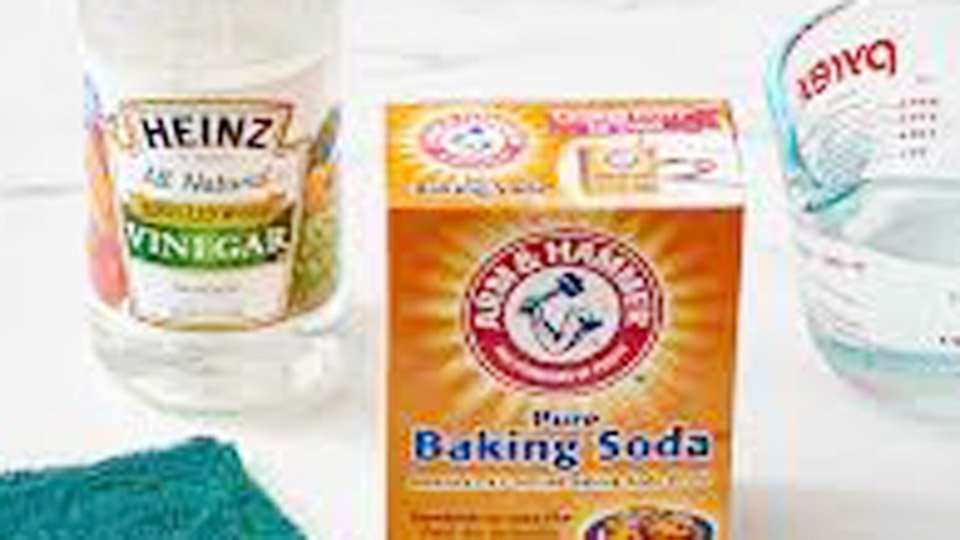
| Baking Soda Paste | Stubborn stains, crayon marks | Mix 2 tbsp baking soda with water to form a paste; apply, scrub gently, rinse. |
| Dish Soap Solution | General cleaning, grease | Mix 1 tsp dish soap with 4 cups warm water; wipe and rinse. |
| Hydrogen Peroxide | Mildew or tough stains | Dilute 1:1 with water; apply sparingly, rinse quickly. |
My Go-To Baking Soda Trick
One time, a friend called me in a panic because her toddler had drawn crayon masterpieces all over the living room walls. Vinegar wasn’t cutting it, so I made a baking soda paste. I applied it with a soft cloth, scrubbed lightly, and the crayon came off without harming the matte paint. Just be sure to rinse thoroughly, as baking soda can leave a residue if not wiped away.
Common Mistakes to Avoid
Over the years, I’ve seen (and made) plenty of cleaning mistakes. Here are the ones to watch out for when using vinegar on walls:
- Using Too Much Vinegar: Undiluted vinegar can eat away at paint. Always dilute it.
- Skipping the Rinse: Leaving vinegar on the wall can dull the finish over time.
- Over-Scrubbing: Aggressive scrubbing can damage delicate paint or texture. Be gentle.
- Ignoring Wall Type: What works on semi-gloss paint might ruin matte or wallpaper.
Product Recommendations for Wall Cleaning
While vinegar is a star, sometimes you need a little extra help. Here are some products I’ve used that pair well with vinegar or work as alternatives:
- Microfiber Cloths: These are my go-to for streak-free cleaning. They’re reusable and gentle on walls.
- Mr. Clean Magic Eraser: Great for tough stains like scuff marks, but use sparingly on matte paints to avoid shine spots.
- Dawn Dish Soap: A tiny drop in your vinegar solution boosts grease-cutting power.
- Spray Bottles: A good-quality spray bottle makes applying the solution easier and more controlled.
Pro Tip: Avoid abrasive scrubbers like steel wool—they’ll scratch your walls faster than you can say “repaint.”
When to Call a Professional
Sometimes, stains are too tough or walls are too delicate for DIY cleaning. If you’re dealing with mold, extensive water damage, or antique wallpaper, it’s worth calling a pro. I once tried to clean a client’s vintage wallpaper with a mild vinegar solution, only to realize it was non-washable and started peeling. A professional cleaner saved the day with specialized techniques. If you’re unsure, consult a local cleaning service—most offer free estimates.
Practical Tips for Maintaining Clean Walls
Keeping walls clean is easier if you stay proactive. Here’s what I do in my own home to minimize the need for deep cleaning:
- Dust walls monthly with a microfiber cloth or duster.
- Wipe down high-traffic areas (like near light switches) weekly with a damp cloth.
- Address spills or smudges immediately to prevent them from setting.
- Use a dehumidifier in damp areas to prevent mildew, which vinegar can’t always tackle alone.
Conclusion
Cleaning walls with vinegar can be a game-changer when done right. It’s affordable, eco-friendly, and effective for most stains, but the key is to dilute it, rinse quickly, and know your wall type. From my years of scrubbing everything from greasy kitchen walls to crayon-covered living rooms, I can tell you that vinegar is a reliable friend—if you treat it with respect.
Grab that bottle, mix up a solution, and give your walls some love. You’ll be amazed at how fresh your home looks with a little effort. Don’t be afraid to experiment in a small area first, and soon you’ll be cleaning like a pro!
FAQ
Is It Safe to Use Vinegar on All Types of Paint?
Using vinegar on painted walls can be safe, but it depends on the paint type and how you apply it. I’ve cleaned plenty of walls with vinegar, and it works wonders on semi-gloss or gloss paints when diluted with water.
For flat or matte paints, you need to be extra cautious because they’re more absorbent. Mix one part vinegar with one part water, test it in a hidden spot, and rinse within a minute to avoid dulling the finish. If you’re unsure about your paint type, stick to a mild soap solution to be safe.
How Long Can Vinegar Stay on Walls Without Causing Damage?
Leaving vinegar on walls for too long is a mistake I’ve made before, and it can dull or damage the paint. For most painted surfaces, don’t let diluted vinegar sit for more than one to two minutes. Undiluted vinegar is even riskier and can start affecting the paint almost immediately.
After applying, wipe the area with a clean, damp cloth to rinse off the vinegar, then dry with a towel. Quick action keeps your walls safe and sparkling.
Can Vinegar Remove Tough Wall Stains Like Crayon or Grease?
Vinegar is a champ at tackling grease and some tough stains, but it’s not a cure-all. In my experience, diluted vinegar works great on kitchen grease splatters—mix it 1:1 with water and wipe gently. For crayon marks, I’ve had better luck with a baking soda paste, though vinegar can help if the marks are fresh.
Test your solution first, and don’t scrub too hard, as that can damage the paint. For really stubborn stains, a Magic Eraser might be your best bet after testing.
What’s the Best Way to Clean Walls Without Vinegar?
If vinegar’s not your thing or you’re worried about your walls, there are other options I’ve used successfully. A mild dish soap solution (1 teaspoon soap to 4 cups water) is gentle and effective for most painted walls.
For stubborn stains, a baking soda paste works wonders—just apply, scrub lightly, and rinse. Hydrogen peroxide diluted with water can tackle mildew, but use it sparingly. Always test any cleaner in a small area and rinse thoroughly to keep your walls looking fresh.
Can Vinegar Be Used on Wallpapered Walls?
Using vinegar on wallpaper is tricky and depends on the type. I learned this the hard way when I accidentally damaged a client’s non-washable wallpaper. If your wallpaper is labeled washable, you can try a heavily diluted vinegar solution (1 part vinegar to 4 parts water) in a small, hidden area.
Wipe and rinse quickly to avoid soaking the paper. For non-washable wallpaper, skip vinegar entirely and use a dry microfiber cloth or a mild soap solution to avoid peeling or bubbling.