A while ago, I found myself running low on my usual store-bought cleaners and decided to try making a DIY all-purpose cleaner with vinegar and baking soda — and honestly, it changed the way I approach cleaning at home. If you’re like me, juggling deep cleaning tasks from stubborn stain removal to bathroom cleaning, finding an effective, eco-friendly solution that’s safe for the whole family can feel like a challenge.
This simple homemade cleaner tackles grime, odors, and dirt without harsh chemicals, making it perfect for keeping every surface fresh and hygienic. Plus, it’s budget-friendly and super easy to whip up anytime. Stick around, and I’ll share exactly how you can make this versatile cleaner yourself and transform your cleaning routine with natural ingredients you probably already have in your kitchen.
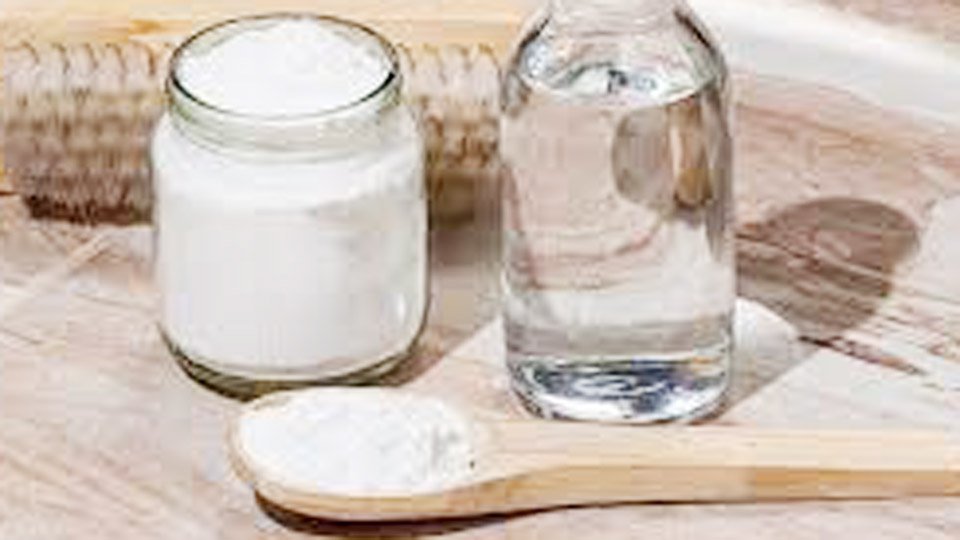
Image by rd
Why Choose a DIY All-Purpose Cleaner?
Store-bought cleaners can be expensive, and their chemical smells sometimes make me dizzy. After my dog left muddy paw prints on my apartment’s tile floor, I started experimenting with natural ingredients. Vinegar’s acidity cuts through grease and grime, while baking soda’s mild abrasiveness tackles stubborn stains.
They’re a powerhouse that’s safe, affordable, and eco-friendly. A gallon of vinegar costs about $3, and baking soda is under $1 a pound—way cheaper than $10 sprays. Plus, you can customize scents with natural add-ins like lemon peels.
Understanding Vinegar and Baking Soda for Cleaning
Vinegar, with 5–6% acetic acid, dissolves dirt, grease, and hard water stains. I use distilled white vinegar for its strength and low cost. Baking soda, or sodium bicarbonate, is a gentle abrasive that deodorizes and lifts stains without scratching surfaces.
When combined, they create a fizzing reaction that helps loosen grime, but I’ve learned to use them strategically since mixing them beforehand can neutralize their cleaning power. This duo works on counters, sinks, and more, making it a staple in my cleaning caddy.
Making Your DIY All-Purpose Cleaner Spray
This vinegar-based spray is my go-to for daily cleaning. It’s quick to whip up and works on most surfaces in my home.
Supplies Needed
| Supply | Purpose | Alternative |
|---|---|---|
| White vinegar (5–6% acidity) | Cuts grease, disinfects | Cleaning vinegar (6%) |
| Water | Dilutes vinegar | Distilled water |
| Spray bottle | Applies solution | Bowl and cloth |
| Microfiber cloth | Wipes surfaces | Paper towels |
| Essential oil (optional) | Adds scent | Lemon or orange peels |
I use a $2 plastic spray bottle from a hardware store and store-brand vinegar.
How to Make and Use
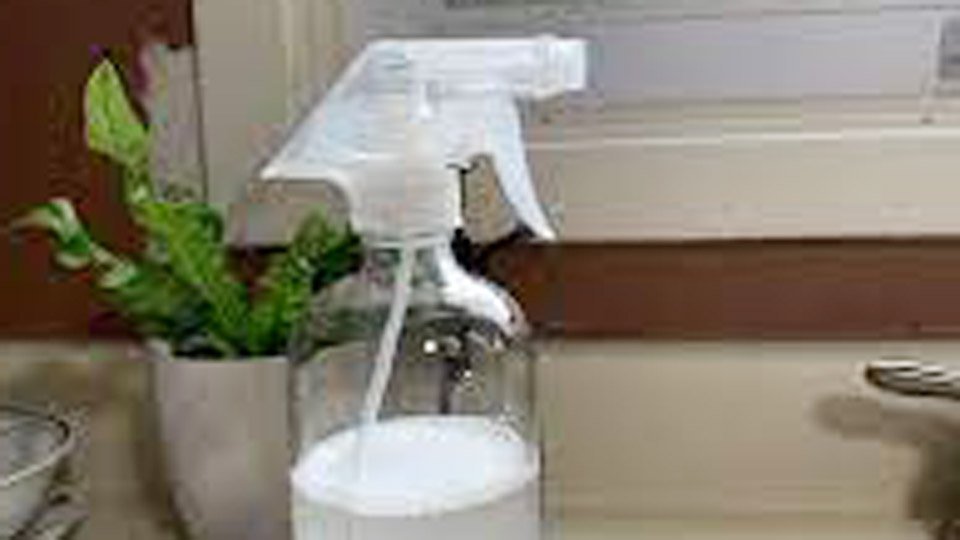
- Fill a 16-ounce spray bottle halfway with white vinegar.
- Top off with water for a 1:1 ratio.
- Add 5–10 drops of essential oil (like lavender or citrus) for a pleasant scent, if desired.
- Shake gently to mix.
- Spray on surfaces like kitchen counters, glass, or bathroom tiles.
- Wipe with a microfiber cloth for a streak-free finish.
- For greasy spots, let the solution sit for 2–3 minutes before wiping.
Time Estimate
Mixing takes 2 minutes; cleaning a kitchen counter takes 5–10 minutes.
Pro Tip
Infuse vinegar with citrus peels for a week to mask the vinegar smell. I toss in orange peels from breakfast for a fresh scent.
Dos and Don’ts
Do:
- Use on sealed surfaces like laminate or ceramic.
- Test on a small area to avoid damage.
- Rinse cloth often to prevent streaks.
Don’ts:
- Use on natural stone like marble; vinegar can etch it.
- Mix with bleach; it creates toxic fumes.
- Overuse essential oils; they can leave a film.
Best Uses
- Kitchen counters and sinks
- Glass mirrors and windows
- Bathroom faucets and tiles
- Stainless steel appliances (test first)
Creating a Baking Soda Scrub for Tough Stains
For stubborn messes like burnt-on food or grout stains, I make a baking soda paste. It saved my stovetop after a sauce boil-over.
Supplies Needed
| Supply | Purpose | Alternative |
|---|---|---|
| Baking soda | Scrubs stains, deodorizes | Borax |
| Water | Forms paste | Hydrogen peroxide |
| Sponge | Applies paste | Soft cloth |
| Microfiber cloth | Wipes residue | Paper towels |
I buy baking soda in bulk for about $1 per pound at a grocery store.
How to Make and Use
- Mix 3 parts baking soda with 1 part water to form a thick paste.
- Apply to stains on sinks, grout, or cookware.
- Let it sit for 5–10 minutes for tough stains.
- Scrub gently with a sponge in circular motions.
- Wipe clean with a damp microfiber cloth.
- Rinse thoroughly to remove residue.
Time Estimate
Mixing takes 2 minutes; scrubbing a sink takes 10–15 minutes.
Pro Tip
Add a drop of dish soap to the paste for extra grease-cutting power. I use this trick for my oven door.
Dos and Don’ts
Do:
- Use on ceramic, stainless steel, or grout.
- Apply gently to avoid scratches.
- Store paste in a sealed container for reuse.
Don’ts:
- Use on aluminum; it can discolor.
- Scrub hard on painted surfaces.
- Leave paste on too long; it can cake.
Best Uses
- Sink stains and rust
- Grout in bathrooms or kitchens
- Cutting boards with food stains
- Oven or stovetop grease
Using Vinegar and Baking Soda Together for Fizzing Action
The fizzing reaction of vinegar and baking soda is perfect for loosening grime, like in drains or on baked-on messes. I used it to unclog my kitchen sink after a greasy dish pile-up.
Supplies Needed
| Supply | Purpose | Alternative |
|---|---|---|
| Baking soda | Creates fizz, loosens grime | Borax |
| White vinegar | Triggers fizz, dissolves grease | Cleaning vinegar |
| Hot water | Flushes residue | Boiling water |
| Scrub brush | Cleans surfaces | Sponge |
How to Make and Use
- Sprinkle ½ cup baking soda into the drain or onto a stained surface.
- Pour 1 cup vinegar over the baking soda to start the fizzing.
- Let it bubble for 5–10 minutes to break down grime.
- Flush with 2 cups hot water for drains or scrub surfaces with a brush.
- Wipe clean with a microfiber cloth if used on surfaces.
- Repeat if needed for stubborn clogs or stains.
Time Estimate
Prep takes 3 minutes; cleaning a drain or surface takes 10–15 minutes.
Pro Tip
Use this method while the fizzing is active for maximum effect. I learned the hard way that premixing neutralizes the cleaning power.
Dos and Don’ts
Do:
- Use for drains, ovens, or pots.
- Flush drains with hot water afterward.
- Ventilate the area to avoid fumes.
Don’ts:
- Mix in a closed container; it can build pressure.
- Use on delicate surfaces like marble.
- Ignore ventilation; fumes can be strong.
Best Uses
- Unclogging kitchen or bathroom drains
- Cleaning baked-on food in ovens
- Removing stains from pots and pans
- Deodorizing garbage disposals
Enhancing Your Cleaner with Add-Ins
To boost cleaning power or scent, I sometimes add natural ingredients to my vinegar spray or baking soda paste.
Supplies Needed
| Supply | Purpose | Alternative |
|---|---|---|
| Lemon peels | Adds scent, cuts grease | Orange peels |
| Essential oils | Freshens scent | Fresh herbs |
| Dish soap | Boosts grease removal | Castile soap |
| Rubbing alcohol | Speeds drying, cleans glass | Vodka |
How to Make and Use
- For scented vinegar spray, add citrus peels to a jar of vinegar and let infuse for 1–2 weeks.
- Strain and use the infused vinegar in your 1:1 spray recipe.
- Add ½ teaspoon dish soap to the spray for greasy surfaces like stovetops.
- For glass, add ¼ cup rubbing alcohol to the vinegar-water mix for faster drying.
- Shake well before each use and spray lightly.
Time Estimate
Infusing takes 1–2 weeks; mixing takes 2 minutes; cleaning takes 5–10 minutes.
Pro Tip
Use lemon peels from organic lemons to avoid pesticide residue. I save peels from my morning smoothie for this.
Dos and Don’ts
Do:
- Use on stainless steel or glass for shine.
- Store infused vinegar in a dark bottle.
- Test add-ins on a small area.
Don’ts:
- Use citrus on stone surfaces.
- Add too much soap; it leaves residue.
- Mix alcohol with bleach; it’s unsafe.
Best Uses
- Scented sprays for counters and mirrors
- Grease-heavy surfaces like range hoods
- Glass or windows for streak-free shine
- Freshening trash cans or laundry
Surfaces Safe for Your DIY Cleaner
| Surface | Safe to Use | Avoid |
|---|---|---|
| Granite/Marble | None | Vinegar, citrus |
| Stainless Steel | Vinegar spray, alcohol mix | Baking soda (may scratch) |
| Hardwood (sealed) | Diluted vinegar spray | Undiluted vinegar |
| Tile/Grout | Baking soda paste, vinegar spray | None |
| Glass | Vinegar-alcohol mix | Baking soda (may streak) |
| Carpets (synthetic) | Vinegar spray (test first) | Baking soda (hard to vacuum) |
I always check care labels before cleaning.
Safety Precautions for DIY Cleaners
- Ventilation: Open windows when using vinegar to avoid fumes.
- Gloves: Wear gloves with baking soda to protect skin.
- Storage: Label bottles clearly and keep away from kids and pets.
- Mixing: Never mix vinegar with bleach or ammonia; it creates toxic gases.
- Testing: Test on a small area to avoid damage.
Maintaining Your Cleaning Supplies
I keep my DIY cleaners organized for easy use:
- Store vinegar in a cool, dark place to maintain potency.
- Label spray bottles with a marker to avoid mix-ups.
- Clean spray nozzles weekly to prevent clogs.
- Make small batches of paste to keep it fresh.
Preventing Household Messes
Regular habits reduce cleaning time. Here’s my routine:
- Wipe counters daily with vinegar spray.
- Vacuum weekly to prevent dirt buildup.
- Use doormats to trap debris at entrances.
- Spot clean spills immediately to avoid stains.
When to Use Store-Bought Cleaners
For heavy mold or oven grease, I use commercial cleaners. I keep a degreaser for my grill but rely on my DIY cleaner for daily tasks.
Common Mistakes to Avoid
I’ve made these errors, so you don’t have to:
- Premixing Vinegar and Baking Soda: Neutralizes their power.
- Using on Wrong Surfaces: Vinegar etched my friend’s marble counter.
- Overusing Soap: Left a sticky film on my floor.
- Not Testing: Bleached a rug with undiluted vinegar.
- Poor Ventilation: Gave me a headache from fumes.
Pro Tips from My Experience
- Batch Prep: Make spray weekly to save time.
- Microfiber Cloths: Reduce streaks and lint.
- Dilute Properly: Too much vinegar leaves a smell.
- Label Bottles: Prevents confusion with other solutions.
- Work Slowly: Let solutions sit for better results.
Comparison of DIY Cleaner Applications
| Task | Cleaner | Time | Tools Needed |
|---|---|---|---|
| Countertops | Vinegar spray | 5–10 min | Spray bottle, cloth |
| Grout Stains | Baking soda paste | 10–15 min | Sponge, cloth |
| Drains | Vinegar + baking soda | 10–15 min | Brush, hot water |
| Glass | Vinegar-alcohol mix | 5–10 min | Spray bottle, cloth |
| Grease | Vinegar + dish soap | 5–10 min | Spray bottle, sponge |
Clean Smarter with DIY Solutions
Making a DIY all-purpose cleaner with vinegar and baking soda has transformed how I clean my home. It’s affordable, safe, and tackles everything from kitchen grease to bathroom grime. Whether you’re a homeowner keeping a family house spotless or a renter sprucing up a small apartment, this cleaner is easy to make and use.
FAQ
How do I make a DIY all-purpose cleaner with vinegar for kitchen counters?
To make a DIY all-purpose cleaner with vinegar for kitchen counters, mix equal parts white vinegar and water in a spray bottle. I add a few drops of lemon essential oil for a fresh scent. Shake gently, spray on counters, and wipe with a microfiber cloth. For greasy spots, let it sit for a couple of minutes.
This mix cuts through spills and leaves my counters shining. Avoid using it on granite or marble, as vinegar’s acidity can damage them. It’s cheap, eco-friendly, and perfect for daily cleaning.
Can I use a baking soda and vinegar cleaner on bathroom tiles?
Yes, a baking soda and vinegar cleaner works great on bathroom tiles. Sprinkle baking soda on tiles or grout, then spray with a 1:1 vinegar-water mix. Let it fizz for 5–10 minutes to loosen grime. Scrub with a brush and rinse with water.
I use this on my shower tiles, and they look brand new. Don’t use on natural stone tiles, as vinegar can etch them. Ventilate the area and wear gloves to keep your skin safe.
Is a homemade vinegar and baking soda cleaner safe for pet owners?
My homemade vinegar and baking soda cleaner is pet-safe when used correctly. For pet stains on synthetic carpets, I spray a diluted vinegar solution (1:1 with water) and blot it up. Baking soda paste works for scrubbing pet bowls.
Avoid using near pet food areas and test on carpets to prevent bleaching. I keep my dog out of the room until surfaces dry. Label bottles and store them safely to keep pets from getting into them.
How do I clean glass with a DIY all-purpose cleaner?
For glass, I mix ½ cup white vinegar, ¼ cup rubbing alcohol, and 2 cups water in a spray bottle. Spray lightly on mirrors or windows and wipe with a microfiber cloth for a streak-free shine. The alcohol helps it dry faster, avoiding spots.
I use this weekly on my bathroom mirror, and it sparkles. Don’t use baking soda on glass, as it can leave streaks. Avoid cleaning in direct sunlight to prevent quick drying and streaks.
Can a DIY all-purpose cleaner with baking soda deodorize carpets?
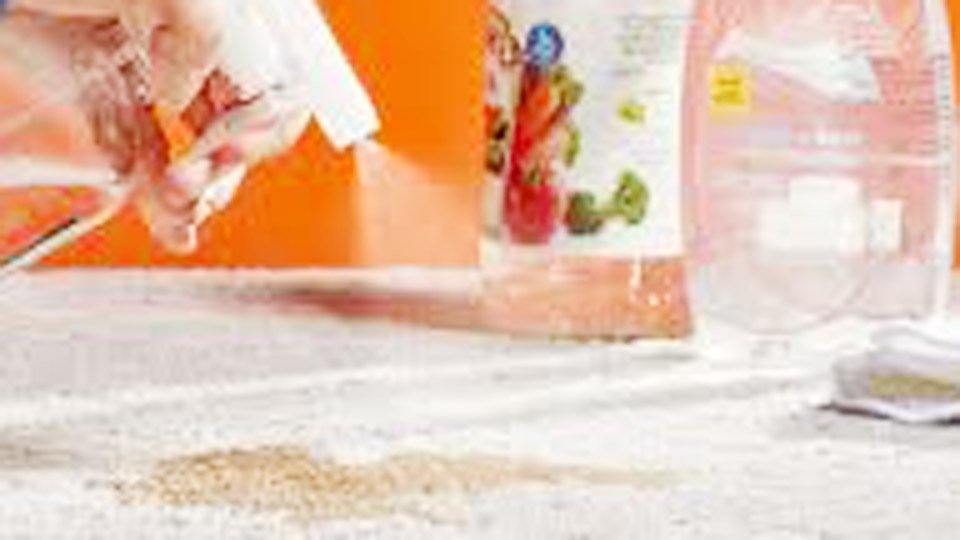
Yes, baking soda is great for deodorizing carpets. I sprinkle it evenly over synthetic carpets, let it sit for 15–30 minutes, and vacuum thoroughly. For tougher odors, I spray a 1:1 vinegar-water mix, let it sit for 5 minutes, and blot with a cloth.
Test on a small area first to avoid color fading. This keeps my living room carpet fresh, especially with a dog. Ventilate well and vacuum again after drying to remove residue.