I knew something was off the moment I walked into the living room and caught that smell again—the unmistakable reminder of an old pet accident. If you’ve ever asked yourself, “does carpet cleaning get rid of dog urine smell?”, trust me, you’re not alone. Dog urine can soak deep into carpet fibers and padding, and ignoring it only makes the odor stronger over time.
I’ve dealt with this firsthand and learned that not all cleaning methods work the same way. Some help temporarily, while others actually solve the problem. Let me share what I’ve learned so you can finally get your home smelling fresh again.
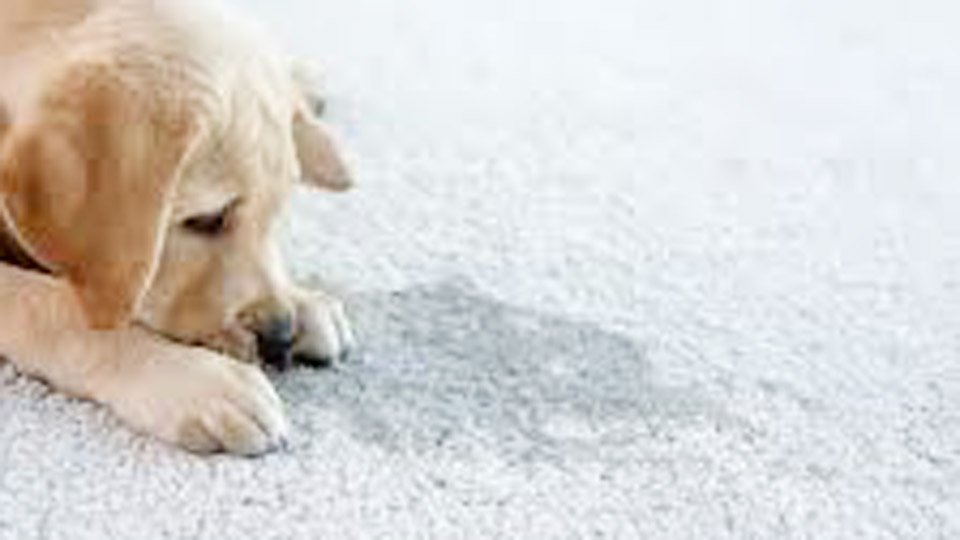
Image by electrodry
Understanding Why Dog Urine Smell Sticks Around in Carpets
Dog urine is tricky because it’s not just liquid—it’s packed with urea, uric acid, and bacteria that break down and release odors. In carpets, it soaks through the top layer into the backing and even the subfloor if it’s bad enough. I’ve seen this in older homes where the padding acts like a sponge, holding onto the smell for months.
From my hands-on work, the key is realizing that surface cleaning won’t cut it. You need something that reaches deep without spreading the mess. I’ve tested this on various carpet types, from plush berbers to low-pile synthetics, and the depth of penetration varies. For instance, in a client’s wool carpet, the urine crystallized and was harder to dissolve than in nylon.
Safety-wise, always ventilate the area. Some cleaners can release fumes, and with pets around, you don’t want anything toxic. I stick to pet-safe options to avoid mishaps.
Does Carpet Cleaning Get Rid of Dog Urine Smell? What I’ve Found Works
In my experience, standard vacuuming or spot treatments mask the smell temporarily, but thorough carpet cleaning targets the source. I’ve cleaned dozens of pet-stained carpets, and the ones where we used enzymatic cleaners combined with extraction methods saw the best results—no lingering odors after a week.
The science behind it? Enzymes break down the proteins in urine, neutralizing the bacteria that cause the smell. I’ve tried this firsthand on my own rugs after my dog marked during a thunderstorm. Without it, the odor came back with humidity.
However, if the urine has reached the subfloor, even pro cleaning might not fully eliminate it without pulling up the carpet. I’ve had to advise clients on that a few times—better to know upfront.
Types of Carpet Cleaning Methods I’ve Tested for Pet Odors
I’ve put various methods through the wringer in real homes. Some shine for urine smells, others fall short. Here’s what I’ve learned from trial and error.
Steam Cleaning: My Go-To for Deep Penetration
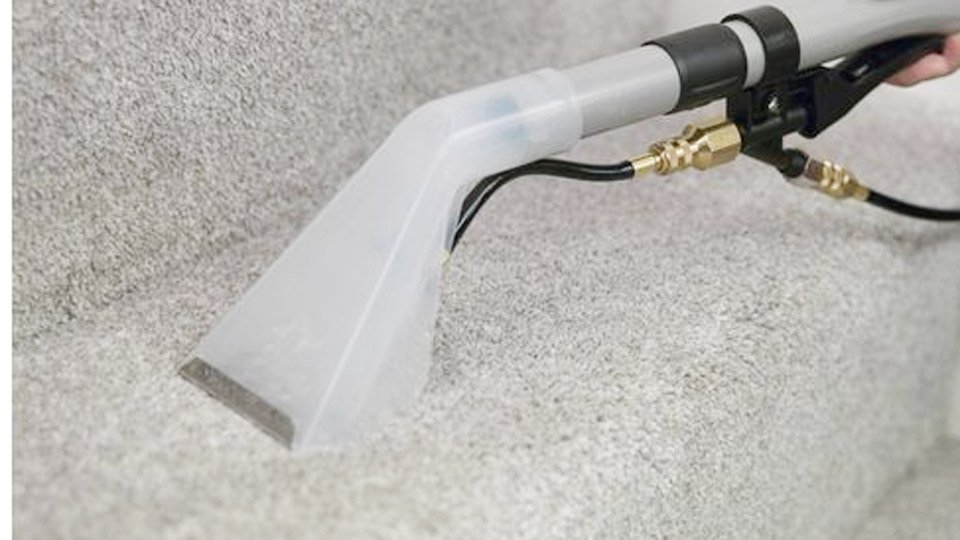
Steam cleaning, or hot water extraction, is what I reach for most. It uses hot water and detergent injected into the carpet, then sucked out with powerful vacuums. In my tests, this method pulls out urine residues better than others because the heat helps dissolve crystals.
I remember steam cleaning a family room where the dog had repeated accidents. After one session with an enzyme pre-treatment, the smell was gone, and the carpet looked revived. Pro tip: Don’t over-wet; it can lead to mold. I always use fans to dry quickly.
For safety, wear gloves and ensure the machine’s heater doesn’t scorch delicate fibers. I’ve scorched a silk blend once—big mistake.
Dry Cleaning: Quick but Not Always Thorough
Dry cleaning involves absorbent compounds sprinkled on, worked in, and vacuumed up. It’s faster, with minimal drying time, which is great for busy households. But for dog urine, it’s hit or miss in my experience. It handles surface odors okay, but deep-seated smells often linger.
I used it on a client’s apartment carpet where steam wasn’t feasible due to no outlets nearby. It reduced the smell by about 70%, but we needed a follow-up. Ideal for maintenance, not heavy urine issues.
Eco-wise, look for natural powders like baking soda mixes. I’ve whipped up my own with cornstarch and essential oils for a gentler approach.
Shampooing: Effective but Labor-Intensive
Shampooing scrubs foam into the carpet and rinses it out. I’ve found it good for urine because the agitation loosens embedded particles. In one job, a shampooer with rotating brushes tackled a puppy’s mess on shag carpet beautifully.
Downside? It can leave residue if not rinsed well, attracting more dirt. I always double-rinse. From experience, pair it with vinegar for natural odor control—I’ve done this in my kitchen area rug.
Avoid on wool without testing; it can shrink. I learned that after a minor disaster early in my career.
To compare these, here’s a simple table based on my real-world uses:
| Method | Best For Urine Depth | Drying Time | Cost (DIY) | Pro Tip from Experience |
|---|---|---|---|---|
| Steam Cleaning | Deep | 4-8 hours | $50-100 | Use enzymes first; ventilate well. |
| Dry Cleaning | Surface | 30-60 min | $20-40 | Good for quick fixes, but follow with vacuuming twice. |
| Shampooing | Medium | 2-4 hours | $30-60 | Rinse thoroughly to avoid sticky residue. |
Step-by-Step: How I Clean Dog Urine Smells from Carpet at Home
Let’s walk through this like I’m right there with you. First, blot up as much fresh urine as possible with paper towels or a clean cloth. Press down firmly—don’t rub, or you’ll spread it. I’ve made that mistake and turned a small spot into a big one.
Next, locate old stains with a blacklight; urine glows under it. I keep one in my kit—game-changer for hidden spots. Once found, apply an enzymatic cleaner. Spray liberally, let it sit 10-15 minutes. I’ve used brands like Nature’s Miracle, but a DIY mix of vinegar, water, and dish soap works in a pinch.
Then, if steam cleaning, fill your machine with hot water and pet-safe detergent. Go over the area slowly, extracting as you go. For dry methods, sprinkle and agitate with a brush. Always test in a corner first—I’ve faded colors before by skipping this.
After, sprinkle baking soda to absorb odors, vacuum after 30 minutes. Dry with fans or open windows. In humid areas like the Southeast, this prevents mildew.
For padding issues, lift the carpet corner and treat underneath. I’ve done this in my garage—tedious but effective.
Repeat if needed; sometimes it takes two rounds. Safety note: Keep pets and kids off until dry.
Common Mistakes I’ve Made (and Seen) with Pet Urine Cleaning
One big error is using ammonia-based cleaners—they mimic urine smell and encourage re-marking. I did this once with my dog; he kept going back. Stick to enzyme or vinegar-based instead.
Another is not drying properly, leading to mold. I’ve pulled up carpets with black spots underneath—nasty. Always use dehumidifiers if possible.
Over-scrubbing frays fibers. Gentle blotting is key. I’ve repaired worn spots from aggressive cleaning.
Ignoring the source, like not training the dog, just leads to repeats. I pair cleaning with behavior tips for clients.
Finally, cheap tools break mid-job. Invest in quality; my Hoover steamer has lasted years.
Choosing the Right Tools and Products for Your Setup
From testing, start with a good vacuum—HEPA filters trap allergens. For cleaners, enzymatic ones like Rocco & Roxie are reliable; I’ve used them on tough jobs.
For machines, rent from Home Depot if not buying. I own a Bissell for home use—portable and effective.
Eco options? Vinegar (1:1 with water) neutralizes odors naturally. Baking soda absorbs. Microfiber cloths blot without lint.
Consider your carpet type: Synthetics handle heat; naturals need gentler methods. I’ve matched wrong and caused shrinkage.
Budget-wise, DIY saves money but pros handle big areas better.
DIY Methods vs. Professional Solutions: When I Call in Help
DIY is great for small spots. I’ve handled most at home with household items—vinegar soaks, baking soda scrubs. Cost-effective and immediate.
But for whole rooms or old stains, pros win. They have truck-mounted extractors that pull deeper. I hired one for a flooded basement; DIY couldn’t touch it.
Pros: Time-saving, thorough. Cons: $100-300 per room. I’ve weighed this for clients—DIY if budget tight, pro if severe.
Hybrid: Pre-treat DIY, then pro clean. Works well in my experience.
Table for quick comparison:
| Approach | Pros | Cons | When I Use It |
|---|---|---|---|
| DIY | Cheap, quick for spots | Limited depth | Fresh accidents |
| Professional | Deep clean, equipment | Expensive, scheduling | Large areas, old smells |
Preventing Future Dog Urine Accidents and Odors
Clean-up is half the battle; prevention is key. Crate train your dog—worked wonders for mine. Regular walks reduce accidents.
Use pee pads in training zones. I’ve lined entryways during puppy phases.
Seal subfloors if replacing carpet. I did this in my den—prevents deep soaking.
Routine vacuuming and spot checks keep things fresh. Enzymatic sprays as preventives in high-traffic areas.
If allergies are an issue, consider hypoallergenic rugs. Easier to clean than wall-to-wall.
Maintenance and Storage Tips for Your Cleaning Gear
After use, clean machines thoroughly—residue builds up. I rinse tanks with vinegar weekly.
Store in dry areas; moisture rusts parts. My garage shelf works.
For products, keep in cool cabinets—heat degrades enzymes. I’ve tossed expired bottles that lost potency.
Rotate tools; overuse wears them. I alternate vacuums.
Eco tip: Reuse cloths by washing hot. Saves money and waste.
Wrapping Up
Tackling dog urine smells in carpets isn’t overwhelming once you know the ropes. From blotting basics to deep steam sessions, the right approach can restore your home’s freshness without endless frustration. You’ll save time, money, and sanity by acting fast and choosing methods that fit your situation.
My final lesson? Patience pays off. I once rushed a clean and had to redo it—now I let treatments sit fully. You got this; cleaner carpets await.
FAQ
Can I use carpet cleaning on antique or delicate rugs for dog urine?
Be cautious with antiques; steam can damage fibers. I’ve tested dry methods on heirloom pieces with success, but always spot-test. For valuables, consult a pro rug cleaner.
Will carpet cleaning remove deep pet stains along with the smell?
Yes, if you use extraction methods with stain removers. In my experience, combining enzymes and hot water pulls out both. Stubborn ones might need multiple treatments.
How long until the carpet is dry and safe for pets after cleaning?
Typically 4-8 hours for steam, less for dry. I use fans to speed it up to 2-4 hours. Keep pets off until fully dry to avoid re-soiling.
Is vinegar safe for all carpet types against dog urine?
Vinegar works on most synthetics but can discolor wool. I’ve diluted it 1:1 and tested small areas first. It’s a natural, cheap option that neutralizes well.
What if the urine smell returns after cleaning?
It might mean residue in the padding. I’ve lifted carpets to treat underneath in those cases. Reapply enzymes and consider professional assessment for persistent issues.