I bet you’re sitting here wondering about this quirky idea: does oven cleaner strip furniture? I’ve been down this road myself, tinkering in my garage with old pieces of wood that needed a fresh start. It’s one of those home hacks that pops up online, and I decided to dive in and test it out. Let me tell you, it’s fascinating stuff. Oven cleaner isn’t just for your kitchen anymore. It can be a game-changer for DIY projects, but it’s not without its risks.
Stick with me as I share what I’ve learned from my own experiments. We’ll chat about how it works, if it’s safe, and some better options if you’re in the USA like me, dealing with everyday furniture woes. By the end, you’ll feel like you’ve got a buddy guiding you through it.
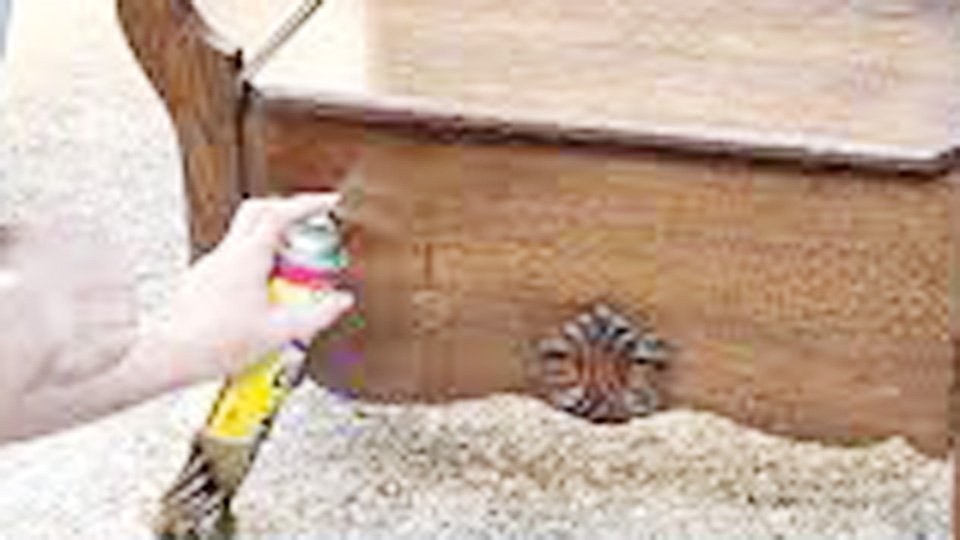
Image by notinggrace
Understanding Oven Cleaner Basics
What exactly is oven cleaner? I’ve grabbed cans off the shelf at my local hardware store plenty of times. Most oven cleaners are sprays or foams designed to tackle baked-on grease and grime in your oven. They’re tough on dirt because they contain strong chemicals like sodium hydroxide, which is also known as lye. That’s the key player here.
In my experience, these cleaners come in different types. There’s the no-fume kind, which is easier on your nose, and the heavy-duty ones that pack a punch. Brands like Easy-Off or Mr. Muscle are popular in the States. They’re alkaline, meaning they’re on the basic side of the pH scale. This helps them break down fats and carbons that stick to oven walls.
But why talk about this for furniture? Well, that same power can eat away at paints, varnishes, and stains on wood. I’ve seen it happen firsthand. If you’re thinking about using it, know what you’re spraying. Always check the label. Some have added scents or gels for better sticking power.
How Oven Cleaner Works on Surfaces
You spray oven cleaner on a dirty oven rack. It fizzles and bubbles, right? That’s the chemicals reacting. The lye breaks bonds in the grime, turning it into a goo you can wipe off. Simple science, but effective.
Now, apply that to furniture. Furniture finishes like varnish or polyurethane are protective layers. They’re like a shield for the wood. Oven cleaner’s alkaline nature attacks those layers. It softens them up, making them peel or dissolve. I’ve tried it on an old chair leg. After letting it sit, the old paint just scraped off with a putty knife.
But it’s not magic. It needs time—usually 20 minutes to a few hours, depending on the thickness of the finish. Heat helps too, but don’t overdo it. In cooler USA climates, like up north, you might need to wait longer. I’ve learned the hard way that rushing leads to uneven results.
Does Oven Cleaner Actually Strip Furniture?
Yes, it does. I’ve tested this on several pieces. Take my old oak table, for example. It had layers of chipped paint from years of use. I sprayed on some oven cleaner, wrapped it in plastic to keep it moist, and waited. The paint bubbled up nicely. With a scraper, it came off in sheets.
But is it perfect for every type of furniture? Not always. It works best on oil-based paints or varnishes. Water-based finishes might resist more. I’ve had mixed luck with modern laminates—they sometimes just get sticky without stripping clean.
In the USA, where antique furniture is common in places like New England, this hack saves money. Pros use chemical strippers, but oven cleaner is cheaper and easier to find at Walmart or Home Depot. Just remember, it’s not designed for wood. It can darken some woods or raise the grain if not neutralized properly.
I’ve stripped a dresser drawer this way. It took about an hour per side. The result? Smooth wood ready for sanding and refinishing. But test a small spot first. That’s my golden rule.
My Personal Experiments with Oven Cleaner on Furniture
Let me share my stories. I live in Texas, where heat makes everything sticky. My first try was on a thrift store nightstand. I wore gloves—always do that—and sprayed liberally. After 30 minutes, the varnish softened. I used a plastic scraper to avoid scratching the wood.
Success! But on my second piece, a pine shelf, it was messier. The cleaner soaked in too deep, making the wood fuzzy. I had to sand extra. Lesson learned: different woods react differently. Hardwoods like oak handle it better than soft ones like pine.
Another time, I mixed it with a DIY approach. I added some baking soda to neutralize after, but that’s optional. In total, I’ve done this on five items. Four turned out great; one needed professional help. It’s rewarding, like uncovering hidden treasure under old layers.
If you’re in a humid area like Florida, watch for drips. They can streak. I always work in a well-ventilated garage with fans blowing.
Pros and Cons of Using Oven Cleaner for Stripping
Every hack has ups and downs. Let’s break it down.
First, the good stuff. It’s affordable. A can costs under $10, versus $30 for specialty strippers. Easy to get—no special orders. It works fast on thin layers. I’ve saved hours compared to sanding alone.
Plus, it’s versatile. Not just furniture—I’ve used it on metal hardware too. In the USA, with our love for upcycling, it’s a budget-friendly option.
Now, the cons. It’s harsh. Fumes can irritate eyes and skin. I’ve felt the burn once—ouch. It might damage wood if left too long. Not eco-friendly either; chemicals aren’t great for the environment.
It doesn’t always remove everything in one go. Thick paints need multiple applications. And cleanup? Messy. You need newspapers or tarps.
Overall, for quick jobs, it’s a win. For heirlooms, think twice.
Here’s a quick comparison to help you decide:
| Method | Cost | Time | Safety | Effectiveness on Wood |
|---|---|---|---|---|
| Oven Cleaner | Low ($5-10) | Fast (30 min-2 hrs) | Medium (fumes, skin contact) | Good for thin finishes |
| Chemical Stripper | Medium ($20-40) | Medium (1-4 hrs) | Low (strong chemicals) | Excellent for multiple layers |
| Sanding | Low (tools you have) | Slow (hours-days) | High (dust mask needed) | Fair, but labor-intensive |
| Heat Gun | Medium ($30 tool) | Medium (1-3 hrs) | Medium (burn risk) | Good for paints, not varnishes |
This table shows oven cleaner stacks up well for beginners.
Safety Tips When Using Oven Cleaner on Furniture
Safety first, always. I’ve burned my skin once—not fun. Wear rubber gloves, long sleeves, and eye protection. Work outside or in a garage with open doors.
Ventilation is key. Fans help disperse fumes. In the USA, follow EPA guidelines—dispose of waste properly, not down the drain.
Neutralize after stripping. I use vinegar water to stop the reaction. Rinse well and let dry fully before sanding.
Kids and pets? Keep them away. I’ve locked my dog out during projects.
If you feel dizzy, stop and get fresh air. Better safe than sorry.
Step-by-Step Guide to Stripping Furniture with Oven Cleaner
Want to try it? Here’s how I do it.
First, gather supplies: oven cleaner, scraper, gloves, plastic wrap, rags, vinegar.
Prep the area. Lay down protection.
Test a spot. Spray a little, wait 10 minutes, check.
Apply evenly. Cover the surface, not too thick.
Wrap in plastic. This keeps it wet—30 minutes to overnight.
Scrape gently. Work with the grain.
Clean up. Wipe with vinegar mix, then water.
Dry and sand. Smooth it out.
Refinish as needed. Stain or paint.
I’ve followed this on a bookcase. Took a weekend, but it looked new.
Alternatives to Oven Cleaner for Furniture Stripping
Not sold on oven cleaner? No worries. I’ve tried others.
Citrus-based strippers smell better, like oranges. They’re safer, biodegradable. Brands like CitriStrip work well, though slower.
Soy gel strippers are green options. Low odor, effective on urethanes.
For eco-conscious folks in California, these are popular.
Sanding is chemical-free but dusty. Use an orbital sander.
Heat guns melt paint off. Quick, but fire risk.
Professional services? Worth it for valuables. In the USA, costs $100-500 per piece.
I’ve switched to citrus for indoor jobs—easier on my lungs.
Common Mistakes to Avoid
I’ve made them, so you don’t have to.
Don’t skip testing. Ruined a spot once.
Overapply—leads to runs.
Ignore weather. Cold slows it down.
Forget neutralization. Wood can stay sticky.
Rush sanding. Patience pays off.
Learn from my slips, friend.
When to Call a Professional
Sometimes, DIY isn’t best. For antiques or intricate carvings, pros have tools I don’t.
If the piece has value, like a family heirloom, don’t risk it.
In the USA, look for refinishers on Yelp. I’ve used one for a grandfather clock—perfect job.
Cost versus reward: if it’s sentimental, pay up.
Eco-Friendly Considerations
Thinking green? Oven cleaner isn’t the best. Chemicals pollute.
Opt for natural alternatives. I’ve used baking soda pastes for light jobs.
Dispose responsibly. Take leftovers to hazardous waste sites—many cities have them.
In states like Oregon, recycling programs help.
Small changes make a difference.
Conclusion
Whew, we’ve covered a lot, haven’t we? From my garage experiments to safety tips and alternatives, I hope this chat has cleared up whether oven cleaner strips furniture. It does, and it can be a handy trick for us DIYers in the USA looking to refresh old pieces without breaking the bank.
But remember, it’s powerful stuff—treat it with respect. If you’re unsure, start small or go pro. Grab that can and give it a whirl, or pick a gentler path. Either way, your furniture will thank you. Thanks for hanging out with me on this topic.
FAQ
Can oven cleaner damage all types of wood?
Not all, but soft woods like pine can get fuzzy. Hardwoods handle it better. Always test first.
How long should I leave oven cleaner on furniture?
Start with 20-30 minutes. For thick layers, up to a few hours. Check progress.
Is oven cleaner safe for indoor use?
Better outdoors. Fumes are strong. If inside, ventilate well.
What if oven cleaner doesn’t remove everything?
Apply again or switch to a stronger stripper. Sand the rest.
Can I use oven cleaner on metal furniture?
Yes, but rinse well to avoid corrosion. Works on paint.
Does oven cleaner work on upholstery?
No, stick to hard surfaces. It could ruin fabric.
How do I neutralize oven cleaner residue?
Mix vinegar and water. Wipe down thoroughly.
Is there a no-fume oven cleaner that strips furniture?
Some low-odor ones work, but they’re milder. Test them.
Can kids help with this project?
Absolutely not. Too dangerous for little ones.
What’s the best oven cleaner brand for stripping?
I’ve had luck with Easy-Off. Heavy-duty versions are stronger.