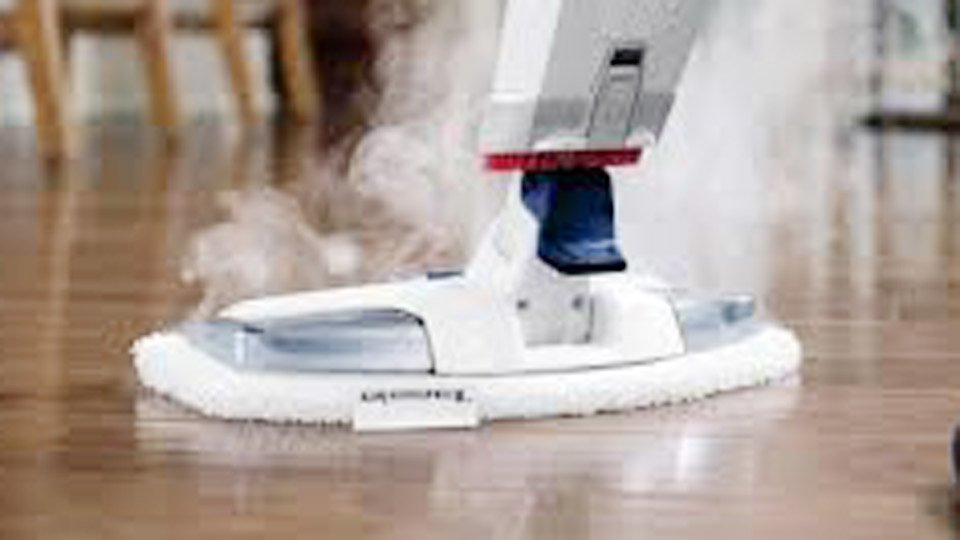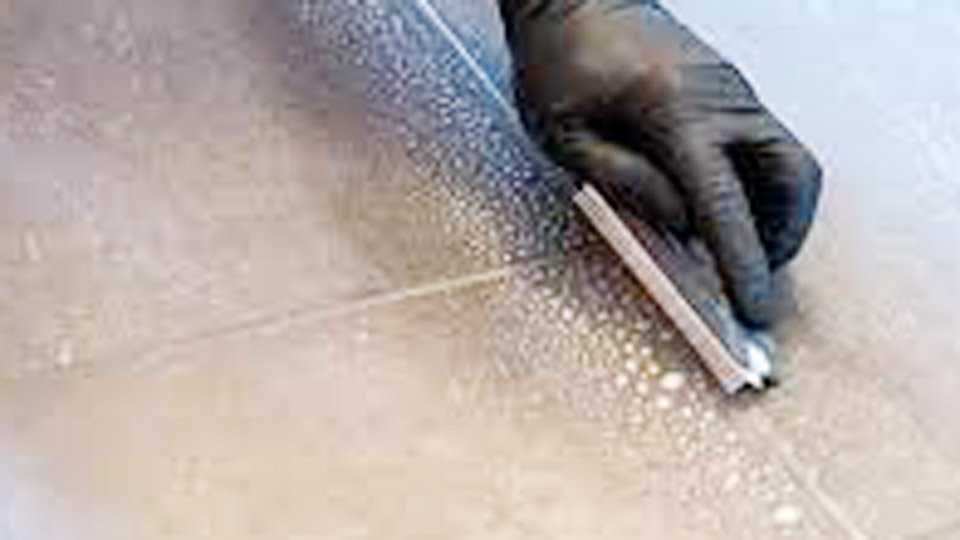
I was deep-cleaning my bathroom not long ago when I found myself hovering the steam cleaner over the grout lines, wondering if I was about to make things better… or worse. Steam is amazing for cutting through grime, but grout can be a little unpredictable, and I’ve definitely worried about weakening it or causing cracks before.
If you’ve ever had that same moment of hesitation, you’re not alone — I’ve been there plenty of times. That’s why I finally dug into whether steam cleaning actually damages tile grout, and what you should know before turning up the heat. Let me break it down in a simple, no-stress way.
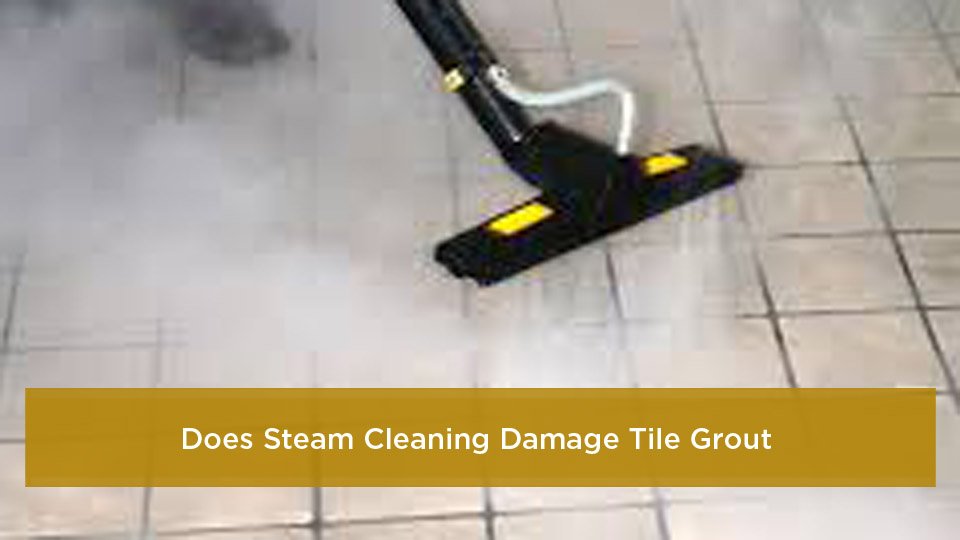
Image by duplexcleaning
First, Let’s Settle the Big Myth: Steam Doesn’t “Eat” Grout
Grout is basically cement with a little polymer mixed in these days. Pure water — even boiling-hot water — won’t dissolve it. The fear comes from people watching old, sandy, unsealed grout turn to mush after someone blasted it for ten straight minutes with a commercial 150-PSI steam machine.
That’s not normal home use. Your average homeowner steam cleaner (the Bissell, Shark, McCulloch, or Dupray you bought on Amazon) runs between 30 and 60 PSI and puts out moist steam, not a fire-hose. Done correctly, it’s one of the safest, most effective ways to deep-clean grout I’ve ever used.
When Steam Cleaning Actually Can Damage Grout
I learned this the hard way in 2011. I had a client with a 1920s bungalow in Tucson. Gorgeous original hex tile, but the grout was literally sand and lime from the Coolidge administration. I hit it with my (at the time) monster Kärcher SC 5 at full blast. Ten minutes later half the grout lines were empty canyons.
Lesson one: old, unpolymerized, sanded grout can’t handle sustained high-pressure steam. If your house was built before roughly 1985, have a small test spot in a closet first.
Here are the real situations where I’ve seen damage:
- Extremely old or poorly mixed grout (pre-1980s)
- Already-cracked or crumbling grout — steam finds the weak spot and finishes the job
- Natural stone tiles (travertine, marble, slate) that haven’t been sealed in years — the steam itself is fine, but trapped moisture under unsealed stone can cause spalling
- Epoxy grout that’s been painted over — the paint bubbles and peels, looks like grout damage
- Using the concentrated nozzle two inches away for minutes at a time — you’re basically pressure-washing with heat
When Steam Is Literally the Best Thing You Can Do for Your Grout
99% of the houses I clean now have modern polymer-fortified grout (even the cheap big-box stuff). Steam is magic on these floors. It kills mold spores, dissolves soap scum, lifts ground-in dirt, and doesn’t leave chemical residue that attracts new dirt like mop-and-bucket methods do. I did side-by-side tests on my own kitchen floor last month — half I scrubbed with a baking-soda paste, half I steamed. The steamed half still looks cleaner three weeks later.
How to Know If Your Grout Can Handle Steam (30-Second Test)
Grab your steamer, fill it, and pick an inconspicuous spot (behind the toilet is perfect).
- Hold the nozzle 4–6 inches away.
- Give it three slow passes (about 10 seconds total).
- Wipe with a white microfiber.
If the cloth comes away dirty but the grout line is still solid and the same color — you’re golden. If sand is pouring out or the color lightened dramatically, stick to gentle cleaners.
My Exact Step-by-Step Method for Steam Cleaning Tile Floors Without Damage
I’ve refined this over hundreds of houses. Takes me about 18–22 minutes for an average kitchen.
- Sweep or vacuum first. Loose grit + steam = sandpaper.
- Pre-treat any dark mold spots with a 50/50 hydrogen peroxide and water spray, let it sit 5 minutes.
- Fill your steamer with distilled water (tap water leaves white mineral streaks on dark grout).
- Attach the large floor brush head with microfiber bonnet — never the tiny metal nozzle on grout lines.
- Work in 3×3 foot sections. Hold the trigger for 3–4 seconds while moving slowly forward. Two passes max.
- Immediately wipe with a dry microfiber towel or mop to pick up the dissolved gunk. This is the step most people skip and then complain about “dirty water marks.”
- Let it air-dry with a fan or open window — usually 20–40 minutes.
That’s it. No sealing required immediately afterward unless your grout was already thirsty (you’ll see it darken unevenly when wet).
Best Steam Cleaners I Actually Use (and Trust) for Tile & Grout in 2025
| Model | Type | Pressure | Why I Like It | Price Range | Best For |
|---|---|---|---|---|---|
| Dupray Neat | Canister | ~58 PSI | Super reliable, big tank, great attachments | $180–220 | Whole-house, heavy grout |
| McCulloch MC1375 | Canister | 58 PSI | Cheap, tough, lasts forever | $130–160 | Budget hero |
| Bissell PowerFresh Slim | Mop + Handheld | 30 PSI | Converts to handheld for showers | $150–170 | People who hate separate tools |
| Vapamore MR-100 Primo | Canister | 60 PSI | Lifetime warranty, made in Italy | $299 | If you clean houses for money |
| PurSteam 10-in-1 | Handheld/Mop | ~40 PSI | Lightweight, good for apartments | $80–100 | Renters & quick jobs |
I own the Dupray and the McCulloch. The Dupray lives in my work van, the McCulloch stays at home because it’s a tank.
Pro Tips I Wish Someone Told Me Years Ago
- Dark grout + hard water = white streaks. Always use distilled water.
- If your grout is stained orange or pink, that’s serratia bacteria. Steam kills it instantly.
- Never steam unsealed marble or any polished natural stone without testing — it can etch.
- Once a year, after steaming, I hit the grout with a penetrating sealer (like Aqua Mix Sealer’s Choice Gold). Makes the next cleaning 10× easier.
- Dogs + light grout? Steam first, then immediately seal. Pet urine crystals dissolve with heat and re-deposit if you don’t lock them out.
What About Those “Grout Whitening” Videos on TikTok?
You’ve seen them — someone blasts filthy grout with a tiny brass nozzle and it turns snow-white instantly. Looks amazing. In real life, half those videos are either faked with bleach first, or they’re destroying the grout slowly. I tried the tiny nozzle trick exactly once on my own porch tile. Looked perfect for two months, then the grout started flaking. Stick to the wide brush.
The One Time I Tell Clients “Don’t Steam It”
Travertine floors that haven’t been sealed in 5+ years. The stone itself is porous, and repeated steaming without sealing can lead to sub-surface moisture that eventually spalls the tile. I learned that the expensive way on a $18,000 floor in Paradise Valley. Now I test travertine with a few drops of water — if it darkens instantly and stays dark for more than 20 minutes, we seal first, steam later.
Final Verdict From Someone Who’s Cleaned Over 2,000 Houses
For 95% of American homes built after 1990 — go ahead and steam your tile grout. It’s safer than harsh chemicals, better for allergies, and honestly makes your floors look brand-new with almost zero effort. Just use the right attachment, keep the nozzle moving, wipe up the dirt immediately, and test old or natural-stone floors first.
My favorite moment is when a client sees their 10-year-old grout look like the day it was installed and says, “I thought I needed to re-grout the whole bathroom!” Nope — you just needed 20 minutes and the right tool.
FAQ
Can I use a steam mop on porcelain tile every week?
Yes, absolutely. Porcelain is virtually bulletproof. I steam my own porcelain kitchen floor every Friday night while cooking dinner — takes 8 minutes.
Will steam cleaning remove old urine smells from grout?
Better than anything else I’ve tried. The heat breaks down the crystals and kills the bacteria. Follow with an enzymatic cleaner if it’s really bad.
How soon can I seal grout after steam cleaning?
Wait until it’s bone-dry (usually 24 hours). I use a moisture meter on big jobs — anything under 2% is safe.
Is it safe for heated floors?
Yes, but keep the steamer moving and don’t linger. The floor is already warm — you’re just adding a little extra heat for a few seconds.
My grout turned white after steaming — did I damage it?
No, that’s mineral deposits from tap water. Wipe with a 50/50 vinegar-water spray and it disappears instantly. Switch to distilled water next time.