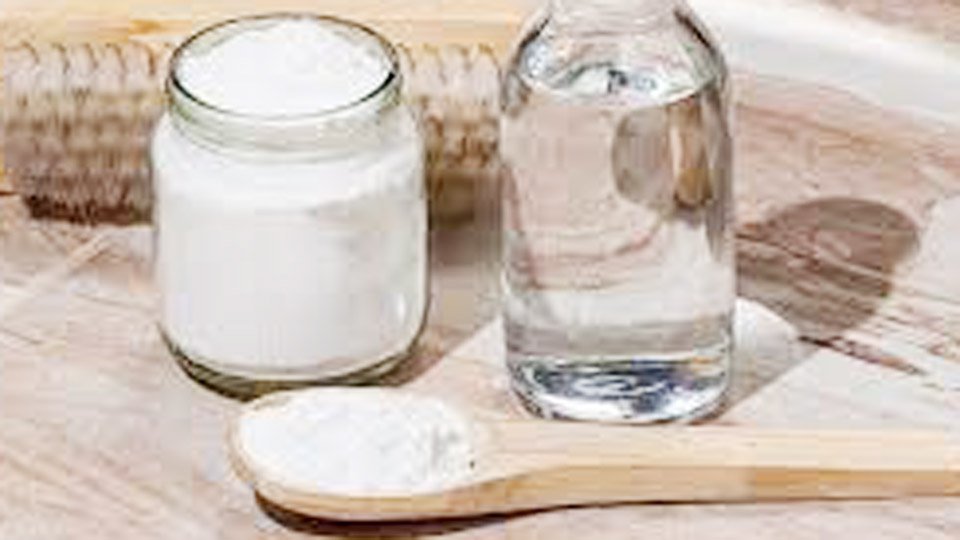
A few years ago, I got fed up with spending money on cleaning products that smelled like chemicals and barely worked. One day, after reading the label on a store-bought spray and realizing I couldn’t pronounce half the ingredients, I decided to try something different. I raided my pantry—grabbed some vinegar, baking soda, and lemon—and started experimenting with homemade cleaning agents.
To my surprise, not only did they work, but they worked better than most commercial cleaners I had used. Vinegar cut through grease like a charm, baking soda freshened up everything from carpets to drains, and lemon juice left my kitchen smelling cleaner than any artificial scent ever could. And the best part? I knew exactly what I was using around my family and pets.
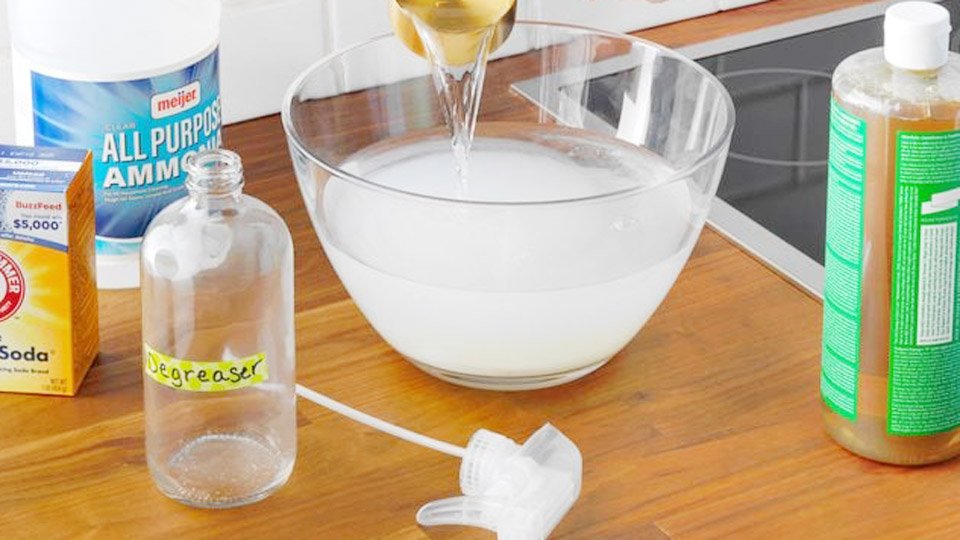
Image by tasteofhome
I’ll share my go-to homemade cleaning recipes and exactly how I use them around the house—based on real trial, error, and lots of sparkling surfaces. If you’re ready to clean smarter, safer, and cheaper, these natural solutions might just change the way you clean forever.
Why Choose Homemade Cleaning Agents?
Store-bought cleaners can be pricey and packed with chemicals that irritate skin or lungs. I switched to homemade cleaners after my toddler got a rash from a commercial spray. Natural ingredients like vinegar, baking soda, and castile soap are gentle, effective, and safe for pets and kids.
They’re also versatile, tackling everything from grease to pet odors. Plus, they’re cheap—a gallon of vinegar costs about $3 compared to $10 for a fancy spray. Here’s how I use them to keep my home fresh.
All-Purpose Cleaner with Vinegar and Water
This is my go-to for counters, sinks, and appliances. It’s simple, cheap, and cuts through grease like magic. I used it to clean my stovetop after a spaghetti sauce spill, and it worked in minutes.
Supplies Needed
| Supply | Purpose | Alternative |
|---|---|---|
| White vinegar (5–6% acidity) | Cuts grease, disinfects | Cleaning vinegar (6%) |
| Water | Dilutes vinegar | Distilled water |
| Spray bottle | Applies solution | Bowl and cloth |
| Microfiber cloth | Wipes surfaces | Paper towels |
| Essential oil (optional) | Adds scent | Lemon extract |
I use a store-brand vinegar and a $2 spray bottle from a hardware store.
How to Make and Use
- Mix 1 part white vinegar with 1 part water in a spray bottle.
- Add 5–10 drops of essential oil (like lemon or lavender) for a fresh scent, if desired.
- Shake gently to combine.
- Spray on surfaces like countertops, sinks, or glass.
- Wipe with a microfiber cloth for a streak-free finish.
- For tough grease, let the solution sit for 2–3 minutes before wiping.
Time Estimate
Mixing takes 2 minutes; cleaning a kitchen counter takes 5–10 minutes.
Pro Tip
Use distilled water to prevent mineral streaks on glass or stainless steel. I learned this after noticing spots on my fridge.
Dos and Don’ts
Do:
- Test on a small area to avoid damage.
- Use on sealed surfaces like granite or laminate.
- Rinse cloth frequently to avoid streaks.
Don’ts:
- Use on natural stone like marble; vinegar’s acidity can etch it.
- Mix with bleach; it creates toxic fumes.
- Overuse essential oils; they can leave residue.
Best Uses
- Kitchen counters, sinks, and appliances
- Glass windows and mirrors
- Bathroom tiles and faucets
- Sealed wood furniture (test first)
Baking Soda Paste for Tough Stains
Baking soda is my secret weapon for stubborn stains. I used it to scrub a crayon mark off my dining table, and it was gone in no time.
Supplies Needed
| Supply | Purpose | Alternative |
|---|---|---|
| Baking soda | Scrubs stains, deodorizes | Borax |
| Water | Forms paste | Hydrogen peroxide |
| Sponge | Applies paste | Soft cloth |
| Microfiber cloth | Wipes residue | Paper towels |
I buy baking soda in bulk for about $1 per pound.
How to Make and Use
- Mix 3 parts baking soda with 1 part water to form a thick paste.
- Apply the paste to stains on surfaces like sinks, grout, or cutting boards.
- Let it sit for 5–10 minutes for tough stains.
- Scrub with a sponge or cloth in circular motions.
- Wipe clean with a damp microfiber cloth.
- Rinse the surface thoroughly to remove residue.
Time Estimate
Mixing takes 2 minutes; cleaning a sink or grout line takes 10–15 minutes.
Pro Tip
Add a drop of dish soap to the paste for extra grease-cutting power. I use this for my oven door’s greasy spots.
Dos and Don’ts
Do:
- Use on ceramic, stainless steel, or grout.
- Apply gently to avoid scratching delicate surfaces.
- Store paste in an airtight container for reuse.
Don’ts:
- Use on aluminum; it can discolor.
- Scrub too hard on painted surfaces.
- Leave paste on too long; it can dry and cake.
Best Uses
- Sink stains and rust
- Grout in bathrooms or kitchens
- Cutting boards with food stains
- Oven or stovetop grease
Hydrogen Peroxide for Disinfecting and Stain Removal
Hydrogen peroxide is my go-to for disinfecting and whitening. It saved my white rug after a pet accident left a yellow stain.
Supplies Needed
| Supply | Purpose | Alternative |
|---|---|---|
| Hydrogen peroxide (3%) | Disinfects, whitens | White vinegar |
| Water | Dilutes solution | Distilled water |
| Spray bottle | Applies solution | Bowl and cloth |
| Microfiber cloth | Wipes surfaces marvelous | Paper towels |
I use a $1 bottle of 3% hydrogen peroxide from the pharmacy.
How to Make and Use
- Mix 1 part hydrogen peroxide with 2 parts water in a spray bottle.
- Test on a hidden area to check for bleaching.
- Spray on surfaces like bathroom tiles, toilet exteriors, or light-colored carpets.
- Let it sit for 5–10 minutes for disinfecting or stain removal.
- Wipe with a microfiber cloth or rinse with water.
- For mold, spray undiluted peroxide, let sit for 10 minutes, and scrub.
Time Estimate
Mixing takes 2 minutes; cleaning a bathroom sink or rug takes 10–15 minutes.
Pro Tip
Store hydrogen peroxide in a dark bottle to maintain its strength. I keep mine in a cool cabinet to avoid degradation.
Dos and Don’ts
Do:
- Use on hard surfaces or light-colored fabrics.
- Ventilate the area when using undiluted peroxide.
- Wear gloves to protect skin.
Don’ts:
- Use on colored fabrics; it can bleach them.
- Mix with vinegar or bleach; it creates harmful fumes.
- Use on wood; it can strip finishes.
Best Uses
- Disinfecting bathroom surfaces
- Removing pet stains on light carpets
- Cleaning mold or mildew in showers
- Whitening grout or porcelain
Castile Soap for Multi-Surface Cleaning
Castile soap is my favorite for gentle, eco-friendly cleaning. I use it for floors and dishes, and it leaves everything sparkling.
Supplies Needed
| Supply | Purpose | Alternative |
|---|---|---|
| Liquid castile soap | Cleans surfaces | Dish soap |
| Water | Dilutes soap | Distilled water |
| Bucket | Holds solution | Large bowl |
| Mop or sponge | Applies solution | Microfiber cloth |
| Essential oil (optional) | Adds scent | Lemon extract |
I use a plant-based castile soap from a local store, about $10 per bottle.
How to Make and Use
- Mix 1 tablespoon castile soap with 1 gallon warm water in a bucket.
- Add 5 drops of essential oil for fragrance, if desired.
- Dip a mop or sponge into the solution and wring out excess.
- Mop floors or wipe surfaces like counters or cabinets.
- Rinse with clean water to remove soap residue.
- Dry with a microfiber cloth for a streak-free finish.
Time Estimate
Mixing takes 3 minutes; mopping a 200-square-foot floor takes 15–20 minutes.
Pro Tip
Use less soap for hardwood floors to avoid buildup. I learned this after my floors felt sticky.
Dos and Don’ts
Do:
- Use on sealed floors, tiles, or laminate.
- Dilute well to prevent residue.
- Test on a small area first.
Don’ts:
- Use on unsealed wood; it can warp.
- Mix with vinegar; it creates a curdled mess.
- Overuse soap; it leaves a film.
Best Uses
- Hardwood, tile, or vinyl floors
- Kitchen counters and cabinets
- Dishes and laundry (diluted)
- Bathroom sinks and tiles
Lemon Juice for Odor Neutralizing and Shine
Lemon juice is my trick for freshening up smelly spots and adding shine. I used it to clean my microwave after a popcorn mishap, and it smelled amazing.
Supplies Needed
| Supply | Purpose | Alternative |
|---|---|---|
| Fresh lemons or lemon juice | Neutralizes odors, shines | White vinegar |
| Water | Dilutes juice | Distilled water |
| Spray bottle | Applies solution | Bowl and cloth |
| Microfiber cloth | Wipes surfaces | Paper towels |
I use fresh lemons when I have them, or bottled juice for about $3.
How to Make and Use
- Mix 1 part lemon juice with 2 parts water in a spray bottle.
- Spray on surfaces like cutting boards, stainless steel, or garbage cans.
- Let it sit for 2–3 minutes to neutralize odors.
- Wipe with a microfiber cloth for a shiny finish.
- For microwaves, heat a bowl of 1:1 lemon juice and water for 2 minutes, then wipe inside.
Time Estimate
Mixing takes 2 minutes; cleaning a cutting board or microwave takes 5–10 minutes.
Pro Tip
Use lemon juice on stainless steel appliances for a streak-free shine. I do this weekly for my fridge.
Dos and Don’ts
Do:
- Use on stainless steel, plastic, or glass.
- Ventilate when heating in the microwave.
- Dilute to avoid stickiness.
Don’ts:
- Use on natural stone; it can etch.
- Apply to fabrics; it may bleach.
- Leave on surfaces too long; it can get sticky.
Best Uses
- Deodorizing garbage cans or fridges
- Shining stainless steel appliances
- Cleaning cutting boards
- Freshening microwaves or dishwashers
Comparison of Homemade Cleaning Agents
| Agent | Best For | Pros | Cons |
|---|---|---|---|
| Vinegar-Water | General cleaning | Cheap, disinfects | Avoid on stone |
| Baking Soda Paste | Tough stains | Deodorizes, scrubs | Not for aluminum |
| Hydrogen Peroxide | Disinfecting, whitening | Kills germs | Can bleach colors |
| Castile Soap | Multi-surface | Gentle, eco-friendly | Avoid on unsealed wood |
| Lemon Juice | Odors, shine | Fresh scent | Not for stone or fabrics |
Surfaces and Cleaning Agents
| Surface | Safe Agents | Avoid |
|---|---|---|
| Granite/Marble | Castile soap | Vinegar, lemon juice |
| Stainless Steel | Vinegar, lemon juice | Baking soda (may scratch) |
| Hardwood (sealed) | Castile soap | Vinegar, peroxide |
| Tile/Grout | Baking soda, peroxide | None |
| Glass | Vinegar, lemon juice | Baking soda (may streak) |
| Carpets (synthetic) | Peroxide, vinegar | Lemon juice (may bleach) |
Safety Precautions for Homemade Cleaners
- Ventilation: Open windows when using vinegar or peroxide to avoid fumes.
- Gloves: Wear gloves with peroxide or baking soda to protect skin.
- Storage: Keep solutions in labeled bottles away from kids and pets.
- Mixing: Never mix vinegar with bleach or peroxide with vinegar; it creates toxic gases.
- Testing: Always test on a small area to avoid damage.
Maintaining Cleaning Supplies
I keep my homemade cleaners organized to save time:
- Label spray bottles clearly with a marker.
- Store in a cool, dark place to preserve potency.
- Clean spray nozzles weekly to prevent clogs.
- Make small batches to ensure freshness.
Preventing Household Messes
Regular habits reduce cleaning needs. Here’s my routine:
- Wipe counters daily with a vinegar spray.
- Vacuum weekly to remove dirt and pet hair.
- Use doormats to trap dirt at entrances.
- Spot clean spills immediately to avoid stains.
When to Use Store-Bought Cleaners
For tough jobs like oven grease or heavy mold, I use commercial cleaners. I keep a heavy-duty degreaser for my grill but rely on homemade solutions for daily cleaning.
Common Mistakes to Avoid
I’ve made these errors, so you don’t have to:
- Mixing Chemicals: Combining vinegar and bleach made me dizzy from fumes.
- Using on Wrong Surfaces: Vinegar etched my marble counter before I knew better.
- Overusing Soap: Left sticky residue on my floors.
- Not Testing: Bleached a rug with peroxide.
- Poor Storage: Spilled a vinegar bottle in my pantry.
Pro Tips from My Experience
- Batch Prep: Make cleaners weekly to save time.
- Microfiber Cloths: They reduce streaks and lint.
- Dilute Properly: Too much cleaner leaves residue.
- Ventilate Well: Prevents headaches from strong scents.
- Label Everything: Avoids mix-ups with solutions.
Conclusion: Clean Naturally with Confidence
Homemade cleaning agents are a game-changer for keeping your home fresh, safe, and budget-friendly. From vinegar sprays to baking soda pastes, my tried-and-true recipes have tackled everything from pet stains to kitchen grease. Whether you’re a busy parent or a renter on a budget, these solutions are easy to make and use. Grab a spray bottle, mix up your favorite cleaner, and enjoy a sparkling home without harsh chemicals!
FAQ
What are the best homemade cleaning agents for kitchen surfaces?
For kitchen surfaces, I use a vinegar-water spray (1:1 ratio) for counters, sinks, and stainless steel. It cuts grease and leaves a streak-free shine. Mix in a spray bottle, add a few drops of lemon essential oil for scent, and wipe with a microfiber cloth.
For tough stains on cutting boards, I make a baking soda paste with water, scrub gently, and rinse. Avoid vinegar on granite or marble, as it can etch the surface. These natural cleaners are cheap, safe for food prep areas, and keep my kitchen sparkling.
How can I use homemade cleaning solutions for bathroom cleaning?
In the bathroom, I rely on hydrogen peroxide (1:2 with water) in a spray bottle to disinfect tiles, sinks, and toilet exteriors. Spray, let it sit for 5 minutes, and wipe with a microfiber cloth. For grout or rust stains, I use a baking soda paste, scrub with a sponge, and rinse.
Castile soap (1 tablespoon per gallon of water) works great for mopping floors or cleaning shower glass. Ventilate well and test on a small area first. These solutions keep my bathroom hygienic without harsh fumes.
Are homemade cleaning agents safe for pet owners?
Yes, my homemade cleaners are pet-safe when used correctly. I use a vinegar-water mix (1:1) for pet stains on synthetic carpets—spray, let sit for 5 minutes, and blot. Hydrogen peroxide (1:2 with water) is great for disinfecting pet bowls or litter box areas but test to avoid bleaching.
Castile soap is gentle for cleaning pet bedding. Never mix vinegar with bleach, and keep solutions out of reach. My dog stays safe, and my home stays clean with these natural options.
Can I use homemade cleaners on hardwood floors?
For sealed hardwood floors, I use a castile soap solution (1 tablespoon per gallon of warm water). Mop lightly and dry with a microfiber cloth to avoid streaks. Avoid vinegar or hydrogen peroxide, as they can strip the finish.
Test in a corner first to ensure no damage. For sticky spots, I dab a baking soda paste, wipe gently, and dry. This keeps my floors shiny without buildup. Dilute well and don’t over-wet, as excess water can warp wood.
How do I deodorize carpets with homemade cleaning solutions?
To deodorize carpets, I sprinkle baking soda evenly, let it sit for 15–30 minutes, and vacuum thoroughly. For tougher odors like pet smells, I spray a 1:1 vinegar-water mix, let it sit for 5 minutes, and blot with a cloth.
For light-colored synthetic carpets, a diluted hydrogen peroxide spray (1:2 with water) works but test first to avoid bleaching. Ventilate the room and vacuum again after drying. These methods keep my carpets fresh without synthetic fragrances.