Ever walked into your kitchen and felt that sinking feeling when you notice streaky, grimy laminate floors? I’ve been there—spilled juice, muddy footprints, you name it. Keeping laminate floors clean isn’t just about appearances; it’s about hygiene, preventing scratches, and avoiding that buildup that makes mopping feel like a full-time job.
That’s why I’ve spent a lot of time experimenting with a homemade cleaning solution for laminate floors that’s gentle, effective, and actually safe for the whole family. Here’s what usually works for me—and why it might just save your floors (and your sanity) too.
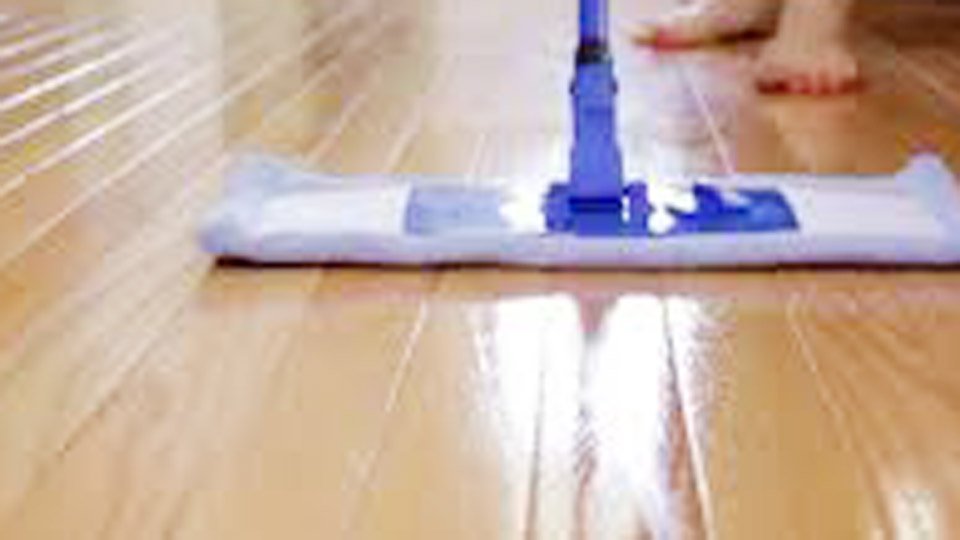
Image by bondcleaninginsunshinecoast
Why I Ditched Store-Bought Cleaners for Good
Commercial cleaners cost me $8–$14 a bottle and I was going through one every ten days. I also noticed my youngest started coughing every time I mopped with the blue stuff. When I flipped the bottle and saw “fragrance” as the second ingredient, I was done. Homemade costs pennies, I control exactly what touches my floors, and—big bonus—my house doesn’t smell like a hospital hallway afterward.
My Everyday Go-To: The Vinegar + Water + Tiny Drop of Dish Soap Recipe
This is the one I use 90 % of the time.
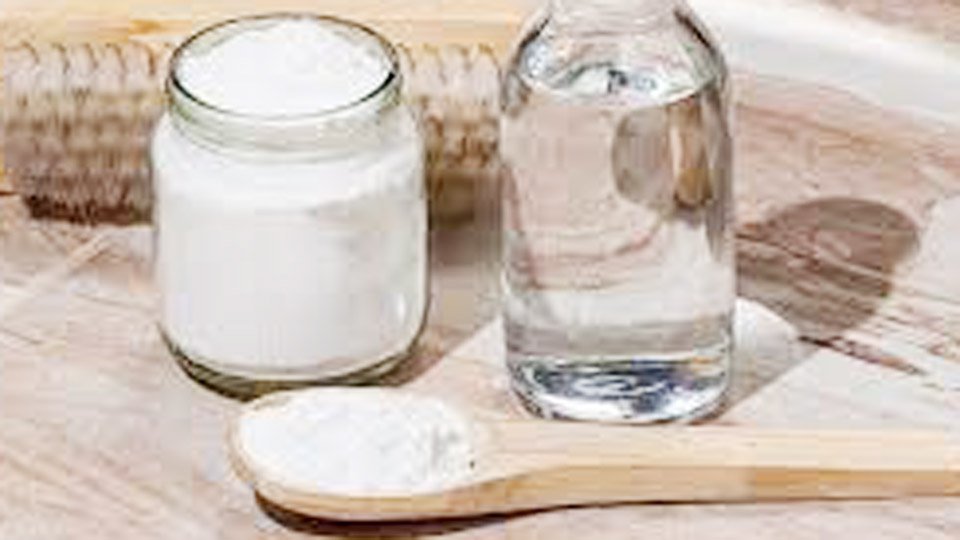
- 1 cup white distilled vinegar
- 1 gallon warm water
- 2–3 drops plain blue Dawn (or any mild dish soap without moisturizers or antibacterials)
That’s it.
The vinegar cuts grease and dried-on spills, the water dilutes everything so it’s safe, and those two drops of Dawn help lift muddy paw prints and kitchen splatters without leaving residue. I’ve used this mix for three years straight and my floors still look brand new—no clouding, no streaks, no peeling.
Pro tip I wish someone had told me: Always add the soap last and barely swirl. If you see suds, you used too much. Suds = film city.
The Gentle Version for Super-Shiny or Dark Laminate (No Vinegar Streaking)
Some darker laminates show every little vinegar mark if the mix is off. For those floors (and for clients who hate the faint vinegar smell), I switch to:
- 1/4 cup isopropyl alcohol (70 % or less)
- 1/3 cup white vinegar (yes, still a little)
- 1 gallon warm water
- 3 drops Dawn
The alcohol evaporates super fast, so floors dry in minutes and look almost wet-shiny. I discovered this one by accident when I ran out of plain water and grabbed the rubbing alcohol bottle instead. Best mistake ever.The Heavy-Duty Mix for When the Kids Host Pizza Night
Sticky soda, pizza grease, mystery glitter. We’ve all been there. When I need serious cleaning power without grabbing the Swiffer WetJet, I make a small batch of:
- 1 cup hot water
- 1/2 cup vinegar
- 1/2 cup isopropyl alcohol
- 3 drops Dawn
- 5 drops lemon or orange essential oil (optional, just for smell)
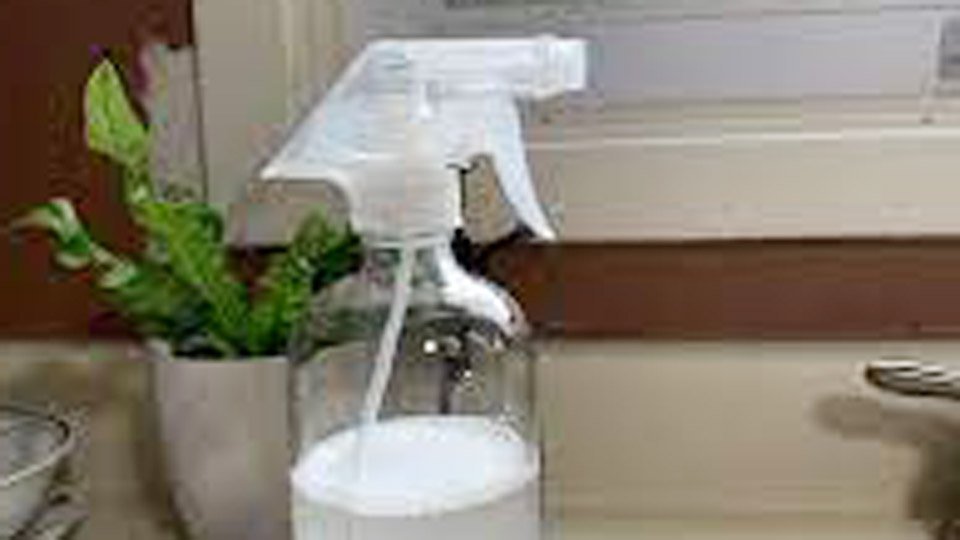
I pour it into a 32-oz spray bottle, shake gently, and spot-spray the disaster zones. Then I lightly mist my microfiber mop and go over everything. Takes me eight minutes total and the floor looks like I spent an hour.
How I Actually Mop (Step-by-Step So You Don’t Ruin Your Floors Like I Did)
- Vacuum or sweep first. Always. I learned this the hard way—one piece of grit dragged across laminate acts like sandpaper.
- Fill a bucket with one of the mixes above. I use a cheap Home Depot orange bucket with cup markings on the side.
- Dunk my microfiber mop (I love the O-Cedar spin mop because I can wring it almost dry).
- Wring until it’s barely damp. If you can wring out a stream of water, it’s too wet. Laminate can only handle damp, not wet.
- Mop in straight lines following the plank direction. Flip the mop head when one side gets dirty.
- Let air dry—no need to rinse. Takes 3–5 minutes for the floor to dry completely.
Total time for my open-plan living room/kitchen: 11 minutes.
One Homemade Mix You Should Never Use
Please don’t use straight vinegar or the popular “1 cup vinegar + 1 cup water” recipes you see all over Pinterest. It’s too acidic and will etch the protective layer over time. I watched it happen to a client’s floor—dull patches that never came back. Always dilute at least 1:16 (vinegar to water) or weaker.
Also skip:
- Bleach (obvious)
- Ammonia
- Any oil-based mixes (olive oil, Murphy’s, etc.)—they build up and attract dirt
- Steam mops on the highest setting. Most laminate warranties void if you use steam at all. I only use my Bissell SteamShot on low for spot grout cleaning in the bathroom, never on the floors.
How Often Should You Mop with Homemade Solution?
In my house with two kids, a dog, and a husband who thinks shoes are optional indoors:
- Quick damp mop every 2–3 days
- Full bucket mop once a week
- Big greasy messes get the spray bottle treatment immediately
If you have a quieter household, once a week is plenty.
The Tools That Make Homemade Cleaning Actually Easy
- O-Cedar EasyWring Spin Mop – $35 and worth every cent. The spin bucket gets the pad almost dry.
- Bona microfiber pads – washable 500+ times and grab dog hair like magic.
- Libman spray mop with reusable bottle – perfect for the alcohol-heavy mix.
- A simple $9 spray bottle from Target for spot cleaning.
I own all of these and rotate depending on my mood.
What About That Vinegar Smell?
It disappears the second the floor dries—usually under five minutes. If it really bothers you, add 5–10 drops of lavender or lemon essential oil to the bucket. I only do this when company’s coming because the oils can make the floor slightly slick for the first hour.
Reader Success Stories I’ve Gotten Over the Years
- Sarah from Ohio wrote me that she saved $180 a year switching to the basic vinegar mix and her floors stopped scratching.
- Mike in Texas used the alcohol version on his dark walnut laminate and said it finally stopped looking streaky after two years of frustration.
- Grandma Pat (77 years young) told me she can now clean her whole downstairs without her knees killing her because the microfiber mop is so light.
Those messages make my day.
Bottom Line
You don’t need a chemistry degree or a $400 steam mop to keep laminate floors gorgeous. A gallon of vinegar costs $3, lasts months, and paired with water and a drop of dish soap cleans better than anything I’ve ever bought. I’ve tested these recipes on traffic-worn entryways, sticky kitchen floors, and even a playroom that once had an entire bottle of glitter glue exploded across it. They work.
Start with the basic 1-cup-vinegar-to-1-gallon-water mix this weekend. I promise you’ll message me (or at least smile at your reflection in the floor) when you see how shiny it gets with almost zero effort.
One final pro tip from someone who’s ruined floors and rescued plenty: The secret isn’t the solution—it’s using almost no solution. Barely damp is the magic zone for laminate. Treat it gently and it will look brand new for decades.
FAQ
Will vinegar these homemade solutions leave streaks?
Only if your mop is too wet or you use too much dish soap. Wring thoroughly and use just 2–3 drops.
Is it safe for pets and kids?
100 %. Vinegar and a drop of Dawn are far safer than most commercial cleaners once dry.
How do I remove black scuff marks?
Spray the alcohol-heavy mix directly on the scuff, let it sit 30 seconds, wipe with a microfiber cloth. Gone.
My floors still look dull after mopping—what am I doing wrong?
You’re probably using too much moisture or residue-building cleaner. Switch to the isopropyl alcohol version and wring that mop until it’s almost dry. Dullness disappears in one or two cleanings.