I used to swear by vinegar for mopping my floors, but then I realized the strong smell and occasional dullness it left behind just wasn’t cutting it—especially when I wanted a fresh, streak-free shine without harsh chemicals. That’s when I started experimenting with a homemade floor cleaner for mopping without vinegar, and honestly, it changed my cleaning routine for the better.
Whether you’re into deep cleaning your bathroom or tackling stubborn stains on hardwood or tile, finding an eco-friendly, gentle alternative is a game-changer. This kind of homemade cleaner not only keeps your floors spotless but also helps maintain a healthy home environment without that overpowering vinegar scent. If you’re curious, I’ve got some simple, effective recipes and tips to share that will make your mopping easy, safe, and totally fresh-smelling.
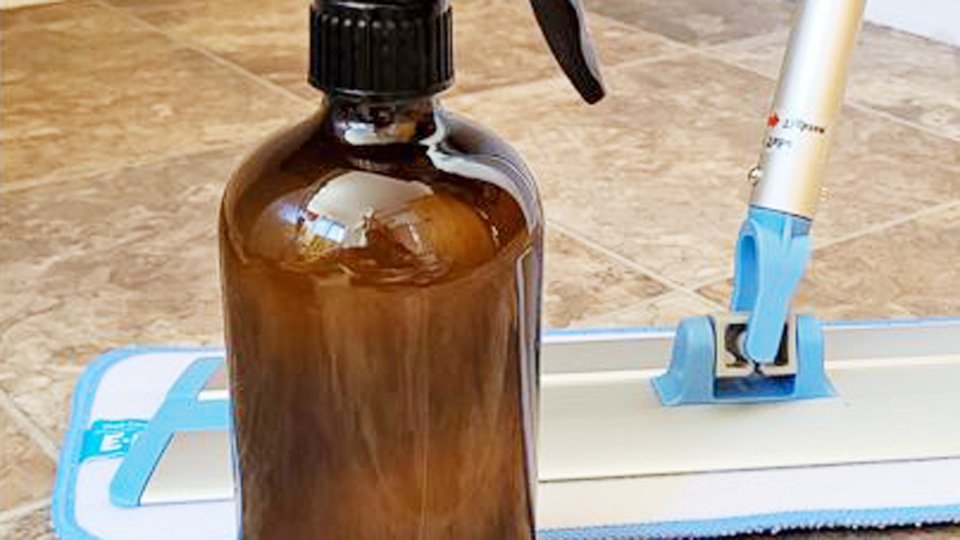
Photo by happy-mothering
Why Skip Vinegar in Homemade Floor Cleaners?
Vinegar is a go-to for many DIY cleaning recipes, but it’s not always the best fit. Its strong odor can be off-putting, especially in homes with kids or pets who are sensitive to smells. Plus, vinegar’s acidity can damage certain flooring materials like natural stone or unsealed wood over time.
For parents, renters, or homeowners, finding a vinegar-free floor cleaner is about creating a safe, healthy environment without compromising on cleanliness. You want a solution that’s gentle yet powerful, budget-friendly, and easy to whip up with pantry staples.
Health and Safety First
Using non-vinegar cleaners reduces the risk of respiratory irritation from strong fumes, which is a big deal if you have asthma or allergies in the family. It’s also about protecting your floors—harsh chemicals or acidic solutions can strip finishes or etch delicate surfaces. I’ve learned the hard way that a one-size-fits-all cleaner doesn’t exist, so tailoring your recipe to your floor type is key.
Real-Life Cleaning Needs
Picture this: you’re a parent with a toddler who loves spilling juice on the kitchen floor, or a renter who needs to keep hardwood floors pristine to avoid losing a deposit. Maybe you’re a cleaning enthusiast who wants eco-friendly options that don’t break the bank. Whatever your scenario, vinegar-free cleaners offer flexibility and peace of mind, letting you mop without worrying about damage or lingering smells.
Understanding Your Floor Type Before Cleaning
Before mixing up a homemade cleaner, you need to know what kind of floors you’re working with. Each material has its own quirks, and using the wrong solution can lead to dull finishes or scratches. Here’s a quick guide to help you match your cleaner to your floor.
Hardwood Floors
Hardwood floors, whether sealed or unsealed, are gorgeous but finicky. Sealed hardwood can handle mild cleaners, but unsealed or waxed floors need extra care to avoid water damage. I’ve got hardwood in my living room, and I’ve learned to stick with minimal water and gentle ingredients to keep it looking rich and polished.
Tile and Ceramic
Tile floors, like those in my kitchen, are durable but can collect grime in grout lines. You’ll want a cleaner that cuts through grease without leaving a residue. Ceramic is similar but often glossier, so avoiding streaks is a priority.
Vinyl and Linoleum
Vinyl and linoleum are budget-friendly and common in rentals. They’re tough but can scratch or fade with abrasive or harsh cleaners. I’ve found that gentle, pH-neutral solutions work best to maintain their shine.
Laminate
Laminate floors mimic wood but are more sensitive to moisture. Too much water can cause warping, so I always use a damp mop with a minimal-liquid cleaner. Knowing your floor type helps you avoid costly mistakes and keeps your home sparkling.
Top Vinegar-Free Homemade Floor Cleaner Recipes
Here are three tried-and-true recipes I’ve used in my own home. They’re simple, use common ingredients, and are tailored to different floor types. Always test a small, hidden area first to make sure the cleaner is safe for your floors.
Dish Soap and Warm Water: The All-Purpose Classic
This is my go-to for tile and sealed hardwood floors. It’s gentle, effective, and smells clean without being overpowering.
Ingredients:
- 1 gallon warm water
- 1 tablespoon mild dish soap (like Dawn or a plant-based alternative)
- Optional: 10 drops of essential oil (lavender or lemon for a fresh scent)
Steps:
- Fill a bucket with warm water.
- Add dish soap and stir gently to avoid too many suds.
- If using essential oils, add them now for a pleasant fragrance.
- Dip a microfiber mop into the solution, wring it out well, and mop in small sections.
- Rinse the mop frequently to avoid spreading dirt.
- Dry the floor with a clean towel to prevent streaks, especially on glossy surfaces.
Why It Works: Dish soap cuts through grease and grime, making it perfect for kitchen floors. The warm water helps loosen stuck-on messes, and essential oils add a subtle, non-toxic scent. I use this on my ceramic tiles, and they shine without any residue.
Safety Tip: Don’t overdo the dish soap—too much can leave a sticky film. Stick to the recommended amount.
Rubbing Alcohol and Castile Soap: Streak-Free Shine
This recipe is fantastic for vinyl, linoleum, and glossy ceramic floors. It dries quickly and leaves no streaks, which is a lifesaver in my high-traffic hallway.
Ingredients:
- 1 gallon warm water
- ¼ cup rubbing alcohol (70% isopropyl)
- 1 tablespoon liquid castile soap
- Optional: 5–10 drops tea tree essential oil (for antibacterial properties)
Steps:
- Combine warm water, rubbing alcohol, and castile soap in a bucket.
- Add essential oil if desired and mix gently.
- Use a well-wrung microfiber mop to clean the floor, working in small areas.
- Wipe dry with a microfiber cloth for a polished finish.
Why It Works: Rubbing alcohol evaporates quickly, preventing streaks and water spots. Castile soap is gentle and plant-based, making it safe for most floors. I love using this in my bathroom, where tiles need to look spotless.
Safety Tip: Avoid using this on waxed or unsealed hardwood, as alcohol can strip finishes. Always ventilate the room when using rubbing alcohol.
Baking Soda and Water: Tough Stain Buster
For tile floors with stubborn stains or grout issues, this recipe is a game-changer. I used it to tackle scuff marks in my entryway, and it worked like magic.
Ingredients:
- 1 gallon warm water
- 2 tablespoons baking soda
- 1 tablespoon mild dish soap
Steps:
- Dissolve baking soda in warm water in a bucket.
- Add dish soap and stir until fully mixed.
- Mop the floor with a microfiber or cotton mop, focusing on stained areas.
- For tough grout stains, use a soft brush to scrub gently.
- Rinse the floor with clean water to remove any baking soda residue.
- Dry thoroughly to avoid slipperiness.
Why It Works: Baking soda’s mild abrasiveness lifts stains without scratching, and dish soap tackles grease. This is perfect for ceramic or porcelain tiles but should be used sparingly on delicate surfaces.
Safety Tip: Don’t use this on hardwood or laminate, as baking soda can be too abrasive. Always rinse well to prevent buildup.
Dos and Don’ts for Homemade Floor Cleaners
Here’s a quick checklist to keep your floors safe and sparkling:
Do:
- Test any new cleaner on a small, inconspicuous area.
- Use microfiber mops for better dirt pickup and less streaking.
- Dry floors after mopping to prevent water damage or slips.
- Clean spills immediately to avoid stains setting in.
Don’t:
- Use too much water on hardwood or laminate floors.
- Mix ingredients like bleach or ammonia with other cleaners (stick to vinegar-free recipes here).
- Use abrasive tools like steel wool, which can scratch surfaces.
- Ignore your floor’s care instructions—check with the manufacturer if unsure.
Tools You’ll Need for Perfect Mopping
Having the right tools makes mopping easier and more effective. Here’s what I keep in my cleaning arsenal:
- Microfiber Mop: Grabs dirt and reduces streaking. I love my O-Cedar for its easy wring system.
- Bucket with Wringer: Keeps water use minimal and prevents over-wetting.
- Soft Scrub Brush: Great for grout or stubborn stains on tile.
- Microfiber Cloths: Perfect for drying floors or spot-cleaning.
- Spray Bottle (Optional): For small areas or touch-ups, mix your cleaner in a bottle for easy application.
Pro Tip: Wash your mop heads after each use to avoid spreading dirt next time. I toss mine in the washing machine with hot water and a bit of detergent.
Real-World Cleaning Scenarios
Let’s talk about how these cleaners fit into everyday life. Here are a few scenarios I’ve dealt with and how I used these recipes:
The Toddler Spill Zone
My three-year-old loves “helping” in the kitchen, which means sticky juice spills on my ceramic tiles. The dish soap and warm water recipe is my go-to here. It cuts through the stickiness, and the lavender essential oil keeps the kitchen smelling fresh. I mop small sections and dry immediately to avoid slips, especially since my kid loves running around post-cleanup.
The Pet-Friendly Rental
As a renter with a dog, I need to keep my vinyl floors spotless to protect my deposit. The rubbing alcohol and castile soap mix works wonders—it dries fast, so my pup doesn’t track wet paw prints everywhere. I use a spray bottle for quick cleanups when he leaves muddy prints after a walk.
The Grout Nightmare
My entryway tiles had dark grout stains from years of foot traffic. The baking soda recipe saved the day. I scrubbed gently with a soft brush, and the stains lifted without damaging the tiles. It took some elbow grease, but the results were worth it.
Tips for Keeping Floors Clean Longer
Mopping is just one part of the equation. Here’s how I keep my floors looking great between deep cleans:
- Sweep or Vacuum First: Remove dust and debris to avoid scratching floors or spreading dirt while mopping.
- Use Doormats: Place mats at entrances to trap dirt and reduce tracking.
- Clean Spills ASAP: The longer a spill sits, the harder it is to clean.
- Rotate Mopping Patterns: Change the direction you mop each time to ensure even cleaning.
- Schedule Regular Mopping: I mop high-traffic areas like the kitchen weekly and less-used rooms biweekly.
When to Use Each Homemade Cleaner
Not sure which recipe to choose? Here’s a quick table to guide you:
| Floor Type | Best Cleaner | Frequency | Notes |
|---|---|---|---|
| Sealed Hardwood | Dish Soap & Warm Water | Weekly | Use minimal water, dry immediately |
| Tile/Ceramic | Baking Soda & Water | As needed for stains | Great for grout, rinse well |
| Vinyl/Linoleum | Rubbing Alcohol & Castile Soap | Weekly | Streak-free, quick-drying |
| Laminate | Dish Soap & Warm Water | Biweekly | Damp mop only, avoid excess water |
Motivation to Keep Your Floors Sparkling
Keeping your floors clean isn’t just about aesthetics—it’s about creating a home that feels safe, welcoming, and healthy for you and your family. These vinegar-free homemade cleaners are affordable, easy to make, and gentle on your floors and your loved ones.
Whether you’re tackling a sticky kitchen mess or maintaining your rental’s pristine condition, you’ve got the tools and know-how to make it happen. I love the satisfaction of a freshly mopped floor, and I know you’ll feel that same pride when you see your home shine.
FAQ
Can I use these cleaners on natural stone floors?
No, avoid these recipes on natural stone like marble or granite, as even mild ingredients like dish soap can dull the finish. Use a pH-neutral cleaner specifically designed for stone, and always check with your floor’s manufacturer.
Are these homemade cleaners safe for pets?
Yes, these recipes are pet-safe when used as directed. Dish soap, castile soap, and baking soda are non-toxic, but ensure floors are dry to prevent slips. Avoid essential oils if your pet is sensitive, and keep them out of the room while mopping.
How often should I mop my floors?
High-traffic areas like kitchens or entryways need weekly mopping. Less-used spaces like bedrooms can be mopped every two weeks. Adjust based on spills, pets, or foot traffic in your home.
What should I never mix with these cleaners?
Never mix these cleaners with bleach, ammonia, or other harsh chemicals, as they can create dangerous fumes. Stick to the listed ingredients, and don’t combine recipes unless you’re sure they’re compatible.
Can I store leftover homemade cleaner?
Yes, you can store these cleaners in a sealed container for up to a month. Shake well before use, as ingredients may separate. For the rubbing alcohol mix, use an airtight bottle to prevent evaporation.