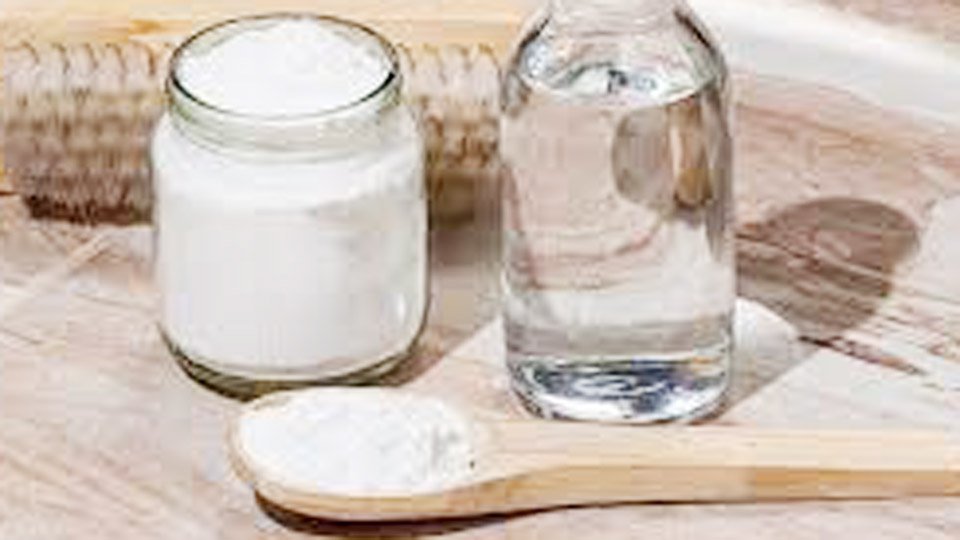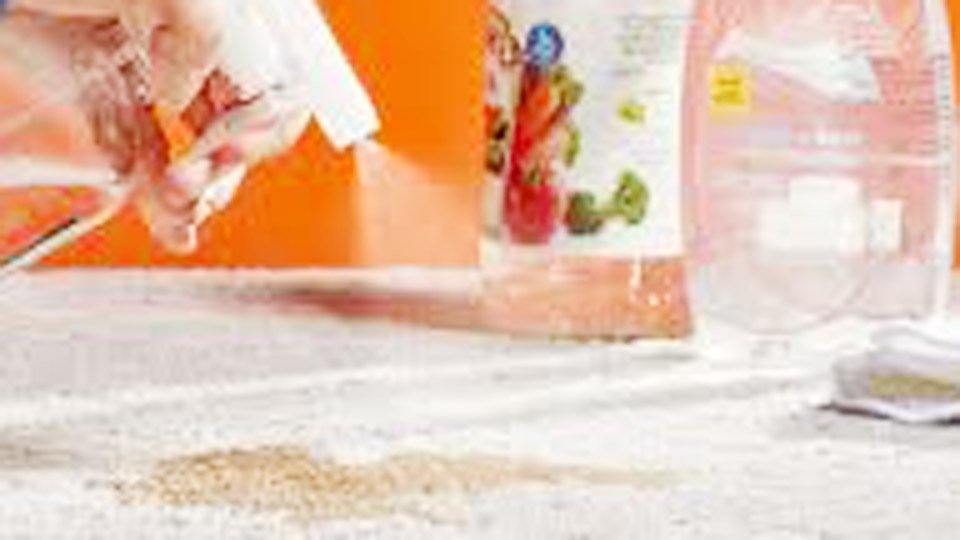
A greasy stovetop or a streaky mirror that just won’t come clean, and the thought of buying another expensive cleaner feels like a waste. As a homeowner who’s spent years battling pet messes and kitchen spills, I’ve fallen in love with a homemade spray cleaner with vinegar.
It’s cheap, eco-friendly, and works like a charm for homeowners, renters, and cleaning enthusiasts across the USA. Let me share my go-to recipes and tips for making and using this cleaner, like we’re chatting over a cup of tea in my kitchen.
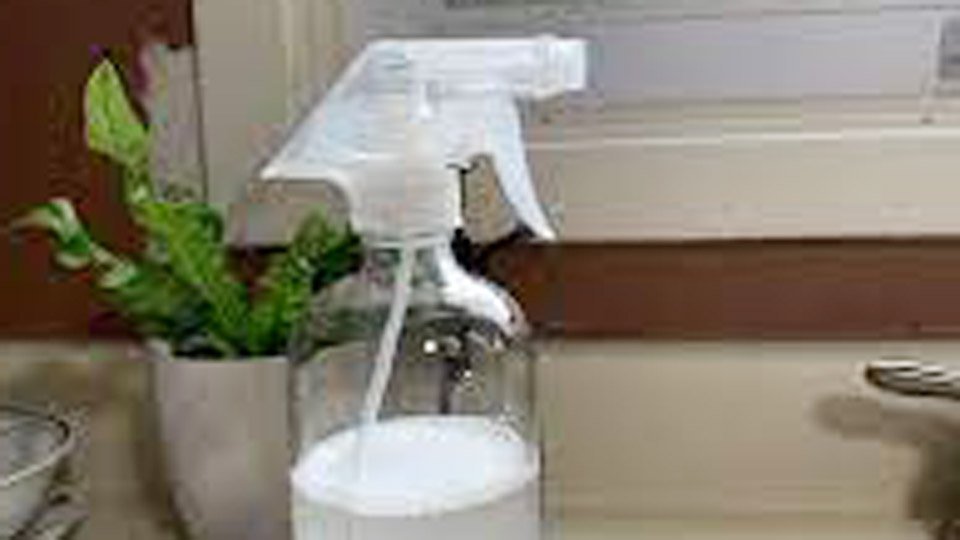
Image by ourlittlesuburbanfarmhouse
Why I Love Vinegar-Based Spray Cleaners
Store-bought cleaners can cost $5–$10 a bottle, and their chemical fumes often make me cough. After my cat tracked mud across my counter, I turned to vinegar—a natural, non-toxic ingredient that’s been a cleaning staple for centuries. Its acetic acid cuts through grease, dissolves grime, and even kills some bacteria.
A gallon of vinegar costs about $3, and you likely have the other ingredients at home. This homemade spray is safe for kids and pets, customizable, and perfect for daily cleaning tasks. Let’s dive into how I make and use it.
Basic Vinegar Spray Cleaner Recipe
This is my everyday cleaner for counters, sinks, and glass. It’s so simple, I whip it up in minutes before tackling a mess.
Supplies Needed
| Supply | Purpose | Alternative |
|---|---|---|
| White vinegar (5–6% acidity) | Cuts grease, disinfects | Cleaning vinegar (6%) |
| Water | Dilutes vinegar | Distilled water |
| Spray bottle | Applies solution | Bowl and cloth |
| Microfiber cloth | Wipes surfaces | Paper towels |
| Funnel | Prevents spills | Steady hand |
I use a $2 plastic spray bottle from a hardware store and store-brand vinegar.
How to Make and Use
- Use a funnel to pour 1 cup white vinegar into a 16-ounce spray bottle.
- Add 1 cup water for a 1:1 ratio.
- Secure the nozzle and shake gently to mix.
- Spray on surfaces like kitchen counters, bathroom sinks, or glass.
- Wipe with a microfiber cloth for a streak-free finish.
- For tough grease, let the solution sit for 2–3 minutes before wiping.
Time Estimate
Mixing takes 2 minutes; cleaning a countertop takes 5–10 minutes.
Pro Tip
Use distilled water to avoid mineral streaks, especially on glass. I learned this after spotting my mirrors with tap water.
Dos and Don’ts
Do:
- Test on a small area to ensure surface safety.
- Use on sealed surfaces like laminate or ceramic.
- Rinse cloth frequently to avoid streaks.
Don’ts:
- Use on natural stone like granite or marble; vinegar can etch it.
- Mix with bleach; it creates toxic fumes.
- Over-spray; a light mist is enough.
Best Uses
- Kitchen counters and sinks
- Glass mirrors and windows
- Bathroom tiles and faucets
- Stainless steel appliances (test first)
Citrus-Infused Vinegar Spray for Extra Power
To mask vinegar’s smell and boost cleaning, I infuse it with citrus peels. It saved my fridge after a spilled smoothie left a sticky mess.
Supplies Needed
| Supply | Purpose | Alternative |
|---|---|---|
| White vinegar | Base cleaner | Cleaning vinegar |
| Citrus peels (lemon, orange) | Adds scent, cuts grease | Essential oils |
| Water | Dilutes solution | Distilled water |
| Glass jar | Infuses vinegar | Plastic container |
| Spray bottle | Applies solution | Bowl and cloth |
I save lemon peels from cooking and use a repurposed pickle jar.
How to Make and Use
- Fill a glass jar halfway with citrus peels (lemon, orange, or grapefruit).
- Cover peels with vinegar and seal the jar.
- Let it sit in a dark place for 1–2 weeks to infuse.
- Strain the liquid into a spray bottle, discarding peels.
- Mix 1 part infused vinegar with 1 part water.
- Spray on surfaces like trash cans or greasy stovetops.
- Wipe with a microfiber cloth.
Time Estimate
Infusing takes 1–2 weeks; mixing takes 2 minutes; cleaning takes 5–10 minutes.
Pro Tip
Compost the used peels to stay zero-waste. I toss mine in my backyard bin.
Dos and Don’ts
Do:
- Use on stainless steel or plastic surfaces.
- Store infused vinegar in a dark bottle.
- Shake before each use.
Don’ts:
- Use on stone surfaces; citrus is acidic.
- Let peels sit too long; they can mold.
- Skip straining; pulp clogs spray bottles.
Best Uses
- Deodorizing trash cans
- Cleaning greasy stovetops
- Wiping fridge shelves
- Freshening cutting boards
Vinegar and Dish Soap Spray for Grease
For heavy grease, like on my range hood after frying bacon, I add dish soap to my vinegar spray. It’s a powerhouse combo.
Supplies Needed
| Supply | Purpose | Alternative |
|---|---|---|
| White vinegar | Cuts grease | Cleaning vinegar |
| Dish soap | Lifts oil | Castile soap |
| Water | Dilutes solution | Distilled water |
| Spray bottle | Applies solution | Bowl and sponge |
| Microfiber cloth | Wipes surfaces | Paper towels |
I use a plant-based dish soap, about $3 a bottle.
How to Make and Use
- Pour 1 cup vinegar into a 16-ounce spray bottle.
- Add 1 cup water and 1 teaspoon dish soap.
- Swirl gently to mix; don’t shake to avoid bubbles.
- Spray on greasy surfaces like stovetops or oven doors.
- Let it sit for 5 minutes to break down grease.
- Wipe with a damp microfiber cloth.
- Rinse the surface with water to remove soap residue.
Time Estimate
Mixing takes 2 minutes; cleaning a stovetop takes 10–15 minutes.
Pro Tip
Use warm water to enhance grease-cutting. I heat it in a kettle for tough jobs.
Dos and Don’ts
Do:
- Use on ceramic, stainless steel, or glass.
- Rinse thoroughly to avoid soap film.
- Test on a small area first.
Don’ts:
- Use on wood; soap can leave residue.
- Overuse soap; it causes streaks.
- Mix with bleach; it’s unsafe.
Best Uses
- Kitchen range hoods and stovetops
- Oven doors and knobs
- Sinks with greasy residue
- Tile backsplashes
Vinegar and Rubbing Alcohol Spray for Glass
For streak-free glass and mirrors, I add rubbing alcohol to my vinegar spray. It’s perfect for my bathroom mirror after toothpaste splatters.
Supplies Needed
| Supply | Purpose | Alternative |
|---|---|---|
| White vinegar | Cleans grime | Cleaning vinegar |
| Rubbing alcohol | Speeds drying | Vodka |
| Water | Dilutes solution | Distilled water |
| Spray bottle | Applies solution | Bowl and cloth |
| Microfiber cloth | Prevents streaks | Lint-free cloth |
I use 70% rubbing alcohol, about $2 at a pharmacy.
How to Make and Use
- Mix ½ cup vinegar, ¼ cup rubbing alcohol, and ½ cup water in a spray bottle.
- Shake gently to combine.
- Spray lightly on glass or mirrors.
- Wipe with a microfiber cloth in circular motions.
- For stubborn spots, spray again and let sit for 1 minute.
- Buff with a dry cloth for shine.
Time Estimate
Mixing takes 2 minutes; cleaning a mirror takes 5–7 minutes.
Pro Tip
Clean glass on cloudy days to avoid streaks from quick drying. I learned this after cleaning in direct sunlight.
Dos and Don’ts
Do:
- Use on glass, mirrors, or chrome.
- Use a lint-free cloth for best results.
- Store in a cool place.
Don’ts:
- Use on wood or stone surfaces.
- Spray near open flames; alcohol is flammable.
- Over-spray; it wastes solution.
Best Uses
- Bathroom mirrors
- Glass windows and doors
- Chrome faucets
- Glass tabletops
Using Vinegar Spray with Baking Soda for Tough Jobs
For extra-tough messes, like soap scum in the shower, I pair my vinegar spray with baking soda. The fizzing action loosens grime fast.
Supplies Needed
| Supply | Purpose | Alternative |
|---|---|---|
| Vinegar spray | Dissolves grime | Cleaning vinegar |
| Baking soda | Scrubs stains | Borax |
| Scrub brush | Cleans surfaces | Sponge |
| Microfiber cloth | Wipes residue | Paper towels |
How to Make and Use
- Sprinkle baking soda on the stained surface, like shower tiles.
- Spray with your 1:1 vinegar-water mix to create fizzing.
- Let it bubble for 5–10 minutes.
- Scrub with a brush in circular motions.
- Rinse with warm water.
- Wipe dry with a microfiber cloth.
Time Estimate
Prep takes 3 minutes; cleaning a shower takes 15–20 minutes.
Pro Tip
Use this while the fizzing is active for maximum effect. I wait until it stops bubbling to scrub.
Dos and Don’ts
Do:
- Use on ceramic or porcelain tiles.
- Ventilate to avoid fumes.
- Rinse thoroughly to remove residue.
Don’ts:
- Use on natural stone; vinegar damages it.
- Mix in a closed container; pressure can build.
- Skip rinsing; residue can dull surfaces.
Best Uses
- Shower tiles and soap scum
- Sink stains
- Grout cleaning
- Toilet bowl rings
Surfaces Safe for Vinegar Spray
| Surface | Safe to Use | Avoid |
|---|---|---|
| Granite/Marble | None | Vinegar (etches stone) |
| Stainless Steel | Vinegar spray | Baking soda (may scratch) |
| Hardwood (sealed) | Diluted vinegar spray | Undiluted vinegar |
| Ceramic/Porcelain Tile | Vinegar spray, baking soda | None |
| Glass | Vinegar-alcohol spray | Baking soda (streaks) |
| Synthetic Carpets | Vinegar spray (test first) | None |
Safety Precautions for Vinegar Spray
- Ventilation: Open windows when spraying to avoid fumes.
- Gloves: Wear gloves to protect skin, especially with frequent use.
- Storage: Label bottles and store away from kids and pets.
- Mixing: Never mix vinegar with bleach or ammonia; it creates toxic gases.
- Testing: Test on a small area to avoid damage.
Maintaining Your Spray Bottles
I keep my cleaners ready with these habits:
- Label bottles clearly with a permanent marker.
- Clean nozzles weekly to prevent clogs.
- Store in a cool, dark place to maintain potency.
- Make small batches to ensure freshness.
Preventing Household Messes
To reduce cleaning time, I follow these routines:
- Wipe counters daily with vinegar spray.
- Vacuum weekly to remove dirt and pet hair.
- Use doormats to trap debris at entrances.
- Spot clean spills immediately to prevent stains.
When to Use Store-Bought Cleaners
For heavy mold or oven grease, I use commercial cleaners. I keep a degreaser for my grill but rely on my vinegar spray for daily tasks.
Common Mistakes to Avoid
I’ve made these slip-ups, so you don’t have to:
- Using on Stone: Etched a friend’s marble counter with vinegar.
- Mixing with Bleach: Caused fumes that gave me a headache.
- Overusing Soap: Left a sticky film on my stovetop.
- Not Testing: Faded a rug with undiluted vinegar.
- Poor Ventilation: Made my kitchen smell like vinegar for hours.
Pro Tips from My Experience
- Batch Prep: Make spray weekly to save time.
- Microfiber Cloths: Prevent streaks and lint.
- Dilute Properly: Too much vinegar leaves a smell.
- Label Bottles: Avoids mix-ups with other cleaners.
- Work Slowly: Let solutions sit for better results.
Comparison of Vinegar Spray Variations
| Cleaner Type | Best For | Time | Tools Needed |
|---|---|---|---|
| Basic Vinegar Spray | Counters, glass | 5–10 min | Spray bottle, cloth |
| Citrus-Infused Spray | Odors, grease | 5–10 min | Jar, spray bottle |
| Vinegar-Dish Soap | Greasy surfaces | 10–15 min | Spray bottle, sponge |
| Vinegar-Alcohol | Glass, mirrors | 5–7 min | Spray bottle, cloth |
| Vinegar-Baking Soda | Soap scum, grout | 15–20 min | Brush, cloth |
Conclusion: Sparkle Naturally with Vinegar Spray
A homemade spray cleaner with vinegar has been a lifesaver in my home, tackling everything from greasy stovetops to smudged mirrors. It’s affordable, safe, and so easy to make that anyone can do it. Whether you’re a busy homeowner, a renter on a budget, or a cleaning enthusiast, this cleaner will keep your home fresh without harsh chemicals. Grab a spray bottle, mix up your own, and see how simple cleaning can be. You’ll wonder why you ever bought store-bought sprays!
FAQ
How do I make a homemade vinegar spray cleaner for kitchen surfaces?
To make a homemade vinegar spray cleaner for kitchen surfaces, mix 1 cup white vinegar with 1 cup water in a 16-ounce spray bottle. I add a few drops of citrus essential oil to mask the vinegar smell. Shake gently, spray on counters or sinks, and wipe with a microfiber cloth.
For greasy spots, let it sit for a couple of minutes before wiping. This cleaner is cheap and cuts through spills easily. Avoid using on granite or marble, as vinegar’s acidity can etch stone surfaces.
Can I use a vinegar cleaning spray on bathroom tiles?
Yes, a vinegar cleaning spray works great on ceramic or porcelain bathroom tiles. I mix equal parts vinegar and water in a spray bottle, spritz the tiles, and let it sit for 5 minutes to loosen soap scum.
Wipe with a damp cloth or scrub with a brush for tough spots. For extra power, sprinkle baking soda first, then spray vinegar to fizz away grime. Don’t use on natural stone tiles, as vinegar can damage them. Ventilate the area to avoid fumes.
Is a homemade spray cleaner with vinegar safe for pets?
My vinegar spray cleaner is pet-safe when used properly. I use a 1:1 vinegar-water mix to clean pet bowls or synthetic carpets with pet stains. Spray lightly, let it sit for 5 minutes, and blot or wipe.
Test on carpets first to avoid fading. Keep pets away until surfaces dry, and store the spray out of reach. I use this around my cat without issues, but never mix vinegar with bleach, as the fumes are harmful.
How do I clean glass with a vinegar-based spray cleaner?
For glass, I mix ½ cup vinegar, ¼ cup rubbing alcohol, and ½ cup water in a spray bottle. Spray lightly on mirrors or windows, then wipe with a microfiber cloth in circular motions. The alcohol helps it dry fast, avoiding streaks.
I use this on my bathroom mirror weekly, and it sparkles. Don’t use on hot days, as quick drying causes streaks. Avoid adding baking soda, as it leaves residue on glass.
Can a vinegar spray cleaner deodorize household items?
Yes, a vinegar spray cleaner is great for deodorizing. I use a 1:1 vinegar-water mix to spritz trash cans or smelly carpets. Spray lightly, let it sit for 5–10 minutes, and wipe or blot with a cloth.
For carpets, I sometimes sprinkle baking soda first, then spray vinegar to neutralize odors. Test on a small area to ensure colorfastness. This keeps my home fresh without synthetic fragrances, and the vinegar smell fades quickly.