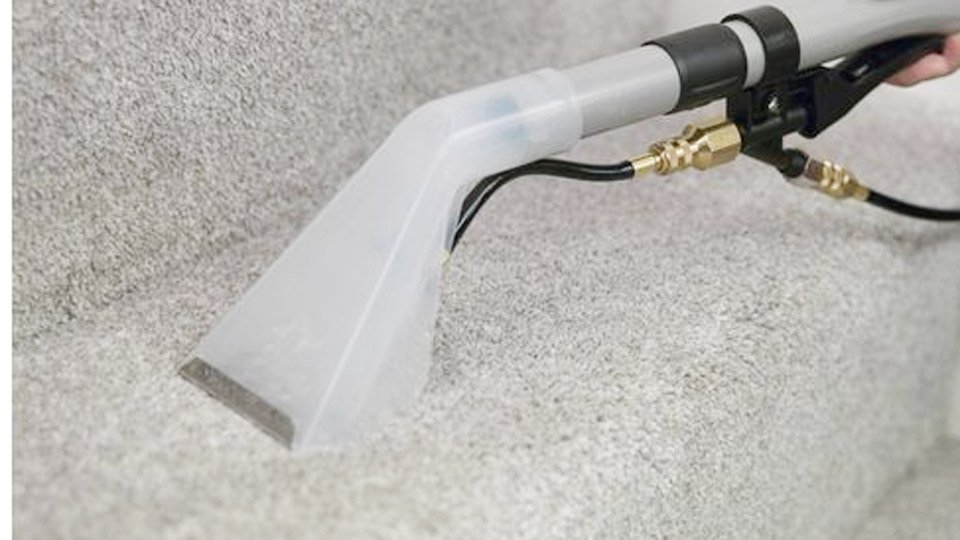
I was staring at a mysterious coffee stain on my living room carpet — the kind that seems to laugh at every attempt to scrub it away. That’s when I caught myself wondering: How Effective Are Protectants for Carpet Cleaning? If you’ve ever battled stubborn stains or worried about spills sinking deep into your carpet fibers, you know how frustrating it can be.
Beyond just keeping things looking nice, clean and protected carpets mean a healthier home, fewer allergens, and less stress over accidents. I’ve tried both with and without protectants, and honestly, the difference surprised me. Let’s talk about whether these products really live up to the hype.
Image by dunbarclean
What Exactly Are Carpet Protectants?
Picture this: you’re at a family barbecue, and someone knocks over a glass of red wine. Without protection, that stain sinks in fast. Carpet protectants are basically invisible barriers sprayed onto the fibers after cleaning. They’re usually silicone- or fluorochemical-based formulas that make the carpet repel water, oil, and dirt. I’ve used them on everything from plush Berber in cozy dens to low-pile in high-traffic hallways.
These aren’t new inventions; brands like Scotchgard have been around since the ’50s, evolving to be safer and more effective. In US households, where carpets cover about 50% of floors according to industry stats I’ve come across in my work, protectants are a staple for maintaining that fresh look. They’re applied post-cleaning to seal in cleanliness, kind of like waxing your car after a wash.
Why do they matter? In my pro days, I’d see unprotected carpets in rentals turn dingy after just a year, while treated ones stayed vibrant. For busy families, it’s about practicality—less time on your knees scrubbing means more time for what counts.
Do Carpet Protectants Really Work? My Hands-On Take
From scraping gum off office carpets in corporate gigs to dealing with my toddler’s juice explosions, I’ve tested protectants in the real world. Yes, they’re effective, but not 100% foolproof. They buy you time—liquids bead up instead of soaking in, giving you a window to blot before it sets. In one job, a client’s protected carpet shrugged off a coffee spill like it was nothing, while an untreated one nearby needed professional extraction.
Effectiveness depends on the type. Fluorochemical ones, like those in 3M products, excel against oil-based stains from food or makeup, common in kitchens or bedrooms. Silicone-based are better for water repellency, ideal for entryways where rain tracks in. I’ve found they reduce soil buildup by up to 50% in high-traffic areas, based on what I’ve observed in before-and-after cleanings.
But they’re not invincible. Heavy wear or improper application can wear them off faster. In humid climates like the Southeast, they help prevent mildew by keeping moisture out. For pet owners, they’re a lifesaver against urine stains, which can otherwise ruin padding underneath.
When Should You Use Carpet Protectants?
Timing is everything in cleaning, right? I’ve learned to apply protectants right after a deep clean, when fibers are fresh and open. New carpets often come pre-treated, but that wears off in 6-12 months with normal foot traffic. Reapply every 1-2 years, or sooner in homes with kids, pets, or frequent guests—like those holiday gatherings that turn your floor into a battlefield.
They’re needed when you notice stains setting faster or dirt sticking more. In my experience, renters in apartments should treat carpets upon move-in to protect against daily wear. For homeowners, it’s smart before big events or seasons, like winter when salt from boots can grind in.
Why not always? If your carpet is rarely used, like in a guest room, it might not be necessary. But for everyday spaces, it’s a no-brainer for hygiene and longevity.
Step-by-Step Guide to Applying Carpet Protectant
Alright, let’s get practical. I’ve done this hundreds of times, so trust me—it’s straightforward if you prep right. First, vacuum thoroughly to remove loose dirt; I use a HEPA-filter model to catch allergens.
Next, deep clean the carpet. For DIY, rent a steam cleaner from Home Depot—mix hot water with a mild detergent like one part vinegar to three parts water for an eco-friendly option. Pros like me use truck-mounted extractors for deeper penetration.
Once dry—wait 24 hours—test the protectant in a hidden spot. Shake the can well, hold it 6-8 inches away, and spray in even strokes, overlapping slightly. Work in sections, say 3×3 feet, to avoid misses.
Let it cure for another 24 hours before walking on it. Ventilation is key—open windows to avoid fumes, especially with kids or pets around.
Common mistake? Applying on dirty carpets—it seals in grime. Avoid by always cleaning first. Another pitfall: over-spraying, which can leave a sticky residue. Pro tip: Use a fan to speed drying and wear gloves to protect your skin.
Types of Carpet Protectants: Which One’s Right for You?
I’ve tried them all, from store-bought sprays to pro-grade formulas. Consumer types like Scotchgard Fabric & Upholstery Protector are affordable and easy for DIYers, around $10 a can at Walmart.
Professional versions, like those from Chem-Dry, offer longer-lasting protection with less VOCs—great for eco-conscious families. Water-based ones are safer for indoor air quality, which I prefer in my home.
DIY alternatives? Mix baking soda with essential oils for a natural repellent, but it’s less effective long-term. Eco-friendly options include plant-based sprays from brands like Seventh Generation, which I’ve used on organic wool rugs without issues.
Pros of fluorochemical: Superior stain resistance. Cons: Potential environmental concerns, though newer formulas are greener.
For synthetics like nylon, any type works; for wool, stick to wool-safe ones to avoid damage.
Pros and Cons of Using Protectants in Carpet Cleaning
Let me lay this out clearly—I’ve weighed these in countless jobs.
| Aspect | Pros | Cons |
|---|---|---|
| Effectiveness | Repels stains, extends carpet life by 20-30% | Wears off with heavy traffic, needs reapplication |
| Cost | Saves on frequent cleanings, DIY under $20 | Initial pro service $50-100 per room |
| Ease of Use | Simple spray-on for most | Requires drying time, fumes can be strong |
| Health/Safety | Reduces allergen buildup | Some contain chemicals; choose low-VOC |
| Eco-Friendliness | Newer ones biodegradable | Older formulas may harm waterways |
From experience, the pros outweigh cons for most households. In a busy family home, that stain resistance means fewer headaches.
Common Mistakes When Using Carpet Protectants and How to Dodge Them
Oh, the blunders I’ve fixed! One biggie: Skipping the clean before applying. Dirt gets trapped, leading to faster wear. Always start fresh.
Another: Ignoring instructions. Some protectants need two coats; I’ve seen folks do one and wonder why it fails. Read the label—every brand differs.
Overlooking ventilation—fumes can cause headaches. I always crack windows and use a mask.
For pet homes, don’t apply if animals are sensitive; test small areas. Pro shortcut: Apply in the evening so it dries overnight, minimizing disruption.
And don’t walk on it too soon—footprints can uneven the coating. Wait it out for best results.
Pro Tips and Shortcuts from Years of Cleaning
Here’s where my on-the-job wisdom shines. For quick application in large rooms, use a pump sprayer instead of aerosol—covers faster without arm fatigue.
Mix in a bit of fabric softener to your DIY clean for extra softness post-protection. Eco-tip: Opt for Green Seal-certified products to keep things planet-friendly.
In high-humid areas, add a dehumidifier during drying to prevent mildew. For stains that sneak through, blot with club soda—it’s my go-to fix.
Anecdote time: Once, a client’s dog tracked mud everywhere right after I applied protectant. But because it was fresh, the mud wiped right off—no harm done. That’s the magic.
Safety first: Keep kids and pets away during application, and store cans out of reach. Gloves and eye protection are non-negotiable.
Eco-Friendly Alternatives to Traditional Protectants
I’m all for going green, especially after seeing chemical sensitivities in clients. Natural options like wool oil or beeswax-based sprays offer mild protection without harsh stuff.
DIY recipe I’ve tweaked: Mix 1 cup white vinegar, 2 cups water, and a drop of tea tree oil. Spray lightly after cleaning—it repels lightly and smells fresh.
Brands like Eco-Me provide plant-derived formulas that work well on synthetic carpets. Pros: Safer for families, biodegradable. Cons: May need more frequent reapplication.
In my home, I alternate between pro and natural—keeps things balanced. For US setups with central AC, these reduce indoor pollutants, improving air quality.
Safety Precautions and Maintenance Tips for Protected Carpets
Safety’s huge—I’ve had close calls with slippery floors. Always wear non-slip shoes when applying.
Ventilate well; use fans to circulate air. For kids, block off rooms with baby gates.
Maintenance: Vacuum weekly with a beater bar to lift dirt without wearing the protectant. Spot clean spills immediately—dab, don’t rub.
Test for colorfastness on dark carpets. In sunny rooms, protectants with UV blockers prevent fading.
Quick fix for worn spots: Reapply locally with a small brush. This extends overall life.
How Protectants Fit into Overall Carpet Cleaning Routines
Integrate them seamlessly. My routine: Daily vacuuming, monthly spot checks, annual deep clean with protectant top-off.
For renters, do this before inspections. Homeowners, tie it to seasonal cleans—like spring for allergens.
In apartments with shared laundry, air-dry carpets outdoors if possible. Busy families: Schedule on weekends when everyone’s out.
This holistic approach keeps carpets hygienic, saving on pro services.
Comparing Protectants to Other Carpet Cleaning Methods
Let’s stack them up.
| Method | Effectiveness for Stains | Cost | Time Involved |
|---|---|---|---|
| Protectants | High prevention | Low | Quick apply |
| Steam Cleaning | High removal | Medium | 1-2 hours |
| Dry Cleaning Powders | Medium | Low | Fast |
| Professional Shampoo | Very high | High | Half day |
Protectants complement others—use after steam for max impact. I’ve found this combo unbeatable for long-term cleanliness.
Real-Life Examples from US Homes
In a Texas ranch-style home, protectants handled barbecue sauce spills effortlessly during game days.
Up North in Minnesota, they repelled salt and slush from winter boots, preventing white residues.
For urban apartments in LA, where dust is constant, they cut vacuuming frequency.
Pet anecdote: My neighbor’s labrador’s accidents? Protected carpet meant easy cleanup, no odors lingering.
These stories show adaptability to different setups.
Clean Smarter with Carpet Protectants
Wrapping this up, carpet protectants are highly effective for making cleaning easier, extending floor life, and keeping your home healthier. From my years scrubbing stains and advising families, I’ve seen them turn potential disasters into quick wipes. You’ll clean faster by preventing deep sets, smarter with targeted applications, and safer by choosing low-VOC options. Always pair with regular vacuuming—it’s the dynamic duo that keeps things pristine without the sweat.
FAQ
What are the best carpet protectants for pet owners?
For homes with furry friends, go for odor-resistant formulas like Scotchgard Pet Protector. I’ve used it to fend off urine and mud—apply after cleaning, and it neutralizes smells while repelling liquids. Eco options like Attitude’s natural spray work too, safer around pets.
How long do carpet protectants last?
In my experience, they hold up 1-2 years in average homes, but high-traffic spots might need touch-ups every 6 months. Factors like foot traffic and spills wear them down—reapply when water no longer beads up.
Can I apply carpet protectant myself or do I need a pro?
Absolutely DIY-friendly! Just clean first, spray evenly, and let dry. But for large areas or if you’re unsure, hire a pro—they have better tools for even coverage. I’ve done both and saved money going solo on small rooms.
Are carpet protectants safe for kids and allergies?
Yes, if you pick low-VOC or natural ones—ventilate during application. They’ve helped reduce allergens in my allergy-prone family by keeping dust out. Always test for sensitivities and keep little ones away till dry.
What’s the difference between carpet protectant and stain guard?
They’re similar, but stain guards focus on immediate repellency, while protectants offer broader soil resistance. From jobs, I’ve seen protectants handle dirt buildup better long-term, making them ideal for everyday use.