I remember the first time I gave my living room sofa a thorough deep cleaning—I was excited to refresh the space but quickly found myself wondering, “How long does furniture take to dry after cleaning?” It’s such a common question because nobody wants to sit on damp cushions or risk mildew forming. Whether you’re tackling stain removal with eco-friendly solutions or just doing a regular cleaning routine, knowing the drying time helps keep your home hygienic and comfortable.
Damp furniture can lead to musty odors or even damage, which is why it’s important to get it right. In this guide, I’ll share what I’ve learned about drying times and offer practical tips to speed up the process, so your furniture looks and feels fresh again in no time.
Image by chem-dry
Why Furniture Drying Time Matters
When you clean your furniture, whether it’s a fabric sofa, leather armchair, or dining chair, the drying time can impact your daily routine. A wet couch isn’t just inconvenient—it can lead to mold or mildew if not dried properly, especially in humid climates.
I once left a damp cushion in a poorly ventilated room, and the musty smell was a headache to fix. Understanding drying times helps you plan, keep your home safe, and avoid damage to your furniture.
Health and Hygiene Concerns
Upholstered furniture can harbor dust mites, pet dander, and bacteria, which can trigger allergies or respiratory issues, especially for kids or elderly family members. Proper cleaning and thorough drying eliminate these risks, ensuring your home stays healthy. For renters, avoiding mold is critical to prevent disputes with landlords.
Protecting Your Investment
Furniture is a big investment, and improper cleaning or drying can ruin fabrics or leather. Knowing how long drying takes helps you avoid over-wetting, which can weaken fibers or cause discoloration. I learned this after over-soaking a velvet chair, which left watermarks I had to professionally fix.
Factors Affecting Furniture Drying Time
Drying times vary based on several factors. Here’s what I’ve noticed in my own cleaning adventures:
Material Type: Fabric (like cotton or polyester) absorbs more water than leather or vinyl, leading to longer drying times.
Cleaning Method: Wet cleaning (like shampooing) leaves furniture damper than dry cleaning or spot cleaning.
Ventilation: Good airflow from fans or open windows speeds up drying, while humid or poorly ventilated rooms slow it down.
Climate: In humid areas like Florida, drying takes longer than in dry climates like Arizona.
Furniture Size: Larger pieces, like sectionals, hold more moisture and take longer to dry than small chairs.
How Long Does Furniture Take to Dry? Cleaning Methods and Timelines
Let’s break down the most common cleaning methods and their typical drying times. I’ve used these methods in my home, and they’re safe, effective, and budget-friendly.
Spot Cleaning with Soap and Water
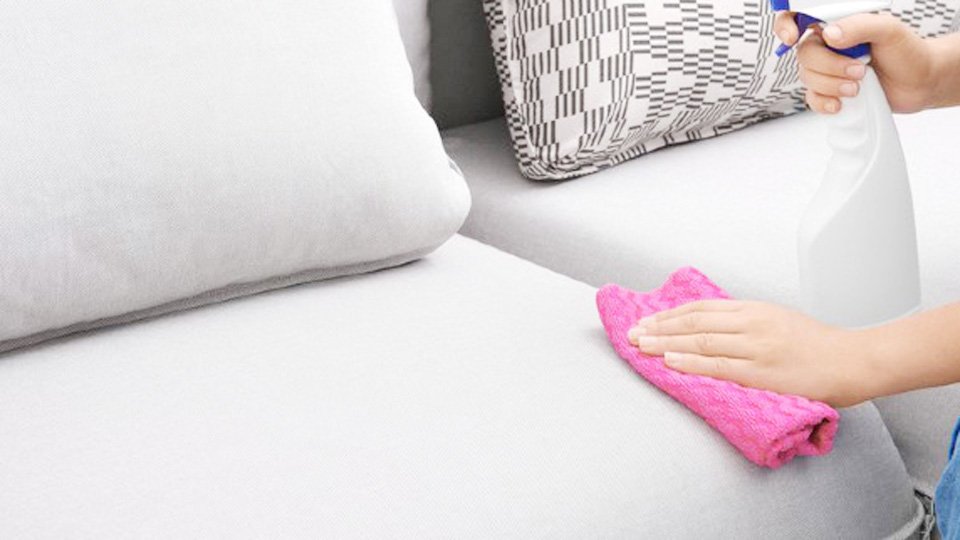
Spot cleaning is perfect for small stains, like juice or pet accidents, and uses minimal water.
- Process:
- Mix a few drops of mild dish soap (like Dawn) with warm water.
- Dab the stain with a damp microfiber cloth, avoiding over-wetting.
- Blot with a dry cloth to absorb moisture.
- Dry with a fan or open windows.
- Drying Time: 1–4 hours for fabric; 30 minutes–1 hour for leather or vinyl.
- Tip: I keep a spray bottle of this solution under my sink for quick spill cleanups. It’s a lifesaver with kids around.
Safety Warning: Check care labels first. Some fabrics, like silk, may require professional cleaning to avoid water damage.
Steam Cleaning
Steam cleaning is great for deep cleaning fabric upholstery and killing germs, but it uses more moisture.
- Process:
- Use a handheld steam cleaner (like a Bissell SteamShot, about $40 at Walmart).
- Work in small sections, holding the steamer 2–3 inches from the fabric.
- Wipe with a dry microfiber cloth to absorb excess moisture.
- Use a fan or dehumidifier to speed drying.
- Drying Time: 4–12 hours for fabric, depending on humidity and ventilation.
- Tip: I steam-cleaned my couch last spring and opened all the windows. It was dry by evening with a fan running.
Safety Warning: Avoid steam on leather or delicate fabrics unless the care label approves. Test on a hidden area first.
Shampooing or Wet Cleaning
Wet cleaning with upholstery shampoo is effective for heavily soiled furniture but leaves it very wet.
- Process:
- Vacuum the furniture to remove loose dirt.
- Apply upholstery shampoo (like Bissell Upholstery Cleaner) with a soft brush or cloth.
- Rinse with a damp cloth to remove soap residue.
- Blot thoroughly and dry with fans or a dehumidifier.
- Drying Time: 12–24 hours for fabric; not recommended for leather or vinyl.
- Tip: I used this method on an old sofa and placed it near an open window with a fan. It took a full day but looked brand new.
Safety Warning: Over-wetting can lead to mold. Never leave furniture soaked, and ensure good airflow.
Dry Cleaning (Powder or Foam)
Dry cleaning uses minimal moisture, making it ideal for delicate fabrics or quick turnaround.
- Process:
- Sprinkle dry cleaning powder (like Capture Carpet & Upholstery Cleaner) or apply foam.
- Brush gently into the fabric and let it sit for 10–15 minutes.
- Vacuum thoroughly to remove the powder or foam.
- Drying Time: 30 minutes–2 hours for fabric; suitable for leather if specified on the product.
- Tip: I used dry powder on a delicate armchair, and it was ready to use by the time I finished lunch.
Professional Cleaning
Professional services often use hot water extraction or specialized equipment, which can vary in moisture levels.
Process: Varies by service, but typically involves deep cleaning with professional-grade machines followed by high-powered drying tools.
Drying Time: 6–24 hours for fabric; 1–4 hours for leather, depending on the method and equipment.
Tip: Ask your cleaner about their drying process. My last professional cleaning took 8 hours with their industrial fans.
How to Speed Up Furniture Drying
Waiting for furniture to dry can be a hassle, especially in a busy household. Here are tips I’ve used to speed things up:
Use Fans: Place a box fan or oscillating fan near the furniture to improve airflow. I point a fan at my couch after cleaning, and it cuts drying time in half.
Open Windows: If weather permits, open windows to increase ventilation. This works wonders in my living room.
Run a Dehumidifier: In humid climates, a dehumidifier pulls moisture from the air and furniture. I borrowed one from a neighbor during a humid summer, and it was a game-changer.
Blot Excess Moisture: After cleaning, press dry towels or microfiber cloths into the fabric to absorb water.
Avoid Heat Sources: Don’t use hairdryers or heaters, as they can damage fabrics or leather. I tried this once and warped a cushion’s filling.
Tools and Products for Furniture Cleaning
Here’s a list of tools and products I keep on hand for cleaning furniture. They’re affordable and available at stores like Target or Home Depot.
| Tool/Product | Use | Where to Find |
|---|---|---|
| Microfiber Cloths | Spot cleaning and drying | Target, Amazon |
| Mild Dish Soap (e.g., Dawn) | Safe for spot cleaning | Grocery stores |
| Handheld Steam Cleaner | Deep cleaning fabric | Walmart, Amazon |
| Upholstery Shampoo | Wet cleaning for tough stains | Home Depot, Lowe’s |
| Dry Cleaning Powder | Low-moisture cleaning | Hardware stores |
| Box Fan or Dehumidifier | Speeding up drying | Walmart, Costco |
Safety Note: Always check care labels and test cleaners on a small, hidden area to avoid damage.
Real-Life Cleaning Scenarios
Every home is different, so here’s how to apply these methods in common situations:
Busy Family Home: With kids spilling snacks or pets lounging on the couch, spot clean daily with soap and water. Steam clean every 3–6 months for a deep refresh.
Rental Apartment: Stick to dry cleaning or spot cleaning to avoid over-wetting and potential damage. Check with your landlord about professional cleaning options.
Pet Owners: Pet hair and odors require frequent vacuuming and occasional steam cleaning. Use a fan to dry quickly and prevent pet-related musty smells.
Cleaning Enthusiast: For a pristine look, combine spot cleaning with monthly dry cleaning and annual professional deep cleaning. I do this for my favorite armchair, and it stays flawless.
Dos and Don’ts for Furniture Cleaning and Drying
| Do | Don’t |
|---|---|
| Check care labels before cleaning | Use bleach or ammonia-based cleaners |
| Blot stains instead of rubbing | Over-wet furniture, especially leather |
| Use fans or dehumidifiers to dry | Place wet furniture in direct sunlight or near heaters |
| Vacuum before wet cleaning | Ignore moldy smells or damp spots |
Preventing Future Furniture Messes
Keeping furniture clean reduces the need for frequent deep cleaning. Here are habits I’ve adopted:
Vacuum Regularly: Vacuum upholstery weekly to remove dust and pet hair. I use a handheld vacuum for quick touch-ups.
Use Throws or Covers: Place washable throws on high-use furniture. I have one on my couch that I toss in the wash monthly.
Address Spills Immediately: Blot spills right away to prevent stains. This saved my sofa from a coffee spill last week.
Protect with Scotchgard: Apply a fabric protector (like Scotchgard, about $10 at Walmart) after cleaning to repel stains. Check compatibility with your furniture first.
When to Call a Professional
If drying takes too long, stains won’t budge, or you notice mold, it’s time to call a pro. They have specialized tools and expertise for:
- Deep cleaning delicate or antique furniture.
- Removing stubborn stains or odors.
- Drying large pieces quickly with industrial fans.
For renters, check with your landlord before hiring a service, as some may cover professional cleaning costs.
Motivational Conclusion
Cleaning your furniture doesn’t have to be a daunting task, and knowing how long furniture takes to dry after cleaning helps you plan for a fresh, healthy home. Whether you’re spot cleaning a kid’s mess, steam cleaning pet odors, or hiring a pro for a deep refresh, these methods are safe, affordable, and effective.
I love the feeling of sitting on a clean, dry couch with my family, knowing it’s free of dust and germs. Start with small steps, like a quick soap-and-water wipe-down, and use fans to speed up drying. Your furniture will thank you, and you’ll enjoy a cleaner, cozier home.
Frequently Asked Questions
How Can I Tell If My Furniture Is Dry?
Press a dry microfiber cloth against the furniture. If it comes away damp, give it more time. You can also check for cool or wet spots by touching the surface.
Is It Safe to Sit on Furniture While It’s Drying?
Avoid sitting on damp furniture, as it can compress wet fibers, cause mold, or leave watermarks. Wait until it’s fully dry, typically 1–24 hours depending on the method.
Can I Use a Hairdryer to Dry Furniture Faster?
No, hairdryers can damage fabrics or leather with excessive heat. Use fans or open windows for safe, effective drying.
How Often Should I Clean My Upholstered Furniture?
Spot clean as needed for spills, vacuum weekly for dust, and deep clean (steam or shampoo) every 6–12 months, depending on use.
What Should I Do If My Furniture Smells Musty After Cleaning?
A musty smell may indicate trapped moisture or mold. Dry thoroughly with fans or a dehumidifier, and consider professional cleaning if the odor persists.