I remember the frustration when my sink started backing up after years of neglect, leaving me dreading a plumber’s bill. But after tackling countless clogs in my own home and helping neighbors fix theirs, I’ve learned how to clean a clogged bathroom sink using simple tools and pantry staples.
This guide is packed with practical, experience-tested methods to clear your drain and keep it flowing smoothly. Let’s dive in, like we’re chatting over coffee, and get your sink back to normal without breaking the bank.
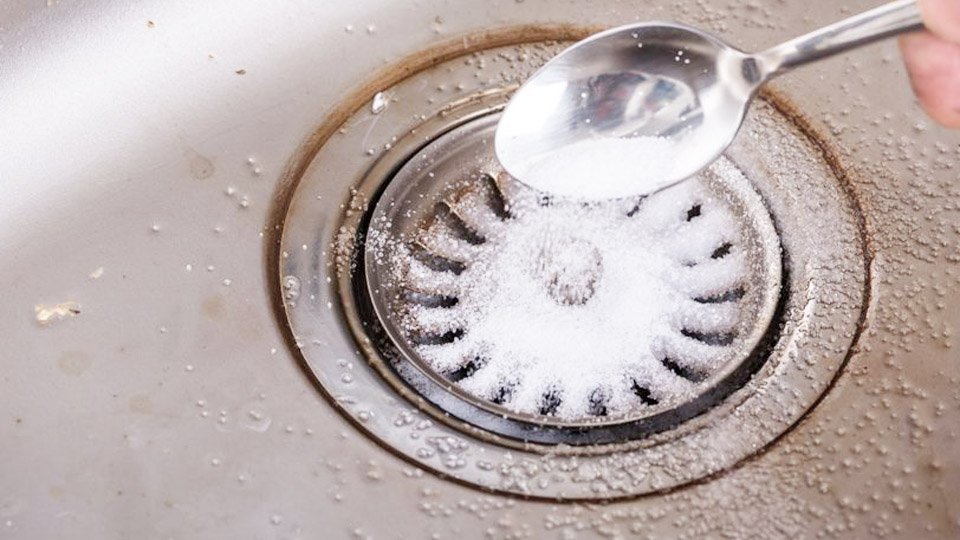
Image by treehugger
Why Bathroom Sinks Get Clogged
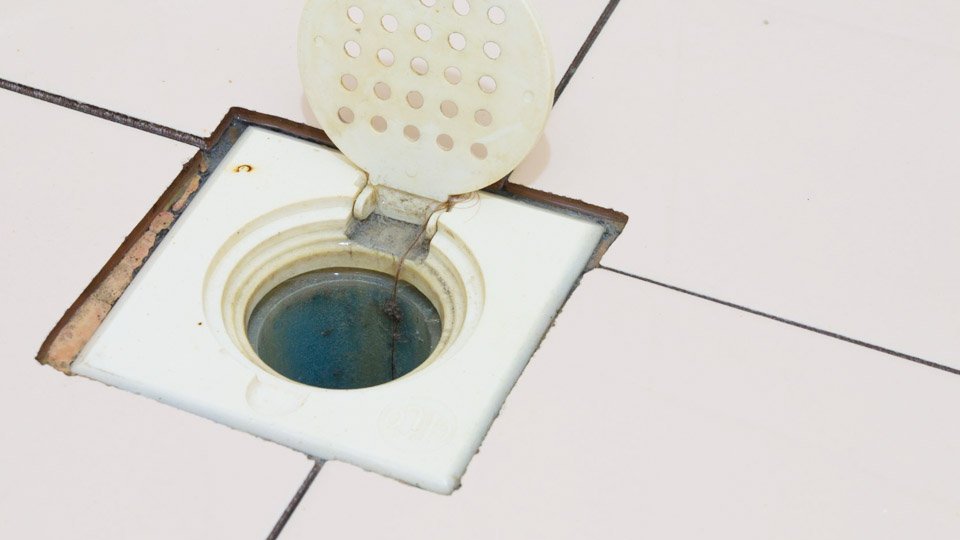
Bathroom sinks deal with a lot—hair, toothpaste, soap residue, and even skincare products can build up in the drain, forming a stubborn clog. Over time, this gunk hardens, slowing drainage or stopping it completely.
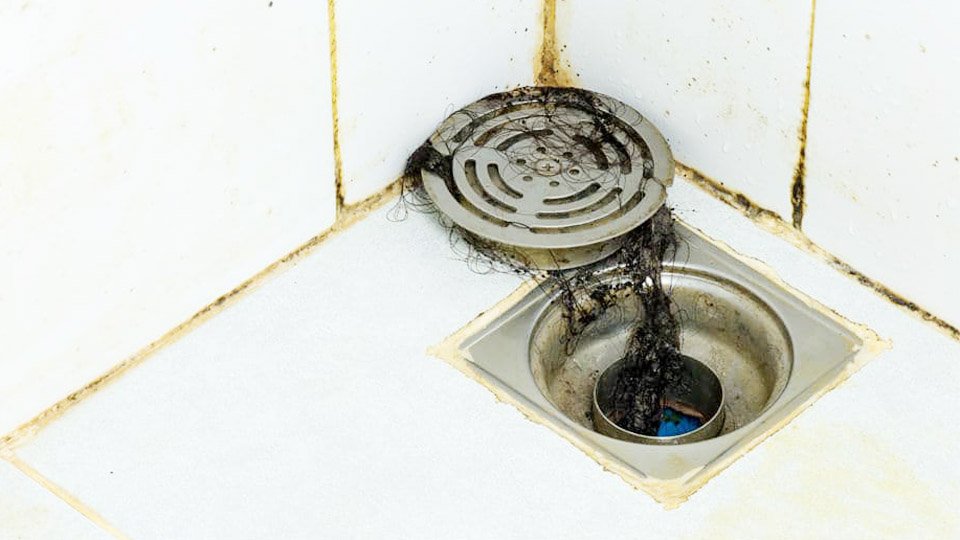
I’ve seen everything from hairballs the size of a golf ball to slimy soap scum in my drains. The good news? Most clogs are easy to fix with household items and a little elbow grease. Whether it’s a pop-up stopper or a pipe blockage, I’ll walk you through the steps to clear it, no plumber required.
Supplies You’ll Need
Here’s what I keep in my cleaning arsenal for unclogging sinks. Most are likely already in your home:
| Item | Purpose |
|---|---|
| White distilled vinegar | Dissolves soap scum and mineral buildup |
| Baking soda | Breaks down gunk and neutralizes odors |
| Plunger (small, sink-sized) | Dislodges minor clogs |
| Drain snake or zip tool | Removes hair and debris |
| Old toothbrush | Scrubs stopper and drain rim |
| Microfiber cloths | Wipes surfaces cleanly |
| Small bucket or bowl | Catches water or holds cleaning solutions |
| Screwdriver (flathead or Phillips) | Removes stopper or drain cover |
| Pliers | Loosens stuck parts |
| Gloves (optional) | Protects hands from gunk |
| Flashlight | Illuminates under the sink |
Wear gloves if you’re squeamish about touching drain gunk. Turn off the water supply under the sink if you’re removing parts to avoid leaks. Never mix vinegar with bleach—it creates toxic fumes.
Identifying the Clog Type
Before diving in, figure out what’s causing the clog. Here’s what I’ve learned from years of sink rescues:
Surface Clogs: Hair and soap scum around the stopper or drain opening. These are easy to clean.
P-Trap Clogs: Gunk in the curved pipe under the sink. Common in bathrooms with heavy use.
Deep Pipe Clogs: Blockages further down the drain line. These need a drain snake or plunger.
Check how slowly your sink drains. If water pools but eventually drains, it’s likely a surface or P-trap clog. If it’s completely blocked, you might have a deeper issue. Most clogs I’ve dealt with are surface or P-trap, so we’ll start there.
Clearing Surface Clogs Around the Stopper
Surface clogs, often caused by hair and soap, are the easiest to fix. I’ve pulled some nasty hairballs from my sink stopper—here’s how to tackle it:
How to Clean:
- Remove the stopper (see below for pop-up stopper removal). For non-pop-up stoppers, twist or pull to lift out.
- Use gloved fingers or tweezers to pull out visible hair or debris from the drain opening.
- Sprinkle 1/2 cup baking soda into the drain.
- Pour 1 cup white vinegar down the drain. It’ll fizz—that’s normal and helps break down gunk.
- Let it sit for 5–10 minutes.
- Flush with hot (not boiling) water for 30 seconds.
- Scrub the drain rim and stopper with an old toothbrush and a mix of dish soap and water.
- Wipe with a microfiber cloth.
Time Estimate: 10–15 minutes.
Do:
- Wear gloves to avoid touching slimy debris.
- Rinse thoroughly to clear all residue.
Don’t:
- Use boiling water—it can damage PVC pipes.
- Skip scrubbing the stopper; it’s a gunk magnet.
Keep a drain strainer in your sink to catch hair before it causes a clog.
Removing and Cleaning the Pop-Up Stopper
Pop-up stoppers are notorious for trapping gunk. I’ve cleaned dozens, and this method works every time:
How to Remove and Clean:
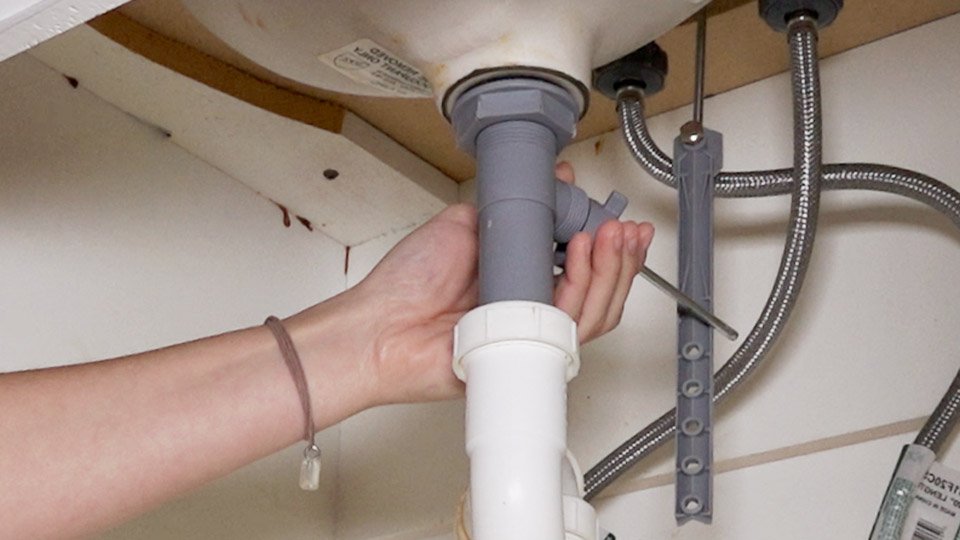
- Locate the lift rod behind the faucet (the rod you pull to close the sink).
- Crawl under the sink with a flashlight. Find the pivot rod connecting to the lift rod.
- Unscrew the pivot nut (plastic or metal) with pliers or by hand.
- Pull the pivot rod out gently to release the stopper.
- Lift the stopper out of the drain. Wiggle it if it’s stuck.
- Soak the stopper in a bowl with 1 cup warm water, 1 cup vinegar, and 1 teaspoon dish soap for 10 minutes.
- Scrub with a toothbrush, focusing on crevices.
- Rinse and dry with a microfiber cloth.
- Reinstall by reversing the removal steps: slide the stopper back, reinsert the pivot rod, and tighten the nut.
Time Estimate: 15–20 minutes.
Do:
- Take a photo before disassembling to remember how it fits.
- Check for leaks after reinstalling.
Don’t:
- Force the stopper out—it can damage the drain.
- Lose small parts like the pivot nut.
Apply a thin layer of plumber’s grease to the pivot rod for smoother operation after cleaning.
Clearing P-Trap Clogs
If the sink still drains slowly, the P-trap (the U-shaped pipe under the sink) might be clogged. I’ve tackled these in my old apartment with great results.
How to Clean:
- Place a bucket under the sink to catch water.
- Use pliers to loosen the slip nuts on both ends of the P-trap (turn counterclockwise).
- Remove the P-trap and empty any water or gunk into the bucket.
- Scrub the inside with a toothbrush and dish soap solution.
- Pour 1/4 cup baking soda into the trap, followed by 1/2 cup vinegar. Let it fizz for 5 minutes.
- Rinse with hot water.
- Reinstall the P-trap, tightening the nuts by hand to avoid over-tightening.
- Run water to check for leaks.
Time Estimate: 20–25 minutes.
Do:
- Use a bucket to avoid a mess.
- Tighten nuts snugly but not too hard.
Don’t:
- Skip the bucket—water will spill.
- Use harsh chemicals in the P-trap; they can corrode pipes.
If the P-trap is rusty or damaged, replace it with a new one (about $10 at hardware stores).
Using a Plunger for Deeper Clogs
For clogs deeper in the pipe, a plunger is my go-to. I’ve saved many sinks with this simple tool.
How to Use:
- Use a small, sink-sized plunger (not a toilet plunger).
- Remove the stopper if possible.
- Fill the sink with a few inches of water to create a seal.
- Place the plunger over the drain and push down firmly, then pull up sharply. Repeat 10–15 times.
- Run hot water to see if the clog clears.
- If it’s still slow, repeat or try the drain snake method.
Time Estimate: 10–15 minutes.
Do:
- Ensure a tight seal for maximum suction.
- Use quick, sharp motions to dislodge the clog.
Don’t:
- Use a dirty plunger—clean it first.
- Give up after a few tries; it can take multiple plunges.
Smear petroleum jelly around the plunger’s rim for a better seal.
Using a Drain Snake or Zip Tool
For stubborn clogs, a drain snake or zip tool can reach deep into the pipe. I’ve used a zip tool to pull out hair clogs that were driving me nuts.
How to Use:
- Remove the stopper or drain cover.
- Insert the drain snake or zip tool into the drain until you feel resistance.
- Twist or wiggle the tool to grab hair or debris.
- Pull it out slowly, removing any gunk.
- Repeat until no more debris comes out.
- Flush the drain with 1/2 cup baking soda and 1 cup vinegar, then hot water.
Time Estimate: 15–20 minutes.
Do:
- Move slowly to avoid pushing the clog deeper.
- Clean the tool after each use.
Don’t:
- Force the tool—it can damage pipes.
- Skip flushing; it clears leftover residue.
A zip tool (about $5) is cheaper than a drain snake and works great for hair clogs.
Homemade Cleaning Solutions
I love DIY cleaners for their affordability and effectiveness. Here are my favorite recipes for unclogging sinks:
| Solution | Ingredients | Best For |
|---|---|---|
| Basic Drain Cleaner | 1/2 cup baking soda, 1 cup vinegar | Surface clogs, odors |
| Stopper Soak | 1:1 water and vinegar, 1 tsp dish soap | Soap scum, gunk on stoppers |
| Deep-Clean Scrub | 1/4 cup baking soda, 2 tbsp water | P-trap gunk, stubborn stains |
How to Make:
- For the drain cleaner, pour baking soda down the drain, follow with vinegar, let it fizz for 5–10 minutes, then flush with hot water.
- For the stopper soak, mix in a bowl and submerge the stopper for 10–15 minutes.
- For the scrub, mix into a paste and apply with a toothbrush to the stopper or P-trap.
Keep a spray bottle of the stopper soak mix for quick cleanups between deep cleans.
Preventing Future Clogs
Regular maintenance keeps your sink clog-free. Here’s my routine:
- Flush the drain weekly with 1/4 cup baking soda and 1/2 cup vinegar, followed by hot water.
- Use a drain strainer to catch hair and debris.
- Clean the stopper monthly to prevent buildup.
- Wipe the sink after use to minimize soap scum.
Time Estimate: 5–10 minutes weekly.
If you have long hair or pets, a drain strainer is a must—it catches gunk before it goes down.
Safety Precautions and Common Mistakes
Cleaning a clogged sink is straightforward, but avoid these pitfalls:
- Don’t Use Boiling Water: It can damage PVC pipes. Stick to hot tap water.
- Avoid Harsh Chemicals: Drain cleaners can corrode pipes or create toxic fumes when mixed with vinegar.
- Check for Leaks: After reassembling the P-trap or stopper, run water to ensure a tight seal.
- Ventilate: Open a window when using vinegar to avoid a strong smell.
My Experience with Clogged Sinks
I’ve unclogged more bathroom sinks than I can count, from my own family’s messy sink to helping a neighbor with a drain so blocked it was practically a science experiment. One time, I found a hairball the size of a mouse in my P-trap—gross, but the baking soda and vinegar trick saved the day.
These methods are my go-to because they’re cheap, safe, and work like a charm. You don’t need to be a plumber to fix a clog—just a little patience and the right tools.
Conclusion
Cleaning a clogged bathroom sink is easier than it seems, and with these methods—honed through years of trial and error—you can tackle any clog without a plumber’s bill.
Whether it’s a hair-filled stopper or a gunky P-trap, a few household items like baking soda and vinegar will get your sink flowing again. Grab your tools, roll up your sleeves, and give it a try. You’ll be amazed at how simple it is to restore your sink to its sparkling, free-draining glory!
FAQ
Can Baking Soda and Vinegar Clear All Sink Clogs?
Baking soda and vinegar are great for surface clogs and light buildup. I pour 1/2 cup baking soda down the drain, followed by 1 cup vinegar, let it fizz for 10 minutes, then flush with hot water. It works wonders for soap scum and hair. For deeper clogs, you might need a plunger or drain snake to fully clear the pipe.
How Do I Clean a Clogged Sink Without Removing the Stopper?
If you can’t remove the stopper, try a plunger or zip tool. I use a small sink plunger with a bit of water in the sink to create suction—10–15 plunges usually do the trick. Alternatively, insert a zip tool through the drain opening to pull out hair. Finish with a baking soda and vinegar flush to clear residue.
How Often Should I Clean My Bathroom Sink Drain?
I clean my sink drain monthly to prevent clogs. Pour 1/4 cup baking soda and 1/2 cup vinegar down the drain, let it sit for 5 minutes, and flush with hot water. Remove and scrub the stopper with a toothbrush and dish soap. This keeps gunk at bay and stops odors before they start.
Is It Safe to Use a Drain Snake on All Sinks?
A drain snake or zip tool is safe for most bathroom sinks, especially those with PVC or metal pipes. I’ve used a zip tool to clear hair clogs without issue. Move slowly to avoid damaging pipes, and don’t force it if you hit resistance—try plunging first or call a plumber for stubborn blockages.
What Do I Do If My Sink Still Drains Slowly After Cleaning?
If your sink is still slow, the clog might be deeper. Try plunging again or using a drain snake to reach further into the pipe. I’ve had success repeating the baking soda and vinegar flush after snaking. If it persists, check the P-trap again or consider a professional for a blockage beyond the trap.