I’ve scrubbed thousands of kitchen sinks in my life—mine, my mom’s, my clients’—and I can tell you this with zero exaggeration: a shiny stainless steel sink changes the entire feel of a kitchen. When it’s streaky, spotted, or (heaven forbid) has that weird rainbow film, the whole room looks tired. But when it’s gleaming like it just came out of the showroom? You actually feel proud to cook.
So if you’re standing there right now staring at water spots, coffee stains, or mysterious scratches and thinking “there has to be a better way than Bar Keepers Friend every week,” you’re in the right place. I’m going to show you exactly how I clean my own stainless steel sink naturally—methods I’ve been using since my kids were little and I refused to keep harsh chemicals under the cabinet they could reach.
Image by reddit
Why Stainless Steel Gets So Gross (And Why It Matters)
Stainless steel is awesome because it doesn’t rust, but it shows EVERYTHING—hard-water minerals, soap scum, food acids, tiny scratches that catch grease. Over time those things build up and the sink starts looking dull and dingy even when it’s technically “clean.”
The good news? You don’t need bleach or powdered comet to fix it. The stuff you already have in your pantry—baking soda, white vinegar, lemons, olive oil—works better and won’t make your eyes water.
I learned this the hard way in 2008 when I was pregnant with my second kid and suddenly couldn’t stand the smell of store-bought cleaners. I tried the natural route out of desperation and was shocked at how much shinier my sink got. I’ve never gone back.
The 4 Natural Ingredients I Never Run Out Of
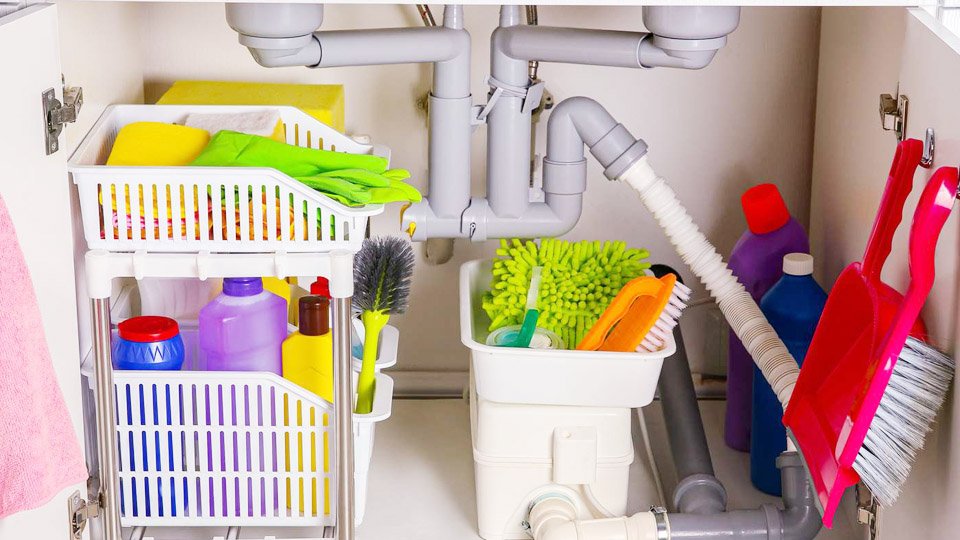
These are literally always in my kitchen:
- Baking soda (the big cheap bag, not the tiny fridge box)
- Distilled white vinegar (buy it by the gallon at Costco)
- Lemons (or lemon juice in a bottle if lemons are $1 each)
- Olive oil or mineral oil (just a few drops for the final shine)
Optional but amazing: Dish soap (I like Dawn or Seventh Generation), flour, and club soda.
That’s it. No special ordering, no $15 bottles of “stainless steel polish.”
My Everyday 2-Minute Sink Shine Routine
Do this after dinner dishes and your sink will never get scary again.
- Rinse everything out any food bits.
- Squirt a little dish soap on your sponge or dish brush.
- Sprinkle baking soda all over the wet sink like you’re salting a giant cookie.
- Scrub in the direction of the grain (super important—more on that in a minute).
- Rinse thoroughly.
- Spray with a 50/50 mix of water + white vinegar in a spray bottle.
- Wipe dry with a microfiber cloth.
Done. Takes longer to read than to do.
Deep Clean: When Your Sink Looks Like It’s Been Through a War
This is the one I do every Saturday morning while my coffee brews. Takes 15–20 minutes total and makes the sink look brand new.
Step 1: Empty and Quick Rinse
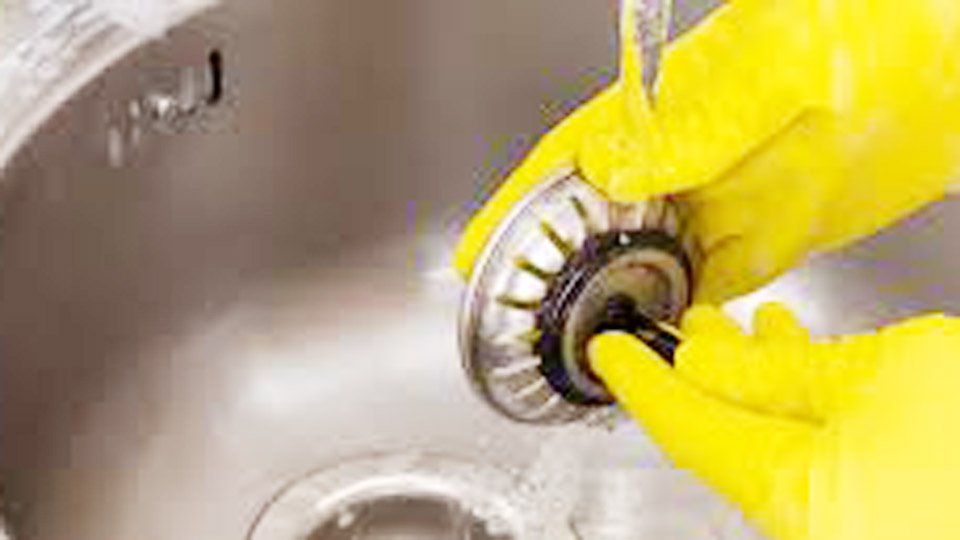
Take out the drain strainer, shake the gunk into the trash (not down the disposal—learned that lesson), and give everything a hot water rinse.
Step 2: Baking Soda Paste for the Heavy Lifting
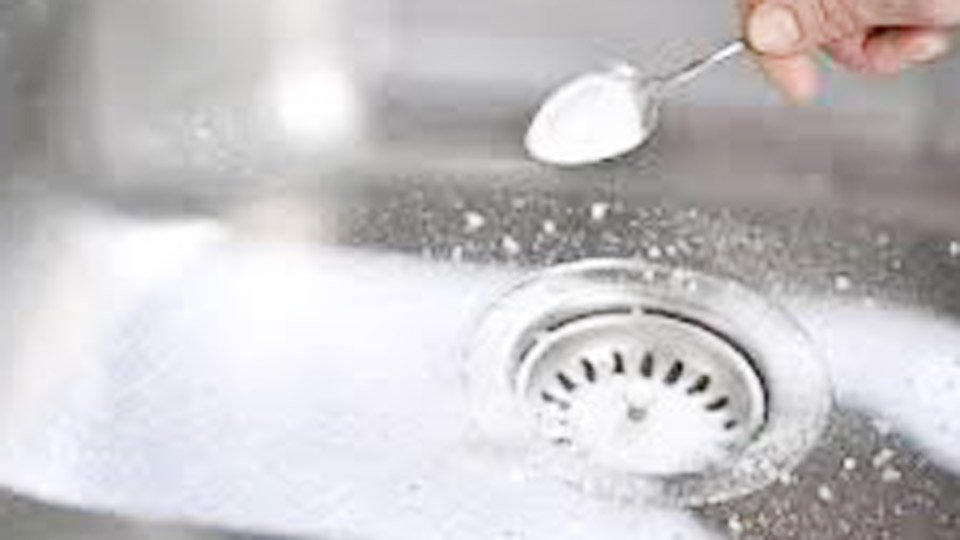
Sprinkle a generous amount of baking soda all over the sink—probably ½ to ¾ cup. Add just enough water to make a spreadable paste (or use your vinegar spray bottle to wet it). Let it sit for 10–15 minutes. This is when I go fold a load of laundry or answer emails.
The baking soda loosens mineral deposits, grease, and those weird brown stains that show up around the drain.
Step 3: Scrub Time (The Satisfying Part)
Use a soft sponge (not Scotch-Brite non-scratch or even an old toothbrush for the crevices). Always scrub with the grain—you can see the faint lines if you tilt the sink toward the light. Going against the grain creates tiny scratches that catch more dirt later.
Pay extra attention to:
- Around the drain (toothbrush + baking soda = magic)
- The rim where the sink meets the counter (grossest spot in most kitchens)
- Under the faucet handle where water drips
- The overflow hole if your sink has one (yes, that little hole gets nasty)
Step 4: The Vinegar Magic
Fill a spray bottle with undiluted white vinegar and spray the entire sink until it’s dripping. You’ll see it fizz where it hits the baking soda—that’s the acid reacting and lifting everything. Let it sit 5–10 minutes. The smell is strong but disappears fast.
Step 5: Rinse and Inspect
Rinse with hot water. Look for any spots you missed and hit them again. Sometimes I use half a lemon (cut side down) like a scrubber for stubborn stains—the citric acid plus the physical scrubbing works wonders.
Step 6: The Final Shine (This Is the Money Step)
Dry the sink completely with a microfiber cloth (paper towels leave lint). Put 4–5 drops of olive oil on a dry paper towel and buff the entire sink in circular motions. It takes 30 seconds and leaves a protective film that repels water spots for days.
People always ask what the “secret” is when they see my sink. It’s literally the olive oil step. Try it once and you’ll be hooked.
How to Get Rid of Specific Stains and Problems
Water Spots & Hard Water Buildup
My well water is brutal. The fix: soak paper towels in straight vinegar, lay them all over the sink, and leave for 30–60 minutes (longer = better). Remove, scrub lightly with baking soda, rinse, shine. Gone.
Rust Spots (Usually From Cans or Cast Iron Pans)
Bar Keepers Friend is great here, but if you want to stay natural: make a paste of lemon juice + salt or baking soda + lemon juice from a fresh lemon. Rub on the spot, let sit 10 minutes, scrub gently. Repeat if needed.
Scratches
Light surface scratches: baking soda paste + gentle scrubbing with the grain will minimize them. Deeper scratches (from knives, etc.) won’t go away completely, but regular oiling helps hide them. Pro tip: never cut directly in the sink!
That Weird Rainbow Film
Usually from cooking greasy food with the sink wet. Vinegar soak fixes it every time.
Drain Stink
Pour ½ cup baking soda down the drain, then 1 cup hot vinegar. Let fizz 10 minutes, flush with boiling water. Do this weekly and you’ll never have drain flies again.
Daily Habits That Keep Your Sink Looking New Forever
- Dry it after every use (yes, really—this prevents 90% of water spots)
- Never leave wet steel wool or cast iron pans sitting in it
- Use a sink mat or grid if you have kids who throw dishes
- Wipe up coffee grounds, tomato sauce, etc. immediately—they stain fast
- Once a month, sprinkle baking soda, scrub, then pour a kettle of boiling water down the drain
Natural Cleaning Methods Compared (Quick Table)
| Method | Cost per Use | Shine Level | Scratch Risk | Smell |
|---|---|---|---|---|
| Baking Soda + Vinegar | ~$0.10 | 9/10 | Very Low | Mild vinegar (gone fast) |
| Lemon + Salt | ~$0.30 | 8/10 | Low | Amazing |
| Club Soda | ~$0.20 | 7/10 | None | None |
| Olive Oil Polish | ~$0.05 | 10/10 | None | None |
| Flour Buff (final step) | ~$0.02 | 10/10 | None | None |
(Flour buff: after oiling, sprinkle flour over sink and buff with dry cloth—takes it to mirror shine. Sounds crazy, works insanely well.)
The One Mistake Almost Everyone Makes
Scrubbing against the grain.
I did it for years. My first stainless sink looked like a cat had scratched it because I was scrubbing in circles. Once I learned to follow the grain lines, it looked brand new within weeks and has stayed that way for 12 years.
Conclusion: Your Sink Can Look Like This Every Single Saturday
You now have everything you need to make your stainless steel sink shine like the day it was installed—using stuff that’s already in your house and costs pennies.
Pick one method this weekend. Start with the deep clean I do every Saturday. Take a before and after photo (you’ll want to show someone, trust me). Then make the 2-minute nightly routine non-negotiable.
Fifteen years ago I thought a perfect sink required expensive cleaners and constant elbow grease. Turns out it just needs consistency and four cheap natural ingredients. Your kitchen is about to feel a whole lot cleaner.
Frequently Asked Questions
Can you use bleach a stainless steel sink?
No. Bleach pits and damages stainless over time. Stick to natural methods—they work better anyway.
How often should you deep clean a stainless steel sink?
I do the full treatment once a week. If you do the quick nightly shine, weekly is plenty.
Will vinegar hurt stainless steel?
Not at all. It’s actually recommended by most manufacturers (check your manual—mine literally says “vinegar is safe”).
Can I use essential oils in my sink cleaning?
Yes! Add 10 drops of lemon or orange essential oil to your vinegar spray bottle. Smells incredible and adds extra grease-cutting power.
What’s the best cloth to dry a stainless steel sink?
Microfiber, hands down. I buy the big packs from Costco and keep one dedicated just for the sink.