I walked into the kitchen and noticed my stainless steel sink looking a little sad—water spots, a few streaks, and that dull film that seems to sneak up out of nowhere. I don’t know about you, but a cloudy sink makes the whole kitchen feel less clean, no matter how shiny the counters are.
That’s when I remembered my favorite trick: how to clean a stainless steel sink with baking soda. It’s simple, safe, and doesn’t involve harsh chemicals. I’ve tried plenty of methods before, but this one always brings back that sparkling, just-polished look without much effort.

Image by taskrabbit
Why Cleaning Your Stainless Steel Sink Matters
A stainless steel sink is the workhorse of any kitchen. From washing dishes to soaking laundry, it handles daily messes. But without regular cleaning, it can harbor bacteria, develop stains, and lose its shine. A dirty sink isn’t just an eyesore—it can affect hygiene, especially if you’re prepping food nearby.
Baking soda is a natural, non-toxic cleaner that cuts through grease, removes odors, and polishes without damaging the sink’s surface. Plus, it’s budget-friendly, often costing less than a dollar per box at most US grocery stores.
Keeping your sink clean also extends its lifespan. Hard water stains, soap scum, and food residue can cause corrosion over time if ignored. By using baking soda, you’re choosing a method that’s effective, safe for households with kids or pets, and environmentally conscious compared to chemical-heavy cleaners.
What You’ll Need to Clean Your Stainless Steel Sink
Before diving in, gather your supplies. I’ve learned from experience that having everything ready makes the process smoother, especially if you’re squeezing cleaning into a busy day.
Supplies:
- Baking soda: The star of the show. A standard box (about 16 oz) is more than enough.
- White vinegar: Optional for tougher stains or disinfecting.
- Microfiber cloth or soft sponge: Avoid abrasive scrubbers that can scratch.
- Dish soap: A gentle, non-toxic one works best.
- Spray bottle: For vinegar or water (optional but handy).
- Dry towel: For that final polish.
- Gloves: Protect your hands, especially if you have sensitive skin.
- Small bowl or container: To mix your cleaning paste.
Why These Tools?
Baking soda is mildly abrasive, perfect for scrubbing without scratching stainless steel. Vinegar boosts cleaning power for stubborn stains, and microfiber cloths ensure a streak-free finish. I always keep gloves nearby—years of cleaning have taught me that even natural cleaners can dry out your hands over time.
Step-by-Step Guide to Cleaning a Stainless Steel Sink with Baking Soda
Here’s my go-to method, honed from cleaning countless sinks in homes and rentals. It’s straightforward, takes about 15–20 minutes, and leaves your sink sparkling.
Step 1: Clear and Rinse the Sink
Start by emptying the sink of dishes, food scraps, or clutter. I once tried cleaning around a pile of pots, and let’s just say it was a mess. Rinse the sink with warm water to remove loose debris. This preps the surface for the baking soda to work its magic.
Step 2: Sprinkle Baking Soda Generously
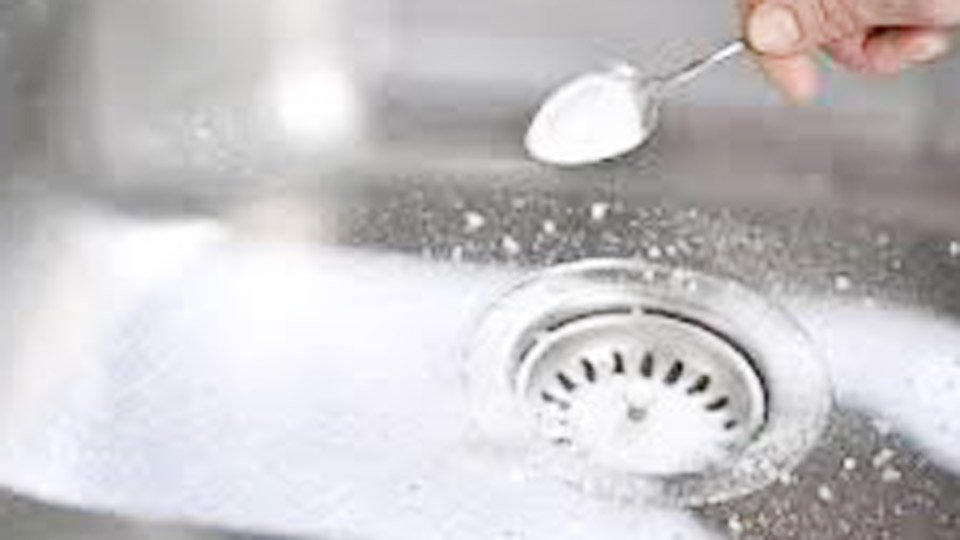
Grab your baking soda and sprinkle a liberal amount (about ¼ cup) across the sink’s surface. Focus on stained or greasy areas. The powder should stick to the damp sink, forming a light paste. If it’s too dry, spritz with water from a spray bottle or damp sponge.
Step 3: Scrub with a Soft Sponge
Using a soft sponge or microfiber cloth, scrub the sink in small, circular motions. Follow the grain of the stainless steel—most sinks have faint lines running one direction, and scrubbing with the grain prevents scratches. I’ve found that applying gentle pressure works best; let the baking soda do the heavy lifting. Pay extra attention to corners, the drain, and faucet base where gunk loves to hide.
Step 4: Tackle Tough Stains with a Baking Soda Paste
For stubborn stains like coffee rings or hard water spots, mix 2 tablespoons of baking soda with a splash of water to form a thick paste. Apply it to the stain, let it sit for 5 minutes, then scrub gently. I once had a client with a sink so stained it looked rusty—this paste brought it back to life.
Step 5: Optional Vinegar Boost
If stains persist, pour a small amount of white vinegar (about ¼ cup) into a spray bottle and lightly mist the stained areas. The vinegar reacts with baking soda, fizzing to lift grime. Be sparing—too much vinegar can dull the shine. Wipe it away after a minute or two.
Step 6: Rinse Thoroughly
Rinse the sink with warm water to wash away all baking soda and vinegar residue. I’ve skipped this step before, only to find a powdery film later—don’t make my mistake!
Step 7: Dry and Polish
Use a dry microfiber towel to buff the sink dry. This step is key to avoiding water spots, especially in hard water areas like mine. Buff in the direction of the grain for a mirror-like finish. Your sink should now gleam like it’s brand new.
Common Mistakes to Avoid When Cleaning a Stainless Steel Sink
Over the years, I’ve seen (and made) plenty of cleaning blunders. Here’s how to avoid them:
Using Abrasive Scrubbers: Steel wool or harsh scrub pads can scratch stainless steel, leaving permanent marks. Stick to soft sponges or microfiber cloths.
Skipping the Grain: Scrubbing against the grain can cause micro-scratches, dulling the sink’s finish. Always check the grain direction first.
Overusing Vinegar: While vinegar is great for stains, too much can etch or dull stainless steel. Use it sparingly and rinse well.
Leaving Wet Spots: Not drying the sink properly leads to water spots, especially in hard water areas. Always buff dry with a towel.
Ignoring the Drain: Food and grease build up in the drain, causing odors. Sprinkle baking soda in there too and flush with hot water.
Pro Tips and Shortcuts from Experience
After years of cleaning sinks for myself and clients, I’ve picked up some tricks that make the job easier and faster:
Keep Baking Soda Handy: I store a shaker of baking soda under my sink for quick touch-ups. A quick sprinkle and scrub can tackle small messes daily.
Use a Toothbrush for Crevices: An old toothbrush is perfect for cleaning around the faucet base or drain where gunk collects.
Prevent Stains with Olive Oil: After cleaning, rub a tiny drop of olive oil on a cloth and buff the sink for extra shine and water repellency. Don’t overdo it, or it’ll feel greasy.
Ventilation is Key: If using vinegar, crack a window or turn on the fan. The smell can be strong, especially in small kitchens.
Child Safety Tip: Keep baking soda and vinegar out of reach of kids. While non-toxic, they can still be a mess if spilled.
Comparing Cleaning Methods for Stainless Steel Sinks
Not sure if baking soda is the best choice? Here’s a comparison of common cleaning methods I’ve tried, with pros and cons.
| Method | Pros | Cons |
|---|---|---|
| Baking Soda | Affordable, eco-friendly, non-toxic, gentle on stainless steel, deodorizes | May need vinegar for tough stains, requires elbow grease |
| Commercial Cleaners | Fast-acting, designed for stainless steel, often leave a polished finish | Expensive, may contain harsh chemicals, not eco-friendly |
| Vinegar Alone | Disinfects, removes hard water stains, readily available | Can dull finish if overused, strong smell, less effective on grease |
| Dish Soap | Gentle, good for daily cleaning, cuts grease | Less effective on stains, doesn’t polish or deodorize |
Baking soda stands out for its versatility, safety, and cost-effectiveness, making it ideal for most households.
Eco-Friendly and DIY Alternatives
If you’re looking to go green, baking soda is already a star, but you can pair it with other natural cleaners. Lemon juice works like vinegar for stain removal and adds a fresh scent. Just cut a lemon in half, dip it in baking soda, and scrub. Castile soap mixed with baking soda is another great DIY paste for grease-heavy sinks.
For eco-conscious households, avoid commercial cleaners with phosphates or chlorine, which can harm waterways. Stick to biodegradable sponges or reusable microfiber cloths to reduce waste. I’ve switched to washable cloths at home, and it’s cut down on paper towel costs significantly.
Safety Precautions When Cleaning
Cleaning with baking soda is safe, but a few precautions make it even safer:
Wear Gloves: Protect your hands from drying out, especially if you’re cleaning multiple sinks or have sensitive skin.
Ventilate the Area: Open a window or use a fan when using vinegar to avoid inhaling fumes.
Keep Kids and Pets Away: Store cleaning supplies out of reach, and don’t let kids near the sink during cleaning.
Test First: If your sink has a unique finish (like brushed or matte), test baking soda on a small area to ensure it doesn’t dull the surface.
Maintaining Your Stainless Steel Sink
A clean sink stays that way with regular care. Here’s how I keep mine looking great:
Daily Rinse: After dishes, rinse the sink with warm water and wipe with a damp cloth to prevent buildup.
Weekly Deep Clean: Use the baking soda method once a week to maintain shine and hygiene.
Avoid Harsh Chemicals: Bleach or ammonia can pit stainless steel over time. Stick to natural cleaners.
Use a Sink Grid: A rubber or stainless steel grid protects the sink’s bottom from scratches and dents.
I once neglected my sink for a month during a busy season, and the water spots were a nightmare to remove. A quick weekly clean prevents that headache.
Anecdotes from the Cleaning Trenches
One of my favorite cleaning stories is from a client’s house where the sink was so caked with hard water stains I thought it was a lost cause. I made a thick baking soda paste, let it sit for 10 minutes, and added a splash of vinegar.
After some scrubbing, the sink looked brand new, and the client thought I’d used some fancy product. Nope—just baking soda and a little patience! Another time, I spilled red wine in my own sink (clumsy moment, don’t judge). A quick baking soda scrub saved the day before it stained.
Conclusion
Cleaning a stainless steel sink with baking soda is one of those simple, satisfying tasks that makes your kitchen feel fresh and functional. It’s not just about aesthetics—keeping your sink clean ensures a hygienic space for food prep, saves you from costly repairs, and reduces your reliance on harsh chemicals.
With this method, you’re equipped to tackle stains, grease, and odors in about 15 minutes with tools you likely already have. Whether you’re a busy parent, a renter on a budget, or a pro cleaner, this technique is foolproof and eco-friendly.
FAQ: Common Questions About Cleaning Stainless Steel Sinks
Can baking soda scratch a stainless steel sink?
No, baking soda is mildly abrasive and safe for stainless steel when used with a soft sponge or cloth. Avoid aggressive scrubbing or abrasive pads, which can cause scratches.
How do I remove hard water stains from my stainless steel sink?
Mix baking soda with water to form a paste, apply it to the stains, and let it sit for 5–10 minutes. For extra stubborn stains, lightly mist with vinegar, scrub gently, and rinse well.
Is vinegar safe for cleaning stainless steel sinks?
Yes, but use it sparingly. Vinegar is great for hard water stains but can dull the finish if overused or left on too long. Always rinse thoroughly and dry the sink after.
How often should I clean my stainless steel sink with baking soda?
A deep clean with baking soda once a week keeps your sink in top shape. For daily maintenance, rinse and wipe with a damp cloth to prevent buildup.
What’s the best way to polish a stainless steel sink?
After cleaning with baking soda, dry the sink with a microfiber towel, buffing in the direction of the grain. For extra shine, rub a drop of olive oil with a soft cloth.