I was making dinner and noticed my stove looked like it had been through a food fight—grease splatters, crumbs, and those stubborn burner coils that seem to trap every bit of mess. That’s when it hit me: figuring out how to clean burner coils isn’t just about making the kitchen look nice, it’s about keeping things safe and efficient too.
Dirty coils can smoke, smell, and even mess with cooking. I’ve definitely been guilty of putting it off, but over time I’ve learned a few simple tricks that make the job quicker and way less intimidating.
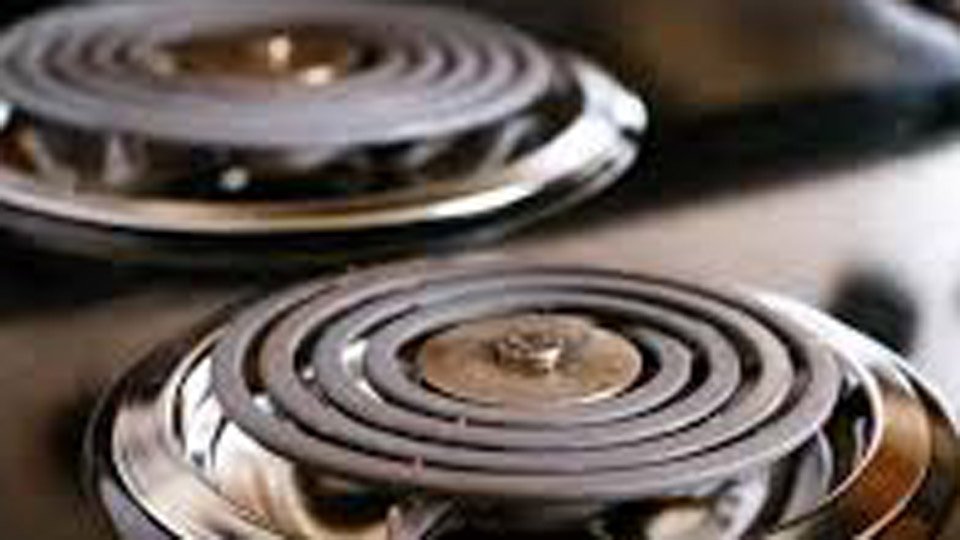
Image by thespruce
What Are Burner Coils and Why Do They Get So Dirty?
Burner coils, those spiral metal elements on electric stoves, are the workhorses of your kitchen. They heat up to cook your meals, but they also catch spills, splatters, and grease like nobody’s business. Every time you boil pasta or fry bacon, tiny bits of food and oil land on the coils, where they burn and stick, creating a crusty mess.
Why Cleaning Burner Coils Matters
Dirty coils aren’t just an eyesore. Grease buildup can cause uneven heating, making your cooking inconsistent—think undercooked pancakes or scorched sauces. Worse, that gunk can smoke or even catch fire, especially if you’re dealing with oil splatters.
Clean coils also save energy, as your stove doesn’t have to work overtime to heat through layers of grime. Plus, a clean stove looks inviting and keeps your kitchen smelling fresh, which is a win for everyone.
When to Clean Them
Check your coils weekly if you cook daily, especially if you’re prone to spills (guilty!). Deep clean monthly or whenever you notice blackened spots, greasy film, or a burning smell during cooking. After big holiday meals—like Thanksgiving, when gravy inevitably overflows—is a great time for a thorough scrub.
How to Clean Burner Coils: Step-by-Step Guide
Cleaning burner coils is straightforward, but it requires care to avoid damaging them or your stove. Here’s my go-to method, honed from years of trial and error in my own kitchen and clients’ homes.
What You’ll Need
- Dish soap (I like Dawn for its grease-cutting power)
- White vinegar
- Baking soda
- A soft sponge or cloth
- A scrub brush (non-metal to avoid scratching)
- Microfiber cloths
- A bucket or sink
- Gloves (optional, but great for sensitive skin)
- A dry towel
Step-by-Step Cleaning Process
Turn Off and Cool Down: Always unplug the stove or ensure it’s powered off at the breaker. Let the coils cool completely—hot coils can burn you or crack if they meet cold water too fast. I learned this the hard way when I rushed and ended up with a stinging hand.
Remove the Coils: Gently pull the coils out from their sockets. Most electric stoves have coils that pop out with a slight tug. Wiggle them carefully to avoid bending the prongs. If they’re stuck, check your stove’s manual—don’t force it.
Wipe Off Loose Debris: Use a dry cloth to brush off crumbs or loose bits. This prevents clogging your sink later.
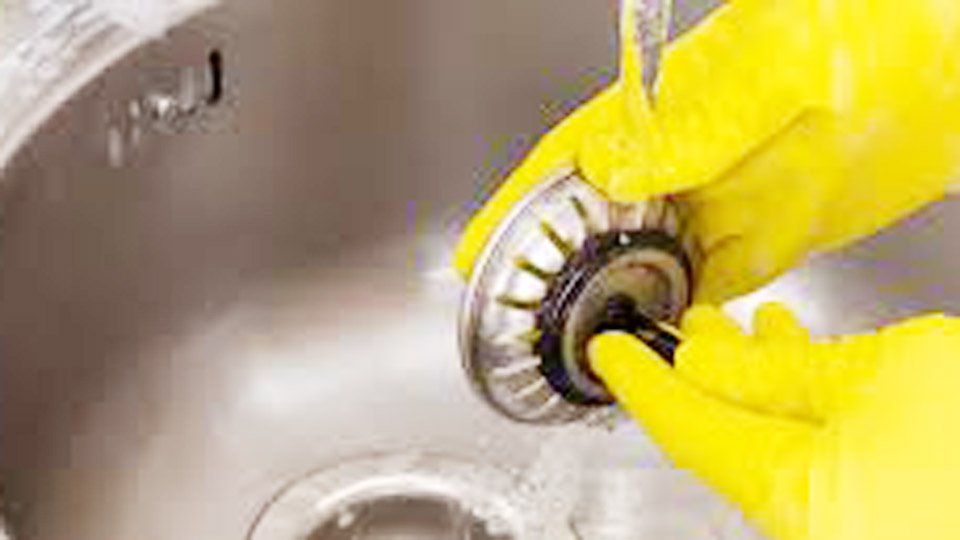
Soak in Hot Soapy Water: Fill a sink or bucket with hot water and a squirt of dish soap. Submerge the coils for 15–20 minutes to loosen grease. For stubborn grime, add a cup of white vinegar to the mix—it’s a natural degreaser.
Scrub Gently: Use a soft sponge or brush to scrub the coils. Focus on blackened spots but avoid metal scouring pads, which can scratch the coils and make them less efficient.
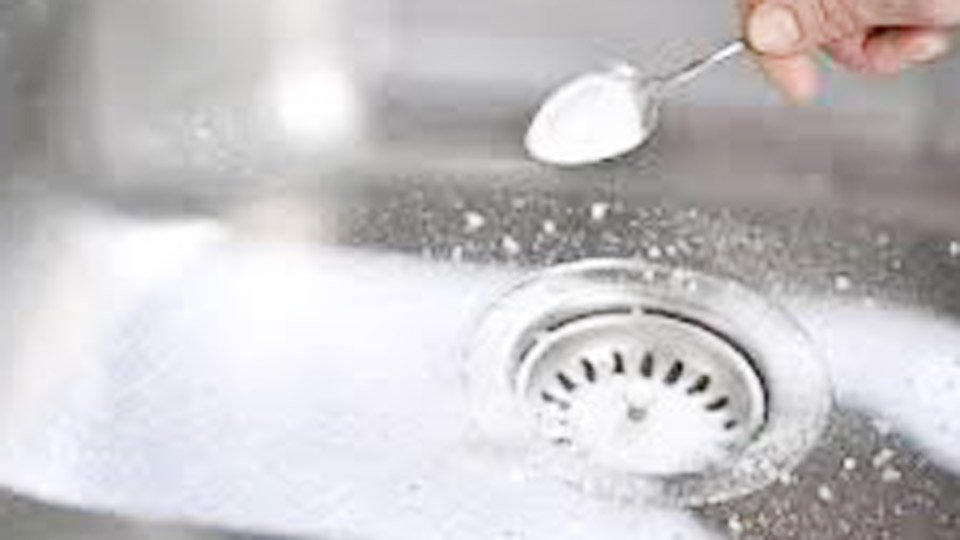
Tackle Tough Stains with Baking Soda: For caked-on gunk, make a paste with baking soda and water. Apply it to the coils, let it sit for 10 minutes, then scrub lightly. The paste lifts stains without harsh chemicals.
Rinse Thoroughly: Rinse the coils under warm water to remove all soap and baking soda residue. Any leftover residue can smoke when heated.
Dry Completely: Use a microfiber cloth or towel to dry the coils thoroughly. Moisture left on the prongs can cause electrical issues or rust.
Clean the Drip Pans: While the coils soak, scrub the drip pans (those metal trays under the coils) with the same soapy water and vinegar mix. They often collect the worst grease.
Reinstall the Coils: Once dry, plug the coils back into their sockets. Ensure they’re secure but don’t force them—misaligned coils can short-circuit.
Test the Stove: Plug in the stove or turn the breaker back on. Test each coil briefly to ensure it heats evenly.
Common Mistakes to Avoid
Cleaning While Hot: Always wait for the stove to cool. I once tried to “speed things up” and ended up with a minor burn.
Using Harsh Abrasives: Steel wool or metal brushes can damage the coils’ coating, leading to rust or uneven heating.
Leaving Moisture: Wet coils can spark or corrode. Dry them thoroughly before reinstalling.
Skipping the Drip Pans: Dirty drip pans can transfer grease back to clean coils, undoing your work.
Pro Tips from Experience
Weekly Wipe-Downs: After cooking, give the coils a quick wipe with a damp cloth to prevent buildup. It takes 30 seconds and saves you from deep cleaning too often.
Use Vinegar for Shine: A final wipe with a vinegar-soaked cloth gives coils a polished look.
Check for Damage: If a coil looks warped or doesn’t heat evenly after cleaning, it might need replacing. They’re usually $10–$20 at hardware stores.
Comparing Cleaning Products for Burner Coils
Here’s a quick comparison of cleaning solutions I’ve used, based on effectiveness, cost, and eco-friendliness.
| Product/Solution | Pros | Cons | Best For |
|---|---|---|---|
| Dish Soap (e.g., Dawn) | Cuts grease fast, affordable, widely available | May need elbow grease for tough stains | Everyday cleaning |
| White Vinegar | Eco-friendly, natural degreaser, adds shine | Strong smell, less effective on heavy char | Eco-conscious cleaners |
| Baking Soda Paste | Non-toxic, lifts stubborn stains, gentle | Takes time to work, messy to apply | Deep cleaning |
| Commercial Degreasers (e.g., Easy-Off) | Super fast on heavy grease, minimal scrubbing | Harsh chemicals, not eco-friendly | Tough, caked-on messes |
DIY vs. Commercial Cleaners
I lean toward DIY solutions like dish soap and vinegar because they’re safe for kids and pets, plus they’re cheap. A $2 bottle of vinegar lasts months. Commercial degreasers work faster but can irritate skin and lungs, so use them in a well-ventilated area with gloves. For eco-friendly folks, stick with vinegar and baking soda—same results, less environmental impact.
Eco-Friendly Cleaning Options
If you’re trying to keep things green, you’ve got solid options. Vinegar and baking soda are my go-tos—they’re natural, effective, and safe. Another trick is to use lemon juice mixed with water for a fresh scent while degreasing. Avoid overusing commercial sprays, which often contain chemicals like ammonia that aren’t great for the planet or your lungs.
Safety Precautions
- Ventilation: Open a window or turn on the exhaust fan, especially if using commercial cleaners.
- Gloves: Wear rubber gloves to protect your hands from grease or harsh chemicals.
- Child Safety: Keep kids and pets away from the cleaning area. I once had a toddler grab a soapy sponge mid-clean—chaos ensued.
- Electrical Safety: Always unplug the stove or turn off the breaker. Water and electricity don’t mix.
Maintaining Clean Burner Coils
Once your coils are sparkling, keeping them that way is easy with a little routine. Here’s what I do in my kitchen:
- Daily Habit: Wipe coils with a damp cloth after they cool to catch spills early.
- Drip Pan Liners: Use aluminum foil liners under drip pans for easy cleanup (just replace when dirty). Check your stove’s manual first—some models don’t recommend foil.
- Inspect Monthly: Look for signs of damage or heavy buildup. A quick soak every month prevents marathon cleaning sessions.
- Avoid Overflows: Use appropriately sized pots to minimize spills. I learned this after a lasagna sauce disaster that took hours to clean.
Quick Fix for Sudden Spills
If you spill something mid-cooking (like soup or grease), turn off the burner, let it cool slightly, and blot with a damp cloth. Don’t scrub hot coils—it’s unsafe and ineffective. Once cool, a quick soap-and-water wipe usually does the trick.
Real-Life Cleaning Anecdotes
Last summer, I helped a client whose burner coils were so crusted with grease they smoked every time she cooked. She was embarrassed, thinking it was a lost cause, but we tackled it together. A 20-minute soak in hot soapy water with vinegar, followed by a baking soda scrub, made those coils look nearly new. She was thrilled, and it reminded me how satisfying a clean stove can be.
Another time, I forgot to dry a coil properly before reinstalling it, and it sparked when I turned on the stove—scary! Now I’m obsessive about drying every inch.
Conclusion: Clean Coils, Happy Kitchen
Cleaning your burner coils isn’t just a chore—it’s a game-changer for your kitchen’s safety, efficiency, and vibe. With a few simple tools like dish soap, vinegar, and a sponge, you can transform grimy coils into shiny, functional ones in under an hour.
By following the steps above, avoiding common mistakes, and adopting a quick weekly wipe-down habit, you’ll save time, prevent hazards, and make cooking more enjoyable. Keep a small spray bottle of vinegar and water near your stove for quick cleanups—it’s a lifesaver for busy nights.
FAQ: Common Questions About Cleaning Burner Coils
How often should I clean my burner coils?
For daily cooks, wipe down coils weekly and deep clean monthly. If you cook less often, check them every couple of weeks and deep clean as needed.
Can I use steel wool to clean burner coils?
Avoid steel wool—it can scratch the coils, leading to rust or uneven heating. Use a soft sponge or brush instead.
What if my coils still look stained after cleaning?
Some stains are permanent, especially on older coils. If they heat evenly and don’t smoke, they’re fine. If not, consider replacing them.
Are there cleaners I should avoid?
Skip ammonia-based or abrasive cleaners. They can damage coils or leave harmful residues that burn off during cooking.
Can I clean burner coils in the dishwasher?
No, dishwashers can damage the coils’ electrical components and cause rust. Stick to hand-cleaning with soap and water.