I hopped into my car with a cup of coffee in hand, and—you guessed it—half of it ended up on the seat instead of in my mouth. If you’ve ever dealt with spills, food crumbs, or just the everyday grime that seems to sneak into car seats, you know how frustrating it can be.
That’s exactly why I started wondering, How to Clean Car Upholstery with Carpet Cleaner? Keeping your seats fresh isn’t just about appearances; it’s also about hygiene, preventing odors, and making your car a space you actually enjoy driving.
I’ve been through my fair share of messy mishaps, and over time I’ve found a few tricks that really make a difference. Let me walk you through what’s worked for me so you can tackle those stains without stress.
Image by kaercher
Why Use a Carpet Cleaner for Car Upholstery?
You might be wondering, “Why a carpet cleaner? Isn’t that for rugs?” I thought the same thing at first, but here’s the deal: carpet cleaners are designed to deep-clean fabric, and car upholstery is just another type of fabric. These machines use water, cleaning solution, and suction to lift dirt and stains, leaving your seats fresh and clean.
Unlike scrubbing by hand, a carpet cleaner does the heavy lifting, saving you time and effort. Plus, it’s great for tackling tough stains like grease or juice that seem impossible to remove.
Carpet cleaners are also versatile. Many models are portable, making them perfect for car interiors. They’re gentle on most upholstery fabrics, and you can control the amount of water and solution to avoid soaking your seats. Trust me, once you try this method, you’ll wonder why you didn’t start sooner.
Tools and Materials You’ll Need
Before we dive into the cleaning process, let’s gather everything you need. I like to have all my supplies ready so I can focus on the task. Here’s what I use:
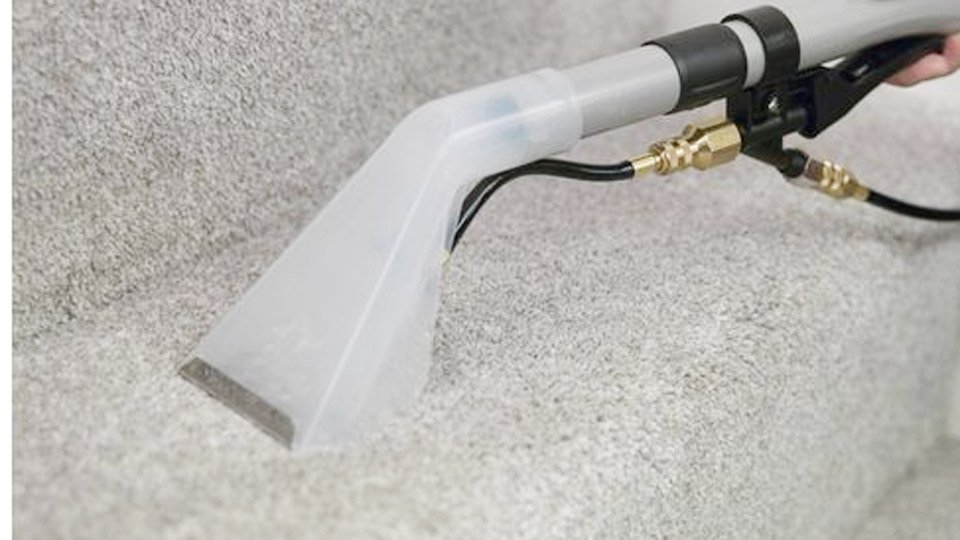
- Carpet cleaner: A compact, portable model works best for cars. I use a small upholstery attachment for tight spaces.
- Upholstery cleaning solution: Choose one safe for car fabrics. Check the label to ensure it’s compatible.
- Vacuum cleaner: To remove loose dirt and debris before cleaning.
- Soft-bristled brush: For scrubbing stubborn stains.
- Microfiber cloths: These are great for wiping down surfaces and drying.
- Bucket of water: For rinsing or diluting solutions if needed.
- Protective gloves: To keep your hands clean and safe from chemicals.
- Towels: For drying the upholstery after cleaning.
If you don’t own a carpet cleaner, don’t worry! You can rent one from a local hardware store or even borrow one from a friend. I rented one the first time I tried this, and it worked like a charm.
Step-by-Step Guide to Cleaning Car Upholstery with a Carpet Cleaner
Now, let’s get to the fun part—actually cleaning your car seats! I’ve broken this down into simple steps based on what’s worked for me. Follow along, and you’ll have clean upholstery in no time.
Step 1: Prepare Your Car
First things first, clear out your car. Remove any trash, floor mats, or personal items. I like to give the interior a quick vacuum to suck up loose dirt, crumbs, and pet hair. Pay special attention to the crevices of the seats where dirt loves to hide. This step makes the carpet cleaner’s job easier and prevents you from pushing dirt deeper into the fabric.
Also, check your car’s upholstery type. Most cars have fabric seats, but some have leather or vinyl. If you’re unsure, check your car’s manual. Carpet cleaners work best on fabric upholstery, so this guide focuses on that. For leather, you’ll need a different approach.
Step 2: Test Your Cleaning Solution
Before you go all-in, test the cleaning solution on a small, hidden area of your upholstery. I once skipped this step and ended up with a slightly faded spot—lesson learned! Mix the solution according to the instructions, apply a little to a corner of the seat, and wait a few minutes. If there’s no discoloration or damage, you’re good to go.
Step 3: Pre-Treat Stubborn Stains
Got any tough stains? I’ve dealt with everything from ketchup to muddy paw prints. Use a soft-bristled brush and a bit of cleaning solution to gently scrub these spots. Don’t go too hard—you don’t want to damage the fabric. Let the solution sit for a few minutes to break down the stain. This pre-treatment makes the carpet cleaner more effective.
Step 4: Set Up Your Carpet Cleaner
Fill your carpet cleaner’s tank with warm water and the recommended amount of cleaning solution. I always double-check the manufacturer’s instructions to get the mix right. Attach the upholstery tool, which is usually a small nozzle designed for furniture or car seats. If your machine has adjustable settings, use a low or medium suction setting to avoid over-wetting the fabric.
Step 5: Clean the Upholstery
Now, it’s time to clean! Start at the top of the seat and work your way down. I move the upholstery tool in slow, straight lines, overlapping each pass to ensure I don’t miss any spots. The machine sprays the cleaning solution and sucks up the dirty water, so you’ll see the grime coming out. It’s oddly satisfying to watch! Be patient and go over each section a couple of times for a deep clean.
For tight spots like seams or armrests, I use the edge of the tool to get in there. Don’t rush this part—taking your time ensures better results.
Step 6: Rinse and Dry
Some carpet cleaners have a rinse option, which uses plain water to remove any leftover cleaning solution. If your machine doesn’t, you can dampen a microfiber cloth with water and wipe down the seats. After that, use dry towels to blot the upholstery and soak up as much moisture as possible.
To speed up drying, I open all the car doors and windows to let air circulate. If it’s a sunny day, park your car in a well-ventilated spot. You can also use a fan or a hairdryer on a cool setting to help. It usually takes 4-6 hours for the seats to dry completely, depending on the weather.
Step 7: Inspect and Touch Up
Once the seats are dry, take a look at your work. I always feel like a proud parent when I see how clean my car looks! If you spot any remaining stains, repeat the pre-treatment and cleaning process for those areas. Sometimes, stubborn stains need a second round.
Tips for Best Results
Here are a few extra tips I’ve picked up along the way:
- Work in small sections: This prevents the cleaning solution from drying before you can suction it up.
- Don’t over-wet the fabric: Too much water can lead to mold or mildew. Use just enough solution to clean.
- Clean regularly: I try to deep-clean my car upholstery every 6 months to keep it looking fresh.
- Use a protectant: After cleaning, apply a fabric protectant spray to repel future stains.
Comparison: Carpet Cleaner vs. Other Methods
To give you a clearer picture, here’s a quick comparison of using a carpet cleaner versus other common methods for cleaning car upholstery:
| Method | Pros | Cons |
|---|---|---|
| Carpet Cleaner | Deep cleans, removes tough stains, easy to use | Requires equipment, drying time needed |
| Hand Scrubbing | Affordable, no special tools needed | Time-consuming, less effective |
| Professional Cleaning | Expert results, no effort required | Expensive, scheduling hassle |
| Steam Cleaner | Kills germs, eco-friendly | Can be tricky to use, may over-wet |
I’ve tried hand scrubbing and steam cleaning, but the carpet cleaner gives me the best balance of results and ease. It’s like having a mini professional cleaning service at home!
Common Mistakes to Avoid
I’ve made my fair share of mistakes while cleaning car upholstery, so let me save you some trouble:
- Using too much solution: This can soak the seats and cause mold. Stick to the recommended amount.
- Skipping the vacuum step: Loose dirt can get pushed deeper into the fabric if you don’t vacuum first.
- Not testing the cleaner: Always test on a small area to avoid damage.
- Rushing the drying process: Wet seats can develop a musty smell, so be patient.
FAQs About Cleaning Car Upholstery with a Carpet Cleaner
Can I use any carpet cleaner for car upholstery?
Yes, most carpet cleaners work for car upholstery, but choose a portable model with an upholstery attachment for best results. Always check that the cleaning solution is safe for your car’s fabric.
How long does it take to clean car upholstery with a carpet cleaner?
It depends on the size of your car, but I usually spend about 1-2 hours cleaning all the seats. Drying takes an additional 4-6 hours.
Will a carpet cleaner damage my car’s upholstery?
Not if you use it correctly! Test the solution first, avoid over-wetting, and follow the machine’s instructions to keep your upholstery safe.
Can I clean leather seats with a carpet cleaner?
Carpet cleaners are best for fabric upholstery. For leather, use a dedicated leather cleaner to avoid damage.
How often should I clean my car’s upholstery?
I recommend deep cleaning every 6-12 months, depending on how dirty your car gets. Regular vacuuming helps keep it in good shape between cleanings.
Conclusion
Cleaning your car upholstery with a carpet cleaner is one of the easiest and most effective ways to bring your seats back to life. I love how this method tackles tough stains and leaves my car smelling fresh without breaking the bank.
By following the steps I’ve shared—preparing your car, testing your solution, and taking your time with the cleaning process—you’ll get professional-level results at home. Plus, it’s kind of fun to see the dirt disappear!