I walked into my living room and spotted a dark mystery stain right in the middle of the carpet. No idea how it got there, but I knew ignoring it would only make things worse. That’s when I reminded myself why it’s so important to know how to clean deep carpet stains—they don’t just ruin the look of your space, they can also trap smells and grime you definitely don’t want hanging around.
I’ve wrestled with these stubborn spots plenty of times, and over the years I’ve figured out a few go-to tricks that actually work. Let me share them with you.
Image by sundry
Understanding Deep Carpet Stains
Deep carpet stains are those sneaky ones that go beyond the surface, embedding themselves into the padding or backing. Think red wine that soaks through after a party or pet urine that lingers with that unmistakable odor. From my hands-on days, I’ve seen how they differ from superficial marks – they’re tougher because the liquid or substance has had time to bond with the fibers.
You need to address them when they’ve set in for more than a day or if regular spot cleaning isn’t cutting it. In everyday US homes, especially with kids or pets, these pop up from common culprits like food drops in family rooms or tracked-in grime from garages. Delaying can worsen odors and attract pests, impacting indoor air quality – something I’ve learned the hard way after a client’s neglected juice stain turned musty.
Step-by-Step Identification Process
First, blot the area gently with a white cloth to see if color transfers – that’s your clue it’s deep-set. Then, sniff for odors; if it’s funky, it’s likely penetrated deep. Use a flashlight at an angle to check for discoloration below the surface fibers.
Common mistakes? Assuming all stains are the same and blasting them with harsh chemicals right away, which can set the stain further. Avoid that by testing a small area first. Pro tip from my toolkit: Always work from the outside in to prevent spreading.
Tools and Materials for Effective Stain Removal
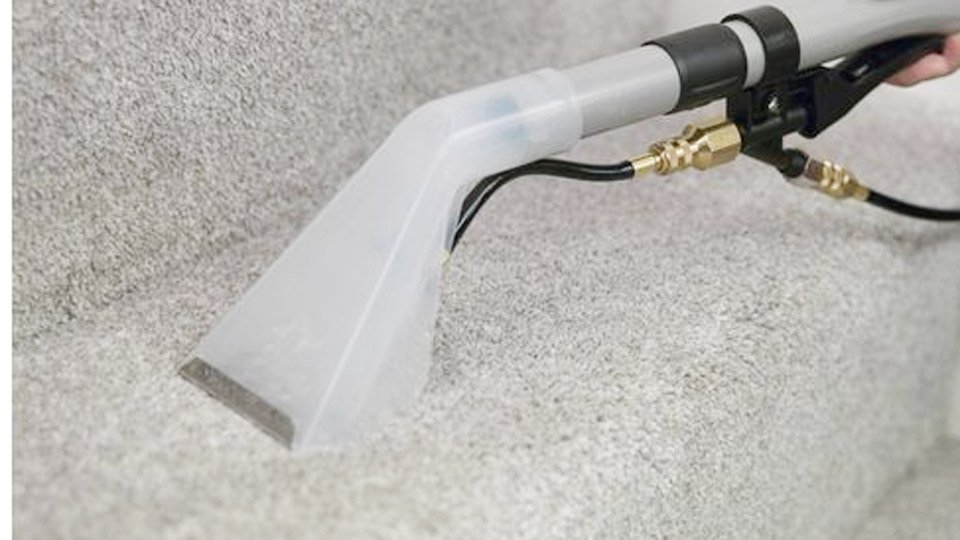
Gathering the right gear is half the battle. You’ll need basics like a soft-bristle brush, clean white towels, and a spray bottle. For deeper jobs, a carpet extractor or wet vac comes in handy – I’ve sworn by my old Bissell model for years.
Why these? They pull out embedded grime without damaging fibers. When? Before any cleaning session, especially for set-in stains from high-traffic areas like hallways in suburban homes.
Comparison of Cleaning Tools
Here’s a quick table to help you choose:
| Tool Type | Pros | Cons | Best For |
|---|---|---|---|
| Soft-Bristle Brush | Gentle on fibers, inexpensive | Requires more elbow grease | Light agitation on wool carpets |
| Carpet Extractor | Deep suction, efficient | Bulkier, pricier | Large areas with tough stains |
| Steam Cleaner | Sanitizes with heat | Can over-wet if not careful | Pet-related odors |
| DIY Sponge | Always available, eco-friendly | Less effective on deep spots | Quick fixes in apartments |
Pro tip: Opt for microfiber cloths over paper towels – they absorb better and leave no lint.
Safety Precautions with Tools
Always wear gloves to protect your skin, and ensure good ventilation by opening windows. I’ve had a few dizzy spells from fumes in stuffy rooms, so don’t skip this. For families with kids, store tools out of reach to avoid accidents.
Preparing Your Carpet for Deep Cleaning
Prep work sets you up for success. Start by vacuuming thoroughly to remove loose dirt – I always do a double pass in crisscross patterns.
Why prep? It prevents pushing surface debris deeper during cleaning. Needed before tackling any stain, especially in homes with shedding pets or during pollen season.
Step-by-Step Prep Guide
Clear the area of furniture first – enlist a family member if it’s heavy. Vacuum slowly, then spot-test your cleaner on an inconspicuous area. Wait 24 hours to check for color fading.
Mistakes to dodge: Skipping the vacuum, which muddies the stain. Or using too much water, leading to mildew. Shortcut: Use a fan to speed dry times post-prep.
Anecdote time: Once, in a client’s bustling kitchen, I forgot to move a rug and ended up with uneven cleaning. Lesson learned – always clear the deck.
Step-by-Step Guide to Removing Deep Stains
Alright, let’s get to the heart of it. For how to clean deep carpet stains, begin with blotting excess liquid if fresh, then apply your solution.
What is this process? It’s a methodical extraction to lift the stain without harming the carpet. Do it when DIY spot treatments fail.
Detailed Cleaning Steps
Step one: Blot with a clean cloth – press, don’t rub. Step two: Mix a solution (more on that below) and spray lightly. Step three: Agitate gently with a brush in circular motions. Step four: Rinse with cool water via sponge. Step five: Blot dry and vacuum once set.
Common pitfalls: Rubbing vigorously, which frays fibers. Or over-saturating, causing shrinkage. Pro tip: Work in sections for large stains, like those from spilled soda at kids’ parties.
Choosing the Right Cleaning Solution
Go for enzyme-based cleaners for organic stains or oxygen boosters for others. DIY alternative: Vinegar and water mix – I’ve used it countless times on budget jobs.
Eco-friendly options? Baking soda pastes or plant-based sprays. Safety: Test for allergies, and never mix bleach with ammonia.
Natural and DIY Stain Removal Methods
Not everyone wants store-bought stuff. Natural methods use household items like baking soda for absorption or club soda for fizzing out stains.
Why opt for these? They’re cost-effective and gentler on sensitive skins in family homes. When? For mild deep stains or eco-conscious households.
DIY Recipes and Applications
For a basic one: Mix one part vinegar, two parts water, add a dash of dish soap. Spray, let sit 10 minutes, blot. For tougher ones, sprinkle baking soda, vacuum after drying.
Mistakes: Using too much vinegar on colored carpets – it can fade dyes. Avoid by diluting properly. Tip: Add essential oils for a fresh scent without chemicals.
I recall a rainy afternoon when my dog’s muddy paws left tracks everywhere. A quick baking soda scrub saved the day without harsh smells lingering.
Handling Specific Types of Deep Carpet Stains
Stains vary by source. Pet urine needs enzymes to break down proteins, while red wine calls for salt absorption first.
Why differentiate? Each reacts differently to treatments. Needed for targeted cleaning in US homes with diverse messes, from BBQ sauce in backyards to ink from home offices.
Pet Stains: A Common Challenge
What: Urine or vomit soaking deep. Step-by-step: Blot, apply enzyme cleaner, let dwell 15 minutes, rinse. Mistakes: Using steam, which sets odors. Pro: Black light to find hidden spots – game-changer in my experience.
Food and Beverage Stains
Coffee or juice? Blot, then use a detergent mix. For wine: Cover with salt overnight. Avoid heat on these, as it bonds the stain. Tip: Club soda for fresh spills – bubbles lift it right up.
Table for quick reference:
| Stain Type | Best Method | DIY Alternative | Pro Tip |
|---|---|---|---|
| Pet Urine | Enzyme Cleaner | Vinegar Solution | Use UV Light |
| Red Wine | Salt Absorption | Baking Soda Paste | Act Fast |
| Grease | Dish Soap | Cornstarch Rub | Blot Gently |
| Ink | Rubbing Alcohol | Hairspray Dab | Test First |
Mud and Dirt Tracks
Common in entryways. Vacuum dry mud first, then shampoo. Mistake: Wetting too soon spreads it. Shortcut: Preventive mats at doors.
Professional vs. DIY Approaches
Sometimes, DIY isn’t enough. Pros use industrial extractors for severe cases.
Pros of DIY: Cheap, immediate. Cons: Time-consuming, risk of damage. Pros of professional: Thorough, warranty-safe. Cons: Costly.
When to call pros? For antique carpets or widespread staining. In my career, I’ve referred clients when stains covered entire rooms after floods.
Eco note: Many pros now offer green services – ask for them.
Preventing Future Deep Carpet Stains
Prevention beats cure. Regular vacuuming twice weekly keeps dirt from settling deep.
Why? Maintains hygiene and extends carpet life. Essential in high-traffic US homes with open floor plans.
Maintenance Tips and Habits
Place doormats at entrances, enforce no-shoes rules. Spot clean spills immediately. Anecdote: After a family gathering spill fest, I started using area rugs over carpets – easier to clean.
Quick fixes: Keep a stain kit handy with essentials. Safety: Teach kids spill response to avoid chaos.
Pro tip: Scotchgard treatments post-cleaning – I’ve seen them repel stains like magic.
Eco-Friendly and Safe Cleaning Practices
Going green? Use biodegradable cleaners and natural fibers brushes.
Why? Reduces chemical exposure for families. When? Always, but especially in homes with asthmatics.
Safety reminders: Ventilate, use gloves, keep pets away during drying. Child safety: Lock up supplies.
DIY eco mix: Lemon juice for brightening, but dilute to avoid acidity damage.
Conclusion
Wrapping this up, friend, you’ve now got the full scoop on how to clean deep carpet stains – from spotting them early to banishing them for good with steps that save your sanity and your carpet. By following these methods, you’ll clean faster by prepping smartly, smarter with targeted solutions, and safer with those ventilation and glove habits. Always blot, never rub – it’s the golden rule that’s saved me more headaches than I can count. Now go tackle that stain with confidence!
FAQ’s
What Causes Deep Carpet Stains to Set In So Quickly?
Deep stains set fast because liquids absorb into fibers and padding, especially on porous carpets. Act within minutes by blotting and applying a neutralizer to prevent bonding.
Can I Use Household Items to Remove Old Carpet Stains?
Absolutely – try a baking soda and vinegar paste for old spots. Let it fizz, scrub lightly, and vacuum. It’s worked wonders on my own faded stains from years ago.
Is It Safe to Steam Clean Deep Stains Myself?
Yes, but only after testing and ensuring no over-wetting. Use low moisture settings and dry thoroughly with fans to avoid mold – a lesson from a soggy job I once botched.
How Often Should I Deep Clean My Carpets to Prevent Stains?
Aim for every 12-18 months in average homes, more if pets or kids are involved. Regular maintenance like vacuuming weekly keeps minor issues from becoming deep problems.
What If the Stain Won’t Come Out After Trying Everything?
If DIY fails, call a pro – they have tools for extraction that go beyond home methods. Don’t force it, as it could damage fibers further.