My toddler decided my cream-colored couch was the perfect canvas for her blueberry smoothie. The stain was glaring, and the panic was real—especially since I didn’t own a steam cleaner. As a busy parent, I needed a way to clean my furniture without a steam cleaner that was effective, safe, and didn’t break the bank. After some trial and error (and a few YouTube tutorials), I discovered practical, budget-friendly methods that worked wonders.
If you’re a homeowner, renter, or parent staring down a stained sofa or dusty armchair, this guide is for you. I’ll walk you through how to clean furniture without a steam cleaner, using simple tools and ingredients you likely already have at home.

Image by orderoo
Keeping your furniture clean isn’t just about aesthetics—it’s about creating a healthy, comfortable space for your family. Dust, pet dander, and spills can harbor allergens, affect air quality, and make your home feel less inviting. Plus, with kids or pets, accidents are inevitable.
You don’t need fancy equipment to restore your furniture to its former glory. Let’s dive into the best methods, tips, and safety precautions to keep your upholstery fresh and your home welcoming.
Why Cleaning Furniture Without a Steam Cleaner Matters
Furniture is the heart of our homes—where we relax, entertain, and make memories. But it’s also a magnet for dirt, spills, and odors. For parents, renters, or anyone with pets, maintaining clean upholstery is crucial for hygiene and longevity. Dirty furniture can harbor bacteria, dust mites, and allergens, which can trigger asthma or allergies, especially in kids. Plus, a clean couch just feels better to sink into after a long day.
Steam cleaners are great, but they’re expensive, bulky, and not always safe for delicate fabrics like silk or velvet. The methods I’ll share are affordable, accessible, and safe for most furniture types, making them perfect for busy American households. Whether you’re tackling a wine spill, pet hair, or just everyday grime, these techniques will help you keep your furniture looking and feeling fresh without specialized equipment.
Before You Start: Know Your Furniture’s Fabric
The first step to cleaning furniture without a steam cleaner is understanding your furniture’s fabric. Not all upholstery is created equal, and using the wrong method can damage it. Check the care tag, usually tucked under a cushion or along a seam. Here’s what the common cleaning codes mean:
- W: Water-based cleaners are safe (e.g., dish soap and water).
- S: Use solvent-based cleaners only (e.g., rubbing alcohol or dry-cleaning solutions).
- WS: Both water- and solvent-based cleaners are safe.
- X: Vacuum only; no liquid cleaners allowed.
If there’s no tag, test any cleaning solution on a hidden spot, like the back or underside of the furniture, to ensure it doesn’t discolor or damage the fabric. This small step can save you from a costly mistake.
How to Identify Your Fabric Without a Tag
No tag? No problem. Here’s a quick guide to common upholstery fabrics:
- Microfiber: Soft, durable, and stain-resistant. Usually safe with water-based cleaners.
- Cotton or Polyester Blends: Common in budget-friendly furniture. Often safe with water or mild soap.
- Velvet or Velour: Delicate and prone to watermarks. Stick to dry methods or professional cleaning.
- Leather: Requires specific leather cleaners or mild soap solutions.
If you’re unsure, err on the side of caution and use minimal liquid or consult a professional for delicate fabrics.
Method 1: Vacuuming for a Dust-Free Foundation
Before tackling stains or odors, start with a good vacuum. Dust, pet hair, and debris can make cleaning harder if left on the surface. Plus, vacuuming prevents you from rubbing dirt deeper into the fabric during cleaning.
Step-by-Step Vacuuming Guide
- Remove Cushions and Pillows: Take off any removable parts to access all areas.
- Use the Right Attachment: A vacuum with an upholstery or crevice tool works best. I love my handheld vacuum for tight spots.
- Vacuum Slowly: Work in small sections, moving from top to bottom to avoid pushing dirt around.
- Get into Crevices: Use the crevice tool to clean seams and corners where dust loves to hide.
- Vacuum Both Sides: For removable cushions, vacuum both sides to ensure no pet hair or crumbs are left behind.
Pro Tip: Brush First for Pet Hair
If you have pets, use a lint roller or a rubber pet hair brush before vacuuming. It loosens stubborn fur, making vacuuming more effective. I learned this the hard way after my golden retriever left a furry masterpiece on my sofa.
Method 2: Spot Cleaning with Vinegar and Water
For everyday stains like coffee, juice, or food, a vinegar solution is a game-changer. It’s natural, affordable, and safe for most fabrics labeled “W” or “WS.” Here’s how I tackled that blueberry smoothie disaster.
What You’ll Need
- 1 cup white vinegar
- 1 cup warm water
- Spray bottle or bowl
- Clean microfiber cloth
- Soft brush (optional)
Steps to Spot Clean
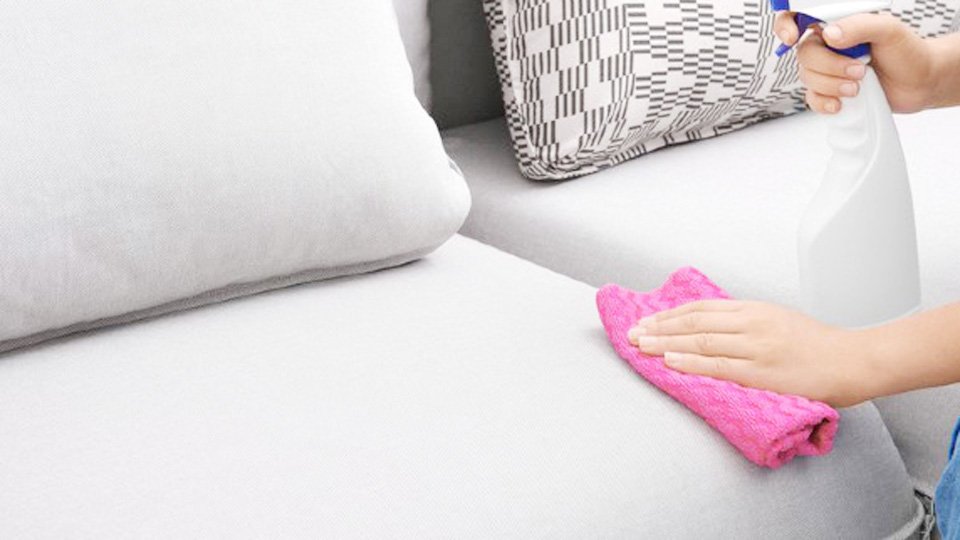
- Mix the Solution: Combine equal parts white vinegar and warm water in a spray bottle or bowl.
- Test First: Spray or dab a small amount on a hidden area. Wait 5 minutes to ensure no discoloration.
- Apply to Stain: Lightly spray the stain or dip a microfiber cloth in the solution and dab (don’t soak) the affected area.
- Let It Sit: Allow the solution to work for 5–10 minutes to break down the stain.
- Blot, Don’t Rub: Use a clean microfiber cloth to blot the stain gently. Rubbing can spread it or damage the fabric.
- Dry Thoroughly: Wipe with a damp cloth to remove excess vinegar, then blot with a dry towel. Let it air dry completely.
When to Use This Method
This works best for fresh stains like food, drinks, or mud. For tougher stains like grease or ink, you may need a stronger solution (see Method 4).
Safety Warning
Avoid over-wetting the fabric, as excess moisture can lead to mold or mildew. If your furniture has an “S” or “X” code, skip this method and try a dry solution instead.
Method 3: Baking Soda for Odors and Light Stains
Baking soda is my go-to for tackling odors and light stains. It’s a lifesaver for pet smells or that musty scent that creeps into furniture over time. Plus, it’s cheap and safe for most fabrics.
What You’ll Need
- Baking soda
- Vacuum with upholstery attachment
- Soft brush or sponge
- Optional: Essential oil (like lavender) for a fresh scent
Steps to Deodorize and Clean
- Sprinkle Generously: Cover the furniture (or just the smelly/stained areas) with a thin layer of baking soda. For extra freshness, mix a few drops of essential oil with the baking soda first.
- Let It Sit: Allow the baking soda to sit for at least 1 hour, or up to 12 hours for stubborn odors.
- Brush Lightly: Use a soft brush to work the baking soda into the fabric, especially on stained areas.
- Vacuum It Up: Vacuum thoroughly to remove all the baking soda, leaving your furniture fresh and clean.
Real-Life Scenario
When my dog decided my ottoman was his new nap spot, it started smelling like wet fur. I sprinkled baking soda, let it sit overnight, and vacuumed it the next morning. The odor was gone, and the ottoman looked brighter too.
Do’s and Don’ts
- Do: Test on a small area first, especially on delicate fabrics.
- Don’t: Use on leather or fabrics labeled “X,” as baking soda can be abrasive.
Method 4: Rubbing Alcohol for Tough Stains
For grease, ink, or wine stains, rubbing alcohol (isopropyl alcohol) is a powerful solvent that’s safe for “S” or “WS” fabrics. It evaporates quickly, reducing the risk of watermarks.
What You’ll Need
- Rubbing alcohol (70% or higher)
- Clean white cloth
- Cotton swabs (for small stains)
- Distilled water
- Microfiber cloth
Steps to Remove Tough Stains
- Test First: Dab a small amount of rubbing alcohol on a hidden spot. Wait 5 minutes to check for damage.
- Apply Sparingly: Dip a white cloth or cotton swab in rubbing alcohol and gently dab the stain. Work from the outside in to avoid spreading.
- Blot and Repeat: Blot with a clean cloth to lift the stain. Repeat until the stain is gone.
- Rinse and Dry: Wipe the area with a cloth dampened with distilled water to remove any residue, then blot dry.
Real-Life Scenario
A guest spilled red wine on my dining chair during a dinner party. I grabbed rubbing alcohol, dabbed the stain, and watched it disappear in minutes. A quick wipe with distilled water, and the chair was good as new.
Safety Warning
Use rubbing alcohol in a well-ventilated area, as the fumes can be strong. Avoid using on “W” or “X” fabrics, as it may cause damage.
Method 5: Dish Soap for General Cleaning
For an all-over clean, a mild dish soap solution works wonders on “W” or “WS” fabrics. It’s gentle yet effective for removing dirt and grime.
What You’ll Need
- 1 teaspoon mild dish soap (like Dawn)
- 2 cups warm water
- Clean sponge or cloth
- Bucket or bowl
- Dry towel
Steps for a Full Clean
- Mix the Solution: Combine dish soap and warm water in a bucket or bowl.
- Test First: Apply a small amount to a hidden area and check for damage.
- Dab, Don’t Soak: Dip a sponge or cloth in the solution, wring it out well, and dab the furniture in small sections.
- Work in Patterns: Clean from top to bottom, using overlapping strokes to cover every inch.
- Rinse and Dry: Wipe with a damp cloth to remove soap residue, then blot dry with a towel. Open windows or use a fan to speed up drying.
Pro Tip
For microfiber furniture, this method is especially effective. I use it on my living room sofa every few months, and it always looks refreshed.
Method 6: DIY Steam Cleaning Hack
If you love the idea of steam cleaning but don’t have a steam cleaner, you can mimic the effect using a household iron or a boiling water trick. This method is best for “W” or “WS” fabrics.
What You’ll Need
- Iron with a steam setting or a pot of boiling water
- Clean microfiber cloth or towel
- Optional: White vinegar
Steps for the Iron Method
- Fill the Iron: Add water (or a 1:1 water-vinegar mix) to the iron’s reservoir.
- Set to Steam: Turn on the steam setting and let the iron heat up.
- Cover with a Cloth: Place a clean microfiber cloth over the stained area.
- Steam Gently: Hover the iron over the cloth, releasing steam for 5–10 seconds. Don’t press the iron directly onto the fabric.
- Blot and Dry: Blot the area with a dry cloth and let it air dry.
Steps for the Boiling Water Method
- Boil Water: Fill a saucepan with water and bring it to a boil.
- Wrap a Lid: Cover the saucepan lid with a clean towel, securing it tightly.
- Apply Heat: Hold the towel-wrapped lid over the stained area to release steam. Move it slowly to avoid soaking the fabric.
- Blot and Dry: Wipe with a dry cloth and let it air dry.
Safety Warning
Be cautious with hot steam to avoid burns. Never use this method on “S” or “X” fabrics, as heat and moisture can cause damage.
Cleaning Different Furniture Types
Each type of furniture requires a tailored approach. Here’s a quick guide:
Microfiber Sofas
- Best Method: Dish soap solution or vinegar for stains; baking soda for odors.
- Tip: Use a soft brush to restore the fabric’s texture after cleaning.
Leather Chairs
- Best Method: Mild soap solution or a dedicated leather cleaner.
- Tip: Condition with flaxseed oil and vinegar after cleaning to prevent drying out.
Velvet or Delicate Fabrics
- Best Method: Vacuum only or use a dry powder cleaner like Capture for “S” or “X” fabrics.
- Tip: Call a professional for stubborn stains to avoid watermarks.
Outdoor Furniture
- Best Method: Dish soap solution for cushions; vinegar for mildew.
- Tip: Check if cushions are machine-washable for easier cleaning.
Table: Cleaning Methods by Fabric Type
| Fabric Type | Best Cleaning Method | Avoid |
|---|---|---|
| Microfiber | Dish soap, vinegar, baking soda | Harsh solvents |
| Leather | Mild soap, leather cleaner | Excess water, alcohol |
| Velvet/Velour | Vacuum, dry powder cleaner | Water, steam |
| Cotton/Polyester | Dish soap, vinegar, rubbing alcohol | Bleach, abrasive brushes |
Maintenance Tips to Keep Furniture Clean
Prevention is easier than cleaning. Here are my top tips to maintain your furniture:
- Vacuum Weekly: Regular vacuuming prevents dust buildup.
- Use Throws or Covers: Blankets or slipcovers protect high-traffic areas, especially if you have pets or kids.
- Act Fast on Spills: Blot spills immediately to prevent stains from setting.
- Rotate Cushions: Flip or rotate cushions monthly to distribute wear evenly.
- Avoid Direct Sunlight: Sunlight can fade fabrics, so use curtains or blinds to protect furniture.
When to Call a Professional
While DIY methods are great, some situations call for expert help:
- Delicate fabrics like silk or antique upholstery
- Stubborn stains (e.g., blood, ink, or grease that won’t budge)
- Persistent odors that baking soda can’t eliminate
- Furniture with an “X” cleaning code
Professional cleaners have specialized tools and solutions that can tackle tough jobs without risking damage. If you’re in doubt, it’s worth the investment to preserve your furniture.
Motivational Conclusion: Enjoy a Cleaner, Healthier Home
Cleaning your furniture without a steam cleaner is not only possible but also empowering. With simple ingredients like vinegar, baking soda, and dish soap, you can tackle stains, odors, and grime while keeping your home safe and healthy. These methods are budget-friendly, eco-friendly, and perfect for busy American households. Whether you’re a parent dealing with juice spills, a renter refreshing a secondhand couch, or a cleaning enthusiast aiming for a spotless home, you’ve got this.
Common Questions About Cleaning Furniture Without a Steam Cleaner
Can I use bleach to clean my furniture?
Bleach is too harsh for most upholstery and can cause discoloration or damage. Stick to gentler options like vinegar, dish soap, or rubbing alcohol, and always check the care tag first.
Is it safe to use vinegar on all furniture fabrics?
Vinegar is safe for “W” or “WS” fabrics but should be avoided on “S” or “X” fabrics, as it can cause damage. Always test on a hidden area and dilute with water for best results.
How do I remove pet hair from my couch?
Use a lint roller or rubber pet hair brush to loosen fur, then vacuum with an upholstery attachment. For stubborn hair, try a damp rubber glove to gather it up.
What should I never mix with cleaning solutions?
Never mix vinegar with bleach or hydrogen peroxide, as it can create toxic fumes. Stick to one cleaning solution at a time and rinse thoroughly between methods.
How often should I clean my furniture?
Vacuum weekly to remove dust and debris. Deep clean every 6–12 months, or sooner if you notice stains, odors, or heavy soiling. Act on spills immediately for best results.