I turned on my kitchen tap and noticed the water wasn’t flowing as smoothly as usual. At first, I thought it was just a little air in the line, but then it hit me—our PVC pipes probably needed a good cleaning. If you’ve ever wondered how to clean PVC water pipes in your house, trust me, you’re not alone.
Over time, mineral buildup, dirt, and even mold can sneak into the pipes, making your water less fresh and sometimes even affecting water pressure. I’ve dealt with this a couple of times, and while it sounds intimidating, it’s actually simpler than you might think once you know the right steps.
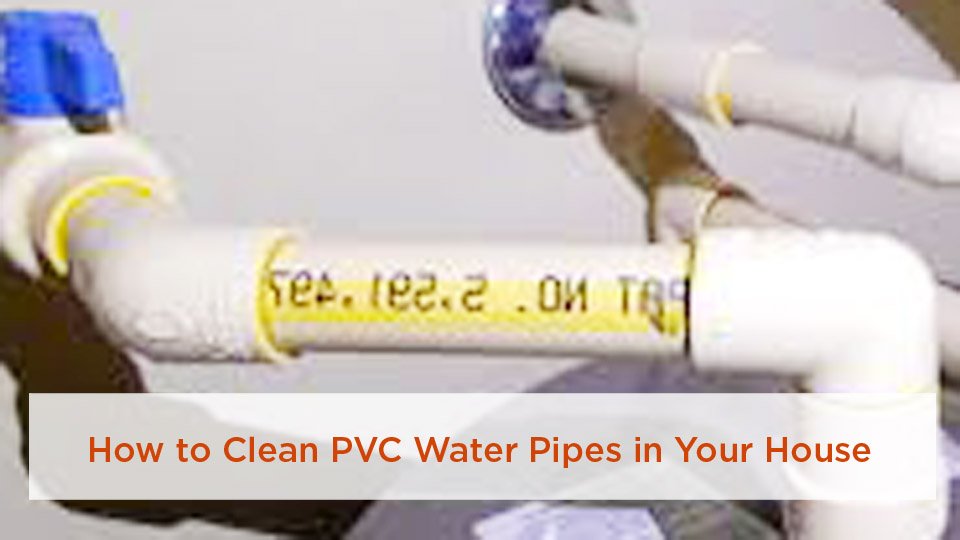
Image by howtolookatahouse
PVC Water Pipes in Your Home
PVC pipes are those white or gray plastic tubes you see under sinks or in basements, made from polyvinyl chloride. They’re lightweight, affordable, and resistant to corrosion, which is why they’re standard in most American homes built after the 1980s. Unlike older metal pipes, PVC doesn’t rust, but it can still get gunked up inside from everyday use.
You might need to clean them when you notice low water pressure, discolored water, or strange odors. In my experience, this happens more in households with well water or in areas with high mineral content, like parts of California or Texas. It’s not just about aesthetics; neglected pipes can harbor mold or bacteria, impacting hygiene for kids and pets.
From jobs I’ve done, cleaning PVC involves addressing both drain lines (for wastewater) and supply lines (for fresh water). Drain pipes clog from hair, grease, and debris, while supply pipes build up scale from hard water. Knowing the difference helps you target the right spots without wasting effort.
Signs Your PVC Pipes Need Cleaning
Ever turned on the tap and gotten a trickle instead of a gush? That’s a classic sign. Or maybe your water tastes off, like it’s been sitting in a musty bottle. I’ve dealt with this in older rentals where tenants hadn’t maintained the system—brownish water or a sulfur smell screaming for attention.
Why does this matter? For safety, unclean pipes can lead to backups that flood your home, or worse, contaminate your drinking water. Health-wise, bacteria buildup isn’t something you want in a busy family kitchen. And cost-wise, ignoring it means higher water bills from inefficient flow and potential plumber visits that could run $200 or more.
When to act: If drains gurgle, water backs up, or pressure drops in multiple fixtures, it’s time. In my cleaning routine for clients, I check this monthly in high-use homes, like those with teenagers who shower forever.
Tools and Materials You’ll Need for Cleaning PVC Pipes
Let’s talk gear. You don’t need fancy stuff; most of what I use comes from the hardware store or your pantry. Basic tools include a plunger, drain snake (that flexible coil thing), bucket, and gloves. For materials, grab baking soda, white vinegar, dish soap, and maybe an enzyme-based cleaner.
Here’s a quick comparison table of common cleaning products I’ve tested:
| Product Type | Pros | Cons | Best For |
|---|---|---|---|
| Chemical Drain Cleaners (e.g., liquid formulas with lye) | Fast-acting on tough clogs; widely available | Can damage PVC if overused; harsh fumes | Occasional deep clogs in drains |
| Enzyme Cleaners (biological formulas) | Eco-friendly; breaks down organic matter naturally | Slower results; needs time to work | Regular maintenance; safe for septic systems |
| DIY Baking Soda + Vinegar | Cheap, non-toxic; fizzing action loosens buildup | Not for severe blockages; messy | Everyday cleaning; eco-conscious homes |
| Bleach (diluted) | Kills bacteria; sanitizes effectively | Strong smell; must dilute to avoid pipe weakening | Sanitizing supply lines; post-clog clearing |
From experience, I always start with DIY options—they’re gentler on pipes and your wallet. Safety first: Wear rubber gloves to protect your skin, and ensure good ventilation to avoid inhaling fumes.
Step-by-Step Guide to Cleaning PVC Drain Pipes
Alright, let’s get into the nitty-gritty. I’ve unclogged countless kitchen and bathroom drains this way, so trust me, it’s straightforward.
First, what are drain pipes? These are the PVC lines carrying wastewater away—from sinks, showers, toilets. They need cleaning when clogs form from hair, food scraps, or soap residue.
Why and when: Do this if water pools in the sink or tub. It’s essential for hygiene, preventing mold growth that can affect air quality in humid US regions like the Southeast.
Step-by-step process:
Start by removing any visible debris from the drain opening—use tweezers or your gloved hand. I’ve pulled out hairballs that could fill a small pillow!
Next, boil some water (not too hot for PVC—aim for under 140°F to avoid warping). Pour it down slowly to soften buildup.
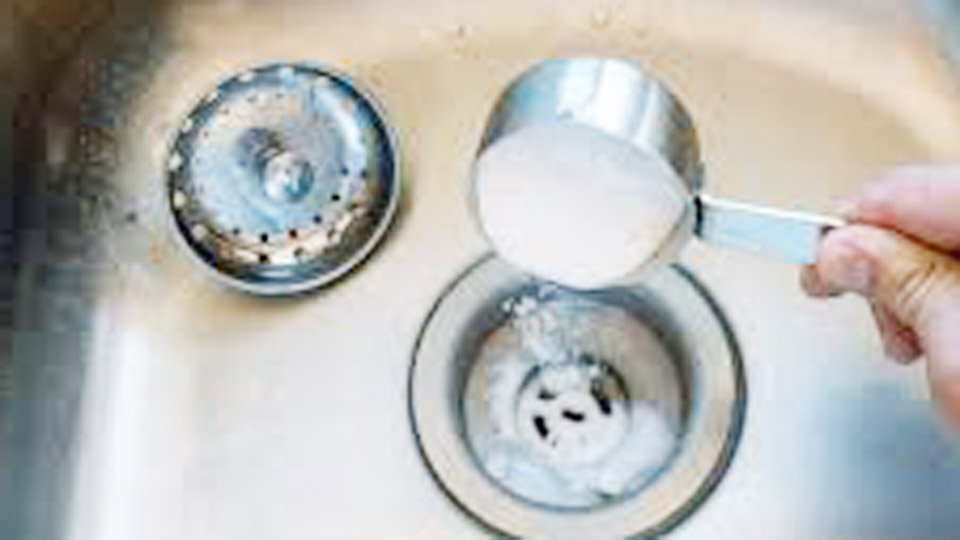
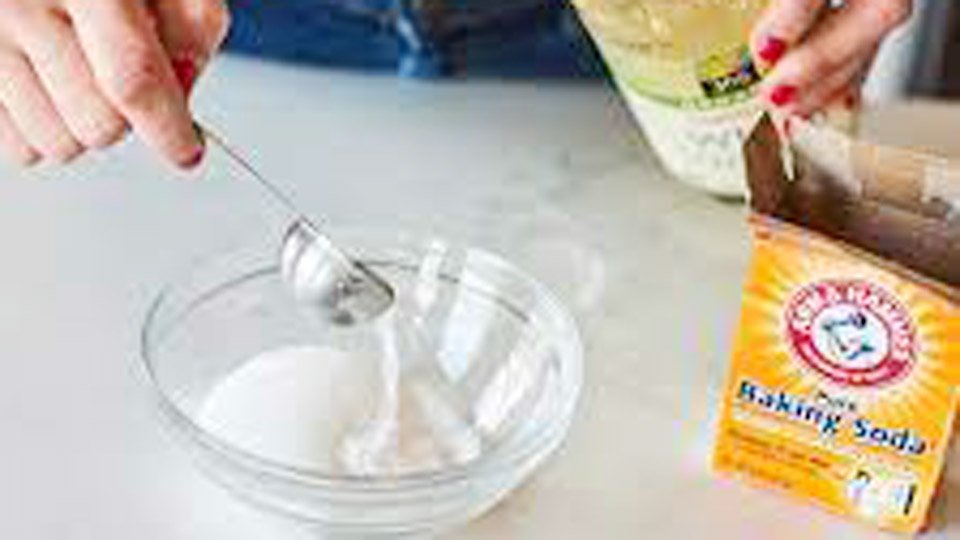
Then, dump in half a cup of baking soda, followed by a cup of vinegar. Let it fizz for 15-30 minutes. The reaction breaks down gunk without harsh chemicals.
Flush with hot water. If it’s still slow, insert a drain snake: Push it in gently, twist to grab the clog, and pull out. Repeat until clear.
Common mistakes: Pouring boiling water straight—I’ve seen it melt seals in older pipes. Avoid overusing chemicals; they can erode PVC over time. Instead, test a small area first.
Pro tips: For showers, remove the drain cover monthly and snake preemptively. In my jobs, this cuts clogs by half. Shortcut: Add dish soap to the hot water for greasy kitchen drains—it emulsifies fats like magic.
Natural and Eco-Friendly Ways to Clean PVC Pipes
I’m all about going green, especially with families who have allergies or pets. Natural methods use stuff like lemon juice, salt, or essential oils, avoiding synthetics.
What it is: These are homemade solutions that leverage acids and abrasives to scrub internally.
Why needed: For eco-conscious households, they reduce chemical runoff into US waterways. Plus, they’re safer around kids—no accidental spills leading to ER visits.
Step-by-step: For a basic clean, mix salt and baking soda (half cup each), pour down, then add hot vinegar. Wait an hour, flush.
For sanitizing, dilute bleach (1:10 with water) and let sit 10 minutes before rinsing—it’s effective against bacteria without harming PVC if used sparingly.
Mistakes to avoid: Don’t mix vinegar and bleach—creates toxic gas. I’ve learned that the hard way on a job; always ventilate!
Pro tips: Add citrus peels to the mix for a fresh scent. In arid areas like Arizona, where hard water is brutal, use citric acid powder weekly—it’s a game-changer for scale.
Anecdote: Once, in a client’s eco-home, we used enzymes on a stubborn clog. It took overnight, but no odors afterward—worth the wait for peace of mind.
How to Flush Your Entire House Water System
Sometimes, it’s not just one pipe—your whole system needs a refresh. This flushes supply lines, removing sediment or biofilm.
What it is: Opening all faucets to run water through, often after repairs or if water tastes off.
Why: Safety—stagnant water breeds bacteria. In homes on city water, like many in New York or LA, annual flushing prevents taste issues and maintains pressure.
Step-by-step: Turn off your water heater to avoid damage. Start at the highest faucet (upstairs bath), open hot and cold fully. Work downward, flushing toilets too. Run for 10-15 minutes per fixture.
For deeper clean, add a mild vinegar solution to the main line if accessible, but consult a pro if unsure.
Mistakes: Forgetting to replace filters afterward—I’ve seen clogs from dislodged debris. Don’t do this during peak use; plan for off-hours.
Pro tips: In well-water homes, shock with diluted bleach yearly. Shortcut: Use a garden hose attachment on outdoor spigots for extra flow.
Dealing with Hard Water Buildup in PVC Pipes
Hard water—packed with minerals like calcium—is a beast in places like the Midwest. It leaves scale inside pipes, reducing flow.
What it is: White, crusty deposits narrowing the pipe interior.
Why clean: Efficiency—scaled pipes make water heaters work harder, hiking energy bills. Health: Can trap contaminants.
Step-by-step: For accessible pipes, use a water ram (pulsing tool) or vinegar soak. Disconnect if possible, soak in vinegar overnight, scrub with a bottle brush.
For in-wall pipes, install a softener or use descaling agents periodically.
Mistakes: Ignoring it until pressure drops completely—prevention is key. Avoid abrasive tools that scratch PVC.
Pro tips: In my experience, a monthly vinegar flush in hard-water areas keeps things smooth. For pros, magnetic descalers are a low-effort add-on.
Sanitizing PVC Pipes for Safe Drinking Water
Sanitizing kills germs, crucial after contamination or long vacancies.
What it is: Using disinfectants to purify the interior.
Why: Hygiene—especially in families with immunocompromised members. In US rentals, it’s a must between tenants.
Step-by-step: Mix 1 teaspoon unscented bleach per gallon of water. Fill the system (turn off supply, pour into fixtures), let sit 12 hours, then flush thoroughly.
Mistakes: Using scented bleach—leaves residue. Not flushing enough; taste test after.
Pro tips: For quick fixes, hydrogen peroxide works too. Anecdote: Post-flood in a basement job, this method saved the day—no illnesses reported.
Common Mistakes and How to Avoid Them When Cleaning PVC Pipes
I’ve made plenty of slip-ups early on, like using too much force with a snake and cracking a joint. Avoid that by going slow.
Another: Mixing cleaners willy-nilly—stick to one method per session.
Overlooking ventilation: Fumes can build up; open windows, use fans.
Forgetting child safety: Keep supplies locked away; I’ve seen curious kids grab bottles.
Pro tip: Label your tools for plumbing only—avoids cross-contamination.
Maintenance Tips to Keep Your PVC Pipes Clean Longer
Prevention beats cure. Pour hot water weekly down drains to melt fats.
Use strainers in sinks—catches debris before it enters.
For supply lines, install filters at the main inlet.
In cold climates like the Northeast, insulate pipes to prevent freezing cracks that lead to buildup.
Quick fix: For smelly pipes, baking soda overnight does wonders.
From jobs, scheduling quarterly checks in family homes keeps issues at bay.
Safety Precautions for Cleaning PVC Pipes
Always prioritize safety. Gloves protect from irritants; goggles if using chemicals.
Ventilate—I’ve felt dizzy from poor air once; not fun.
Child and pet safety: Clean when they’re out, secure areas.
If pipes are old, test cleaners on a scrap piece.
Eco note: Dispose of waste properly—no pouring chemicals outside.
Conclusion
There you have it—everything I’ve picked up from years of scrubbing, snaking, and sanitizing PVC water pipes in homes just like yours. By following these steps, you’ll clean faster with simple tools, smarter by choosing eco options that fit your lifestyle, and safer by avoiding common pitfalls that could harm your family or pipes. Remember, consistency is key; a little maintenance goes a long way in keeping your water fresh and flowing.
After any clean, run your dishwasher or washing machine empty on hot—flushes the whole system and tests your work.
FAQ
How often should I clean my PVC water pipes?
It depends on your water quality and usage, but aim for every 3-6 months for drains and annually for supply lines. In hard-water areas, do it more frequently to prevent scale—I’ve found this rhythm works best for most US households.
Can I use Drano on PVC pipes?
Yes, but sparingly—it’s safe for occasional use if followed by lots of water. I prefer enzymes for regular cleans as they’re gentler and won’t eat away at the plastic over time.
What’s the best natural cleaner for PVC pipe clogs?
Baking soda and vinegar combo is my go-to. It’s effective, cheap, and fizzles away organic buildup without fumes. For tougher spots, add salt for abrasion.
Is it safe to drink water after cleaning pipes with bleach?
Absolutely, if you flush thoroughly—run water until no chlorine smell remains, about 20-30 minutes per faucet. I’ve done this in client homes and always test with a sip myself.
How do I clean PVC pipes without removing them?
Use pourable solutions like vinegar or enzyme cleaners, followed by flushing. For deeper reaches, a drain snake gets in there without disassembly—saves time on in-wall pipes.