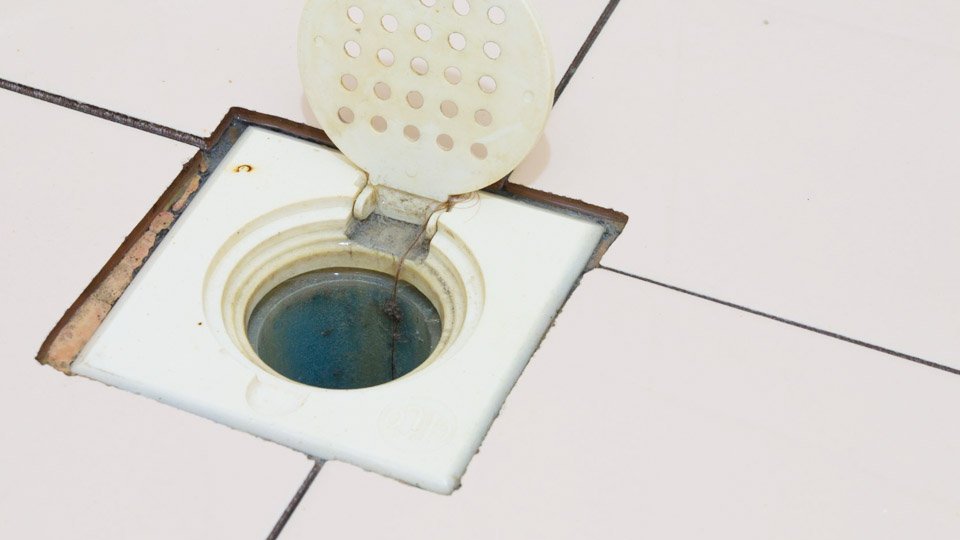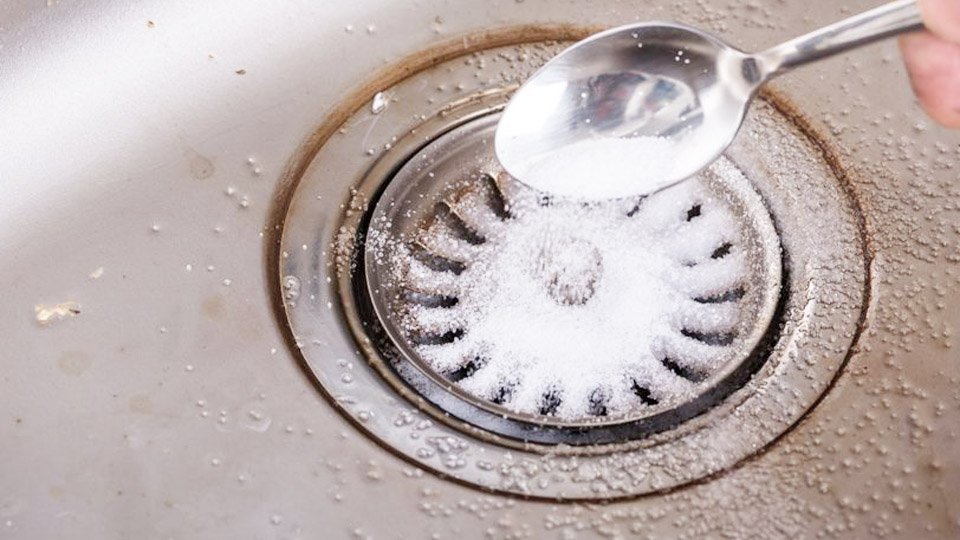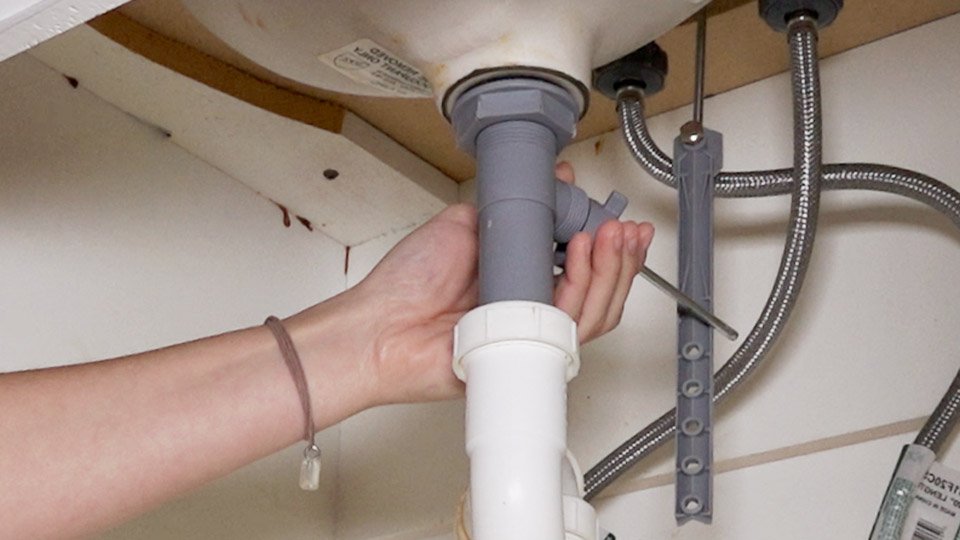
I stepped into my shower and couldn’t help but notice the grout lines looking darker than they should—no matter how much I scrubbed, they just wouldn’t brighten up. If you’ve ever faced the same thing, you’ve probably wondered, How to Clean Shower Grout with Baking Soda and Vinegar? I’ve struggled with this too, and let’s be honest—grimy grout not only looks unpleasant, it can also trap mold and bacteria if left unchecked. Over time,
I’ve found that this simple, natural combo works wonders without harsh chemicals. Let me share how I usually tackle it so you can get those grout lines looking fresh again.
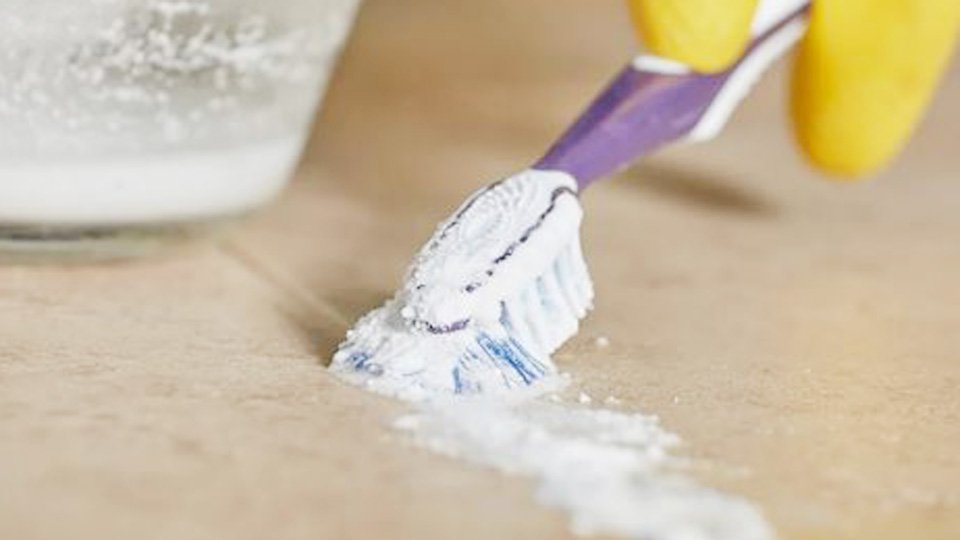
Image by bobvila
The Hidden Dangers of Neglected Shower Grout in American Homes
In the average US household, that steamy shower is a daily ritual—maybe for you, it’s squeezing in a quick rinse before the school run, or soaking off the day’s chaos after wrangling toddlers. But all that moisture, combined with soap scum, hard water minerals, and the occasional hairball, turns those grout lines into prime real estate for grime.
Grout is basically porous cement sandwiched between your pretty tiles, and in humid bathrooms like the ones in our older ranch-style homes or modern condos, it soaks up everything.
Why does this matter? Beyond the “ick” factor, neglected grout breeds mildew and mold, which can trigger asthma flares or sinus issues—I’ve seen it firsthand with clients who end up at the allergist more than they’d like. It’s also a slip hazard if soap builds up, and let’s not forget the hygiene hit: Bacteria loves those crevices.
Cleaning it regularly isn’t just about looking good; it’s about keeping your family safe and healthy, cutting down on deep cleans that eat your weekend, and avoiding costly fixes down the line. In my experience, a 20-minute weekly touch-up beats a full-day overhaul any day.
What Exactly Is Shower Grout and Why Does It Get So Gross?
Shower grout is that thin sealant filling the gaps between tiles, holding everything together like mortar in a brick wall. It’s usually cement-based, either sanded (with gritty bits for wider joints) or unsanded (smoother for tight spaces). In showers, it’s exposed to constant water blasts, turning it into a sponge for soap residue, body oils, and minerals from our tap water—think those chalky deposits in places like Florida or the Southwest where hard water is king.
It gets gross fast because it’s porous. One steamy shower, and moisture seeps in, mixing with airborne spores to create mold. I’ve pulled back shower curtains in client homes to find grout looking like it belongs in a horror flick—black streaks from mildew that no amount of surface spraying touches.
When to clean? Spot it early: If it’s yellowing from hard water or fuzzy from mold, grab your supplies now. Waiting invites deeper stains that scrub harder.
Step-by-Step: Spotting When Your Grout Needs Attention
Start simple: After your next shower, run a dry finger along a grout line. If it comes away dirty or you see discoloration, it’s time. For mold, that telltale musty smell or dark spots scream urgency—don’t let it spread. In my routine, I check monthly in high-use bathrooms, more if we’ve got guests crashing on the pull-out couch.
Pro tip from the trenches: Use your phone’s flashlight to inspect corners; shadows hide sins. And if you’re renting that quirky walk-up in Brooklyn, document before-and-after pics—landlords love proof you’re maintaining the space.
Unpacking the Science Behind Baking Soda and Vinegar Magic
I’ve tried every fancy grout cleaner on the market, from foaming sprays to enzyme gels, but nothing beats the classic combo of baking soda and vinegar for shower grout. It’s like peanut butter and jelly—simple, cheap, and stupidly effective.
Baking soda (sodium bicarbonate) is a mild abrasive and base that lifts grime without scratching, while vinegar (acetic acid) cuts through mineral buildup and kills 80% of mold spores on contact. Together, they fizz up like a science fair volcano, loosening dirt so it rinses away.
This matters in everyday life because it’s eco-friendly—no harsh chemicals leaching into your drains or lungs—and it’s pantry-staple affordable. In a country where we’re all pinching pennies at the grocery store, spending $2 on ingredients beats $10 on a bottle that sits half-used. Plus, for busy parents like my sister in Texas, juggling soccer practices and dinner, this means no toxic fumes around the kids.
Why This Combo Beats Store-Bought for Most Folks
Store cleaners promise “no scrub” but often pack bleach that fades colored grout or acids that etch unsealed lines. Baking soda and vinegar? Gentle on most surfaces, septic-safe, and that fizzing reaction breaks bonds without elbow grease marathons. I’ve restored grout in a 1950s bungalow shower that looked doomed, all without a single chemical smell lingering.
When to choose it: For light-to-medium buildup in white or light grout. If yours is dark or sealed, test a small spot first—vinegar’s acidity can sometimes lighten tones unevenly.
Gear Up: Essential Tools for Grout Cleaning Success
Before we scrub, let’s chat supplies. You don’t need a fancy kit; I’ve cleaned with what I had on hand during a power outage. Basics: White vinegar (distilled for purity), baking soda, a spray bottle, an old toothbrush or grout brush, gloves, and microfiber cloths. For tougher jobs, add a stiff nylon brush—avoid wire ones that gouge tiles.
In US homes, grab Arm & Hammer baking soda from Walmart and Heinz vinegar from the shelf. Eco-option: Use a bamboo-handled brush to keep it green.
Quick Comparison: DIY vs Commercial Grout Cleaners
| Cleaner Type | Pros | Cons | Best For | Cost (per use) |
|---|---|---|---|---|
| Baking Soda + Vinegar (DIY) | Natural, fizzing action lifts grime; kills mold; safe for kids/pets | Requires some scrubbing; vinegar smell fades quick | Everyday shower maintenance; eco-conscious homes | Under $0.50 |
| Bleach-Based Sprays (e.g., Clorox) | Kills 99% germs fast; whitens deeply | Fumes irritate lungs; can discolor grout/tiles; not septic-friendly | Heavy mold in well-ventilated spaces | $1-2 |
| Enzyme Gels (e.g., Bio-Clean) | Breaks down organic stains over time; no harsh chemicals | Slower acting; pricier | Pet owners or allergy sufferers | $2-3 |
| Hydrogen Peroxide Paste | Bubbles out stains; brightens without bleach | Can fizz too much on unsealed grout; dries sticky | Hard water spots in sunny bathrooms | $0.75 |
From my jobs, the DIY wins for 80% of cases—it’s versatile and forgiving.
Your Foolproof Guide: How to Clean Shower Grout with Baking Soda and Vinegar
I’ve walked dozens of clients through this, and it’s transformed frantic “help!” calls into high-fives. This method takes 30-45 minutes for a standard 5×8 shower, less if you’re consistent. Do it weekly for prevention, monthly for deep cleans.
Safety first: Ventilate with a fan (crack that window if you’re in a steamy New England bathroom), wear gloves to protect your hands from the acidity, and keep little ones out—vinegar’s safe but spills lead to slips.
Prep Your Bathroom Battlefield
Clear the deck: Shove the shampoo bottles aside, roll up the bath mat, and lay down old towels to catch drips—I once flooded my hallway forgetting this. Spray the tiles with plain water to loosen surface soap. If mold’s the culprit, hit it with straight vinegar first and let sit 10 minutes; that acidic zap weakens spores without bleach drama.
Pro shortcut: Blast hot water for 2 minutes pre-spray—it softens buildup like butter. In hard-water areas like Arizona, this step’s gold.
Mixing and Applying the Dynamic Duo
In a bowl, mix 1/2 cup baking soda with 1/4 cup water for a spreadable paste—think toothpaste consistency. If it’s too crumbly, add a splash more; too soupy, dust in extra soda. Scoop it onto a sponge and slather along grout lines, focusing on stained spots. Don’t skimp in corners where water pools.
Now, the fun part: Fill a spray bottle with undiluted white vinegar and mist generously over the paste. Watch it bubble! That reaction (acid + base = carbon dioxide) lifts dirt like effervescent magic. Let it fizz 10-15 minutes—I’ve set a timer while sipping coffee. For stubborn black mold, re-spray and wait longer; the vinegar penetrates deeper.
From experience: In a humid Florida condo I cleaned, doubling the vinegar cut through years of neglect in one go. Mist lightly if your grout’s sealed to avoid over-wetting.
Scrub, Rinse, and Revel
Grab your brush— that dollar-store toothbrush works wonders for precision. Dip in the fizzing mix and work in circular motions along the lines. No need to bear down; the abrasives do the heavy lifting. For wider joints in subway tile showers, upgrade to a grout-specific brush with angled bristles.
Rinse with warm shower water, wiping tiles with a damp cloth to catch residue. Buff dry with microfiber—no streaks, promise. Stand back and admire: That grout should pop whiter, mold banished.
Common mistake alert: Rushing the rinse. Leftover paste dries crunchy and attracts more dirt. I learned this the hard way in my first apartment—took three tries to get it right.
Post-Clean Polish: Sealing for Longevity
While damp, apply a grout sealer with a foam brush—something like Aqua Mix from the hardware store. It repels water like a raincoat. Wait 24 hours before showering. In my routine, this extends clean time from weeks to months.
Dodging the Pitfalls: Common Grout Cleaning Blunders I’ve Witnessed
Oh, the horror stories. As a pro, I’ve arrived at homes where well-meaning DIYers turned grout yellow or cracked tiles. Top blunder: Mixing vinegar and bleach—gaseous chlorine, anyone? Never. Always work in sections; overwhelming the whole shower leads to uneven fizzing and missed spots.
Another: Skipping gloves. Vinegar’s mild, but repeated exposure dries skin—I’ve got the cracked knuckles to prove it. And using steel wool? It shreds grout faster than a cat on curtains. Opt for nylon every time.
In older homes with unsealed grout, over-scrubbing etches lines. Test your method on a hidden spot, like behind the curtain rod. For renters, avoid anything that alters the surface—stick to rinseables.
Quick fix for over-fizz: Neutralize with a baking soda sprinkle and wipe. Safety reminder: If fumes build (rare with this combo), step out for fresh air. Childproof by locking the door during.
Insider Hacks: Pro Tips That Save Time and Sanity
Years in the biz have taught me tricks no label mentions. Add a squirt of dish soap (Dawn’s my go-to) to the paste for extra grease-cutting—perfect for oily teen showers. For vertical walls, tape plastic wrap over the paste; it keeps the mix moist longer, no reapplication.
Anecdote time: Cleaning a single mom’s place in Seattle, her grout was apocalypse-level from hard water. I mixed in lemon juice for natural bleaching—zested up the vinegar—and it whitened like new. Eco-bonus: Lemons deodorize that post-clean freshness.
Shortcut for busy families: Do a “dry run” weekly—spray vinegar, brush lightly, rinse. No paste needed, keeps buildup at bay. In multi-bath homes, tackle one per weekend; rotate to stay ahead.
For tools, invest in an electric grout brush ($15 on Amazon)—spins away elbow work, but hand-scrub for control on delicate tiles. And ventilation? Run the exhaust fan 30 minutes post-clean; prevents rebound moisture in windowless powder rooms.
Going Green: Eco-Friendly Twists on the Classic Clean
Love that earth-friendly vibe? This method’s already low-impact, but amp it with castile soap instead of dish suds—Dr. Bronner’s unscented cuts grime without phosphates. Or swap vinegar for citric acid powder (from canning aisles) for harder water—dissolves minerals greener.
Pros of green: No waterway pollution, safe for septic systems common in rural Midwest homes. Cons: Slightly less aggressive on mega-stains, so pair with steam for oomph.
I’ve converted skeptics in eco-conscious Portland neighborhoods; one client now swears by it for her rental’s shared bath—keeps deposits low without harsh runoff.
Comparing Eco Options: Natural Add-Ins for Your Paste
| Add-In | Why It Works | Drawback | US Household Hack |
|---|---|---|---|
| Lemon Juice | Natural bleach, cuts soap scum | Sticky residue if not rinsed well | Squeeze from grocery store lemons; freeze extras in trays |
| Hydrogen Peroxide (3%) | Oxygen bubbles lift mold | Can lighten grout slightly | Drugstore staple; mix 1:1 with soda for peroxide paste alternative |
| Essential Oils (Tea Tree) | Antifungal boost | Strong scent; dilute | Add 5 drops to spray for antimicrobial punch in humid South |
These keep it planet-kind while punching above weight.
Beyond the Deep Clean: Keeping Grout Fresh in Real Life
Maintenance is where magic happens—or fizzles. Post-clean, squeegee walls daily; that $10 tool from Target slashes moisture 90%. In families with multiple showers, assign “squeegee duty” to teens—builds habits, saves arguments.
Quick fixes: For soap splatter mid-week, a vinegar wipe-down. In calcium-heavy areas like California, monthly peroxide spritz prevents scale. I’ve advised a Dallas family to add a dehumidifier; dropped mold recurrence to zero.
Safety note: Teach kids hand-washing over tile play—slippery grout’s no joke. And for pros like me, rotate brushes; dull ones drag dirt back in.
When DIY Hits Its Limit: Knowing When to Call Backup
Most times, this nails it, but if grout’s cracking or efflorescence (white salty blooms) appears, it’s structural—time for a tile guy. In my career, I’ve referred out 10% of cases; better safe than sorry in load-bearing walls.
Signs: Flaking lines or persistent black mold despite cleans. For apartments, chat with maintenance; shared vents complicate things.
Wrapping It Up: Your Path to a Squeaky-Clean Shower Sanctuary
There you have it—your roadmap to ditching dingy grout for good. From prepping that fizzy paste to dodging scrub pitfalls and sealing for the win, how to clean shower grout with baking soda and vinegar is simpler than it sounds, packing hygiene punches, time savings, and wallet wins.
You’ll breathe easier, slip less, and maybe even enjoy that shower again. I’ve turned grimy nightmares into pride points for countless homes, and now it’s your turn to clean smarter, faster, and safer.
FAQ: Tackling Your Toughest Grout Questions
Can baking soda and vinegar damage my shower grout?
Not usually—they’re gentle for cement-based grout. But test unsealed or colored lines first; vinegar’s acid can etch over time. I’ve used it safely on everything from white subway to gray slate.
How often should I clean shower grout to prevent mold?
Weekly light sprays for high-use showers, monthly deep cleans. In steamy Southern homes, bump to bi-weekly. Squeegeeing daily keeps it ahead of the curve.
Is there a no-scrub way to clean grout with these ingredients?
Yep—apply paste, spray vinegar, cover with plastic wrap overnight. Rinse in the morning; the soak does the work. Great for bad backs or time-crunched parents.
What if my grout is still stained after cleaning?
Layer on hydrogen peroxide paste next round—it oxygenates deeper. Or steam it first for loosening. Persistent? Might need resealing or pro inspection.
Are there kid-safe alternatives if vinegar’s too smelly?
Dilute with water and add peppermint oil for fresh scent. Or try just baking soda paste with dish soap—milder, still effective for light jobs.