I used to dread cleaning my bathroom, especially the shower grout—it always seemed impossible to get those stubborn lines sparkling without spending forever scrubbing. If you’ve ever felt the same, you might be wondering how to clean shower grout without scrubbing? I’ve struggled with this before, and honestly, it can feel like a losing battle.
I discovered a few simple tricks that save time, protect your tiles, and actually make the bathroom feel fresh and hygienic. Here’s what usually works for me when I want spotless grout without breaking a sweat.
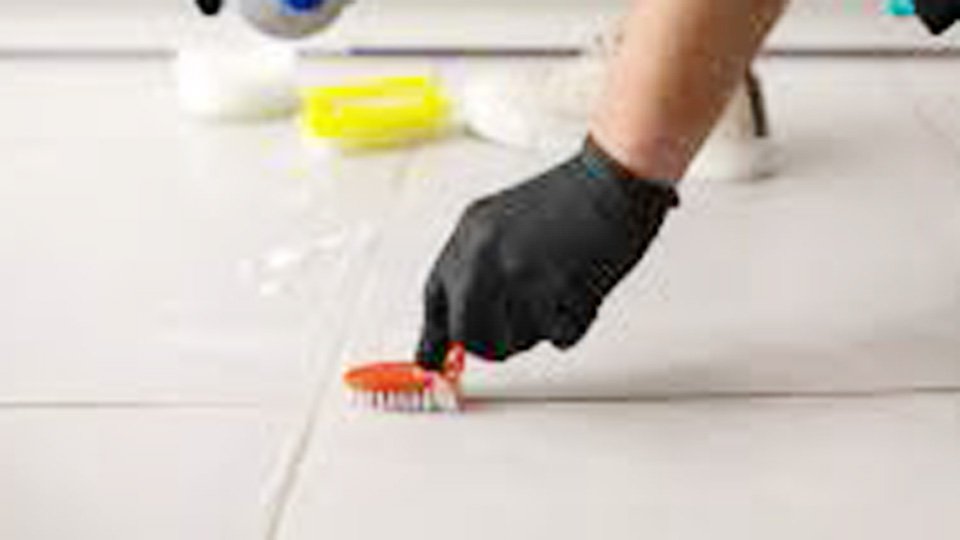
Image by madeandgood
Shower Grout and Its Common Problems
Shower grout is that cement-like material filling the gaps between your bathroom tiles. It’s porous, which means it absorbs water, soap scum, and dirt like a sponge. In typical American homes, especially older ones with ceramic or porcelain tiles, grout lines are usually 1/8 to 1/4 inch wide, making them prime spots for buildup.
You need to clean it when you notice discoloration—those white lines turning yellow, brown, or black from mold. It’s especially crucial in high-moisture areas like walk-in showers or tubs in family bathrooms. I’ve seen grout go from pristine to problematic in just a few weeks if showers aren’t ventilated properly after use.
From my experience, ignoring it leads to bigger issues. Once mold sets in, it can spread to walls or even affect indoor air quality, which is a real concern for households with young kids or elderly folks.
Step-by-Step Guide to Assessing Your Grout
First, inspect the grout lines closely. Turn on the shower light and look for spots that are darker or feel slimy to the touch—that’s often mildew starting.
Next, test a small area. Dab a bit of white vinegar on it; if it fizzes, your grout might be unsealed and more prone to staining.
Then, note the severity. Light dirt might need a simple soak, while heavy mold calls for stronger solutions. I’ve tackled everything from light soap scum in rental apartments to stubborn black mold in basements-turned-bathrooms.
Common mistakes? Jumping straight to cleaners without testing—some can etch or discolor grout if it’s the wrong type. Always patch-test in a corner.
Pro tip: Use a flashlight app on your phone for better visibility in dim showers. It’s a game-changer for spotting early grime.
Why No-Scrub Methods Are a Game-Changer for Busy Households
No-scrub cleaning means letting solutions do the work for you, breaking down grime chemically or with heat, so you just rinse it away. It’s perfect for renters who can’t alter fixtures, DIY enthusiasts short on time, or pros like me handling multiple jobs a day.
This approach is needed when traditional scrubbing risks damaging delicate grout or when you’re dealing with arthritis or back issues—I’ve had clients in their 60s swear by it for that reason alone.
It promotes hygiene by removing bacteria without spreading it around, and it’s time-efficient, often taking 15-30 minutes versus hours of manual labor.
My Go-To Chemical Cleaner Method Without Scrubbing
What it is: Using store-bought cleaners with active ingredients like hydrogen peroxide or bleach derivatives that penetrate and lift dirt.
Why it’s needed: For tough stains like hard water deposits common in areas with mineral-rich tap water, like California or Texas.
Step-by-step:
- Gather supplies: A spray bottle of grout cleaner (I like ones with oxygen bleach), gloves, and a microfiber cloth.
- Ventilate the bathroom—open windows or run the fan to avoid fumes.
- Spray generously on dry grout lines, ensuring full coverage without soaking the tiles too much.
- Let it sit for 10-20 minutes. I usually set a timer and grab a coffee.
- Rinse with warm water using a showerhead or bucket. Wipe gently if needed, but no hard scrubbing.
- Dry with a towel to prevent immediate re-soiling.
Common mistakes: Over-spraying, which can drip and stain nearby surfaces. Avoid by covering floors with old towels.
Pro tip: For extra stubborn spots, cover with plastic wrap after spraying to trap the solution longer—I’ve used this on client showers with years of buildup.
Comparing Chemical Cleaners: Pros and Cons
Here’s a quick table based on products I’ve tested in real homes:
| Product Type | Pros | Cons | Best For |
|---|---|---|---|
| Oxygen Bleach Sprays | Gentle on grout, whitens effectively, low odor | Takes longer to work, pricier | Mold in humid climates |
| Acid-Based Cleaners | Fast on mineral deposits, affordable | Can etch grout if left too long, strong fumes | Hard water stains in Midwest homes |
| Enzyme Cleaners | Eco-friendly breakdown, safe for kids/pets | Slower on heavy grime, needs multiple applications | Family bathrooms with light dirt |
This comparison comes from my trial-and-error over dozens of jobs—oxygen bleach wins for most scenarios.
Natural DIY Solutions for Cleaning Grout Without Effort
Natural methods use household items like baking soda and vinegar to create reactions that loosen dirt without manual work.
These are ideal when you want to avoid chemicals, especially in eco-conscious homes or for those with sensitivities. In my experience, they’re great for maintenance in apartments where strong smells might bother neighbors.
Why bother? They save money—most ingredients cost pennies—and promote a greener routine, aligning with trends in sustainable living across the US.
Baking Soda and Vinegar Paste Technique
What it is: A fizzy reaction that bubbles away grime.
When needed: For organic buildup like soap scum in daily-use showers.
Step-by-step:
- Mix equal parts baking soda and water into a paste.
- Apply to grout with an old toothbrush or finger—no scrubbing, just spread.
- Spray white vinegar over the paste; watch it fizz.
- Wait 15 minutes as the reaction works.
- Rinse thoroughly and dry.
Mistakes to avoid: Using too much vinegar, which can weaken grout over time. Stick to distilled white for purity.
Pro tip: Add a drop of dish soap to the paste for extra grease-cutting power. I discovered this accidentally while cleaning a greasy kitchen backsplash and adapted it for showers.
Hydrogen Peroxide and Essential Oils Blend
This is a milder natural option with antiseptic properties.
Useful for mold-prone areas in damp basements or during rainy seasons.
Steps:
- Combine 1 part hydrogen peroxide (3%) with 2 parts water in a spray bottle.
- Add a few drops of tea tree oil for natural antifungal boost.
- Spray on grout, let sit 10 minutes.
- Rinse and ventilate well.
Common error: Using concentrated peroxide—dilute it to avoid bleaching tiles.
Shortcut: I keep a pre-mixed bottle under the sink for quick touch-ups after showers.
Eco-Friendly Options: Pros and Cons Table
| Option | Pros | Cons | Ideal US Scenario |
|---|---|---|---|
| Vinegar-Baking Soda | Cheap, readily available, non-toxic | Mild scent lingers, not for severe mold | Budget-conscious renters in apartments |
| Hydrogen Peroxide Mix | Kills bacteria effectively, odorless | Can foam over if over-applied, short shelf life | Allergy-prone families in suburban homes |
| Lemon Juice Blend | Natural brightener, fresh smell | Acidic—test first, stains some grouts | Eco homes in sunny states like Arizona |
These have kept my own shower sparkling without the chemical hassle.
Steam Cleaning: The Ultimate Hands-Off Grout Revival
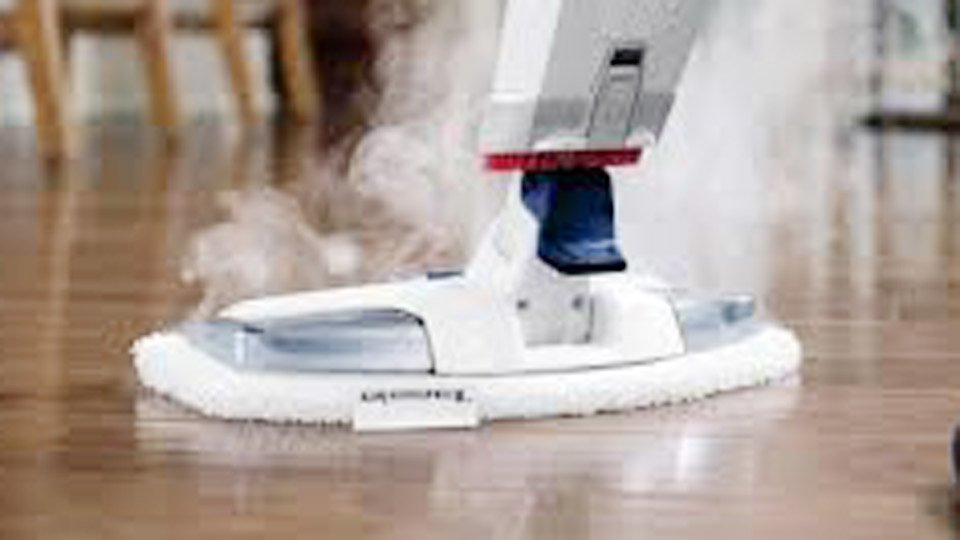
Steam cleaning uses high-heat vapor to dissolve and blast away dirt without chemicals or scrubbing.
It’s perfect for deep cleans in large tiled showers, like those in master baths, or when you want a thorough sanitize without residues.
Why it’s essential: Steam kills 99% of bacteria, ideal for health-focused households, and it’s quick for busy parents.
How to Use a Steam Cleaner on Grout
What it is: A device that heats water to steam, often handheld for bathrooms.
When: Quarterly for prevention or after illness to disinfect.
Step-by-step:
- Fill the steamer with distilled water to avoid mineral buildup.
- Heat it up—most take 1-2 minutes.
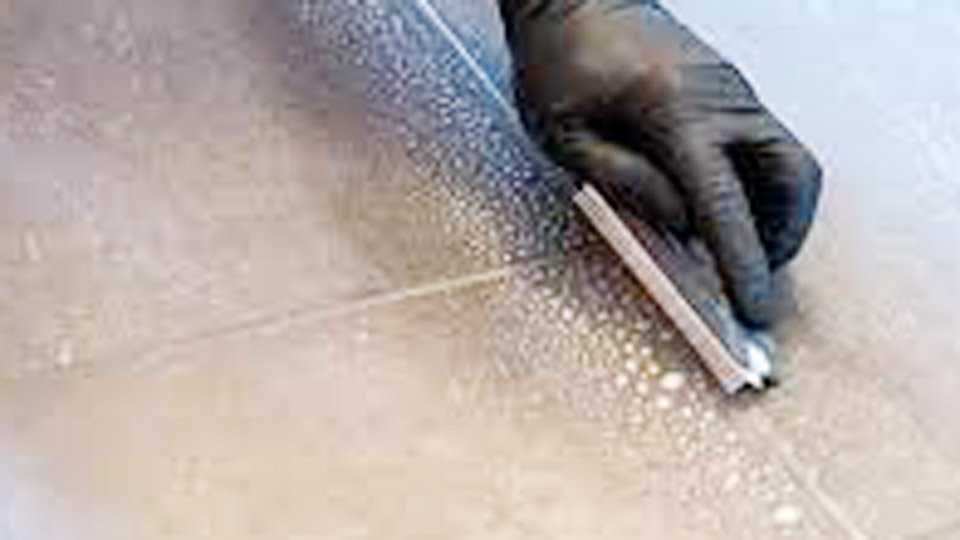
- Hold the nozzle close to grout lines, moving slowly.
- Let steam penetrate for 5-10 seconds per section.
- Wipe away loosened grime with a cloth—no need to press hard.
- Dry the area to prevent slipping.
Mistakes: Using on unsealed grout without testing—steam can sometimes loosen old seals. Check first.
Pro tip: Attach a brush head if your steamer has one, but keep it light; the heat does most work. I’ve revived grout in vacation rentals this way in under 20 minutes.
Choosing the Right Steam Cleaner for Home Use
From my jobs, handheld models are best for showers.
Pros of steam: Chemical-free, versatile for other surfaces.
Cons: Initial cost ($30-100), needs electricity.
For US homes, look for models with long cords for bigger bathrooms.
Preventing Grout Grime: Daily and Weekly Habits
Prevention is key to avoiding deep cleans altogether.
Daily: Squeegee walls after showers to remove water—takes 30 seconds.
Weekly: Spray a diluted vinegar solution and let air dry.
Why? Reduces moisture, the root of most issues.
In my routine, this has extended clean intervals from weekly to monthly.
Maintenance Tips for Long-Lasting Grout
Seal your grout annually with a penetrating sealer—apply, wait, wipe excess.
Ventilate: Use exhaust fans during and after showers.
For families: Teach kids to rinse soap off walls.
Anecdote: Once, a client’s grout stayed clean for a year after I sealed it post-clean—simple but transformative.
Safety reminder: Wear gloves when sealing; keep kids away from wet areas.
Common Pitfalls and How to Dodge Them
One big mistake: Using abrasive tools accidentally, like wire brushes, which scratch grout.
Avoid by sticking to soft cloths.
Another: Mixing cleaners—bleach and ammonia create toxic gases. I learned this the hard way early in my career; always read labels.
Over-wetting: Leads to mildew regrowth. Dry thoroughly.
Pro tip: If grout cracks, fix with caulk before cleaning to prevent water ingress.
Tools and Accessories That Make It Easier
Essential: Spray bottles for even application, old toothbrushes for precise spreading (not scrubbing).
Microfiber cloths for wiping— they grab residue without streaks.
For pros: Invest in a grout brush with soft bristles as backup.
Comparison table for tools:
| Tool | Pros | Cons | When to Use |
|---|---|---|---|
| Spray Bottle | Precise, mess-free | Can clog if not cleaned | All methods |
| Squeegee | Quick water removal | Not for grout directly | Prevention |
| Steam Wand | Deep clean | Bulky storage | Heavy duty |
These have been my staples through countless cleans.
Safety First: Protecting Yourself and Your Home
Always glove up—nitrile ones for chemicals, rubber for steam.
Ventilate to avoid inhaling vapors, crucial in small bathrooms.
Child safety: Store cleaners high up; use locked cabinets.
Eco note: Opt for biodegradable products to minimize drain impact.
I’ve had close calls with slips on wet floors—lay non-slip mats.
Quick Fixes for Unexpected Grout Messes
Spilled shampoo? Blot immediately, then apply baking soda to absorb.
Mold spot? Dab with peroxide-soaked cotton ball, wait, rinse.
These have saved me during rushed jobs.
Conclusion
You’ve now got a arsenal of no-scrub ways to tackle shower grout—from chemical soaks to natural fizzes and steam blasts. By following these steps, you’ll clean faster, smarter, and safer, cutting down on time while boosting hygiene and longevity. Rotate methods monthly to prevent buildup resistance—keeps things fresh without extra effort.
How do you remove mold from shower grout naturally?
Mold thrives in damp spots, so hit it with a baking soda-vinegar mix. Apply paste, spray vinegar, let fizz for 15 minutes, rinse. Repeat weekly for prevention—works wonders in my humid bathroom.
What’s the best eco-friendly grout cleaner without scrubbing?
Hydrogen peroxide mixed with water and tea tree oil is my pick. Spray, wait 10 minutes, rinse. It’s gentle, kills germs, and leaves no harsh residues—ideal for green households.
Can steam really clean grout without effort?
Absolutely—steam loosens dirt with heat alone. Use a handheld steamer on lines, wipe gently after. It’s chemical-free and quick, but ensure good ventilation to avoid steam burns.
How often should I clean shower grout to avoid buildup?
Aim for every 2-4 weeks, depending on usage. In busy family homes, weekly maintenance sprays help. Sealing grout yearly extends this—I’ve seen it halve cleaning frequency.
Are there any household items that whiten grout fast?
Yes, oxygen bleach powder mixed into a paste with water. Apply, let sit 20 minutes, rinse. It’s safer than chlorine bleach and brightens without fading colors— a staple in my kit.