Looking at our laminate floors and cringing at the grime, scuffs, and sticky spots that seem to have taken over. As a renter who’s battled muddy paw prints and spilled juice on my kitchen laminate, I’ve mastered how to clean very dirty laminate floors with vinegar.
This natural, budget-friendly solution is a lifesaver for homeowners, renters, and cleaning enthusiasts who want shiny floors without harsh chemicals. Let’s walk through my tried-and-true methods to restore your floors to their former glory, using simple tools and a little elbow grease.
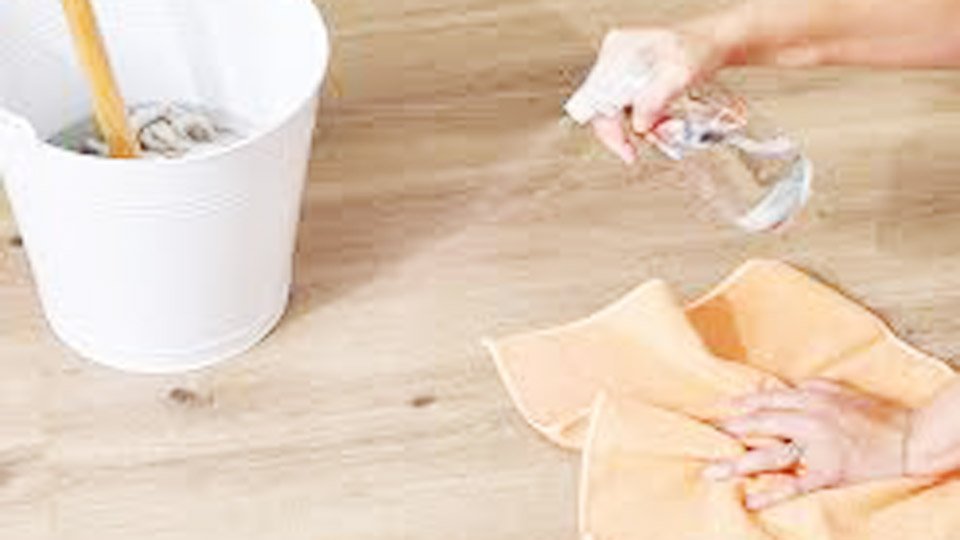
Image by bhg
Why Vinegar Works for Laminate Floors
Vinegar is my go-to for laminate because it’s acidic enough to cut through grease and grime but gentle when diluted properly. I learned this after trying pricey cleaners that left a sticky film on my floors. Here’s why vinegar is great:
- Breaks Down Dirt: Dissolves sticky messes and grease.
- Streak-Free Shine: Leaves floors clean without residue.
- Eco-Friendly: Safe for kids and pets when used correctly.
- Affordable: Costs pennies compared to commercial cleaners.
The key is using it sparingly to avoid damaging the laminate’s protective layer, which can warp or dull if overexposed to moisture or acid.
Preparing Your Laminate Floors
Before diving into cleaning, you need to prep the floor to avoid scratches or spreading dirt. I made the mistake of mopping without vacuuming first, which just smeared grime around.
Supplies Needed
| Supply | Purpose | Alternative |
|---|---|---|
| Soft-bristle broom | Sweeps loose dirt | Dust mop |
| Vacuum (hard floor setting) | Removes debris | Microfiber cloth |
| Microfiber mop | Applies cleaner | Spray mop |
| White vinegar | Cleans grime | Rubbing alcohol |
| Hot water | Dilutes vinegar | Warm water |
| Spray bottle | Controls solution | Bucket |
| Microfiber cloths | Buffs and dries | Cotton cloths |
I use a basic microfiber mop from a big box store and distilled white vinegar from my pantry.
How to Do It
- Remove rugs, mats, and furniture to clear the floor.
- Sweep with a soft-bristle broom to collect loose dirt and pet hair.
- Vacuum using the hard floor setting to avoid scratches from a beater bar.
- Check for sticky spots or stains to target during cleaning.
- Fill a spray bottle with 1 cup hot water and 1/4 cup white vinegar.
Time Estimate
Prep takes 10–15 minutes for an average room.
Pro Tip
Vacuum under furniture where dust bunnies hide. I found a surprising amount of pet hair under my couch, which was scratching my floors.
Safety Precautions
- Avoid over-wetting; excess water can seep into seams and warp laminate.
- Wear gloves if you have sensitive skin to avoid vinegar irritation.
- Keep pets and kids away during cleaning to prevent slips.
- Ventilate the room to reduce vinegar fumes.
Cleaning Very Dirty Laminate Floors with Vinegar
This is my main method for tackling heavy dirt and grime. It’s simple but effective, and I use it every few months in my high-traffic kitchen.
How to Do It
- Spray a small section (2×2 feet) with the vinegar-water solution from your spray bottle.
- Let it sit for 1–2 minutes to loosen grime.
- Mop the section with a slightly damp microfiber mop, moving with the grain of the laminate.
- Rinse the mop head in clean water and wring it out well.
- Buff the section with a dry microfiber cloth to remove excess moisture.
- Repeat across the entire floor, working in small sections.
- Dry the floor completely with a dry mop or cloth to prevent streaks.
Time Estimate
This takes 30–45 minutes for a 200-square-foot room.
Pro Tip
Work from the far corner to the door to avoid stepping on wet floors. I learned this after leaving footprints on my freshly cleaned laminate.
Dos and Don’ts
Do:
- Use a damp, not wet, mop to protect the laminate.
- Buff with a dry cloth for a streak-free shine.
- Clean spills immediately to prevent staining.
- Test the solution in a corner to ensure no dulling.
Don’ts:
- Let water pool; it can damage seams.
- Use undiluted vinegar; it’s too acidic.
- Use abrasive tools like steel wool; they scratch.
- Skip drying; moisture causes warping.
Spot Cleaning Stubborn Stains
For tough stains like wine or ink, I use a targeted approach with vinegar and baking soda. This saved my floors after a red wine spill during a dinner party.
Supplies Needed
| Supply | Purpose | Alternative |
|---|---|---|
| White vinegar | Lifts stains | Lemon juice |
| Baking soda | Forms paste | Mild dish soap |
| Microfiber cloth | Applies paste | Soft sponge |
| Warm water | Rinses residue | Hot water |
How to Do It
- Mix 1 tablespoon baking soda with a splash of vinegar to form a paste.
- Apply the paste to the stain with a microfiber cloth.
- Let it sit for 5 minutes to break down the stain.
- Gently rub in circular motions with a soft cloth.
- Wipe clean with a damp cloth dipped in warm water.
- Dry the area with a clean microfiber cloth.
Time Estimate
This takes 5–10 minutes per stain.
Pro Tip
For oil-based stains like grease, add a drop of dish soap to the paste. I used this for a butter spill and it worked like a charm.
Dos and Don’ts
Do:
- Test the paste on a hidden spot first.
- Use a soft cloth to avoid scratches.
- Rinse thoroughly to remove residue.
Don’ts:
- Scrub too hard; it can damage the finish.
- Use on large areas; it’s for spot cleaning only.
- Leave the paste on too long; it can dull the surface.
Alternative Natural Cleaning Methods
If vinegar’s smell bothers you, I’ve used other natural cleaners that work well on dirty laminate floors.
Rubbing Alcohol Solution
This dries quickly and is great for greasy messes in my kitchen.
Supplies Needed
| Supply | Purpose | Alternative |
|---|---|---|
| Rubbing alcohol (70%) | Cuts grease | White vinegar |
| Hot water | Dilutes solution | Warm water |
| Spray bottle | Applies cleaner | Bucket |
| Microfiber mop | Cleans floor | Spray mop |
How to Do It
- Mix 1/3 cup rubbing alcohol with 2/3 cup hot water in a spray bottle.
- Spray a small section of the floor lightly.
- Mop with a damp microfiber mop, following the grain.
- Buff with a dry microfiber cloth to prevent streaks.
- Repeat across the floor, keeping the mop damp, not wet.
Time Estimate
This takes 25–40 minutes for a 200-square-foot room.
Pro Tip
Add a few drops of lemon essential oil to mask the alcohol smell. I love the fresh scent it leaves behind.
Dish Soap and Water
This is gentle for light dirt and safe for regular cleaning.
Supplies Needed
| Supply | Purpose | Alternative |
|---|---|---|
| Mild dish soap | Lifts dirt | Baby shampoo |
| Hot water | Dilutes soap | Warm water |
| Microfiber mop | Cleans floor | Spray mop |
| Microfiber cloth | Dries floor | Cotton cloth |
How to Do It
- Mix 1 teaspoon dish soap with 1 gallon hot water in a bucket.
- Dip a microfiber mop into the solution and wring until barely damp.
- Mop in small sections, following the laminate’s grain.
- Rinse the mop frequently in clean water.
- Dry each section with a microfiber cloth to avoid residue.
Time Estimate
This takes 30–45 minutes for a 200-square-foot room.
Pro Tip
Use clear, unscented dish soap to avoid sticky residue. I use a store-brand soap that works perfectly.
Comparison of Cleaning Methods
| Method | Best For | Pros | Cons |
|---|---|---|---|
| Vinegar-Water Solution | Heavy dirt, grease | Affordable, effective | Strong smell |
| Baking Soda Paste | Stubborn stains | Targeted, natural | Not for large areas |
| Rubbing Alcohol Solution | Greasy messes | Dries quickly | Can be costly |
| Dish Soap and Water | Light dirt | Gentle, pleasant smell | Risk of residue |
Maintaining Clean Laminate Floors
Keeping floors clean after a deep clean is easier with a routine. I do quick maintenance weekly to avoid heavy dirt buildup.
How to Do It
- Sweep or vacuum daily to remove dust and grit.
- Spot clean spills immediately with a damp cloth.
- Mop lightly every 1–2 weeks with a vinegar-water solution.
- Place doormats at entrances to trap dirt.
- Use felt pads under furniture to prevent scratches.
Time Estimate
Daily maintenance takes 5–10 minutes; weekly mopping takes 15–20 minutes.
Pro Tip
Adopt a no-shoe policy. I keep a basket of slippers by the door, which has reduced dirt on my floors dramatically.
Preventing Common Issues
Laminate floors are durable but sensitive to moisture and scratches. I learned this after a water spill warped a seam in my dining room.
How to Prevent
- Wipe spills immediately to avoid water damage.
- Avoid steam mops; they can weaken seams.
- Trim pet nails to prevent scratches.
- Use laminate-approved rug underlays to avoid sticking.
When to Call a Professional
If your floors are scratched, warped, or have deep stains, a professional cleaner can help. I hired one when my laminate dulled from improper cleaning, and they restored the shine.
Common Mistakes to Avoid
I’ve made these errors, so you don’t have to:
- Using Too Much Water: Causes warping and bubbling.
- Skipping Vacuuming: Spreads dirt and scratches floors.
- Using Harsh Cleaners: Strips the protective layer.
- Overusing Vinegar: Can dull the finish over time.
- Not Drying Properly: Leads to streaks and water damage.
Pro Tips from My Experience
- Mop in Small Sections: Prevents solution from drying before wiping.
- Use Two Buckets: One for clean solution, one for dirty water.
- Buff for Shine: A dry microfiber cloth adds sparkle.
- Check Manufacturer Guidelines: Some laminates need specific care.
- Clean Regularly: Prevents dirt from becoming “very dirty.”
Shiny Floors, Happy Home
Cleaning very dirty laminate floors with vinegar is a simple, affordable way to bring back their shine. With a vinegar-water solution, a microfiber mop, and a bit of patience, you can transform your floors from grimy to gleaming. These methods have kept my rental apartment’s floors looking brand-new, and I’m confident they’ll work for you too.
FAQ
How do I clean really dirty laminate floors with vinegar without streaks?
To clean really dirty laminate floors with vinegar and avoid streaks, I use a spray bottle with 1/4 cup white vinegar and 1 cup hot water. Spray lightly on a small section, mop with a damp microfiber mop, and immediately buff with a dry microfiber cloth. Work in small areas to prevent the solution from drying. I do this in my kitchen every month, and it leaves no residue or streaks if I dry thoroughly.
Can I use vinegar and baking soda to clean laminate floors?
Vinegar and baking soda work great for spot cleaning tough stains on laminate floors. I mix a tablespoon of baking soda with a splash of vinegar to make a paste, apply it to stains like wine or grease, and let it sit for 5 minutes. Gently scrub with a soft cloth, then wipe with a damp cloth and dry. Don’t use this paste for large areas, as it’s too abrasive for regular mopping.
How often should I clean laminate floors with vinegar?
I clean my laminate floors with a vinegar-water solution every 1–2 weeks for light maintenance, but for very dirty floors, I do a deep clean every 2–3 months. Daily sweeping or vacuuming prevents heavy dirt buildup, so you won’t need vinegar as often. In my pet-friendly home, I spot clean with vinegar weekly to tackle muddy paw prints and keep the floors shiny.
Is it safe to clean laminate floors with vinegar every day?
Using vinegar daily on laminate floors isn’t ideal, as the acidity can dull the finish over time. I stick to warm water with a drop of dish soap for daily spot cleaning and use a vinegar-water solution (1/4 cup vinegar per gallon of water) for weekly or biweekly mopping. For very dirty floors, vinegar is great for occasional deep cleans, but always dilute it and dry the floor well to protect the laminate.
What’s a good alternative to vinegar for cleaning dirty laminate floors?
If vinegar’s smell is too strong, I use a rubbing alcohol solution (1/3 cup alcohol, 2/3 cup hot water) for dirty laminate floors. Spray lightly, mop with a damp microfiber mop, and buff dry. It dries fast and cuts grease well, especially in my kitchen. Another option is a teaspoon of mild dish soap in a gallon of hot water, but rinse thoroughly to avoid residue. Both keep my floors clean and shiny.