Nothing beats the warm, natural charm of wood kitchen countertops. When I moved into my home, the butcher-block counters were a major selling point, but I quickly learned that keeping them clean is a must for both beauty and hygiene.
If you’re wondering how to clean wood kitchen countertops effectively, safely, and affordably, I’m here to share what I’ve learned through spills, stains, and plenty of trial and error. As a parent and cleaning enthusiast, I know how important it is to maintain a kitchen that’s safe for my family while preserving the wood’s natural glow.
Wood countertops, like butcher block or solid oak, are stunning but porous, making them prone to stains, bacteria, and damage if not cared for properly. For homeowners and renters, clean counters mean a healthier space for food prep, especially in busy households with kids or pets.
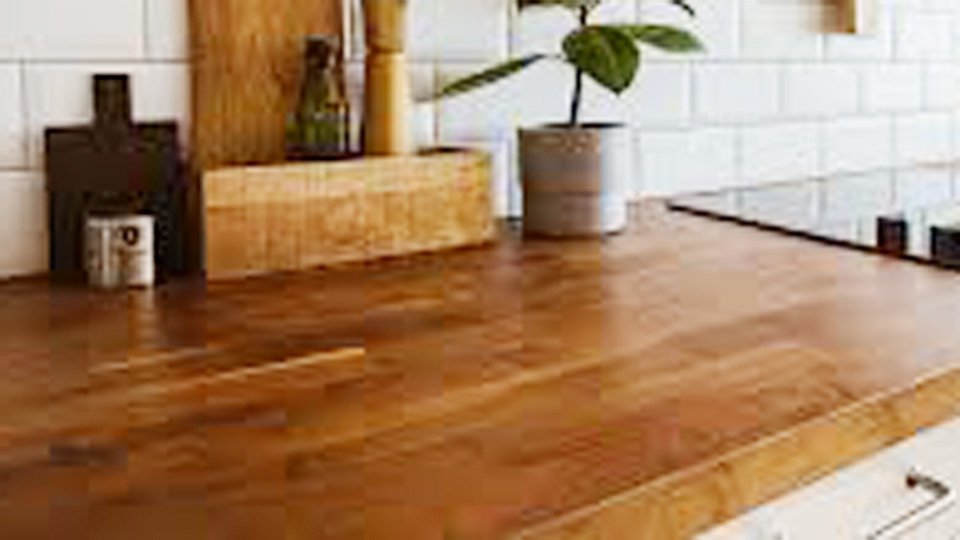
Image by woodcare
This guide is packed with practical, budget-friendly methods to clean, disinfect, and maintain your wood countertops, tailored for American kitchens. Let’s dive in and keep those counters gleaming!
Why Wood Countertops Need Special Care
Wood countertops are a favorite for their rustic appeal, but their porous nature makes them unique compared to granite or laminate. I learned this when a spilled glass of grape juice left a faint mark on my unsealed butcher block. Proper cleaning prevents stains, bacterial growth, and wear, ensuring your counters stay safe and beautiful.
Health and Hygiene Concerns
Kitchens are high-traffic zones where raw meat, spilled milk, or sticky syrup can leave behind bacteria or odors. For parents, keeping counters sanitary is critical for safe meal prep. Renters face the challenge of maintaining counters without damaging rental property. Proper cleaning reduces health risks and keeps your kitchen fresh.
Preserving Your Investment
Wood countertops are an investment, often costing hundreds or thousands of dollars. Harsh cleaners or improper methods can dry out the wood, cause cracks, or ruin the finish. I’ve seen this with a friend who used bleach on her butcher block, leaving it dull and brittle. Safe cleaning methods protect your counters’ longevity and charm.
Daily Cleaning for Wood Kitchen Countertops
Daily cleaning is the key to keeping wood countertops in top shape. I do a quick wipe-down after dinner, and it keeps my kitchen looking polished with minimal effort. Here’s how to do it safely.
Gentle Soap and Water Method
This is my go-to for daily maintenance because it’s simple and safe for wood.
Step 1: Mix a few drops of mild dish soap (like Dawn) with warm water in a bowl or spray bottle. Avoid citrus-based soaps, as they can be too acidic.
Step 2: Dip a soft microfiber cloth or sponge into the solution and wring it out well to avoid over-wetting.
Step 3: Wipe the countertop, focusing on areas with crumbs, grease, or spills.
Step 4: Rinse the cloth with clean water and wipe again to remove soap residue.
Step 5: Dry thoroughly with a clean microfiber cloth to prevent water spots or warping.
Tip: I keep a stack of microfiber cloths (about $10 for a pack at Costco) in my kitchen for daily use. They’re absorbent and gentle on wood.
Safety Warning: Never let water sit on wood countertops, as it can seep into the pores and cause swelling or cracks.
Disinfecting Safely
To kill germs, especially after handling raw meat or poultry, you need a wood-safe disinfectant.
- Step 1: Mix 1 tablespoon of unscented bleach with 1 gallon of warm water (a weaker solution than for other surfaces to protect wood).
- Step 2: Wipe the countertop with a damp cloth dipped in the solution.
- Step 3: Rinse immediately with clean water to remove bleach residue.
- Step 4: Dry thoroughly with a microfiber cloth.
Alternative: Use a 50-50 mix of white vinegar and water for a natural disinfectant. Spray lightly, wipe, rinse, and dry.
Safety Warning: Avoid full-strength bleach or vinegar, as they can strip the wood’s finish or cause discoloration. I learned this after a bleach mishap dulled a small patch on my counter.
Removing Stains from Wood Countertops
Spills are inevitable in a busy kitchen. Here’s how I tackle stains on my butcher-block counters without damaging the wood.
Light Stains (Juice, Food)
For fresh spills like juice or sauce, act fast to prevent staining.
Step 1: Blot the spill with a paper towel to absorb as much as possible. Don’t rub, as it pushes the stain deeper.
Step 2: Sprinkle coarse salt over the stain, then scrub gently with the cut side of half a lemon. The salt absorbs liquid, and the lemon’s acidity lifts the stain.
Step 3: Let it sit for 5–10 minutes, then rinse with warm water and dry with a microfiber cloth.
Tip: I used this trick on a strawberry juice stain from my kid’s smoothie, and it disappeared in minutes.
Dark or Stubborn Stains (Oil, Wine)
Grease or wine stains require a bit more effort but are manageable.
- Step 1: Blot excess liquid with a paper towel.
- Step 2: Dab the stain with a cotton swab dipped in 3% hydrogen peroxide to lighten it.
- Step 3: Let it sit for 5–10 minutes, then rinse with warm water and dry thoroughly.
Alternative: For tough oil stains, make a paste with baking soda and water, apply it to the stain, cover with plastic wrap, and let it sit overnight. Wipe clean and rinse.
Safety Warning: Test hydrogen peroxide on a hidden area first, as it can lighten some wood types. I always check under my counter before using it.
Deep or Permanent Stains
For set-in stains, sanding may be necessary.
- Step 1: Lightly sand the stained area with 220-grit sandpaper until the stain fades.
- Step 2: Wipe away dust with a damp cloth and dry thoroughly.
- Step 3: Apply mineral oil to restore the wood’s sheen.
Tip: I sanded a coffee ring off my counter last year, and it looked good as new after oiling.
Sealing and Oiling Wood Countertops
Sealing or oiling protects wood countertops from moisture and stains. I oil my butcher block every few months to keep it hydrated and vibrant.
When to Oil Your Countertops
Test for Dryness: Drip water onto the counter. If it absorbs quickly, it’s time to oil. If it beads up, the surface is still protected.
Frequency: Oil every 3–6 months, depending on use. Heavy-use kitchens may need monthly oiling.
How to Oil Wood Countertops
- Step 1: Clean the counter thoroughly with soap and water, then dry completely.
- Step 2: Apply food-grade mineral oil (about $10 at Walmart) with a clean cloth, spreading a thin, even layer.
- Step 3: Let the oil soak in for 20–30 minutes, then wipe off excess with a dry cloth.
- Step 4: Repeat monthly or as needed to maintain a protective sheen.
Tip: I use a dedicated cloth for oiling to avoid mixing with cleaning rags. Avoid vegetable or olive oil, as they can turn rancid.
Safety Warning: Never use linseed oil or other non-food-safe oils on kitchen counters, as they can be toxic or attract dirt.
Sealing with Wax (Optional)
For extra protection, especially on high-traffic counters, apply a food-safe wax like beeswax or paste wax.
- Step 1: Clean and dry the counter.
- Step 2: Rub a thin layer of wax (like Howard Butcher Block Conditioner, about $15 at Home Depot) onto the surface with a cotton cloth.
- Step 3: Let it dry for 20–25 minutes, then buff vigorously with a clean cloth.
Tip: I waxed my counter before a big holiday dinner, and it repelled spills like a charm.
Tools and Products for Wood Countertop Care
Here’s a quick guide to my go-to tools and products, all affordable and easy to find at stores like Target or Amazon.
| Tool/Product | Use | Where to Find |
|---|---|---|
| Microfiber Cloths | Daily cleaning and drying | Costco, Target |
| Mild Dish Soap (e.g., Dawn) | Safe daily cleaning | Grocery stores |
| White Vinegar | Natural disinfecting | Grocery stores |
| Food-Grade Mineral Oil | Hydrating and sealing | Walmart, Amazon |
| Coarse Salt and Lemon | Stain removal | Grocery stores |
| 220-Grit Sandpaper | Removing deep stains | Home Depot, Lowe’s |
| Food-Safe Wax | Extra protection | Hardware stores |
Safety Note: Always check product labels to ensure they’re food-safe for kitchen surfaces.
Preventing Damage to Wood Countertops
Prevention is easier than fixing stains or damage. Here are habits I’ve adopted to keep my counters pristine:
Wipe Spills Immediately: Clean up juice, oil, or wine right away to prevent staining.
Use Cutting Boards: Avoid cutting directly on the counter to prevent scratches or bacterial buildup.
Avoid Harsh Cleaners: Skip bleach, ammonia, or abrasive scrubbers, which can dry out or scratch wood.
Control Humidity: Use a dehumidifier in humid climates to prevent warping. I keep one in my kitchen during summer.
I started using cutting boards religiously after noticing knife marks on my counter. It’s a simple habit that saves a lot of hassle.
Real-Life Cleaning Scenarios
Every household has unique needs. Here’s how to apply these tips in common situations:
Busy Family Kitchen: With kids spilling snacks or juice, do a daily soap-and-water wipe-down and disinfect with diluted vinegar weekly. Keep a cutting board handy for messy prep.
Rental Apartment: Use gentle methods like soap and water to avoid damaging rental counters. Oil sparingly to maintain the finish without overdoing it.
Cooking Enthusiast: If you’re prepping meals daily, clean spills immediately and oil monthly to handle grease and moisture. I do this to keep my counters ready for heavy use.
Pet Owners: Pets on counters can leave hair or paw prints. Vacuum crumbs or hair daily and disinfect with vinegar to keep surfaces sanitary.
Dos and Don’ts for Wood Countertop Care
| Do | Don’t |
|---|---|
| Use mild soap and water for daily cleaning | Use bleach, vinegar, or ammonia at full strength |
| Dry thoroughly to prevent warping | Let water sit on the counter |
| Oil regularly with food-grade mineral oil | Use vegetable or linseed oil |
| Test cleaners on a hidden area | Cut directly on the counter |
Motivational Conclusion
Cleaning your wood kitchen countertops doesn’t have to be a chore. With simple, safe, and affordable methods like soap and water, lemon and salt, and regular oiling, you can keep your counters beautiful and hygienic. I love how these tips have made my kitchen a safer, more inviting space for my family, and I’m confident they’ll work for you too.
Whether you’re a homeowner, renter, or parent juggling a busy household, these techniques fit easily into your routine. Start with a quick daily wipe-down, tackle stains promptly, and oil regularly to maintain that warm, natural glow. Your kitchen will thank you, and you’ll love the results!
Frequently Asked Questions
Can I Use Vinegar to Clean Wood Countertops?
Use a 50-50 vinegar-and-water mix for disinfecting, but rinse immediately to avoid damaging the wood. Full-strength vinegar can strip the finish or dry out the wood.
How Often Should I Oil My Wood Countertops?
Oil every 3–6 months, or monthly for heavy-use kitchens. Test by dripping water—if it absorbs, it’s time to oil.
Is Bleach Safe for Wood Countertops?
Use a weak solution (1 tablespoon bleach per gallon of water) for disinfecting, but rinse immediately. Full-strength bleach can damage the wood’s finish.
How Do I Remove Water Rings from Wood Countertops?
Sprinkle salt on the ring, scrub with a lemon half, and let it sit for 5 minutes. Rinse and dry. For stubborn rings, lightly sand and re-oil.
Can I Cut Food Directly on Wood Countertops?
Avoid cutting directly on wood, as it can cause scratches or harbor bacteria. Use a cutting board to protect the surface and keep it hygienic.