I spilled coffee on the living room carpet—again. And while my trusty Bissell carpet cleaner saved the day, I noticed it wasn’t working quite as powerfully as it used to. That’s when it hit me: it wasn’t the machine’s fault—it just needed a good deep clean itself. If you’ve ever wondered How to Disassemble Bissell Carpet Cleaner for Deep Clean?, you’re not alone.
I’ve struggled with it before, too, but once I learned how to take it apart the right way, the difference was huge. A cleaner machine means fresher carpets, fewer odors, and way less frustration when accidents happen. Let me walk you through it step by step—because trust me, your carpets (and your sanity) will thank you.

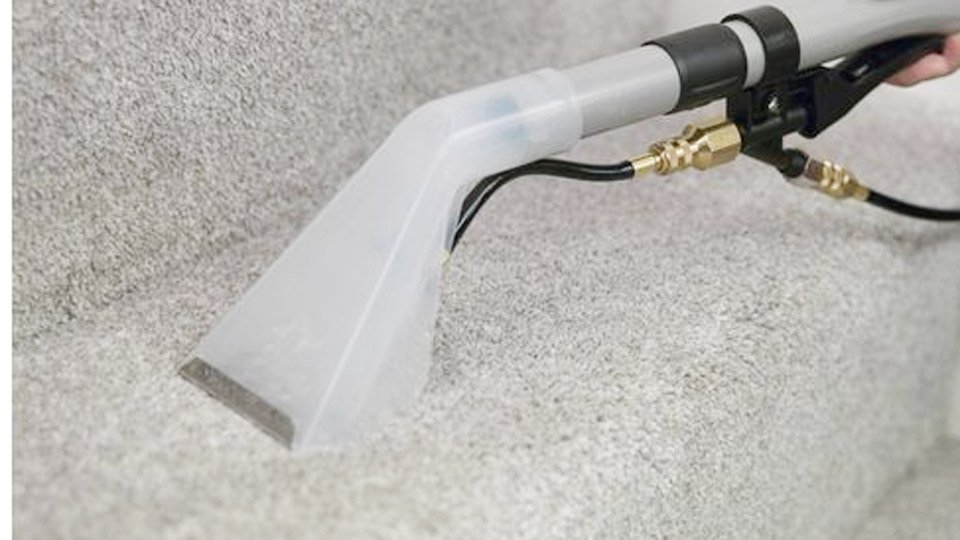
Image by bobvila
Why You Should Disassemble Your Bissell for a Deep Clean
First things first, let’s talk about why bothering with this at all. I remember the first time I ignored the gunk building up in my Bissell—it started smelling funky and didn’t pick up dirt as well. Disassembling lets you reach those hidden spots where dirt, hair, and soap residue hide. It’s like giving your car an oil change; it keeps everything working smoothly.
In my experience, regular deep cleans extend the life of your machine. Bissell cleaners are tough, but they suck up a lot of grime from US homes, especially with kids or pets around. Think about all the allergens and bacteria that get trapped. By taking it apart, you can scrub them away properly. Plus, it’s satisfying to see it all shiny again. I’ve found that doing this every few months prevents clogs and saves money on repairs.
Don’t worry if you’re new to this. I was too, but it’s straightforward. Just set aside an hour or so, and you’ll feel like a pro.
Tools and Materials You’ll Need Before Starting
Before we dive in, let’s gather what you need. I always lay everything out on a towel to keep things organized. You’ll want a screwdriver—usually a Phillips head works for most Bissell models. A flathead might come in handy for prying gently.
Grab some mild dish soap, white vinegar for natural cleaning, and a soft brush or old toothbrush for scrubbing. Microfiber cloths are great for wiping without scratching. If your model has filters, have replacements ready; you can find them at stores like Walmart or online.
Safety first, though. Unplug the machine and work in a well-lit area. I once tried this in dim light and missed a screw—lesson learned. Also, wear gloves if you’re sensitive to cleaners. That’s it; no fancy tools required.
Preparing Your Bissell Carpet Cleaner for Disassembly
Okay, now let’s get your machine ready. Start by emptying the tanks. I always rinse the dirty water tank first to avoid spills. For the clean water tank, dump any leftover solution.
Next, remove any attachments like the hose or upholstery tool. Set them aside; we’ll clean those later. If your Bissell has a brush roll, pop it out if it’s easy—some models let you do this without full disassembly.
Lay the cleaner on its side or back on a protected surface. I use an old sheet to catch drips. Give it a quick wipe down externally to remove loose dirt. This prep makes the whole process smoother, trust me.
Step-by-Step Guide to Disassembling the Main Body
Alright, here’s where the fun begins. I’ll break it down simple, like I’m showing you right now.
First, locate the screws on the base. Most Bissells have them around the edges or under covers. Unscrew them carefully and keep them in a bowl—I label mine with tape to remember where they go.
Gently separate the top housing from the base. It might click or snap; don’t force it. Inside, you’ll see the motor area and belts. Note how everything sits; I take a quick phone photo for reference.
If your model has a belt, check if it’s worn. Mine snapped once, and replacing it was easy. Now, remove the brush assembly. Twist or pull it out, depending on the model. Be gentle with the bristles.
For the tanks’ housing, there might be more clips. Unhook them and lift off. You’ll expose the nozzles and pumps. That’s the core disassembled. See? Not too bad.
Disassembling the Tanks and Hoses
The tanks are where most grime hides. For the dirty water tank, remove the lid by pressing tabs. Inside, there’s often a float or filter—pull those out.
Clean water tank is similar; detach any measuring cups or inserts. Hoses can be tricky. I start by unclamping them from the machine. Squeeze the clips and wiggle gently.
If there’s a long hose, uncoil it fully. Check for blockages by blowing air through—safely, of course. I’ve found hairballs in mine that explained the weak suction.
Portable models like the Little Green might have fewer parts, but the process is the same. Take your time here; rushing leads to breaks.
Cleaning Each Part Thoroughly
Now that it’s apart, let’s clean. I mix warm water with a bit of dish soap—nothing harsh that could damage plastic.
Start with the brush roll. Soak it, then scrub with your brush. Rinse well. For nozzles, use vinegar to dissolve mineral buildup, common in hard water areas like parts of California.
Tanks get a good soak too. Swish the solution around, then rinse multiple times. Dry everything with cloths; air drying works but takes longer.
Don’t forget filters. If washable, rinse under running water. Replace if they’re torn. I let parts dry overnight to avoid mold.
For the main body, wipe internals with a damp cloth. Avoid soaking electronics. If there’s odor, a baking soda paste helps.
Common Mistakes to Avoid During Disassembly and Cleaning
I’ve made a few goofs, so learn from me. Don’t yank parts; they break easily. Always unplug first—safety basics.
Overusing cleaners can leave residue, making things worse. Stick to mild stuff. Forgetting to dry parts leads to musty smells.
Mixing up screws? Big headache. Organize them. And never submerge the motor; wipe only.
If your model is under warranty, check if disassembly voids it. Mine wasn’t, but better safe.
Reassembling Your Bissell Carpet Cleaner
Putting it back is like reverse engineering. Start with the base. Reattach brushes and belts, ensuring they’re aligned.
Snap hoses back, checking for leaks. Reinstall tanks and secure with clips.
Screw the housing on snugly, but not too tight. Plug in and test—fill with water, run briefly to check suction.
If something’s off, double-check photos. It took me a couple tries first time, but now it’s quick.
Tips for Maintaining Your Bissell After Deep Clean
To keep it fresh longer, rinse after each use. I store mine upright in a dry spot.
Use Bissell formulas; generics can gum up. Empty tanks fully post-use.
Every 3-6 months, do this deep clean. In dusty areas like Texas, maybe more often.
If you have multiple models, note differences. Uprights vs. portables vary slightly.
Comparing Popular Bissell Models for Disassembly Ease
Sometimes, knowing model differences helps. Here’s a quick comparison based on what I’ve tried.
| Model | Disassembly Difficulty | Key Parts to Remove | Time Needed | Best For |
|---|---|---|---|---|
| Bissell ProHeat 2X Revolution | Medium | Brush rolls, tanks, hoses | 45-60 mins | Large homes with heavy traffic |
| Bissell Little Green | Easy | Tanks, nozzle, hose | 20-30 mins | Spot cleaning, small apartments |
| Bissell PowerClean | Medium-Hard | Belts, motor access, filters | 60-90 mins | Budget-friendly deep cleans |
| Bissell CrossWave | Easy-Medium | Brushes, tanks, multi-surface parts | 30-45 mins | Hard floors and carpets |
This table shows uprights take longer but handle bigger jobs. Portables are quicker for quick fixes.
Troubleshooting Issues After Reassembly
If it doesn’t work post-clean, don’t panic. Weak suction? Check hose clogs.
No power? Ensure plugs are secure. Leaks mean misaligned tanks.
Weird noises? Belt might be off. I’ve fixed all these myself.
If stuck, Bissell’s site has manuals—search your model number.
Benefits of Regular Deep Cleaning for US Households
In the US, with varied climates, carpets trap dust differently. In humid Florida, mold risks rise; deep cleans help.
It improves air quality, great for allergies. Saves on pro services too—I’ve avoided calling cleaners.
Plus, it’s eco-friendly; longer machine life means less waste.
I’ve noticed my carpets stay cleaner longer after machine maintenance.
Wrapping Up
From why to disassemble your Bissell carpet cleaner for deep clean, to the steps, cleaning, and even comparing models. I hope this feels like a friendly chat that empowers you to tackle it yourself. Remember, it’s about keeping your home fresh and your machine reliable. Give it a try—you’ll be glad you did. If something’s unclear, just think back to these tips. Your floors will thank you!
FAQs
How often should I disassemble my Bissell for a deep clean?
Based on my experience, every 3-6 months works well, but if you use it a lot, like with pets, do it more often to prevent buildup.
What if I lose a screw during disassembly?
No big deal—I’ve done that. Check hardware stores for replacements; match the size. Or order from Bissell parts online.
Can I use bleach to clean the parts?
I wouldn’t recommend it. Bleach can damage plastics. Stick to mild soap or vinegar for safety.
Is disassembling safe for all Bissell models?
Most yes, but check your manual. Older ones might differ, and if under warranty, confirm it doesn’t void coverage.
What do I do if there’s still an odor after cleaning?
Try baking soda. Sprinkle, let sit, vacuum up. For machines, ensure full drying and use odor-eliminating solutions.
How do I know if my brush roll needs replacing?
If bristles are worn or it doesn’t spin freely, time for a new one. I’ve replaced mine after a year of heavy use.
Can kids help with this process?
Sure, with supervision. It’s a fun learning moment, but keep them away from small parts or cleaners.
What if my Bissell is cordless—does disassembly change?
A bit; batteries instead of plugs. But steps are similar—just avoid water near battery areas.
How much does it cost to replace parts if needed?
Filters are cheap, around $10-20. Brushes or belts similar. Way less than a new machine.
Is there a video guide I can follow?
Absolutely, search online for your model. Visuals helped me first time, complementing these steps.