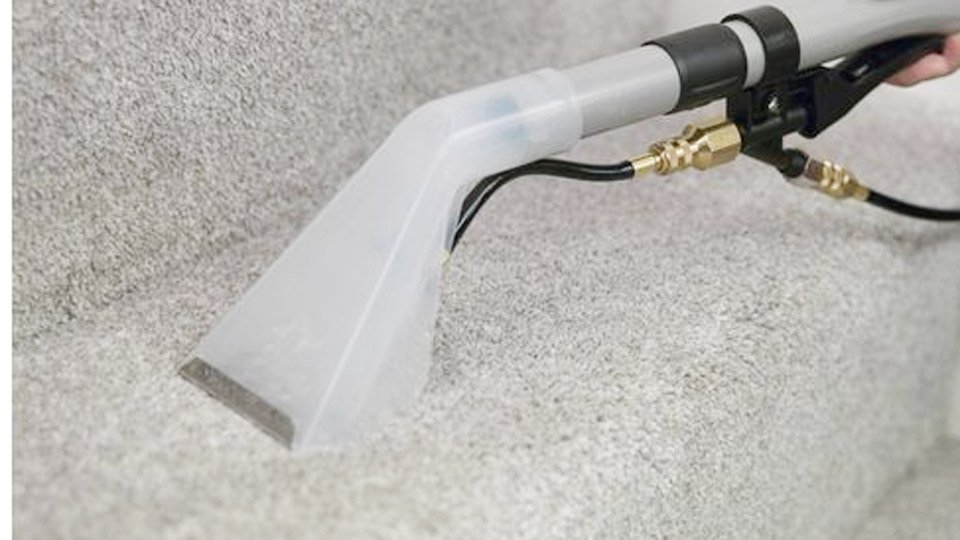
Last week, I spilled my morning coffee on the living room carpet — and despite my quick blotting, it left behind one of those stubborn brown water stains that seem to taunt you every time you walk by. If you’ve ever dealt with these marks, you know they’re not just unsightly; they can make even a freshly vacuumed room feel dirty and neglected.
Learning how to get brown water stains out of carpet is a game-changer, whether you’re tackling a deep cleaning session or just trying to refresh your space between bathroom cleaning and kitchen chores.
These stains can come from anything — leaks, spills, or even old cleaning mishaps — but leaving them untreated can lead to odors and permanent discoloration. In this guide, I’ll share my tried-and-true stain removal tricks, including eco-friendly solutions, so you can restore your carpet’s look and keep your home feeling fresh and welcoming.
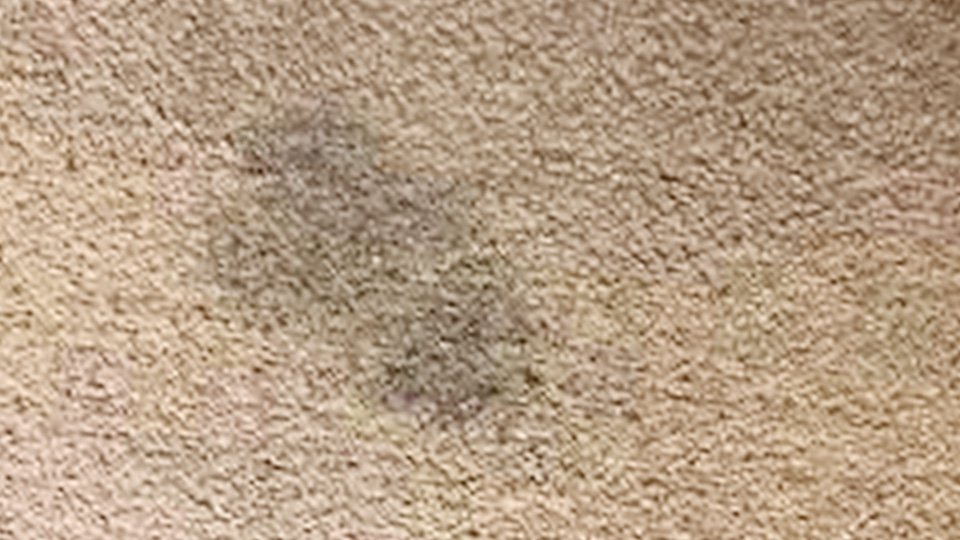
Image by reddit
Why Brown Water Stains Happen and Why They’re Tricky
Brown water stains on carpets often come from spilled beverages like coffee or tea, rusty water from a leaky pipe, or muddy water tracked in from outside. The brown hue usually stems from tannins (found in drinks like tea or wine), rust, or dirt particles that cling to carpet fibers. These stains are tricky because they can penetrate deep into the carpet, and if not addressed quickly, they may set permanently or encourage mold growth in damp conditions.
I once dealt with a brown stain from a dripping air conditioner unit in our rental apartment. It wasn’t just unsightly—it made me worry about mold affecting my kids’ health. Understanding the source of the stain helps you choose the right cleaning method, so let’s break down the most effective approaches based on what’s worked for me and countless other homeowners.
Blotting: The First Step to Tackle Fresh Stains
If you catch a brown water stain while it’s still wet, you’re in luck—fresh stains are much easier to remove. The key is to act fast and avoid rubbing, which can push the stain deeper into the carpet fibers.
How to Blot a Fresh Stain
- Grab a clean cloth or paper towels. White cloths are best to avoid color transfer. I keep a stack of old white towels in my cleaning closet for emergencies.
- Press gently on the stain. Start from the edges and work inward to prevent spreading. Apply firm pressure to soak up as much liquid as possible.
- Repeat with fresh cloths. Keep blotting until no more liquid transfers to the cloth. For large spills, I’ve used a heavy book on top of paper towels to absorb moisture overnight.
- Avoid scrubbing. Scrubbing frays carpet fibers and makes the stain harder to remove.
Pro Tip: If you’re dealing with a large spill, stand on the cloth to apply extra pressure. Just make sure your shoes are off to avoid adding dirt!
Why This Works
Blotting removes excess moisture before it soaks deeper, reducing the chance of a permanent stain or mildew. This method saved my carpet after my toddler knocked over a cup of chocolate milk last summer.
Soap and Water: A Simple, Budget-Friendly Solution
For light brown water stains, a mixture of dish soap and water can work wonders. This method is safe for most carpets and uses items you likely already have at home.
Steps for Soap and Water Cleaning
- Mix the solution. Combine 1 teaspoon of mild dish soap (non-bleach, like Dawn) with 1 cup of warm water in a bowl.
- Test first. Dab a small amount on an inconspicuous area of the carpet to ensure it won’t fade the color.
- Apply with a cloth. Dip a clean cloth into the solution and gently dab the stain, starting at the edges. Work in small circles to lift the stain.
- Rinse. Use a separate cloth dipped in plain water to blot away the soap residue.
- Dry thoroughly. Blot with a dry towel and let the area air dry. Avoid walking on it until it’s completely dry.
Real-Life Scenario
Last month, my dog tracked muddy water onto our beige carpet after a rainy walk in our Seattle suburb. I used this soap-and-water method, and the stain was gone in 10 minutes. It’s perfect for small, fresh stains caused by dirt or light beverages.
Safety Warning: Avoid using too much water, as over-wetting can damage the carpet padding and lead to mold. If the stain persists, move on to a stronger solution.
Vinegar and Water: A Natural Powerhouse for Stubborn Stains
When soap alone doesn’t cut it, white vinegar is my go-to for tackling deeper brown water stains. Its acidic nature helps break down tannins and rust, making it ideal for stains from coffee, tea, or rusty water.
How to Use Vinegar and Water
- Prepare the mixture. Mix 1/4 teaspoon of white vinegar with 4 cups of water. I use a spray bottle for easy application.
- Test for colorfastness. Apply a small amount to a hidden carpet area and check for discoloration.
- Spray or dab. Lightly spray or dab the solution onto the stain. Let it sit for 2–3 minutes to loosen the stain.
- Blot gently. Use a clean cloth to blot the area, working from the outside in.
- Neutralize and dry. Sprinkle a pinch of baking soda on the damp area to deodorize and absorb moisture. Vacuum it up once the carpet is dry.
Why I Love This Method
Vinegar is a lifesaver for parents and pet owners. When my daughter spilled iced tea on our rental apartment’s carpet, I panicked about losing our security deposit. This vinegar method removed the stain completely, and the carpet smelled fresh afterward.
Safety Warning: Never mix vinegar with bleach or ammonia, as it can create toxic fumes. Stick to white vinegar to avoid staining from darker vinegars like balsamic.
Steam Cleaning: A Deep-Cleaning Option
For older or deeply set brown water stains, a steam cleaner can be a game-changer. You can rent one from most home improvement stores for $30–$50 a day or invest in a home model for frequent use.
How to Steam Clean Your Carpet
- Vacuum first. Remove loose dirt to prepare the carpet.
- Fill the cleaner. Use hot water and a carpet-safe cleaning solution (check the machine’s manual).
- Work in sections. Move the steam cleaner slowly over the stained area, following the machine’s instructions.
- Dry thoroughly. Open windows or use fans to speed up drying. Avoid walking on the carpet until it’s dry to prevent new dirt from sticking.
When to Use It
I rented a steam cleaner when we moved into our new home in Texas and discovered old water stains from a previous tenant’s leaky pipe. The deep cleaning revived the carpet, making it look brand new.
Pro Tip: If the stain is very stubborn, pre-treat it with the vinegar solution before steam cleaning for better results.
Safety Warning: Don’t overuse cleaning solution, as residue can attract dirt. Always follow the machine’s guidelines to avoid damaging your carpet.
Ammonia for Tough, Set-In Stains
For really stubborn brown water stains, like those from Kool-Aid or long-ignored spills, ammonia can be effective. Use this method cautiously, as ammonia is strong and requires ventilation.
Steps for Ammonia Cleaning
- Mix carefully. Combine 1 tablespoon of clear, non-sudsy ammonia with 1 cup of hot water in a spray bottle.
- Test first. Apply to a hidden area to ensure it won’t damage your carpet.
- Apply sparingly. Spray lightly on the stain and let it sit for 1 minute.
- Blot with a cloth. Use a clean towel to blot the area, then rinse with plain water and blot again.
- Ventilate the room. Open windows to avoid inhaling fumes.
My Experience
I used ammonia on a rust-colored stain from a leaky radiator in our old Ohio home. It worked when nothing else did, but I made sure to keep the kids and pets out of the room until it was fully aired out.
Safety Warning: Ammonia is harsh and can irritate skin, eyes, and lungs. Wear gloves, work in a well-ventilated area, and never mix it with bleach, as it creates toxic gases.
When to Call a Professional Cleaner
Sometimes, brown water stains are too severe—like those from flooding or extensive pipe leaks—to handle alone. Professional carpet cleaners have industrial-grade equipment to extract water and treat deep stains.
Signs You Need a Pro
- The stain covers a large area or smells musty (indicating potential mold).
- Home remedies haven’t worked after multiple attempts.
- The carpet is made of delicate natural fibers like wool, which require specialized care.
What to Expect
Professionals typically use hot water extraction or dry cleaning methods. Costs vary by region (around $100–$300 for a room in the USA), but it’s worth it for severe damage. When our basement flooded in Michigan, a professional service saved our carpet and prevented mold growth.
Tip: Check reviews on sites like Yelp for reputable local cleaners, and ask about eco-friendly options if you’re concerned about chemicals around kids or pets.
Preventing Future Brown Water Stains
Prevention is easier than cleaning. Here are my go-to tips to keep your carpet stain-free:
- Use doormats. Place mats at all entrances to catch dirt and water from shoes.
- Fix leaks promptly. Check pipes, appliances, and HVAC units regularly to avoid water damage.
- Act fast on spills. Blot immediately to prevent stains from setting.
- Vacuum weekly. Regular vacuuming removes dirt that can mix with water and create stains.
- Apply a carpet protector. Products like Scotchgard create a barrier against spills.
Real-Life Example: After our muddy dog incident, I invested in a high-quality doormat and started vacuuming twice a week. It’s made a huge difference in keeping our carpets clean.
Tools and Supplies Checklist
Here’s a quick checklist of items to have on hand for tackling brown water stains:
- White cloths or paper towels
- Mild dish soap (non-bleach)
- White vinegar
- Baking soda
- Spray bottle
- Vacuum cleaner
- Steam cleaner (optional, for rent or purchase)
- Ammonia (for tough stains, used cautiously)
- Gloves and ventilation mask (for ammonia)
Dos and Don’ts for Carpet Stain Removal
| Do | Don’t |
|---|---|
| Blot gently to avoid spreading the stain | Rub or scrub, as it damages fibers |
| Test cleaning solutions on a hidden area | Use bleach-based cleaners, which can discolor carpets |
| Dry the carpet thoroughly to prevent mold | Over-wet the carpet, as it can damage padding |
| Act quickly on fresh stains | Ignore stains, as they may set permanently |
| Use white vinegar for safe, natural cleaning | Mix vinegar or ammonia with bleach |
Motivational Conclusion
Dealing with brown water stains on your carpet doesn’t have to be a nightmare. Whether you’re battling a coffee spill, a rusty pipe leak, or muddy footprints, these methods—blotting, soap and water, vinegar, steam cleaning, or ammonia—can restore your carpet to its former glory.
Each approach is affordable, uses common household items, and is safe when done correctly, making it perfect for busy American households. A clean carpet not only looks great but also creates a healthier, more inviting home for your family and guests.
FAQ
How can I tell if a brown water stain is from rust or a spill?
Look at the context. If the stain is near a pipe, radiator, or appliance, it’s likely rust. If it’s in a high-traffic area or near a drink, it’s probably a spill like coffee or tea. Test with a vinegar solution—rust stains often lighten faster than tannin-based stains.
Is it safe to use vinegar on all carpets?
White vinegar is safe for most synthetic carpets, but test it on a hidden area first, especially for natural fibers like wool or cotton, which can be sensitive to acid. Avoid using too much liquid to prevent damage.
What should I avoid mixing with ammonia when cleaning?
Never mix ammonia with bleach or products containing bleach, as it creates toxic chloramine gas. Always use ammonia in a well-ventilated area and store it away from other cleaners.
How long does it take for a carpet to dry after cleaning?
Drying times vary based on the method and room conditions. Blotting and light cleaning may take 2–4 hours, while steam cleaning can take 6–12 hours. Use fans or open windows to speed up the process.
Can I prevent brown water stains entirely?
While you can’t eliminate all risks, using doormats, fixing leaks promptly, and applying a carpet protector like Scotchgard significantly reduce the chance of stains. Quick action on spills is your best defense.