I once discovered an unpleasant surprise when I plopped down on my favorite couch—a stubborn old pee smell that just wouldn’t go away. If you’ve ever faced the challenge of how to get old pee smell out of a couch, you know it’s more than just an embarrassing odor; it can really affect the freshness and hygiene of your living space.
Whether you’re dealing with pet accidents or little ones’ mishaps, this kind of deep cleaning is essential to remove stains and odors while keeping your home safe and comfortable. Using eco-friendly solutions and effective stain removal techniques not only restores your couch but also helps maintain a clean, welcoming environment. Stick around, and I’ll share my best tried-and-true tips to banish that smell for good!
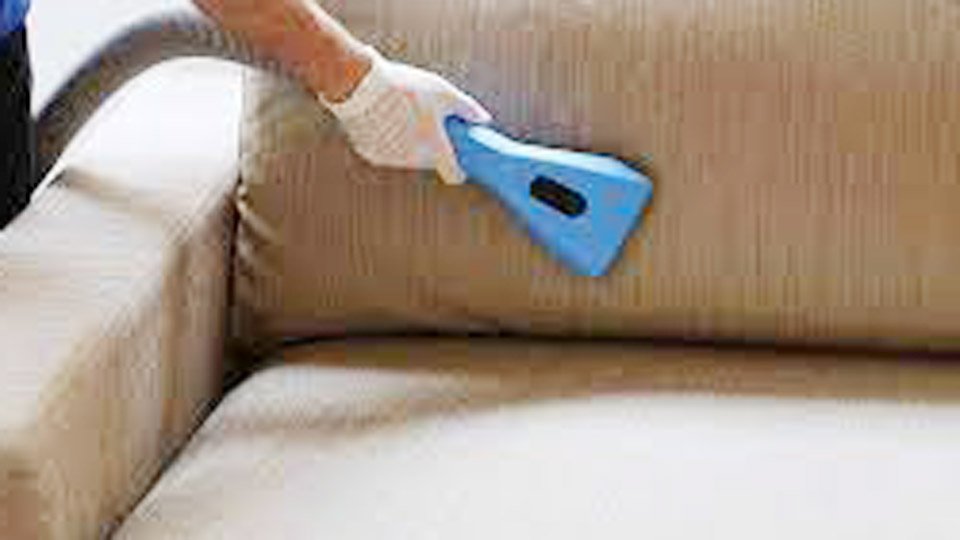
Image by omegacc
Why Old Pee Smells Stick Around
Before diving into the cleaning process, it’s worth understanding why that pee smell is so stubborn. Urine, whether from humans or pets, contains urea and other compounds that break down over time, creating a strong ammonia-like odor.
When it soaks into a couch, it seeps into the fabric, padding, and sometimes even the frame, making it tricky to eliminate.
The older the stain, the deeper it sets, and the more it stinks. But don’t worry—there’s hope! With the right approach, you can tackle both the odor and the stain, even if it’s been there for a while.
What You’ll Need to Get Started
The key to success is having the right tools and products on hand. I’ve learned through trial and error that preparation makes all the difference. Below is a checklist of supplies you’ll need, split into store-bought and homemade options, so you can choose what fits your budget and preferences.
| Supply Type | Store-Bought Options | Homemade/Natural Alternatives |
|---|---|---|
| Cleaning Solution | Enzyme-based pet odor eliminator (e.g., Nature’s Miracle, Rocco & Roxie) | White vinegar, baking soda, hydrogen peroxide |
| Tools | Spray bottle, soft-bristled brush, microfiber cloths, vacuum with upholstery attachment | Old towels, clean spray bottle, sponge |
| Protective Gear | Rubber gloves, mask (for strong odors) | N/A |
| Optional Extras | Odor-neutralizing spray (e.g., Febreze), upholstery cleaner | Essential oils (lavender or tea tree for a fresh scent) |
Always check your couch’s care label (usually found under the cushions or on the frame) for cleaning codes like “W” (water-based cleaners okay) or “S” (solvent-based only). This will guide your choice of cleaning solutions to avoid damage.
Step-by-Step Cleaning Methods
Let’s get to the good stuff—how to actually get that pee smell out. I’m sharing two methods: one using store-bought enzyme cleaners (my go-to for tough stains) and another using natural ingredients you likely have at home.
Both work, but the enzyme cleaner is faster for deep-set odors, while the natural method is great for budget-conscious folks or those who prefer eco-friendly solutions.
Method 1: Using an Enzyme-Based Cleaner
Enzyme cleaners are my secret weapon for pet and human urine stains. They contain bacteria that break down the proteins in urine, neutralizing the odor at the source. Here’s how to use them effectively:
Step 1: Blot the Area
If the stain is fresh, grab a stack of paper towels or an old towel and press firmly to soak up as much liquid as possible. For old stains, you might not see visible wetness, but blotting can still help lift some residue. Don’t rub—this pushes the urine deeper into the fabric.
Step 2: Vacuum the Surface
Use a vacuum with an upholstery attachment to remove dust, pet hair, or debris. This ensures the cleaner can penetrate the stain without interference. I once skipped this step and ended up with a muddy mess—don’t make my mistake!
Step 3: Apply the Enzyme Cleaner
Choose a high-quality enzyme cleaner (I’ve had great results with Nature’s Miracle). Pour or spray it generously over the affected area, ensuring it soaks in deeply. Let it sit for 10–15 minutes—or longer if the stain is old—to allow the enzymes to work their magic. Follow the product’s instructions for exact timing.
Step 4: Blot and Dry
After the cleaner has sat, blot the area with a clean microfiber cloth to lift excess liquid. Open windows or use a fan to speed up drying. Avoid sitting on the couch until it’s completely dry to prevent mildew.
Step 5: Check and Repeat
Once dry, give the area a sniff. If the odor lingers, repeat the process. Stubborn smells might need two or three rounds, especially if the urine soaked into the padding.
Time Estimate: 30–45 minutes (plus drying time, about 4–6 hours)
Safety Precautions: Wear gloves to avoid skin irritation, and keep pets and kids away from the treated area until it’s dry.
Test the cleaner on a hidden spot first to ensure it doesn’t discolor your fabric.
Method 2: Using a Homemade Solution
If you’re leaning toward a natural approach or don’t have an enzyme cleaner handy, this method using vinegar and baking soda works surprisingly well. It’s what I used when my dog had an accident on my old couch, and it saved me from replacing it.
Step 1: Blot and Vacuum
As with the enzyme method, start by blotting any fresh urine and vacuuming the area to prep the surface.
Step 2: Mix and Apply Vinegar Solution
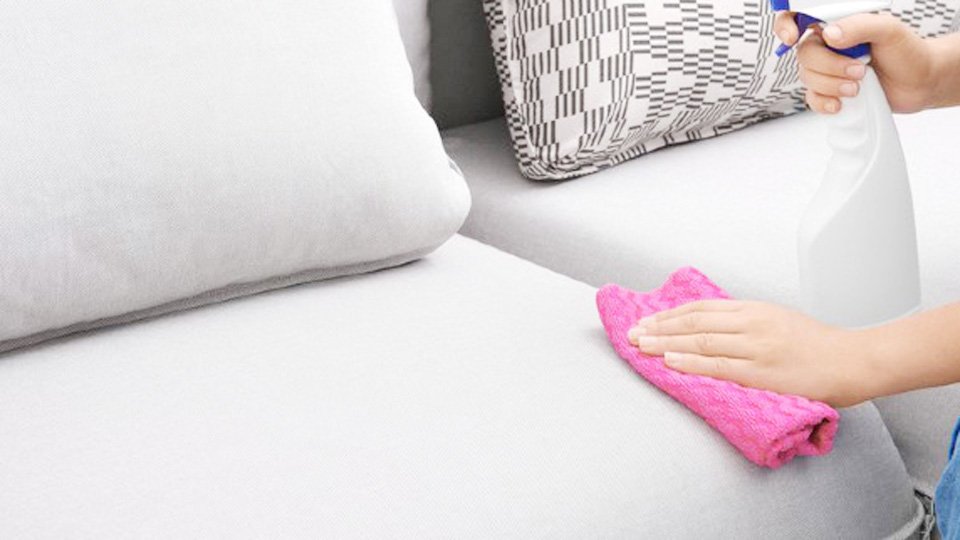
Combine equal parts white vinegar and water in a spray bottle (e.g., 1 cup vinegar, 1 cup water). Add a few drops of lavender or tea tree essential oil for a pleasant scent if you’d like. Spray the solution generously over the stained area until it’s damp but not soaking. Let it sit for 5–10 minutes to break down the urine compounds.
Step 3: Blot Excess Vinegar
Use a clean towel to blot up the vinegar solution. You might notice the pee smell intensify temporarily—this is normal as the vinegar lifts the odor.
Step 4: Sprinkle Baking Soda
Sprinkle a generous layer of baking soda over the damp area. Baking soda is a natural odor absorber and will help neutralize what’s left of the smell. Let it sit for at least 4 hours, or overnight for best results. I usually do this step in the evening so it can work while I sleep.
Step 5: Vacuum and Inspect
Vacuum up the baking soda thoroughly. Sniff the area to check for lingering odors. If the smell persists, repeat the vinegar and baking soda steps or try the enzyme cleaner method for extra power.
Time Estimate: 20–30 minutes (plus 4–12 hours for baking soda to sit)
Safety Precautions: Vinegar is safe for most fabrics, but test it on a small area first. Avoid using too much liquid to prevent over-wetting the cushion.
If the couch still smells slightly, sprinkle a thin layer of baking soda under the cushions and vacuum it out after a day or two for extra odor control.
Dos and Don’ts for Couch Cleaning
Cleaning a couch isn’t just about following steps—it’s about avoiding mistakes that could make things worse. Here’s what I’ve learned from years of tackling upholstery mishaps:
Dos:
- Act quickly for fresh stains to prevent them from setting.
- Use a fan or dehumidifier to speed up drying and avoid mold.
- Check your couch’s cleaning code to choose the right products.
- Be patient—old stains may need multiple treatments.
Don’ts:
- Don’t use hot water; it can set the stain and make the smell worse.
- Don’t oversaturate the fabric; too much liquid can damage the padding.
- Don’t skip the test patch—some cleaners can bleach or discolor fabrics.
- Don’t use ammonia-based cleaners; they mimic the smell of urine and can attract pets to mark the spot again.
Dealing with Deep-Set Odors in Couch Padding
Sometimes, the pee smell isn’t just in the fabric—it’s deep in the couch’s padding or foam. This happened to me when my cat decided my sofa was her personal litter box. Here’s how to tackle those tougher cases:
Step 1: Remove Cushion Covers (If Possible)
If your couch has removable, washable covers, take them off and wash them according to the care label. Use an enzyme-based detergent for best results.
Step 2: Treat the Padding
Spray the foam or padding directly with an enzyme cleaner or vinegar solution. Be sparing to avoid soaking the foam, as it’s harder to dry. Let it sit for 15–20 minutes, then blot with a towel.
Step 3: Air It Out
Place the cushions in a well-ventilated area, ideally outdoors in the sun (if the weather’s good). Sunlight naturally kills odor-causing bacteria. I once left my cushions outside for a full day, and it made a huge difference.
Step 4: Use Odor Absorbers
For lingering smells, place a bowl of activated charcoal or coffee grounds near the couch to absorb odors over a few days. You can also sprinkle baking soda directly on the padding and vacuum it after 24 hours.
If the padding is detachable and still smells after treatment, consider replacing it. Foam is affordable and can be cut to size at most hardware stores.
Preventing Future Accidents
Once your couch is fresh again, you’ll want to keep it that way. Here are some tips I’ve picked up to prevent future pee mishaps:
- Use a Waterproof Couch Cover: These are lifesavers for homes with pets or kids. Look for machine-washable options that blend with your decor.
- Train Pets: If your pet is the culprit, reinforce training or consult a vet to rule out medical issues.
- Spot-Clean Regularly: Quick action on new stains prevents them from becoming “old” stains.
- Add a Throw Blanket: A washable blanket over high-risk areas can catch accidents before they reach the couch.
Product Recommendations for Ongoing Maintenance
Keeping your couch odor-free doesn’t stop at cleaning. Here are some products I swear by for maintenance:
- Upholstery Protectant Spray: Brands like Scotchgard create a barrier against liquids and stains. Apply every 6–12 months.
- Odor-Neutralizing Spray: Febreze or similar sprays are great for a quick refresh between deep cleans.
- Vacuum with HEPA Filter: A good vacuum keeps dust and pet hair at bay, reducing odor buildup.
For natural alternatives, a spray bottle with water, a splash of vinegar, and a few drops of essential oil works wonders for daily touch-ups.
Realistic Expectations and When to Call a Pro
Let’s be real—sometimes, despite your best efforts, the smell just won’t budge. If you’ve tried both methods and the odor persists, it might be time to call a professional upholstery cleaner. They have industrial-grade equipment and solutions that can tackle deep-set stains.
Expect to pay $100–$300 depending on your location and the couch’s size. In my experience, it’s worth it for heirloom pieces or expensive furniture.
If the couch is old and the damage is extensive, consider whether it’s worth replacing. I once spent hours cleaning a thrift-store find only to realize the frame itself was holding the smell. Sometimes, starting fresh is the better call.
Conclusion
Dealing with an old pee smell on your couch can feel overwhelming, but with the right tools and a bit of patience, you can make your furniture smell fresh again. Whether you go with an enzyme cleaner for quick results or a natural vinegar-and-baking-soda approach, the key is to act methodically and give the process time. I’ve saved countless couches from the landfill with these methods, and I’m confident you can too.
FAQ
Can I use bleach to remove pee smells from my couch?
Bleach is a no-go for most couches. It can discolor fabrics and damage fibers, especially on delicate upholstery. Plus, it doesn’t neutralize urine odors effectively and can create harsh fumes when mixed with ammonia in urine.
Stick to enzyme-based cleaners or a vinegar solution for safe, effective odor removal. If you’re tempted to try bleach, test it on a hidden spot first, but I’ve seen it ruin more couches than it’s saved.
How long does it take to get rid of old urine odor?
The time depends on the stain’s age and depth. For fresh stains, a single treatment with an enzyme cleaner might take 30 minutes plus a few hours to dry. Older, deep-set odors could require multiple treatments over a couple of days.
When I tackled a stubborn pet stain, it took two rounds of enzyme cleaner and a full day of airing out to completely eliminate the smell. Patience is key!
Will steam cleaning remove pee smells from upholstery?
Steam cleaning can help with surface stains, but it’s not always effective for deep urine odors. The heat can set the stain, making the smell worse if the urine isn’t fully neutralized first. I tried steam cleaning a couch once without pre-treating, and the odor came back stronger.
Use an enzyme cleaner first, then consider steam cleaning for a final refresh if your couch’s care label allows it.
Are there any natural ways to keep my couch smelling fresh?
Absolutely! A homemade spray of water, white vinegar, and a few drops of lavender or lemon essential oil works great for daily maintenance. You can also sprinkle baking soda on the couch monthly, let it sit for a few hours, and vacuum it up to absorb odors.
I keep a small spray bottle of this mix in my living room for quick touch-ups—it’s a game-changer.
What if the pee smell is in a leather couch?
Leather couches require extra care since they’re less absorbent but can still trap odors. Wipe the surface with a damp cloth and a mild soap solution (like dish soap and water). Then, apply a leather-safe enzyme cleaner or a mix of equal parts vinegar and water.
Blot dry and follow with a leather conditioner to prevent drying out. I helped a friend clean her leather sofa this way, and it worked without damaging the finish.